





Related: 7 Ways Aerodynamics Save Fuel
Trailer Aerodynamics Not Overly Popular, Study Shows
It appears that it took a government decree to push operators into it, and it will take another set of rules to force further adoption of drag-reduction methods for trailers.
September 12, 2016

Trailer aerodynamic devices have caught on, but it apparently took the California ARB rules to force most fleets to begin adopting them. Photo: Tom Berg
4 min to read
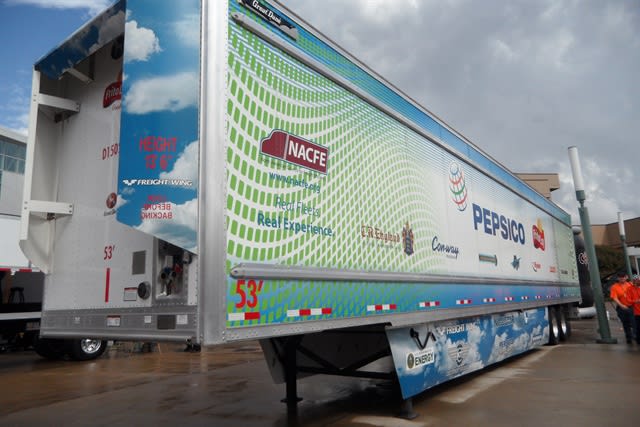
Trailer aerodynamic devices have caught on, but it apparently took the California ARB rules to force most fleets to begin adopting them. Photo: Tom Berg
Trailer aerodynamics comprise the least accepted type of fuel-saving methods, according to a study by the North American Council for Freight Efficiency. It appears that it took a government decree to push operators into it, and it will take another set of rules to force further adoption of drag-reduction methods for trailers.
Those are among the takeaways from the NACFE’s 2016 Annual Fleet Fuel Study. Participating were 17 large American and Canadian fleets, admittedly representing only 4% of the long-haul tractor-trailers on the road. And the adoption figures reflect companies, not the numbers of vehicles they have, NACFE said.
Some of the fleets are well-known and most have the resources to analyze results from various technologies to determine if they’re worth spending money on.
The study included 69 fuel-saving technologies that were grouped into seven categories: tractor aerodynamics, trailer aerodynamics, powertrains, tires/wheels, idle reduction, chassis, and fleet practices. Of those, trailer aerodynamics had the lowest acceptance rate, about 21% of the fleets surveyed.
Much more popular, with almost a 65% adoption rate, were tractor aerodynamics and low-rolling-resistance tires, the study showed. You know this is true if your memory extends beyond the turn of the 21st century, maybe even back to the first Arab Oil Embargo of 1973. Roof-mounted air fairings began appearing on tractors in the mid-‘70s as fleet managers reacted to spiking oil and fuel prices. Tractors led every big rig into the speed-induced wind, so were obvious targets for improvement. (Easy-rolling tires came much later.)
A few thinking managers began using aero devices on trailers not long afterward. By the late ‘70s I was living in California and went through the second oil embargo of ’79. I recall seeing Nose Cones on a few trailers and truck bodies. Aside from fuel savings, one argument for them was steadier, safer handling of the trailer and therefore the entire rig.
In 1980, Peterbilt released results of an experiment with an aerodynamic trailer that said its deep skirts and “truncated” (but non-folding) boat tail gained 1.5 mpg for the tractor pulling it. Fruehauf’s FEV2000 tractor-trailer got 7.4 mpg in tests – 72% better than a non-aero rig, the company claimed. But fuel at that time was still too cheap, and the concept of streamlined trailers too radical, for truck operators to care.
It took more than 20 years for other devices, including now widely used trailer skirts from various makers, to appear. By then fuel prices had gone up much more, and skirts began paying off. But they saved nothing when trailers were parked in terminals and customers’ lots, and for some operators that could be two-thirds or more of their trailer fleets.
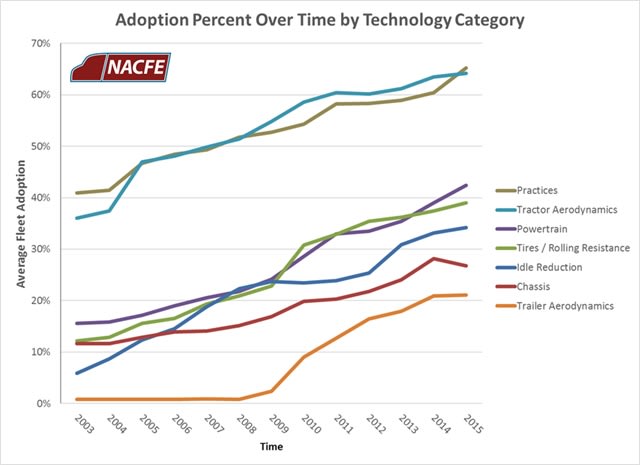
NACFE's study shows that only 21% of participating fleets use trailer aerodynamics, but almost two-thirds use aero-styled tractors. Source: North American Council for Freight Efficiency
The NACFE study shows that the 17 participating fleets didn’t begin to adopt trailer aerodynamics until 2008, just about the time that a state law in California required the adoption of fuel-saving devices on trucks. That’s also when the Air Resources Board announced that it would write rules to enforce the law. CARB’s rules phased in beginning in January 2010 and the rest, as the cliché goes, is history.
The rules affected box-type trailers 53 feet long or longer. Most fleet executives were less than enthusiastic, saying the skirts and other devices required to meet CARB rules cost more to buy, install and maintain than they saved in fuel.
I recall one exec remarking that he and his colleagues had considered buying 50-foot trailers to get under the CARB requirements. But they figured CARB would then change the rules to include them, too. (His fleet is one of the 17 in NACFE’s 2016 study, by the way.)
Execs at another large fleet in the study tried to designate trailers by “California” and “non-California,” and equip only those that went there. But an analysis showed that a big majority of the carrier's trailers sooner or later went to the Golden State, so it began installing the equipment on all of them. Eventually, component prices came down and payback periods became shorter, even though lower fuel prices tend to stretch the return on investment time.
While the 21% adoption rate for trailer aerodynamics is still relatively low, it will no doubt increase because trailers are a major focus of the federal Phase 2 Greenhouse Gas rules released last month. Expect more skirts, boat tails, nose fairings and other devices to appear as time goes on. Even the basic shapes of trailers might change – like it or not.
Subscribe to Our Newsletter
More Blog Posts

Pulsing Back-of-Trailer Lamps Aim to Prevent Crashes
Can the addition of a pulsing brake lamp on the back of a trailer prevent rear-end collisions? FMCSA seems to think so, if its exemptions are any indication.
Read More →
Designing a 14-Foot Trailer
Trailers are 13 feet, 6 inches high, right? Not for Hub Group, which developed a special 14-foot-high trailer spec for a dedicated customer based in California. Learn more in the Trailer Talk blog.
Read More →
CARB Comes for Reefer Trailers
A new round of emissions control regulations decreed by the California Air Resource Board will begin affecting refrigerated trailer and TRU design and operations next year.
Read More →
5 Ways Data Analysis Maximizes the Value of Trailer Telematics
Are you getting the most out of your trailer telematics investment?
Read More →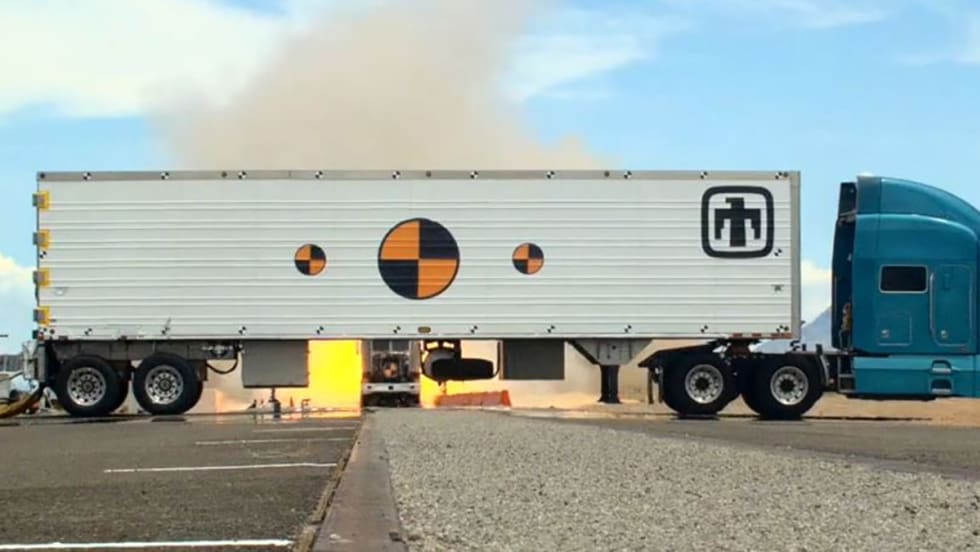
Can You Guess What's in That Trailer?
You don’t always know what’s in the trailers that pass you on the road. But some of those trailers are carrying something a little more dangerous that frozen food or new bedding…like, maybe, a nuclear weapon. But this isn’t an ordinary trailer; this is a trailer specifically made to not only carry this type of payload, but protect it at all costs.
Read More →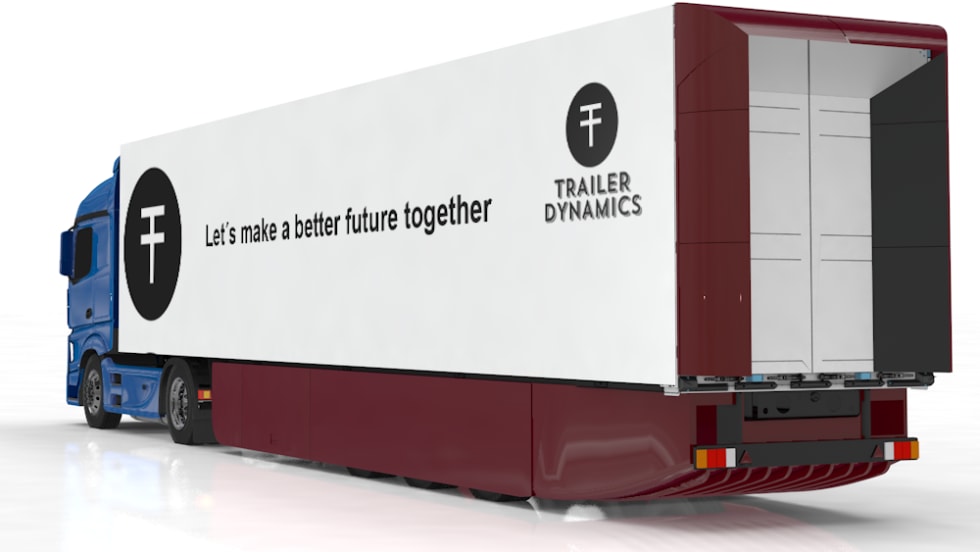
How Trailers Are Harnessing 'Free' Energy
Can trailers play a more active role in sustainable transport beyond aerodynamic add-ons or low-rolling-resistance tires? Some companies think so.
Read More →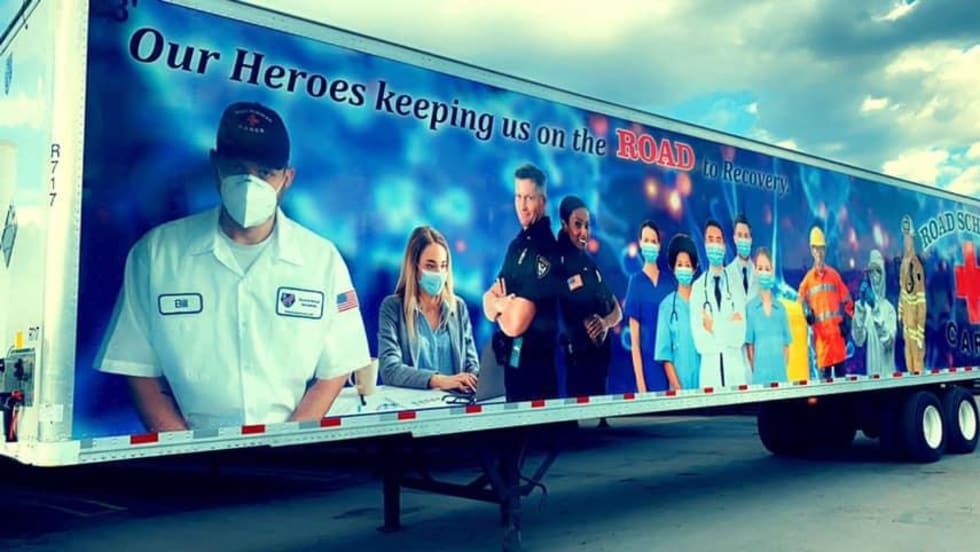
Wrapping a Trailer for COVID’s Everyday Heroes
“We don’t only deliver freight. We deliver awareness.” That’s what Jim Barrett, president and CEO of Road Scholar Transport, likes to say about the Dunmore, Pennsylvania-based carrier’s “awareness fleet.” Its latest trailer wrap honors the everyday heroes of the pandemic.
Read More →
How a Tanker Fleet is Using Unorthodox Trailer Lighting to Fight Rear-End Collisions
Groendyke Transport watched the number of rear-end collisions with its trailers rise steadily until it tried an unorthodox and then unapproved method of alerting following drivers that its trucks were applying brakes and slowing down.
Read More →
The Role Trailers are Playing in COVID-19 Funerals
In places such as New York City and Detroit, overwhelmed hospitals and mortuaries are using refrigerated trailers to store the bodies of people killed by COVID-19.
Read More →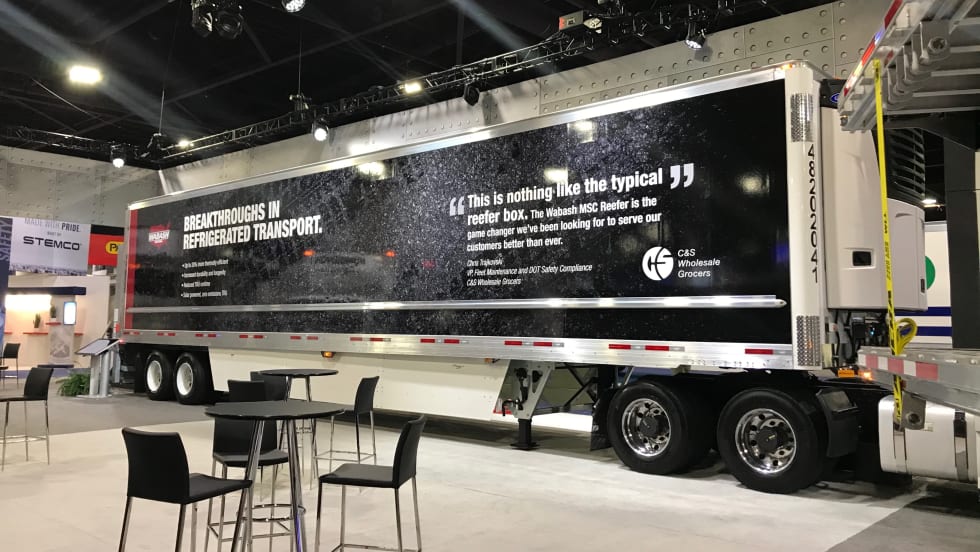
Reefer Trailer Aims to Help Reach Zero Emissions
Wabash National is partnering with C&S Wholesale Grocers to test a new type of zero-emissions refrigerated trailer.
Read More →