




The Not-So-New Capitol Hill Players…
How the Trump Presidency ultimately pans out, of course, remains to be seen. But a key influence on how well the 45th President might succeed as an agent of change is as clear as the electoral-college vote— the GOP establishment still holds sway on Capitol Hill.

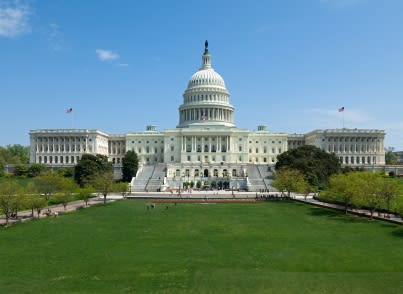
Photo: Architect of the Capitol
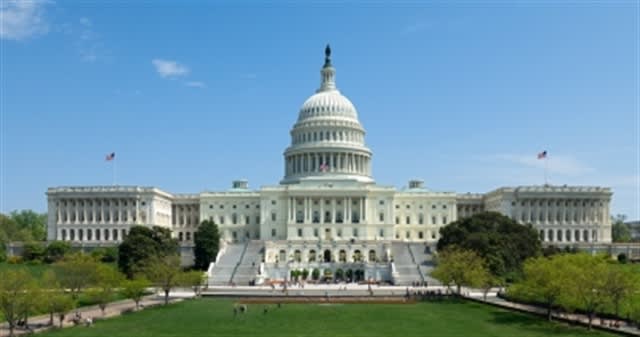
Photo:Architect of the Capitol
While professional pundits and coffee klatschers still debate whether Donald Trump’s election was an historic upset or merely inevitable, his tenure in the Oval Office will be markedly different—in tone, style and substance— than has been that of President Obama.
How the Trump Presidency ultimately pans out, of course, remains to be seen. But a key influence on how well the 45th President might succeed as an agent of change is as clear as the electoral-college vote— the GOP establishment still holds sway on Capitol Hill.
The Democratic Party gained only six House seats in 2016, giving the GOP a 241-194 majority.
In the Senate, only two seats were gained by Democrats. When you count the two Independent senators who caucus with the Democrats, the Republicans end up with a 52-48 edge. So, as of Inauguration Day, it will be the first time since 2011 that one party has occupied the White House and controlled both the House and Senate.
The newly seated 115th Congress (Jan. 2017 to Jan. 2019) is virtually a mirror image of the preceding body. That’s reflected in the return of House Speaker Paul Ryan (R-WI) and Senate Majority Leader Mitch McConnell (R-KY) and their chief lieutenants to their leadership posts.
Not surprisingly, then, key transportation leaders on Capitol Hill will again be taking up their prior committee and subcommittee chairmanships to play major roles in passing infrastructure spending bills, safety regulations and other legislation that may impact trucking specifically and U.S. business generally over the next four years.
Let’s start with arguably the most prominent face of transportation in Congress, Rep. Bill Shuster (R-PA). He is again serving as Chairman of the pivotal Committee on Transportation and Infrastructure. The committee handles legislation affecting all modes of transportation and is also tasked with oversight of the Department of Transportation. Shuster has chaired the committee since 2014.
Shuster was elected to his ninth term in November by decisively beating his Tea Party-backed opponent, who had narrowly lost the Republican primary but then garnered enough write-in votes to run as a Democrat.
He said in a statement that in the last Congress, his committee was able by “working across the aisle” to pass such key legislation as the most recent highway bill, the FAST Act, as well as other infrastructure-related measures. “We have a unique opportunity to accomplish a great deal for the American people with a president-elect who is focused on improving the nation’s infrastructure,” Shuster stated.
Rep. Peter DeFazio (D-OR) will serve again as the ranking member of the House Transportation Committee. And, presumably, Rep. Sam Graves (R-MO) will again chair the House Subcommittee on Highways and Transit, which is specifically charged with overseeing the development of transportation policy.
In the Senate, there are several committees that oversee transportation funding and issues. The gavel for the Environment and Public Works Committee, which writes the main policy portion of highway bills, has been passed to Sen. John Barrasso (R-WY), who succeeds Sen. Jim Inhofe (R-OK). Serving as ranking member of the committee is Sen. Tom Carper (D-DE). No one has yet been named as the new chair of the committee’s Transportation and Infrastructure Subcommittee.
Last but not least is the Senate Commerce Committee, charged with overseeing safety policy. Sen. John Thune (R-SD) has returned as chairman and Sen. Bill Nelson (D-FL) as ranking member.
Also returning to the same leadership post is Sen. Deb Fischer (R-NB), who is again chairing the Subcommittee on Surface Transportation and Merchant Marine Infrastructure, Safety and Security. Sen. Cory Booker (D-NJ) is serving as the subcommittee’s ranking member.
In 2015, Sen. Fischer was instrumental in attaching legislation to the FAST Act highway bill that requires a more through justification for new regulations by the Federal Motor Carrier Safety Administration.
More Blog Posts
Congress Dancing on the Ceiling. Again.
It’s time once more on Capitol Hill to battle over the debt ceiling, rather than conduct the nation’s urgent business, says HDT Business/Washington Contributing Editor David Cullen.
Read More →
Infrastructure on Capitol Hill: On Two Tracks to Somewhere
It’s likely an infrastructure bill will pass. But how big it will be, and who will pay for it, rides on lots of politicking.
Read More →
Gaming Out The Biden Infrastructure Proposal on Capitol Hill
The Biden Administration's American Jobs Act, the core of which is infrastructure funding, is on a long road to becoming law – replete with more twists and turns than a mountain highway.
Read More →
4 Ways Washington May Change Trucking Laws and Regulations
As the balance of power in Washington has shifted, trucking likely will see changes in laws and regulations. But how that happens isn't just like the Schoolhouse Rock version of "I'm Just a Bill."
Read More →
Regulatory Outlook 2020: Keep an Eye on Hours of Service
What's in store for trucking from the regulators in Washington, D.C., this year? Executive Editor David Cullen says the government wheels move slowly, but hours-of-service is among those to watch in 2020.
Read More →
Logistics Ain't What it Used to Be
You can no longer expect to run a motor carrier of any size without at least a glancing appreciation for the impact logistics— in one way or another-- has on every link in the supply chain.
Read More →
Will Dustup over Cleanup of Car Emissions Gut Truck GHG Rules?
What does Trump's revocation of California's vehicle emission waiver mean for the federal Phase 2 GHG emission rules already in place for commercial vehicles? Commentary by Executive Editor David Cullen.
Read More →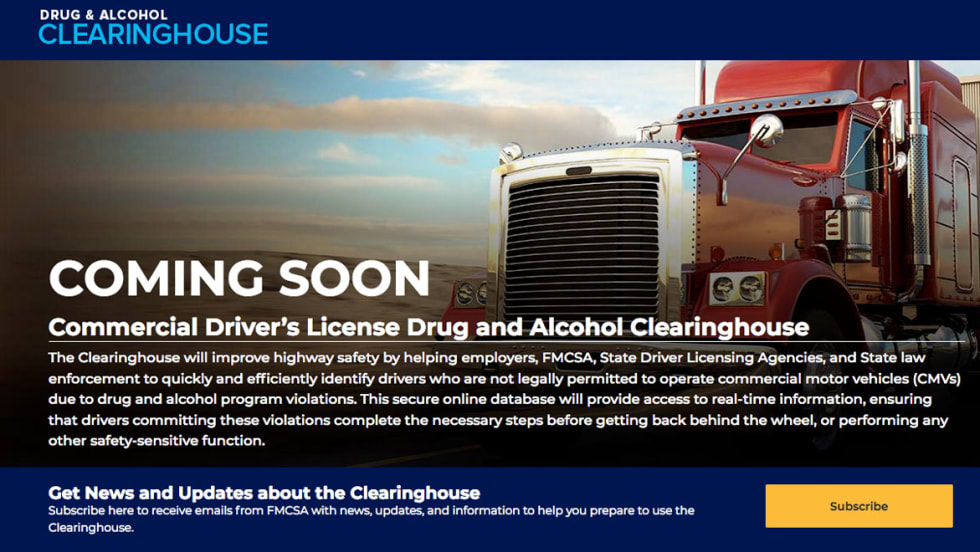
Some Sober Advice on the Drug & Alcohol Clearinghouse
The Federal Motor Carrier Safety Administration's prep work for the Drug & Alcohol Clearinghouse includes amassing an impressive amount of informational guidance online that can be accessed at a dedicated website. Commentary by Executive Editor David Cullen.
Read More →
Here's to Our Winners
The managers, executives, and owners of truck operations who are honored each year by Heavy Duty Trucking with our Truck Fleet Innovator awards so often seem to be moving at a fast clip in how they think about things. Blog Commentary by Executive Editor David Cullen.
Read More →
ATA Takes Madison Avenue to Pitch Highway Funding on Capitol Hill
A new advertising and grassroots campaign by ATA might just sell Congress on fixing our roads. Commentary by David Cullen, Executive Editor.
Read More →