




Rising Demand for Trailers Should Go into 2013, Forecaster Says, But Beware of New Regs
Trailer merchants listened to good news about their immediate business prospects from forecaster Eric Starks, who predicted steady sales increases into 2011 and through '12 and '13, though he observed that a dismal 2009 will make percentages larger and better than actual production numbers

Trailer merchants listened to good news about their immediate business prospects from forecaster Eric Starks, who predicted steady sales increases into 2011 and through '12 and '13, though he observed that a dismal 2009 will make percentages larger and better than actual production numbers.
Speaking last week to members of the National Trailer Dealers Association at their 20th annual meeting in Indian Wells, Calif., Starks, president of FTR Associates, also said new trailers will seem a better buy to cash-healthy fleets than costly new tractors. But he warned that the upcoming regulation-induced driver shortage will slow commerce and better the chances for heavier tractor-trailers proposed by some in the industry.
How's Business?
Attendance at NTDA's meeting was the healthiest since its all-time high in 2005, said Gwen Brown, the group's recently hired executive director and a former staffer at the National Truck Equipment Association.
NTDA member-attendees answering the how's-business question from this writer all reported increased sales and heightened inquires about new equipment in response to the reawakening economy. Only construction-related vehicles remain slow movers, because that segment remains in the doldrums, dealers said.
Because the economy is recovering more slowly than in previous post-recession times, truck operators will ease into the replacement of their aging trailer fleets. Many trailers are still parked and can be put back in service as freight movements demand, Starks said. So sales and production increases will be gradual.
Overall, trailers have "substantial life left in them" because they were better designed and constructed than they used to be, he said. On the other hand, the scrappage rate for old, worn-out trailers is up, which is shrinking the nationwide fleet. Those factors will affect trailer sales and production, but the economy and freight movement are the biggest drivers.
High prices for new road tractors will cause financially healthy big fleets to shy away from them and instead buy new trailers, Starks predicted. "Trailers will be seen as a much better use of cash" than new tractors with their expensive 2010-spec diesels.
Ups and Downs
Historically, vehicle production always trails the ups and downs of freight movement, but the spikes and troughs are greater because a 1 percent rise or fall in freight results in a 5 percent change in trailer production. This is playing out now: Numbers indicate that the peak was in April, and the current freight trend is flat; but trailer production is rising due to fleet orders from a few months ago. It's likely to plateau like it did in 2003, following the preceding recession.
An improving economy next year will boost freight again, and production will follow, rising to substantial levels, though probably not as high as as 2005-06. By 2013 the upward business cycle will probably turn downward, freight movement will slow, equipment orders will decrease, and production will slip downward again, Starks observed.
A "slow growth" scenario advanced by some economists might stall the current recovery, but only for a year. It would take a double-dip recession to return trailer sales to bleak '09 levels, and Stark, like other forecasters, thinks that's unlikely.
Watch Out for Regs
What could put a chill on orders is the looming driver shortage, caused by retiring baby boomers and the federal CSA 2010 safety requirements soon to be imposed on fleets and drivers, Starks said. That shippers will also be held accountable, by potential liability as well as the regs, will cause fleets' customers to demand that drivers have good records as well as safe habits.
A shorter driving day may well be coming because of pressure on the government from safety advocates, he said. This would reduce the productivity of the dwindling driver corps. But it will also strengthen the argument for more productive six-axle, 97,000-pound rigs advanced by factions within the American Trucking Associations, though not for wider use of long combination vehicles.
The chances for congressional approval of heavier trucks is now greater than ever - about 50-50, Starks believes. The public can't see more weight, he explained, but they can see - and probably won't like - multi-trailer combinations where they now don't operate.
This story was updated 10/22/10 at 9 a.m. EDT to correct Eric Starks' name.
More Blog Posts

Pulsing Back-of-Trailer Lamps Aim to Prevent Crashes
Can the addition of a pulsing brake lamp on the back of a trailer prevent rear-end collisions? FMCSA seems to think so, if its exemptions are any indication.
Read More →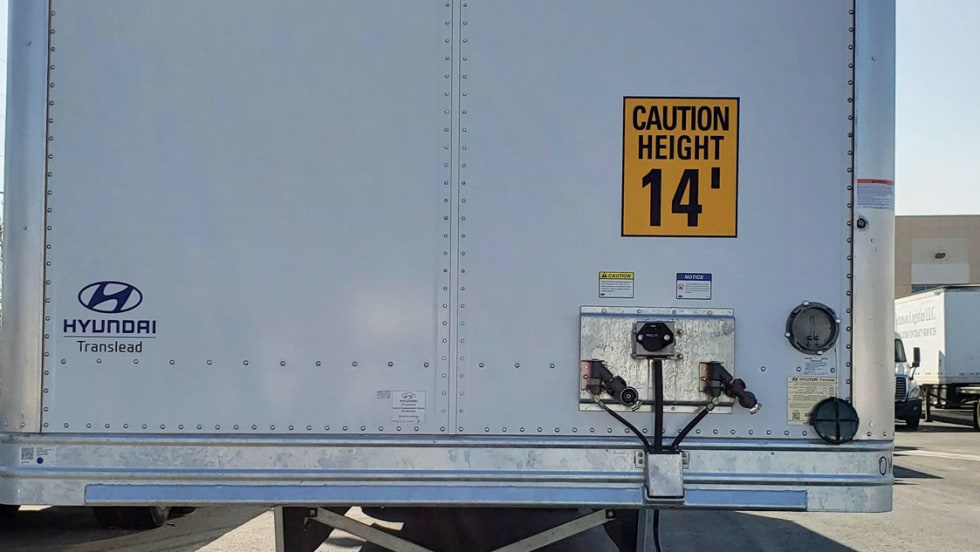
Designing a 14-Foot Trailer
Trailers are 13 feet, 6 inches high, right? Not for Hub Group, which developed a special 14-foot-high trailer spec for a dedicated customer based in California. Learn more in the Trailer Talk blog.
Read More →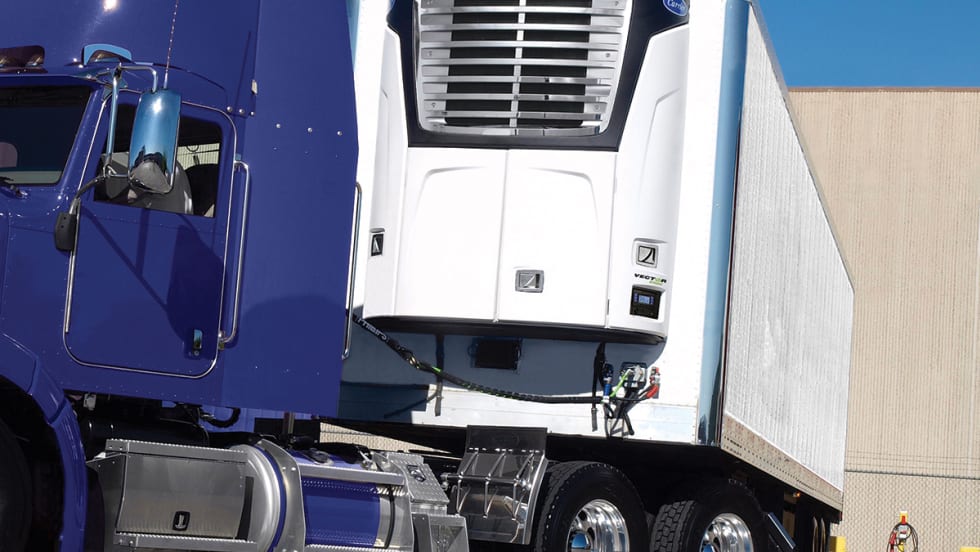
CARB Comes for Reefer Trailers
A new round of emissions control regulations decreed by the California Air Resource Board will begin affecting refrigerated trailer and TRU design and operations next year.
Read More →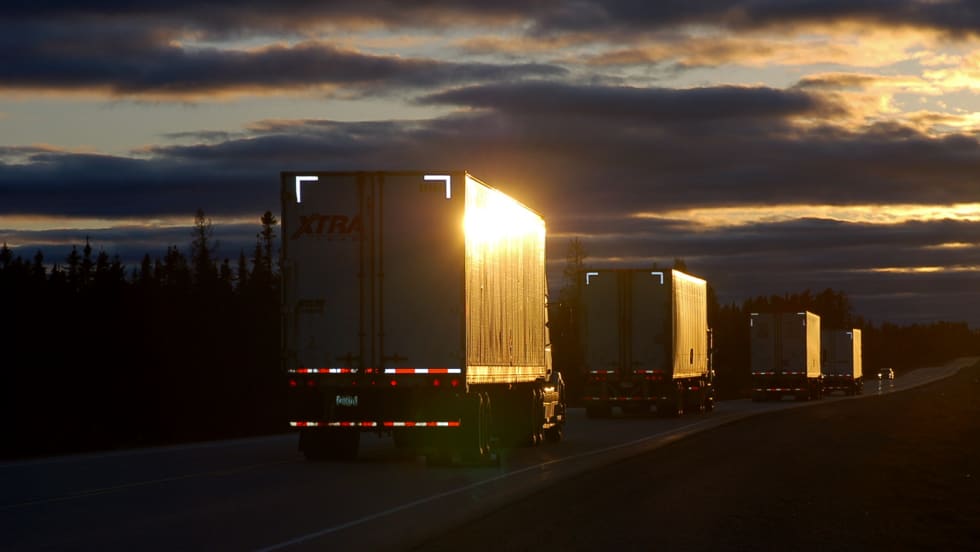
5 Ways Data Analysis Maximizes the Value of Trailer Telematics
Are you getting the most out of your trailer telematics investment?
Read More →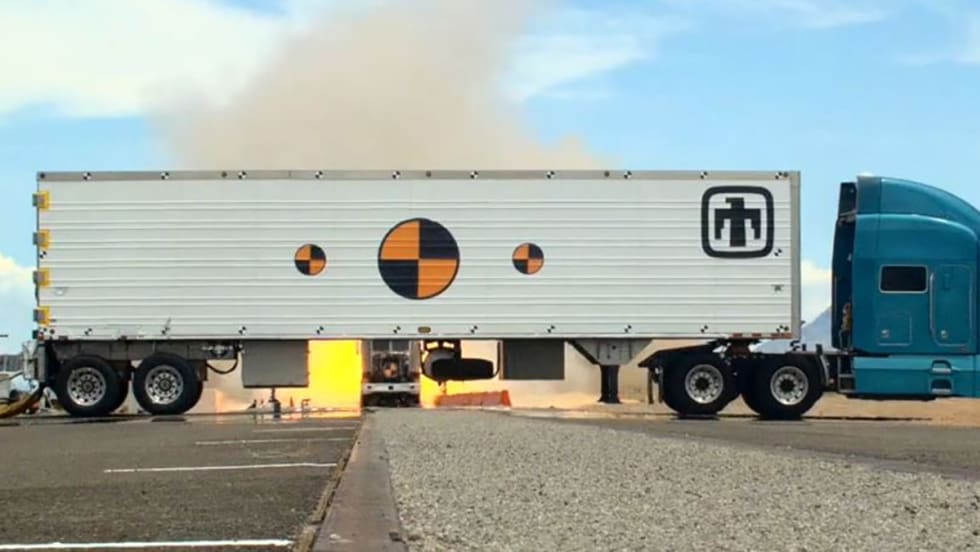
Can You Guess What's in That Trailer?
You don’t always know what’s in the trailers that pass you on the road. But some of those trailers are carrying something a little more dangerous that frozen food or new bedding…like, maybe, a nuclear weapon. But this isn’t an ordinary trailer; this is a trailer specifically made to not only carry this type of payload, but protect it at all costs.
Read More →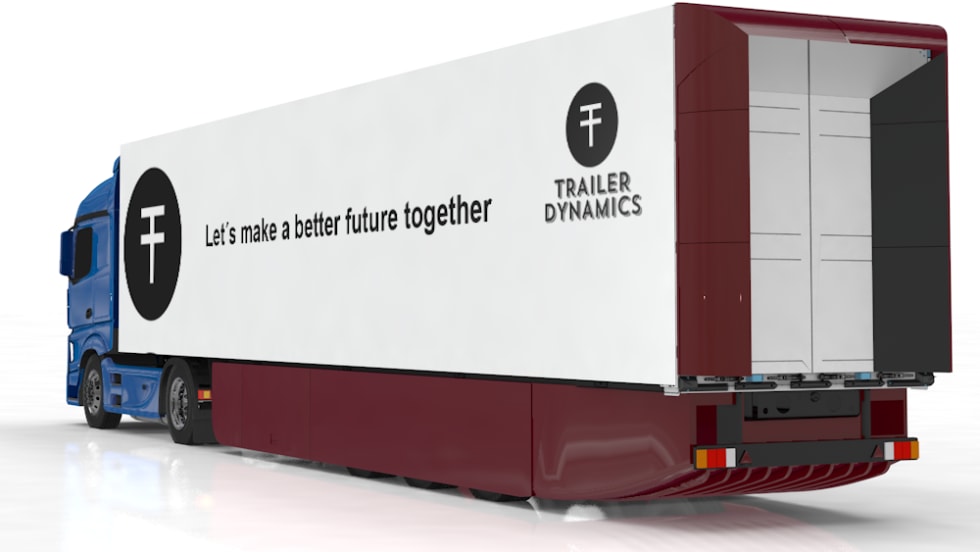
How Trailers Are Harnessing 'Free' Energy
Can trailers play a more active role in sustainable transport beyond aerodynamic add-ons or low-rolling-resistance tires? Some companies think so.
Read More →
Wrapping a Trailer for COVID’s Everyday Heroes
“We don’t only deliver freight. We deliver awareness.” That’s what Jim Barrett, president and CEO of Road Scholar Transport, likes to say about the Dunmore, Pennsylvania-based carrier’s “awareness fleet.” Its latest trailer wrap honors the everyday heroes of the pandemic.
Read More →
How a Tanker Fleet is Using Unorthodox Trailer Lighting to Fight Rear-End Collisions
Groendyke Transport watched the number of rear-end collisions with its trailers rise steadily until it tried an unorthodox and then unapproved method of alerting following drivers that its trucks were applying brakes and slowing down.
Read More →
The Role Trailers are Playing in COVID-19 Funerals
In places such as New York City and Detroit, overwhelmed hospitals and mortuaries are using refrigerated trailers to store the bodies of people killed by COVID-19.
Read More →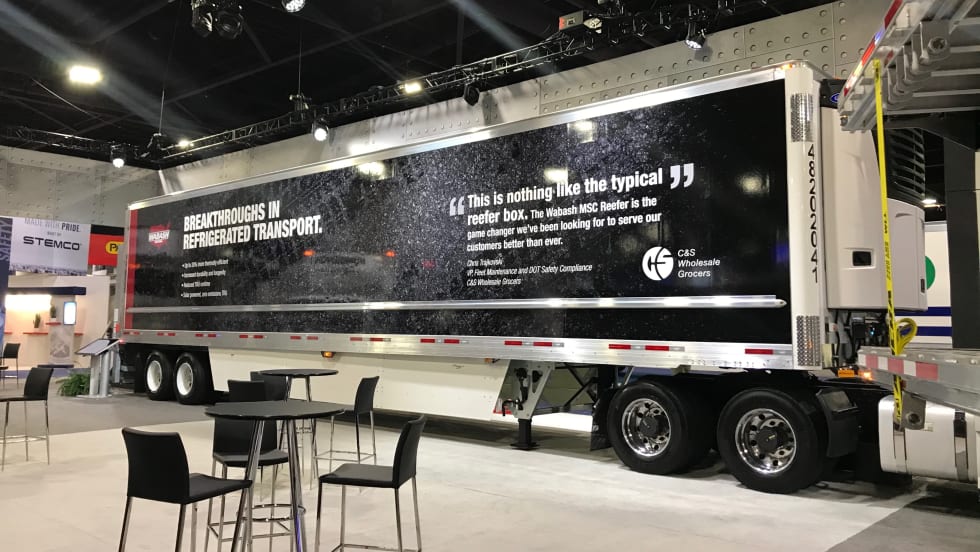
Reefer Trailer Aims to Help Reach Zero Emissions
Wabash National is partnering with C&S Wholesale Grocers to test a new type of zero-emissions refrigerated trailer.
Read More →