




Piggyback Equipment at Pennsylvania’s Toy Train Museum
There was a time when railroads were in the motor transport business, as their parent companies recognized that freight was being grabbed by fast, flexible long-haul trucks and they might as well grab some of the revenue.

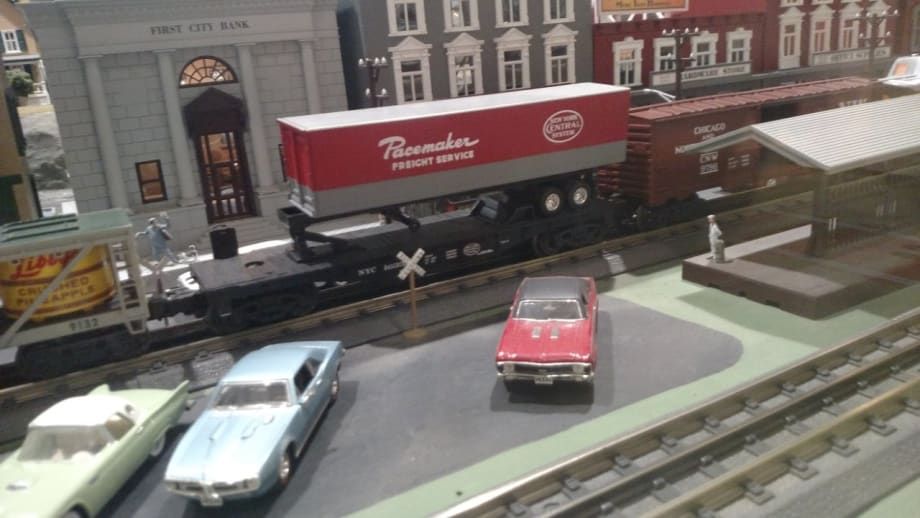
Photos: Tom Berg
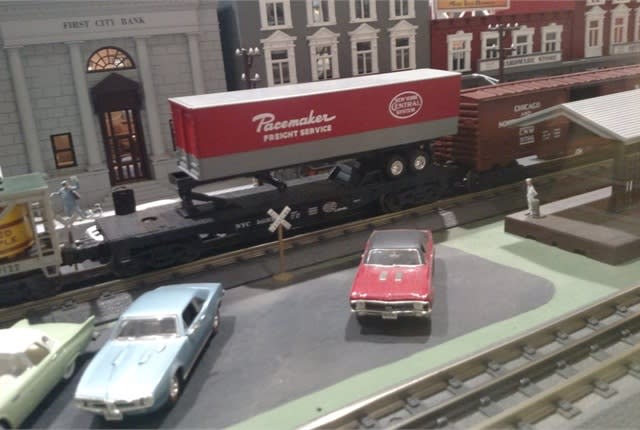
Photos: Tom Berg
Visit the National Toy Train Museum near Strasburg, Pa., and there’s no question that you’ll see lots of toy trains. But on several of the half-dozen layouts in various model scales you’ll also find trucks, some of them on streets and roads and others aboard railroad flatcars. Yes, “piggyback” equipment rides the miniature rails because they were part of the scene in the mid 20th Century, the era depicted in most of the layouts.
That was the time when railroads themselves were in the motor transport business, as their parent companies recognized that freight was being grabbed by fast, flexible long-haul trucks and they might as well grab some of the revenue. Often the motor-truck subsidiaries cooperated with their namesake railroads, sending loaded and empty semitrailers via special flatcars for the line-haul portion of trips. New York Central's Pacemaker service (as in the opening photo), was an example.
Over at the nearby Railroad Museum of Pennsylvania, I found a pair of books on such equipment, Piggyback Color Guide, Volumes 1 and 2. I was amazed at the details shown in the many photos and captions. The author, James Kinkaid, obviously got deeply into the subject. I was tempted to buy them, but didn’t for two reasons: My luggage was already bulging, and I had unopened books on trucks and trains back home, waiting to be read.
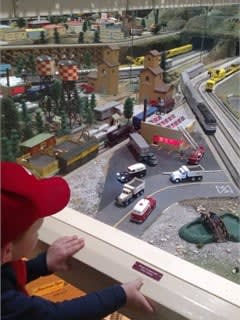
Little boy enjoys the street scene on an S-guage layout. But, how'd those trucks get over the rail crossing?
Piggyback — more properly known as trailer on flat car, or TOFC — is still used today by large transport companies like UPS, J.B. Hunt and Schneider National, though much of their freight now goes in containers stacked two high on “well” cars. Containers are more efficient partly because they have no underframes and other running gear that represents dead weight in such moves. Reducing tare weight was an early concern among railroaders as well as truckers because it takes fuel to move tonnage. Intermodal traffic constituted railroads’ fastest-growing segment in recent years, at least until movement of crude oil in tank cars began.
Who was first to use piggyback? New York's Long Island Railroad, which in the 19th Century hauled wagons full of fruits and vegetables to markets in Manhattan, saving farmers a long, horse-drawn trek. That’s still the essence of piggyback and intermodal container service, and the concept is one way to cope with the growing shortage of long-haul truck drivers today and in the future.
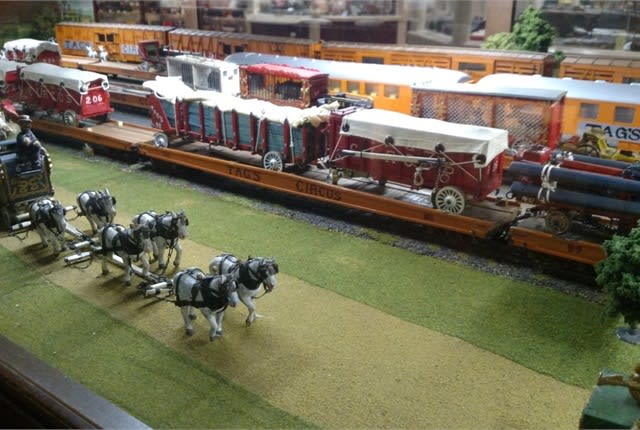
American circus crews quickly loaded and unloaded their equipment from railcars, impressing the Wehrmacht's then-Capt. Erwin Rommel before World War II.
Another early adopter of piggyback was the circus industry. The National Toy Train Museum has a delightful display of circus wagons being pulled by multi-horse teams and loaded aboard flatcars, ready for movement to the next city. Loading and unloading was done quickly and efficiently.
While a Wehrmacht captain between the two world wars, Germany’s Field Marshall Erwin Rommel visited America and observed such activities. He considered them greatly useful in planning for the movement of military equipment, and they indeed proved to be in World War II.
So for me, there was much more to the National Toy Train Museum than toys. Check it out at www.nttmuseum.org and stop there if you can.
More Blog Posts

Pulsing Back-of-Trailer Lamps Aim to Prevent Crashes
Can the addition of a pulsing brake lamp on the back of a trailer prevent rear-end collisions? FMCSA seems to think so, if its exemptions are any indication.
Read More →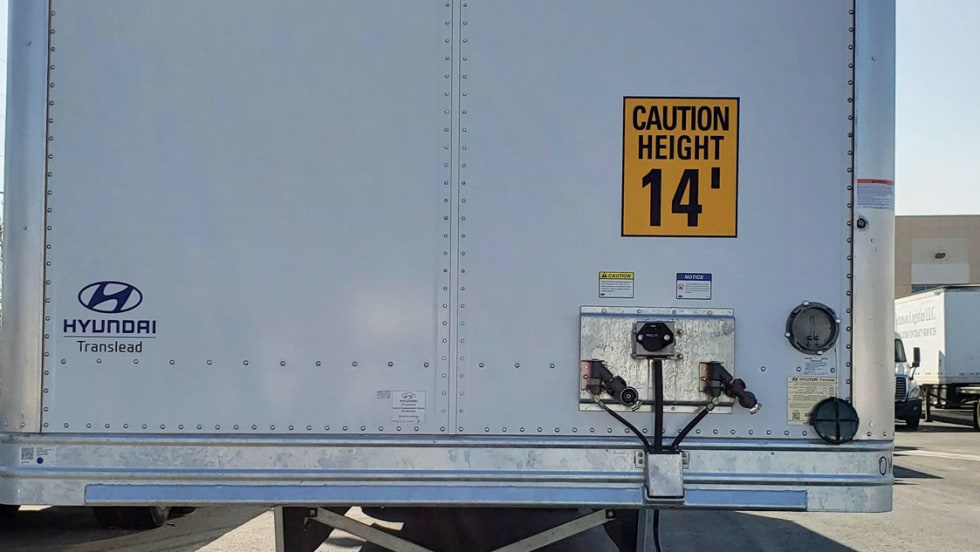
Designing a 14-Foot Trailer
Trailers are 13 feet, 6 inches high, right? Not for Hub Group, which developed a special 14-foot-high trailer spec for a dedicated customer based in California. Learn more in the Trailer Talk blog.
Read More →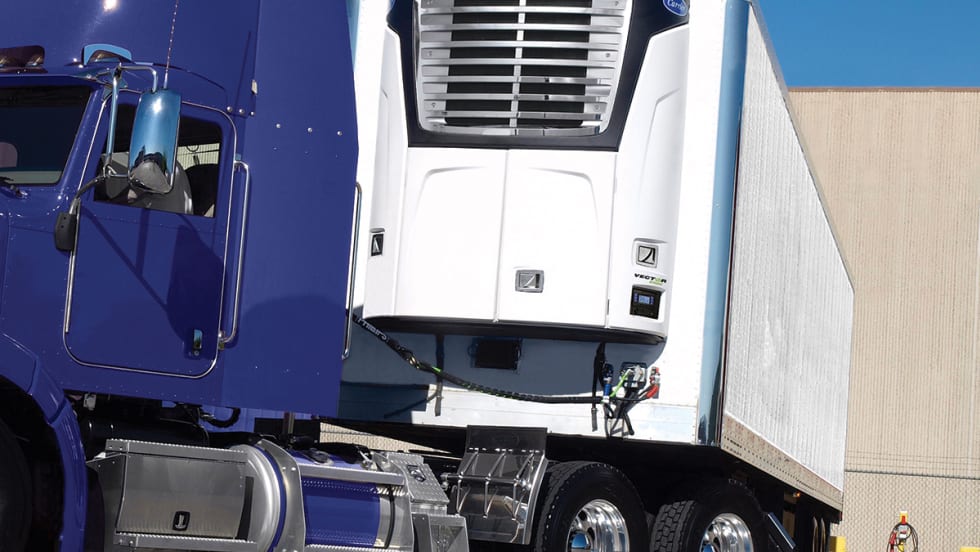
CARB Comes for Reefer Trailers
A new round of emissions control regulations decreed by the California Air Resource Board will begin affecting refrigerated trailer and TRU design and operations next year.
Read More →
5 Ways Data Analysis Maximizes the Value of Trailer Telematics
Are you getting the most out of your trailer telematics investment?
Read More →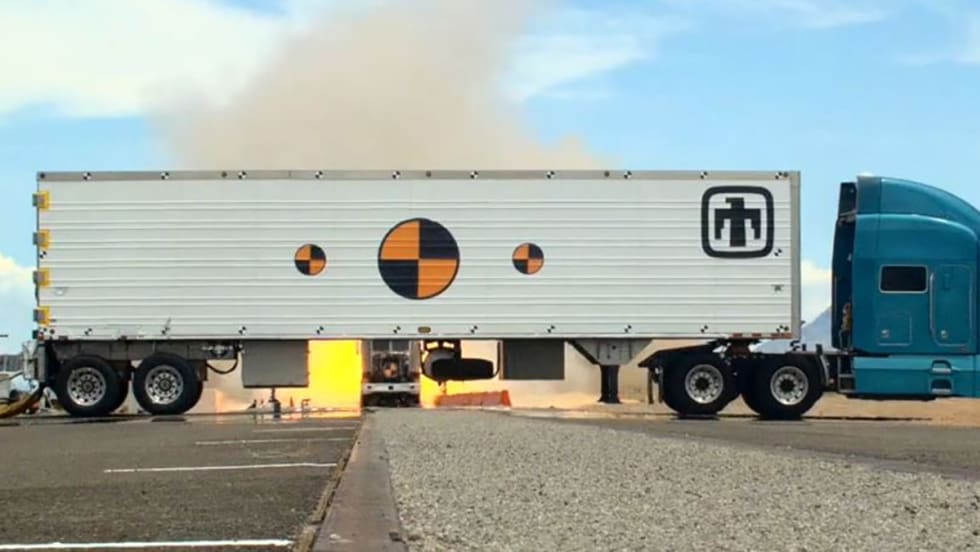
Can You Guess What's in That Trailer?
You don’t always know what’s in the trailers that pass you on the road. But some of those trailers are carrying something a little more dangerous that frozen food or new bedding…like, maybe, a nuclear weapon. But this isn’t an ordinary trailer; this is a trailer specifically made to not only carry this type of payload, but protect it at all costs.
Read More →
How Trailers Are Harnessing 'Free' Energy
Can trailers play a more active role in sustainable transport beyond aerodynamic add-ons or low-rolling-resistance tires? Some companies think so.
Read More →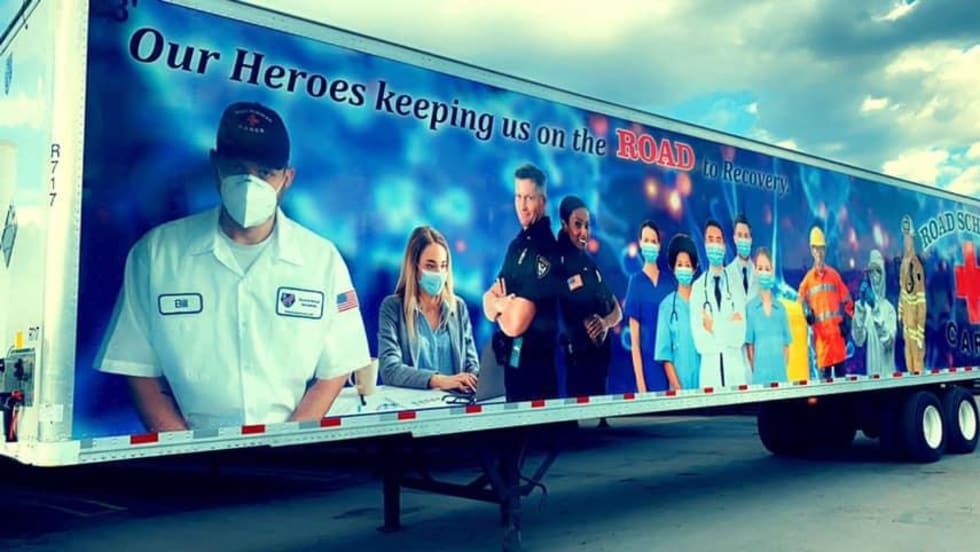
Wrapping a Trailer for COVID’s Everyday Heroes
“We don’t only deliver freight. We deliver awareness.” That’s what Jim Barrett, president and CEO of Road Scholar Transport, likes to say about the Dunmore, Pennsylvania-based carrier’s “awareness fleet.” Its latest trailer wrap honors the everyday heroes of the pandemic.
Read More →
How a Tanker Fleet is Using Unorthodox Trailer Lighting to Fight Rear-End Collisions
Groendyke Transport watched the number of rear-end collisions with its trailers rise steadily until it tried an unorthodox and then unapproved method of alerting following drivers that its trucks were applying brakes and slowing down.
Read More →
The Role Trailers are Playing in COVID-19 Funerals
In places such as New York City and Detroit, overwhelmed hospitals and mortuaries are using refrigerated trailers to store the bodies of people killed by COVID-19.
Read More →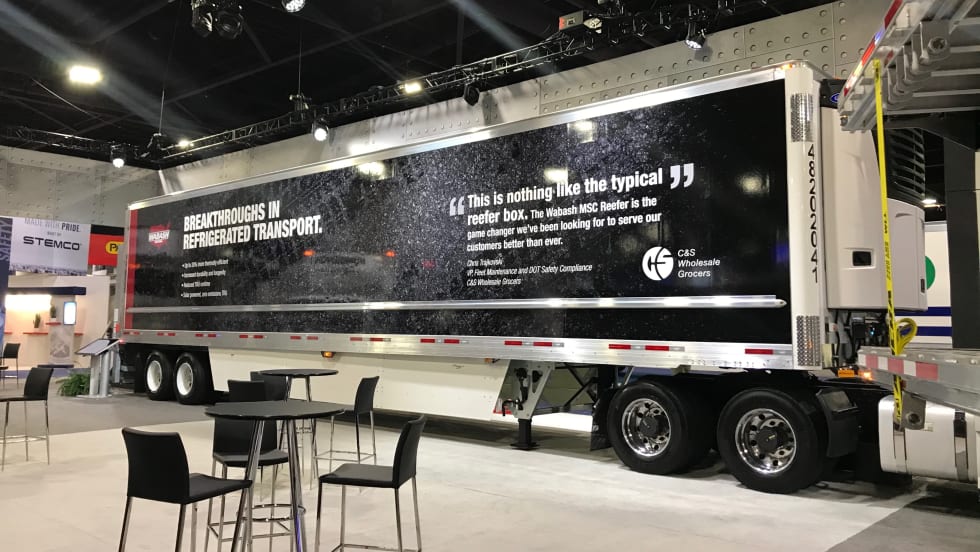
Reefer Trailer Aims to Help Reach Zero Emissions
Wabash National is partnering with C&S Wholesale Grocers to test a new type of zero-emissions refrigerated trailer.
Read More →