




Phase 2 GHG Regs for Trailers Both Simple and Complex
Trailers have long been regulated for safety. But trailers’ contributions to fuel economy and reduced emissions are new matters for for federal authorities.

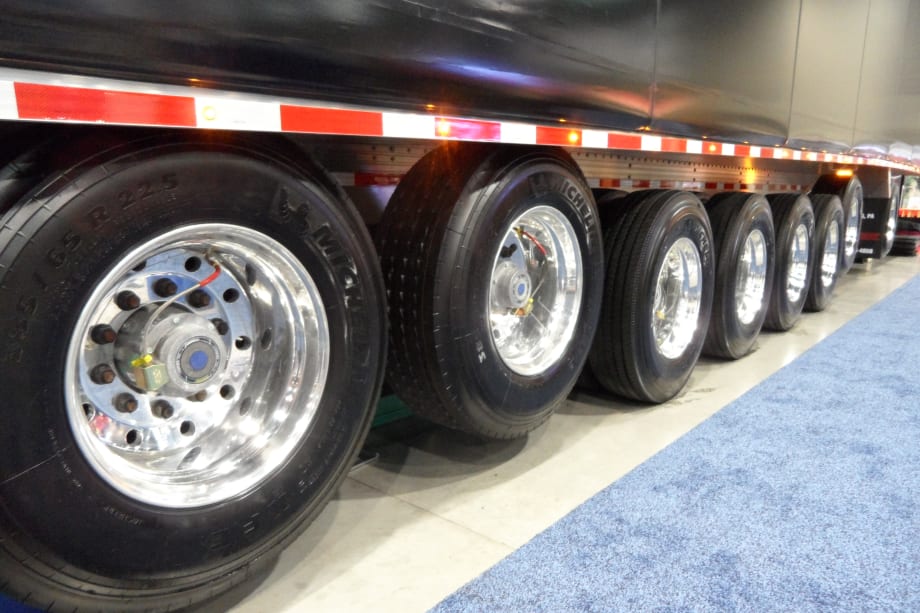
Flatbeds, among the vocational trailers newly regulated for fuel economy and emissions by the federal Phase 2 rules, will need tire pressure management devices and low rolling-resistance tires to comply. Photo: Tom Berg

Last week the feds released their final rules for Phase 2 heavy-duty vehicle fuel-efficiency and greenhouse gas standards, which go into effect in 2018 and run through 2027. There’s much to digest from the 1,700-page document, and we’re getting help from truck and trailer builders and interested organizations and are publishing stories elsewhere on TruckingInfo.com.
Trailers, the subject of this weekly blog, have long been regulated for safety. But trailers’ contributions to fuel economy and reduced emissions are new matters for the federal Environmental Protection Agency and the National Highway Traffic Safety Administration, the agencies that jointly researched and wrote the rules. That caught the attention of the International Council on Clean Transportation, a “green” think tank based in San Francisco.
“By far the most significant new addition into the regulation are the trailers hauled by heavy-duty tractor trucks,” wrote Ben Sharpe, a principal researcher at ICCT, in a blog. “Trailers were not included in the [current] Phase 1 rule, and their inclusion in Phase 2 helped to squeeze an extra half a mile per gallon out of tractor-trailers.
“Ok, so what?” he continues. “Well, for the vehicles affected by the regulation, adding an extra 0.5 mpg across the entire tractor-trailer fleet in the U.S. translates to a reduction of about 7 billion gallons of diesel and 100 million metric tons of CO2. That’s roughly the same as taking all of the passenger cars and trucks in California off the road for an entire year! So including trailers in Phase 2 is indeed a big deal.”

What trailer types are affected? As suggested in last year’s Phase 2 proposals, they’re mainly box-type dry and refrigerated vans, Sharpe says. They’ll have to use gap reducers, trailer skirts, boat tail devices and other aero improvers. This can get complex and trailer manufacturers will have to figure out what exactly is required to attain the improved performance demanded by the regs.
Levels of performance, called “bins,” will phase in over the term of the Phase 2 period. As time goes on, higher levels must be attained, requiring more and more sophisticated devices and maybe smoother basic shapes (see illustrations).

Many vocational-type trailers must also make improvements. Sharpe mentions flatbeds, tankers, grain haulers, auto transporters, and container chassis, but there are more types affected. For them it’s simple, if not cheap. They’ll have to use low-rolling-resistance tires and automatic tire-pressure management devices.
As with box trailers, manufacturers will install devices as the rules require. Truck owners and operators will not be responsible for installing them, though they’ll probably have a say in what’s used and might be required to keep everything in good repair.
“Our research in the U.S. and Canada has shown that the cost of trailer fuel-saving technologies has dropped considerably in the past 5-7 years,” Sharpe says. “This has made the economics quite attractive for a number of fleets, even in the absence of regulation, as we’ve seen uptake of these technologies continue to accelerate in recent years.
“With the Phase 2 regulation, trailers in the U.S. become the first in the world to be regulated based on their impact on fuel efficiency and carbon emissions. The rule ensures the accelerated adoption of proven cost-effective efficiency technologies for trailers and also encourages continued innovation in tires, aerodynamics, and weight reduction. …
“Trailers in the U.S. will be leading the world on getting fuel-saving technologies on the road that are a major boon to trucking fleets and society as a whole.”
More Blog Posts
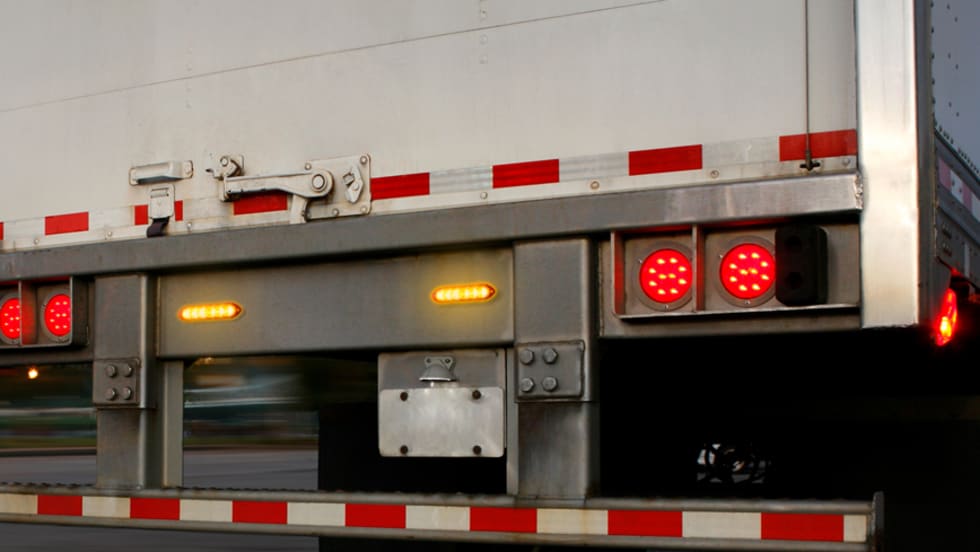
Pulsing Back-of-Trailer Lamps Aim to Prevent Crashes
Can the addition of a pulsing brake lamp on the back of a trailer prevent rear-end collisions? FMCSA seems to think so, if its exemptions are any indication.
Read More →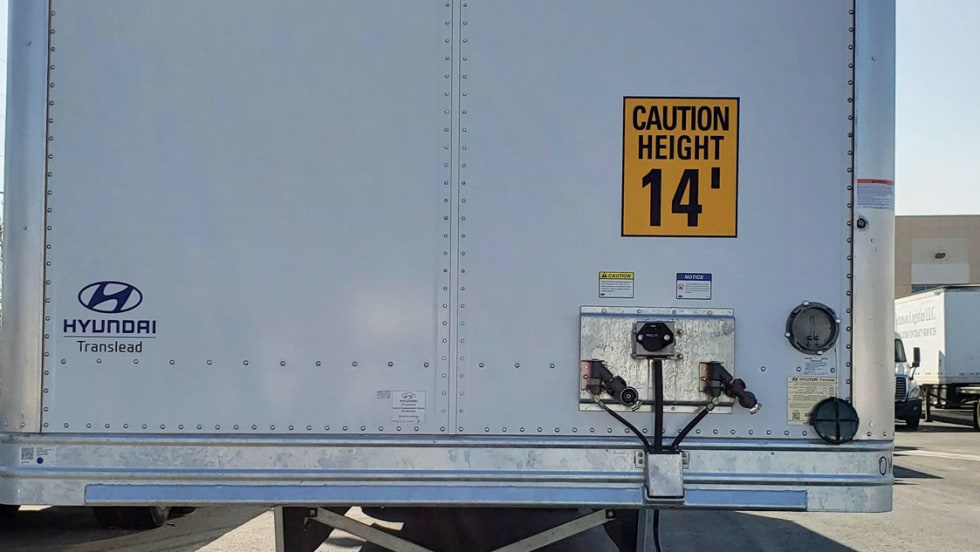
Designing a 14-Foot Trailer
Trailers are 13 feet, 6 inches high, right? Not for Hub Group, which developed a special 14-foot-high trailer spec for a dedicated customer based in California. Learn more in the Trailer Talk blog.
Read More →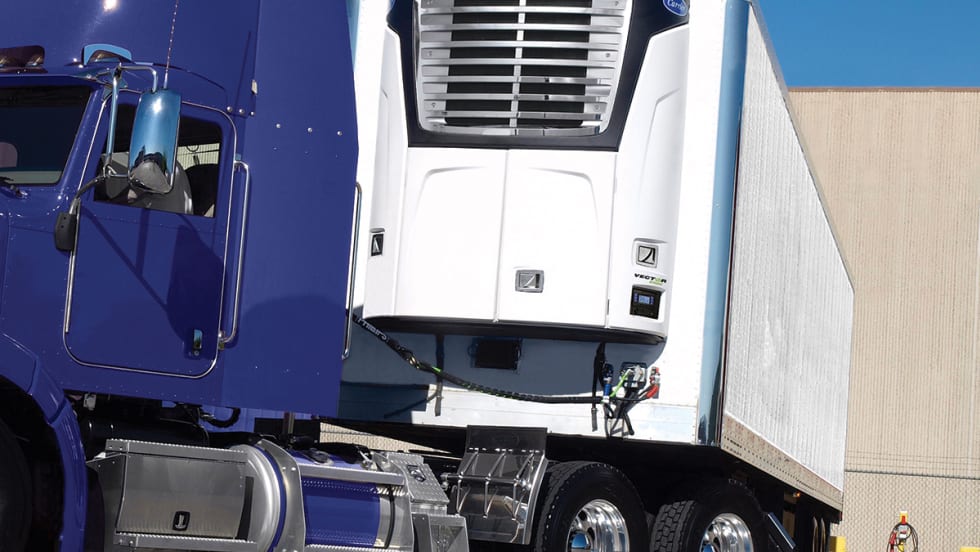
CARB Comes for Reefer Trailers
A new round of emissions control regulations decreed by the California Air Resource Board will begin affecting refrigerated trailer and TRU design and operations next year.
Read More →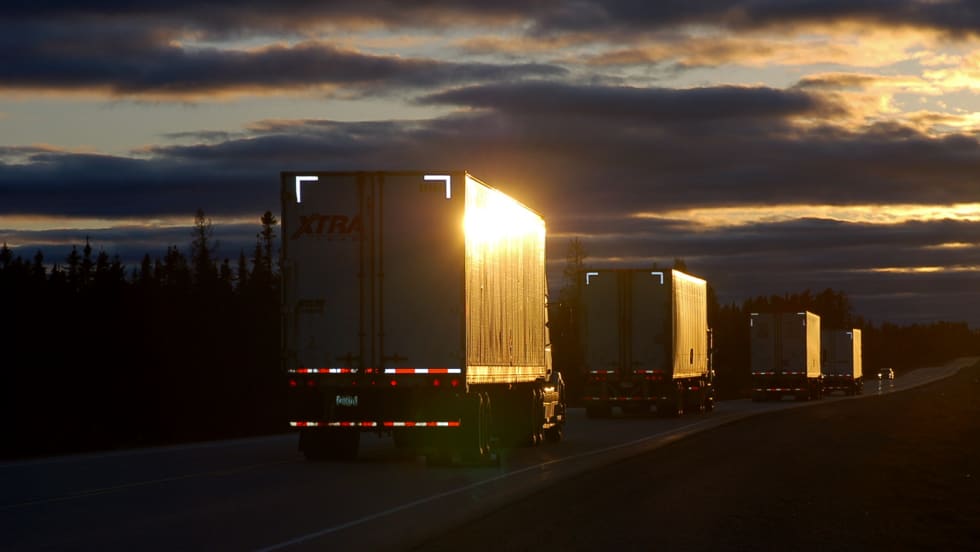
5 Ways Data Analysis Maximizes the Value of Trailer Telematics
Are you getting the most out of your trailer telematics investment?
Read More →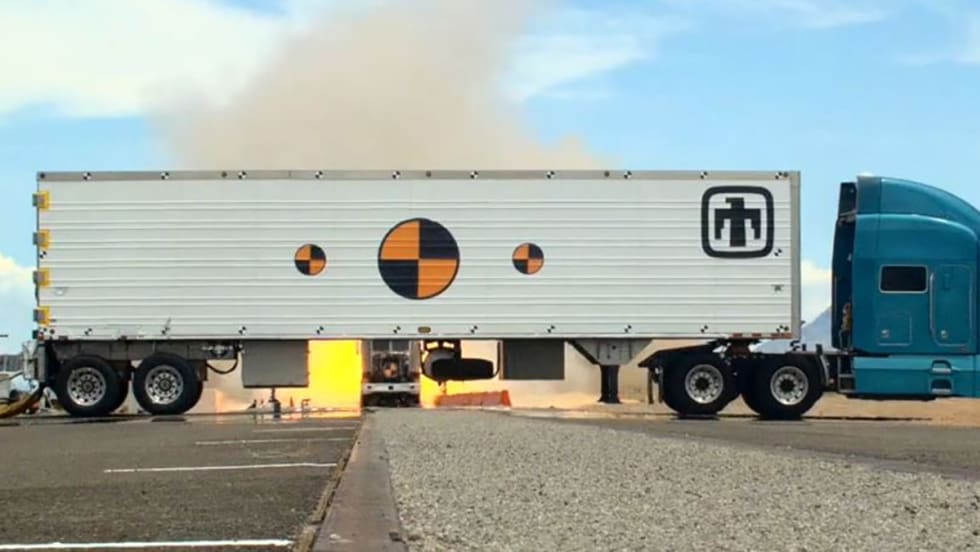
Can You Guess What's in That Trailer?
You don’t always know what’s in the trailers that pass you on the road. But some of those trailers are carrying something a little more dangerous that frozen food or new bedding…like, maybe, a nuclear weapon. But this isn’t an ordinary trailer; this is a trailer specifically made to not only carry this type of payload, but protect it at all costs.
Read More →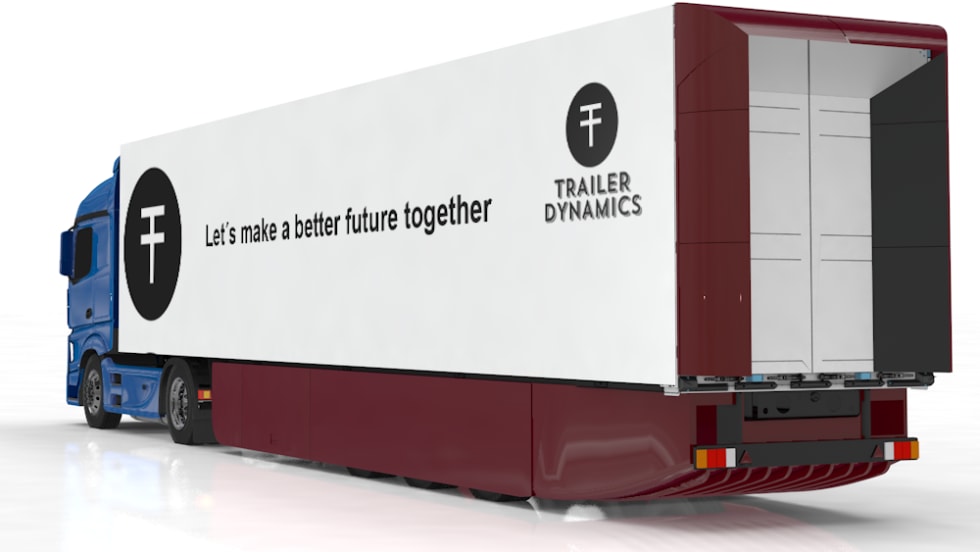
How Trailers Are Harnessing 'Free' Energy
Can trailers play a more active role in sustainable transport beyond aerodynamic add-ons or low-rolling-resistance tires? Some companies think so.
Read More →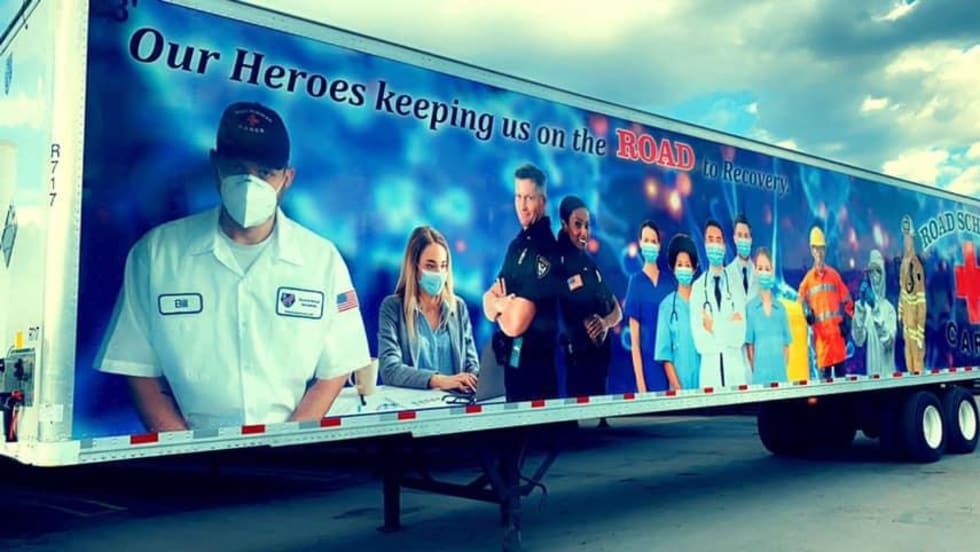
Wrapping a Trailer for COVID’s Everyday Heroes
“We don’t only deliver freight. We deliver awareness.” That’s what Jim Barrett, president and CEO of Road Scholar Transport, likes to say about the Dunmore, Pennsylvania-based carrier’s “awareness fleet.” Its latest trailer wrap honors the everyday heroes of the pandemic.
Read More →
How a Tanker Fleet is Using Unorthodox Trailer Lighting to Fight Rear-End Collisions
Groendyke Transport watched the number of rear-end collisions with its trailers rise steadily until it tried an unorthodox and then unapproved method of alerting following drivers that its trucks were applying brakes and slowing down.
Read More →
The Role Trailers are Playing in COVID-19 Funerals
In places such as New York City and Detroit, overwhelmed hospitals and mortuaries are using refrigerated trailers to store the bodies of people killed by COVID-19.
Read More →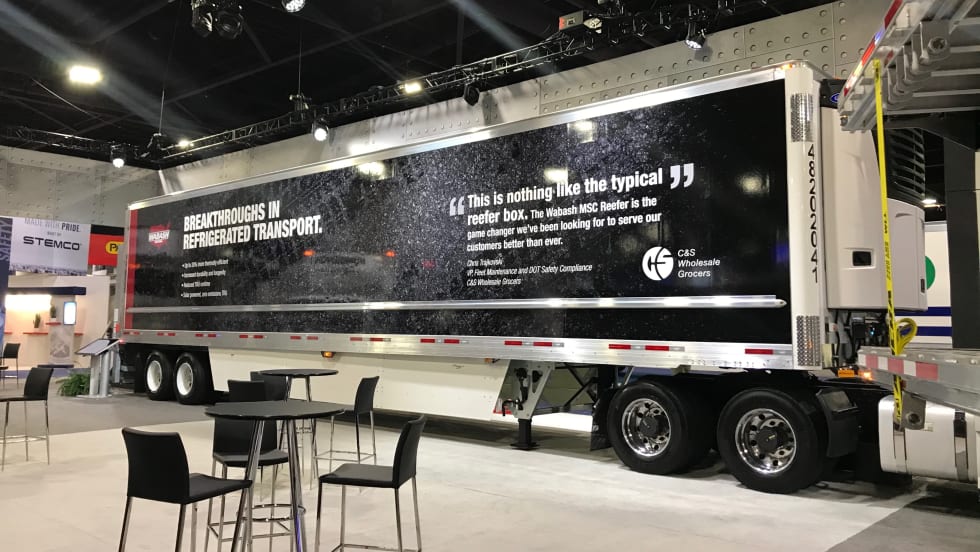
Reefer Trailer Aims to Help Reach Zero Emissions
Wabash National is partnering with C&S Wholesale Grocers to test a new type of zero-emissions refrigerated trailer.
Read More →