




One Kingpin Locked, Another Bare in North Carolina
This intelligently locked reefer trailer was parked in a small truckstop in western North Carolina. Three slots away was a loaded flatbed with its kingpin bare, just waiting to be swiped.

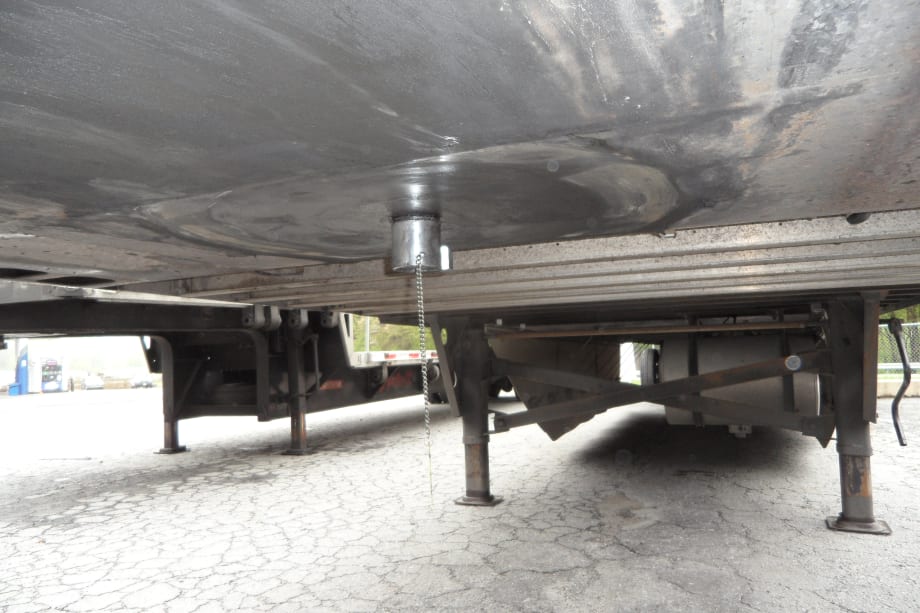
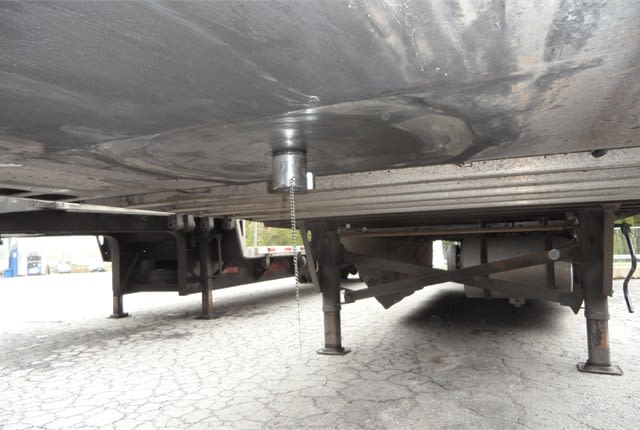
See the kingpin lock in place on that parked reefer trailer? That’s what I’m talkin’ about – or did, in a previous blog about trailers sitting in public places just ready to be pulled away by anybody
I spotted this intelligently locked trailer last week at a small truckstop near Asheville in western North Carolina. I had pulled in there with a Volvo VNX heavy-haul tractor and parked it and its loaded East flatbed before going into the building with my Volvo hosts to take a break.
On the way back to the rig I glanced at the reefer and saw the kingpin lock in place. “All right!” I said. “That just makes so much sense.”
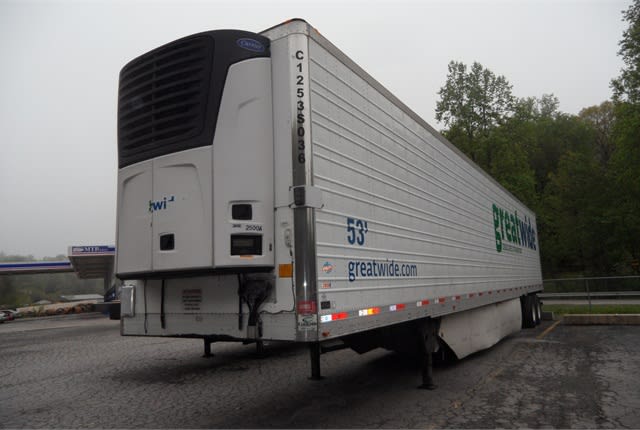
By the unladen look of its tires and the silent reefer unit it appeared to be empty. Even so, the Utility trailer and Carrier reefer are worth what -- $35,000 or $40,000 new? Why not protect it from theft instead of returning to re-hook and finding it gone? Wouldn’t it be embarrassing to have to call that in?
A manager at Greatwide Transportation, the trailer’s owner, said that “using kingpin locks is not mandatory but is something left up to each individual driver.” So, here’s an atta-boy to the driver who slapped this lock in place.
By contrast, three slots away was a dropdeck flat with a load of structural steel and who-knows-what under a tarp on its nose. Its kingpin was bare and just begging to be clamped onto by a fifth wheel and tractor driven by a soulless creep.
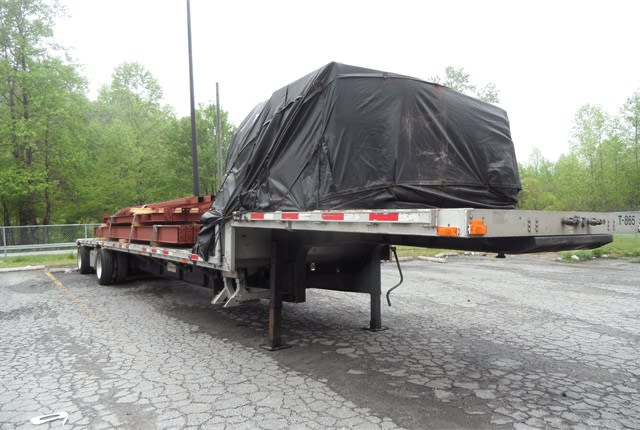
What was the clean Transcraft steel-and-aluminum trailer and its load worth -- $100,000? Why would anyone park something like that without securing it? I saw no company markings on the trailer so couldn’t call anyone to ask.
At about $20 to $90, a kingpin lock isn’t that expensive, especially compared to the worth of a trailer and its cargo. Sure, it won’t seriously discourage someone who really wants to steal this particular trailer because he wants what’s inside. But for somebody more casual, a lock might send him looking for something easier to swipe.
More Blog Posts
Pulsing Back-of-Trailer Lamps Aim to Prevent Crashes
Can the addition of a pulsing brake lamp on the back of a trailer prevent rear-end collisions? FMCSA seems to think so, if its exemptions are any indication.
Read More →
Designing a 14-Foot Trailer
Trailers are 13 feet, 6 inches high, right? Not for Hub Group, which developed a special 14-foot-high trailer spec for a dedicated customer based in California. Learn more in the Trailer Talk blog.
Read More →
CARB Comes for Reefer Trailers
A new round of emissions control regulations decreed by the California Air Resource Board will begin affecting refrigerated trailer and TRU design and operations next year.
Read More →
5 Ways Data Analysis Maximizes the Value of Trailer Telematics
Are you getting the most out of your trailer telematics investment?
Read More →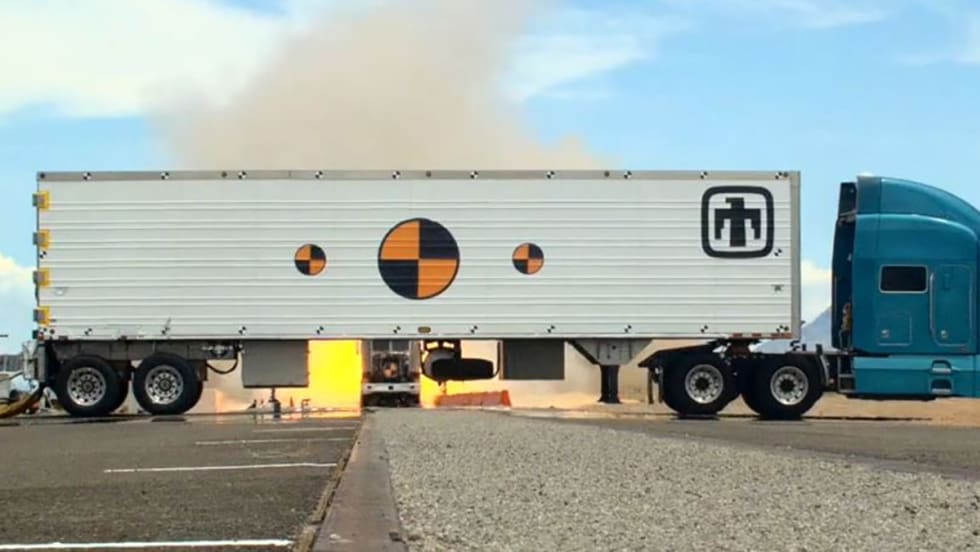
Can You Guess What's in That Trailer?
You don’t always know what’s in the trailers that pass you on the road. But some of those trailers are carrying something a little more dangerous that frozen food or new bedding…like, maybe, a nuclear weapon. But this isn’t an ordinary trailer; this is a trailer specifically made to not only carry this type of payload, but protect it at all costs.
Read More →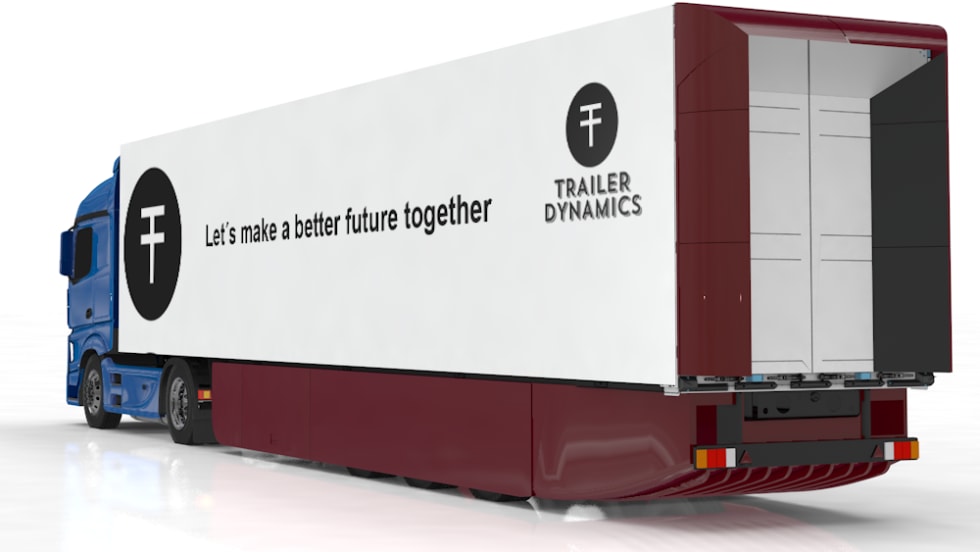
How Trailers Are Harnessing 'Free' Energy
Can trailers play a more active role in sustainable transport beyond aerodynamic add-ons or low-rolling-resistance tires? Some companies think so.
Read More →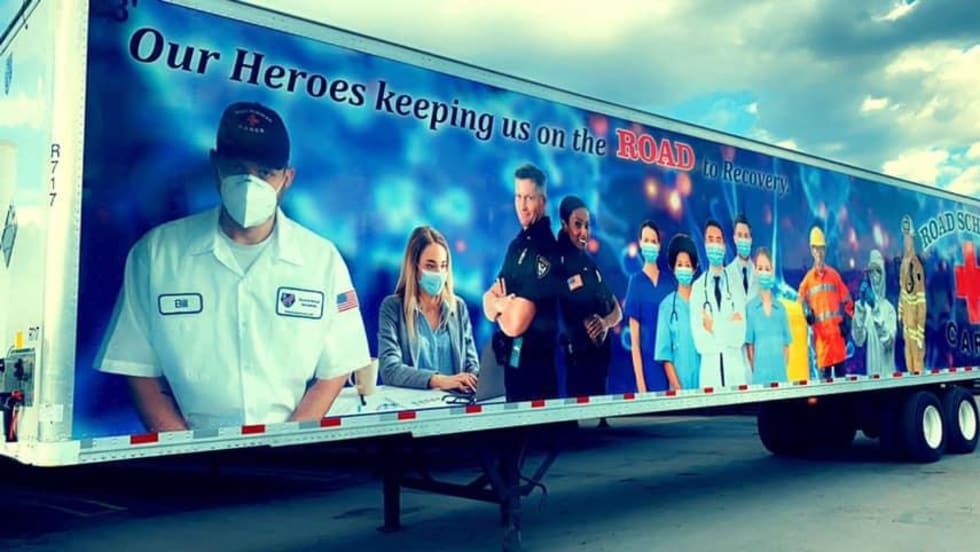
Wrapping a Trailer for COVID’s Everyday Heroes
“We don’t only deliver freight. We deliver awareness.” That’s what Jim Barrett, president and CEO of Road Scholar Transport, likes to say about the Dunmore, Pennsylvania-based carrier’s “awareness fleet.” Its latest trailer wrap honors the everyday heroes of the pandemic.
Read More →
How a Tanker Fleet is Using Unorthodox Trailer Lighting to Fight Rear-End Collisions
Groendyke Transport watched the number of rear-end collisions with its trailers rise steadily until it tried an unorthodox and then unapproved method of alerting following drivers that its trucks were applying brakes and slowing down.
Read More →
The Role Trailers are Playing in COVID-19 Funerals
In places such as New York City and Detroit, overwhelmed hospitals and mortuaries are using refrigerated trailers to store the bodies of people killed by COVID-19.
Read More →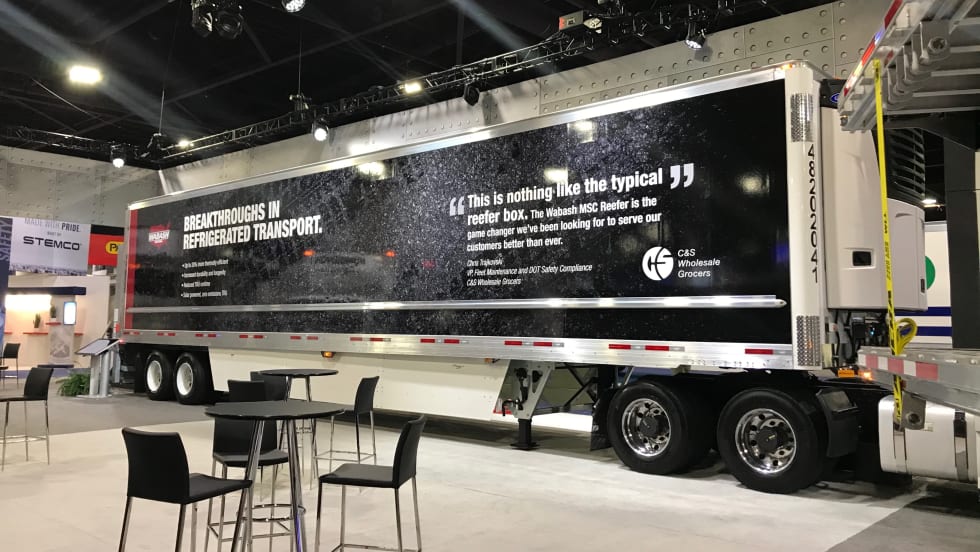
Reefer Trailer Aims to Help Reach Zero Emissions
Wabash National is partnering with C&S Wholesale Grocers to test a new type of zero-emissions refrigerated trailer.
Read More →