




Old Sayings Apply While Driving Through Bad Weather
Fog and whiteouts caused by blowing snow can often be anticipated by considering the time of the year and what regularly happens along certain stretches of roadway.


Maybe that container simply had to get there no matter what. But now its contents have been badly shaken up in this tipover.
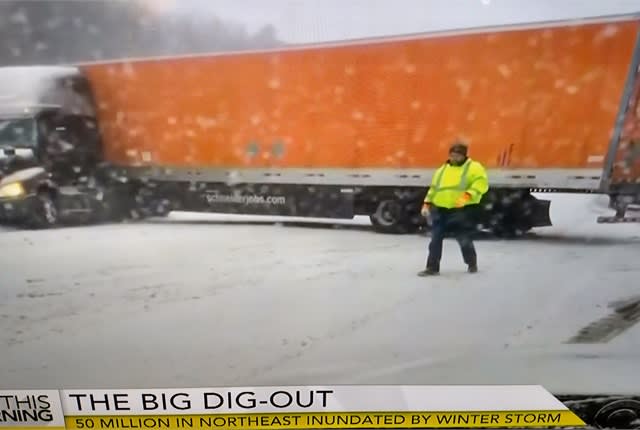
Jackknifes can occur fast and on snow and ice, and are very difficult to recover from. Photos: Tom Berg; from ABC and NBC newscasts.
In my long-ago truck driving days, I always managed to “keep it between the fence posts,” to use an old saying. That means in dry or sloppy weather, I kept trucks on or near the roadway. It doesn’t mean a truck never got away from me. That happened in the wee hours of a late winter morning, when light snow caused my truck to spin out, twice within a few minutes, on 90-degree curves.
The real cause was me driving too fast for conditions. Had I been driving a semi, it might not have ended well because pulling a trailer is far more tricky.
Newscasts within the last week, when blizzards hit the Northeast and elsewhere, showed a lot of scenes of jackknifed semis on various Interstates, and a few in ditches. While I didn’t have to pull trailers through snow and ice in Wisconsin winters, I sometimes whined about traffic, idiot car drivers, and the weather.
My boss, a former driver, once lectured, “You’re the one who’s supposed to be in control of the truck. If you get into trouble, you’re the one who’s responsible.” Funny thing: Police tend to see it that way, too. My boss could’ve added that for every truck and driver that comes to grief along a certain stretch of road, there are many that don’t. They must’ve done something right.
Slow way down in blinding conditions? Sure, but not so suddenly that you get rear-ended. Even better, park the truck in a safe place, like a truck stop, customer’s yard (if they’ll allow it), or rest area, and wait out the storm. Or seek a way around it. Watching weather forecasts, particularly those of a local and regional nature, can tip off drivers and, more importantly, their supervisors that conditions are risky and alterations should be made to normal operations.
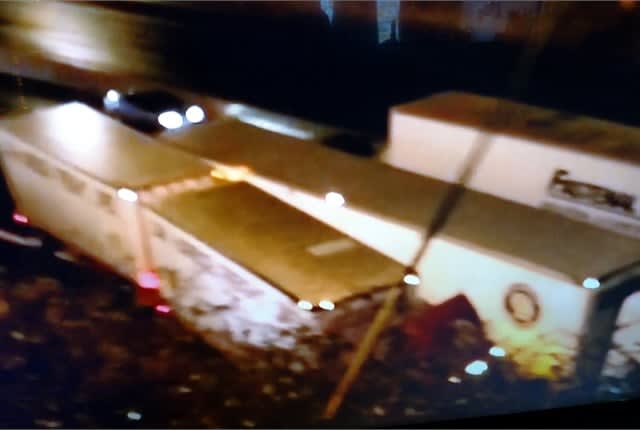
These trucks and cars collided after suddenly encountering ice. Could heeding weather forecasts have allowed drivers to avoid this situation?
Fog and whiteouts caused by blowing snow can often be anticipated by considering the time of the year and what regularly happens along certain stretches of roadway. For instance, some highways in the Upper Midwest and Northeast are subject to lake-effect snow accompanied by high winds, said John Woodroofe, director of vehicle research at the University of Michigan’s Transportation Research Center, in a presentation to private fleet managers a couple of years ago.
Whiteouts should be no surprise, especially because state transportation departments issue advisories that conditions are ripe for them to happen. Owners of the tractor-trailers involved in multi-vehicle pileups under such conditions ought to ask themselves, “Should my truck have been on the highway that day? Wouldn’t it be wiser to pause operations or reroute trucks away from the affected areas?”
The pressure to deliver freight on time causes drivers and dispatchers to want to push through no matter what the weather. That pressure can be lessened by bad-weather protocol that involves the entire company, from dispatch and operations right up to top executives, said Woodroofe.
“We need a driver protocol for fog and whiteout conditions, which covers what they should do when they suddenly encounter zero visibility,” or severe weather in general, he advised. Shippers and receivers should be involved so they understand that delivery delays are far better than their goods being scattered across the site of a bad wreck.
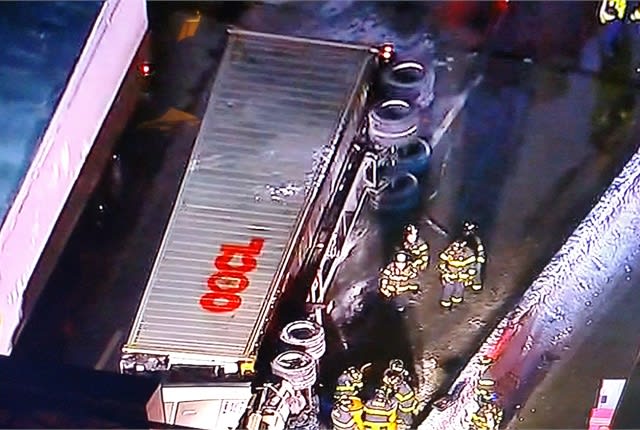
Maybe that container simply had to get there no matter what. But now its contents have been badly shaken up in this tipover.
Having said all that, I must note that what I hauled were newspapers, one of the more perishable commodities around. So we went, no matter what the weather. Maybe you must do the same with whatever you’re carrying. So, another addage applies: “Be careful out there.”
More Blog Posts
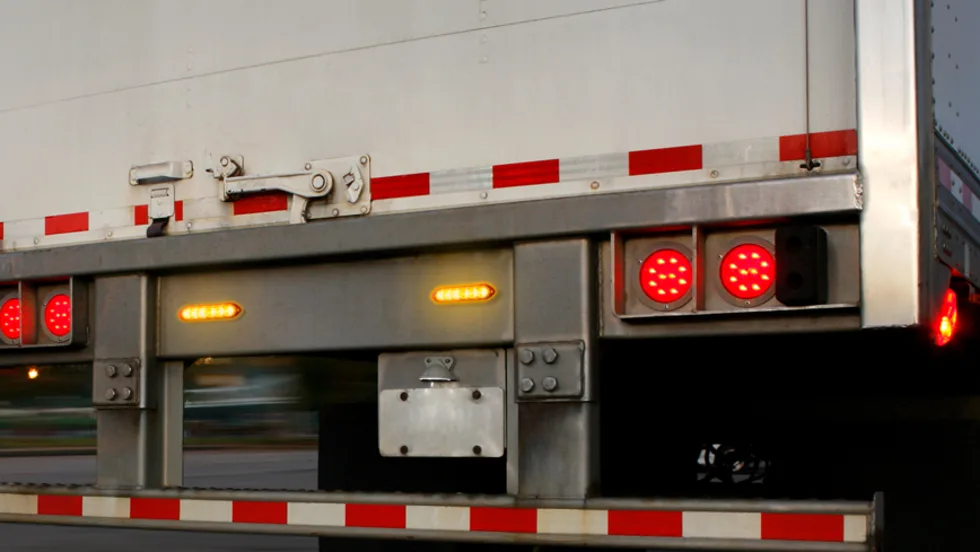
Pulsing Back-of-Trailer Lamps Aim to Prevent Crashes
Can the addition of a pulsing brake lamp on the back of a trailer prevent rear-end collisions? FMCSA seems to think so, if its exemptions are any indication.
Read More →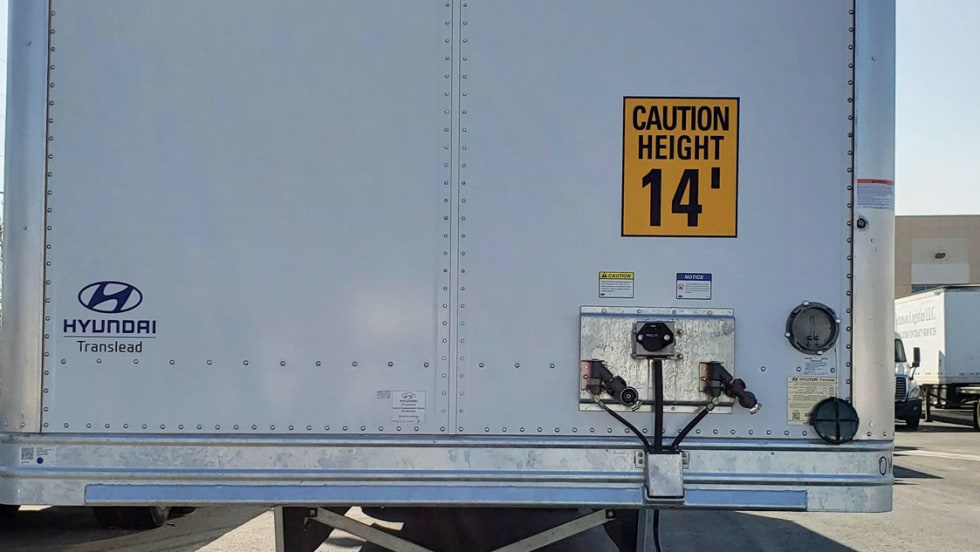
Designing a 14-Foot Trailer
Trailers are 13 feet, 6 inches high, right? Not for Hub Group, which developed a special 14-foot-high trailer spec for a dedicated customer based in California. Learn more in the Trailer Talk blog.
Read More →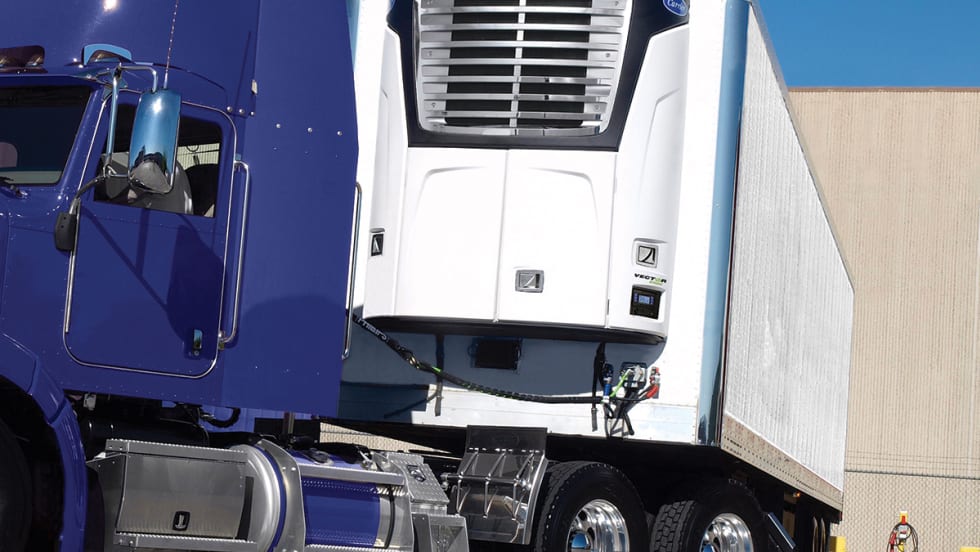
CARB Comes for Reefer Trailers
A new round of emissions control regulations decreed by the California Air Resource Board will begin affecting refrigerated trailer and TRU design and operations next year.
Read More →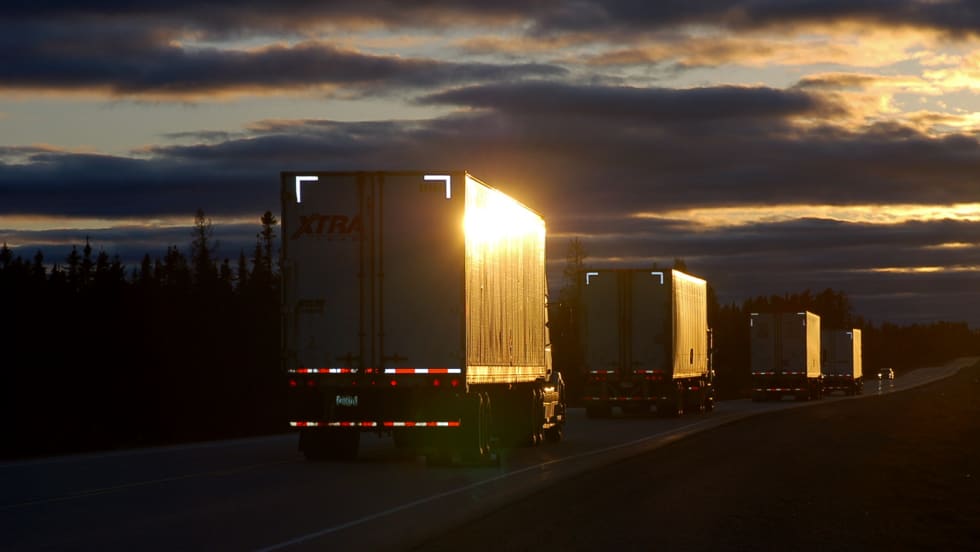
5 Ways Data Analysis Maximizes the Value of Trailer Telematics
Are you getting the most out of your trailer telematics investment?
Read More →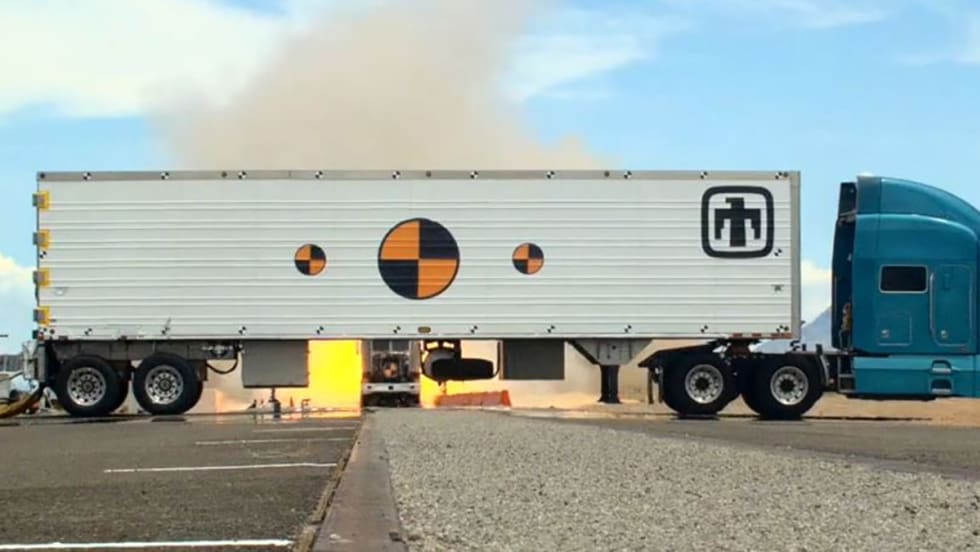
Can You Guess What's in That Trailer?
You don’t always know what’s in the trailers that pass you on the road. But some of those trailers are carrying something a little more dangerous that frozen food or new bedding…like, maybe, a nuclear weapon. But this isn’t an ordinary trailer; this is a trailer specifically made to not only carry this type of payload, but protect it at all costs.
Read More →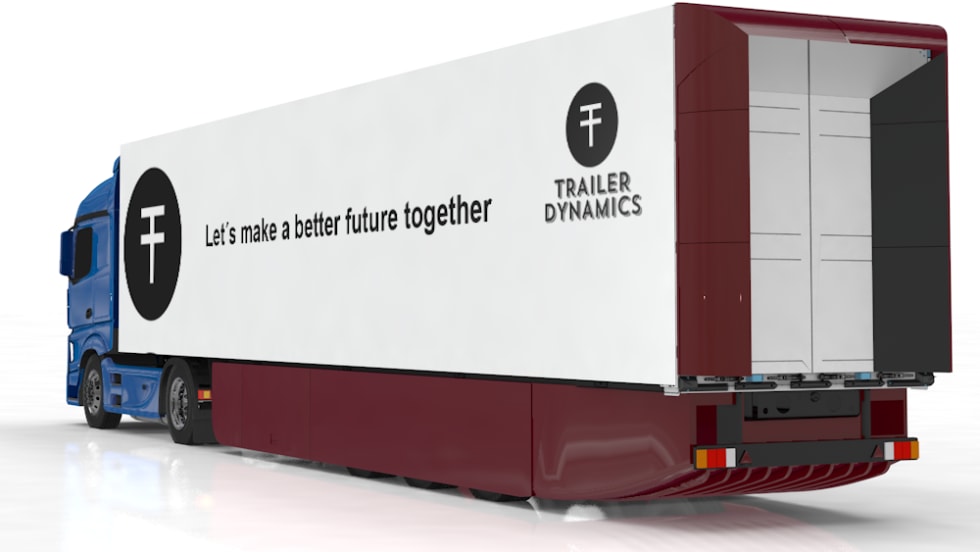
How Trailers Are Harnessing 'Free' Energy
Can trailers play a more active role in sustainable transport beyond aerodynamic add-ons or low-rolling-resistance tires? Some companies think so.
Read More →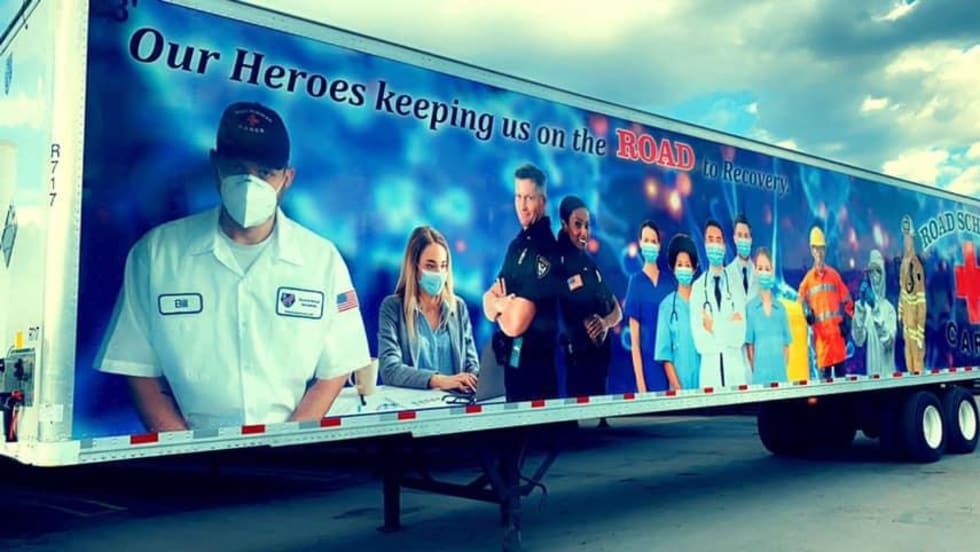
Wrapping a Trailer for COVID’s Everyday Heroes
“We don’t only deliver freight. We deliver awareness.” That’s what Jim Barrett, president and CEO of Road Scholar Transport, likes to say about the Dunmore, Pennsylvania-based carrier’s “awareness fleet.” Its latest trailer wrap honors the everyday heroes of the pandemic.
Read More →
How a Tanker Fleet is Using Unorthodox Trailer Lighting to Fight Rear-End Collisions
Groendyke Transport watched the number of rear-end collisions with its trailers rise steadily until it tried an unorthodox and then unapproved method of alerting following drivers that its trucks were applying brakes and slowing down.
Read More →
The Role Trailers are Playing in COVID-19 Funerals
In places such as New York City and Detroit, overwhelmed hospitals and mortuaries are using refrigerated trailers to store the bodies of people killed by COVID-19.
Read More →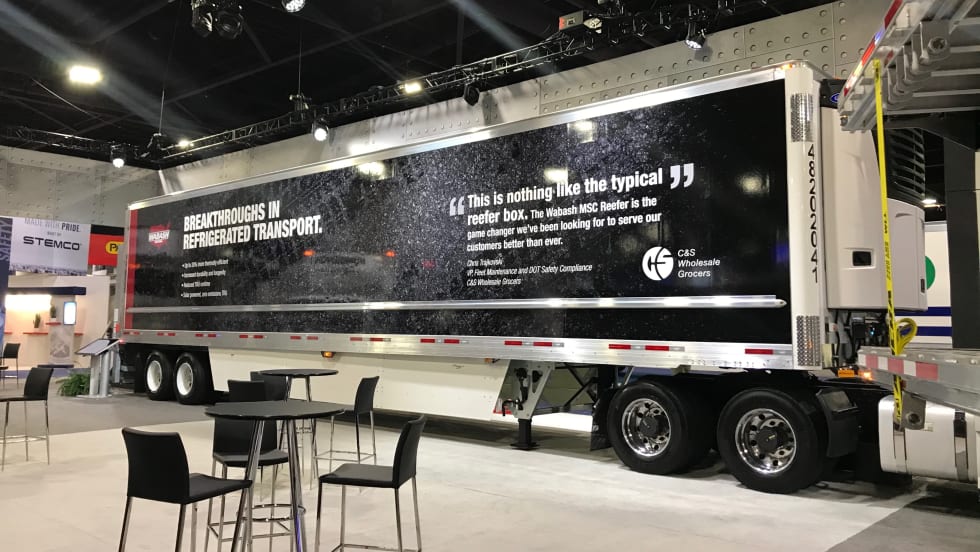
Reefer Trailer Aims to Help Reach Zero Emissions
Wabash National is partnering with C&S Wholesale Grocers to test a new type of zero-emissions refrigerated trailer.
Read More →