




Oil and Gas Industry Shake-up
America's booming domestic oil and gas industry is not as booming as it was. Lower oil prices have left some wells unfinished, and new reports from geologists this week raise concern about the effect of the oil and gas boom on the planet. Deborah Lockridge's "All That's Trucking" blog explores the latest news.


Fracturing operation in the Bakken Formation. Photo: Joshua Doubek
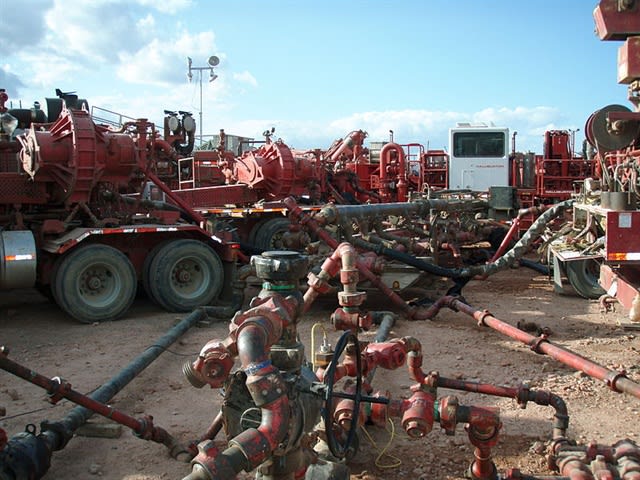
Fracturing operation in the Bakken Formation.Photo: Joshua Doubek
America's booming domestic oil and gas industry is made possible through technologies such as horizontal drilling and hydraulic fracturing. Trucking has enjoyed lower fuel prices and a boom for those carriers involved in hauling sand, water, equipment and more to and from drilling sites.
However, those lower oil prices have left some wells unfinished, with one fracking executive this week predicting half of all fracking companies will be gobbled up or out of business by the end of the year. And new reports from national and state geologists raise concern about the effect of the oil and gas boom on the planet.
Earthquake!
For the first time this week, the U.S. Geological Survey unveiled a map of earthquakes believed to be triggered by human activity in the eastern and central United States.
Seismic activity has increased in Oklahoma, Texas, Kansas, Colorado, New Mexico and Ohio. All of the areas highlighted on the map “are located near deep fluid injection wells or other industrial activities capable of inducing earthquakes,” the study said.
The New York Times has an excellent article delving into the very technical USGS report.
Oklahoma, the worst-hit state, last year had more earthquakes magnitude 3 or higher than California.
This week, the Oklahoma Geological Survey issued its most strongly worded statement yet linking the oil and gas industry to the state’s earthquakes, saying the spike in seismic activity is “very unlikely to represent a naturally occurring process.”
However, it said the primary suspect was not hydraulic fracturing itself, but "the injection/disposal of water associated with oil and gas production," or dewatering.
For the dewatering process, extremely salty water, which coexists with oil and gas below the Earth’s surface, is separated from those substances after extraction. Then barrels of wastewater are deposited into wells far deeper than their point of origin.
Some of this wastewater is a byproduct of hydraulic fracturing, or fracking: a process in which high-pressure liquids are blasted beneath the ground to fracture rock, releasing natural gas. But fracking only accounts for a small percentage of the water deposited in these wells.
Much of the wastewater, with much higher salinity levels than ocean water, travels many miles away from its injection site and seeps into the underlying crystalline basement; such permeability makes it difficult to link a specific well with seismic activity.
It can take anywhere from weeks to more than a year of this water pouring in before it triggers naturally occurring stresses in the Earth — causing earthquakes.
Lower oil prices
Meanwhile, the U.S. oil and gas business is already suffering from the effect of lower oil prices. Low oil prices have spurred companies to leave fracking wells uncompleted.
Rob Fulks, pressure pumping marketing director at Weatherford, the fifth-largest fracking operation in the U.S., has been forced to cut costs “dramatically” in response to lower demand, and we're seeing consolidation already among bigger players.
He told Bloomberg this week that half of all fracking companies will be out of business or sold by the end of this year.
More Blog Posts

Beyond the Central Transport Settlement: Lessons on Hiring and Risk
The $5.5 million discrimination settlement raises broader questions about hiring practices, safety performance, and the hidden risks that can lurk in a fleet's recruiting process.
Read More →
Are Diesel Shortages Something to Worry About Again?
There’s a certain déjà vu when tensions flare in the Middle East and diesel price spikes can give you panic attacks. What parallels are there between the current situation and the 1970s energy crisis?
Read More →
NOx Isn’t Laughing Gas. Let’s Clear That Up.
A recent EPA reference mixed up NOx and nitrous oxide. It’s an easy mistake. Just not one you expect to see in emissions policy. Let’s look at the difference.
Read More →
TMC 2025 Takeaway 2: Buy... or Subscribe?
TaaS. Does that mean trucks as a service, trailers as a service, or tires as a service? HDT's Deborah Lockridge has another takeaway from the Technology & Maintenance Council meeting in her blog.
Read More →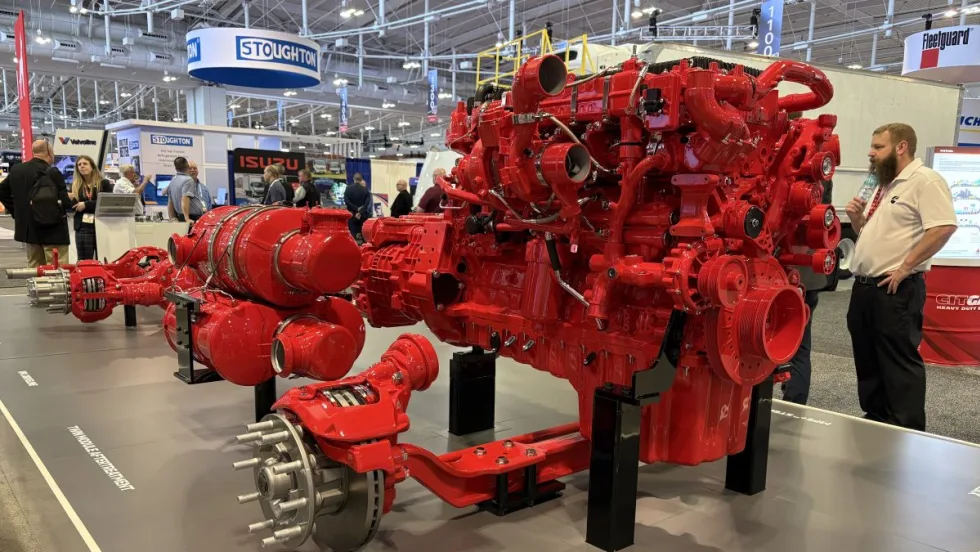
TMC 2025 Takeaway: The Journey Toward Vertical Integration
HDT's Deborah Lockridge on how the trucking industry has moved toward "vertical integration" over the past 25 years.
Read More →
Trucks Are For Girls!
HDT Editor and Associate Publisher Deborah Lockridge is a longtime Girl Scout leader and loves to connect her passion for inspiring girls with her love of the trucking industry.
Read More →
Trucking Advocacy: Impact Beyond the 2024 Elections
No matter who wins the election, trucking continues to work to educate the people who pass the laws and make the rules that affect the industry. HDT's Deborah Lockridge shares insights from two major trucking associations in her All That's Trucking blog.
Read More →
Recharge Your Brain for Better Business
Skimping on vacation may be the worst thing you can do for your business, your career, and your mental health. In her All That's Trucking blog, Deborah Lockridge writes about the importance of giving your brain what it needs to be innovative.
Read More →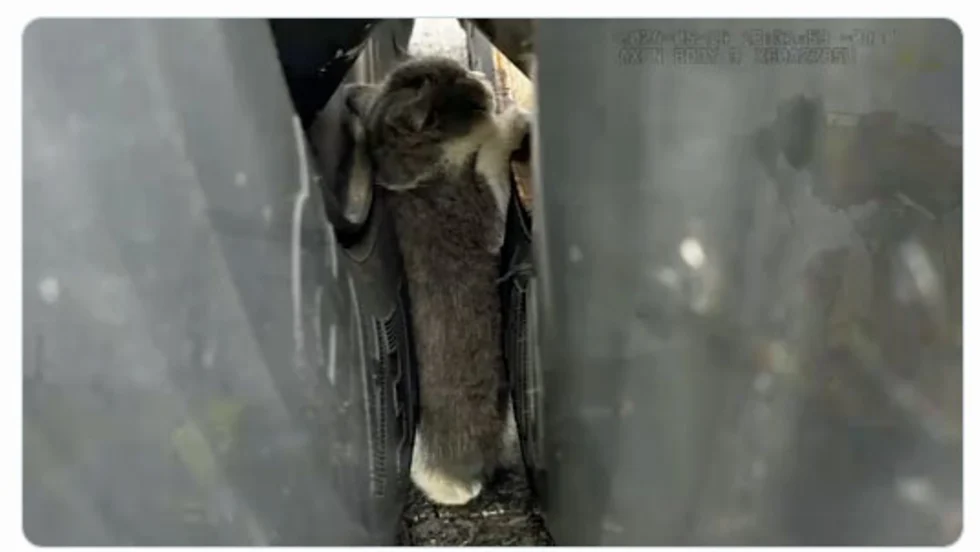
Trucker Pre-Trip Leads to Mission 'Im-paw-sible'
See what happened when a truck driver found an unexpected stowaway during his pre-trip inspection.
Read More →
HDT Editor: 2023's Most Important Trucking Topics
Read Deborah Lockridge's picks for the most significant stories we covered at HDT in 2023: freight recession, zero-emission trucks, drivers and marijuana, and more.
Read More →