




Lights Help with Hooking Up, But Inspections Still Necessary
There’s dropping trailers, as in hook-and-drop operations, and there’s dropping a trailer, as in whoops! In his Trailer Talk blog, Tom Berg looks at two recent product announcements aimed at addressing the potential of trailers coming loose from fifth wheels.

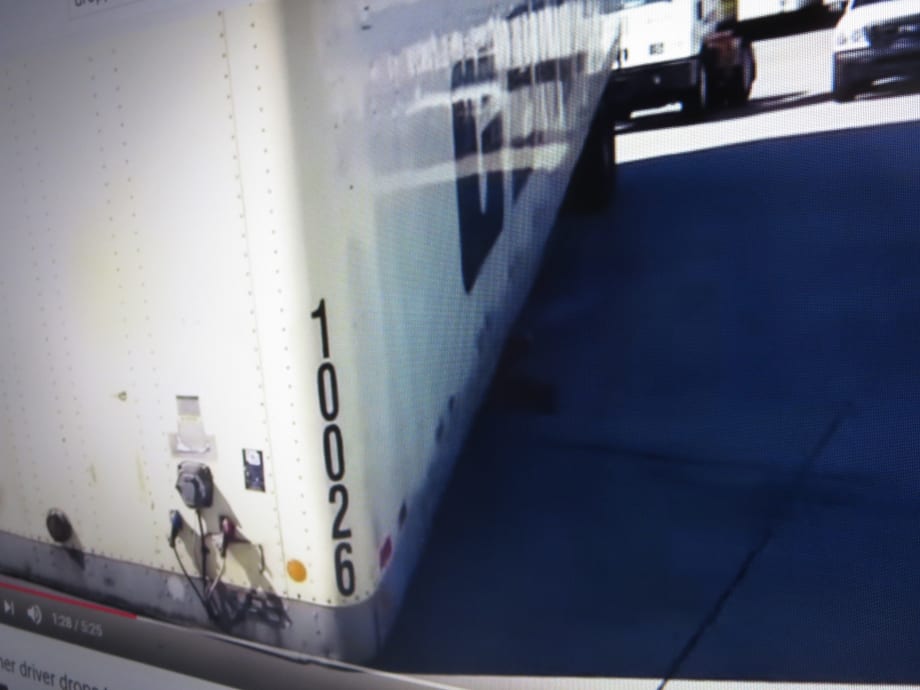
Whoops! Landing gear collapsed and the trailer fell on its nose as a tractor pulled away. Photo: "Trailer James" via YouTube.com
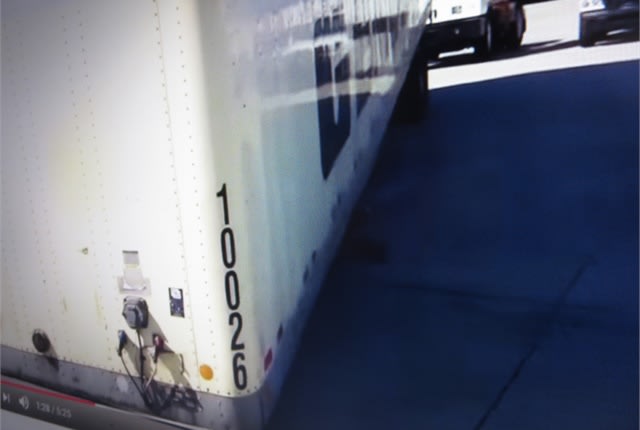
Whoops! Landing gear collapsed and the trailer fell on its nose as a tractor pulled away. Photo: "Trailer James" via YouTube.com
There’s dropping trailers, as in hook-and-drop operations, and there’s dropping a trailer, as in whoops! It never occurred to me that the second kind – trailers coming loose from fifth wheels and dropping onto their landing gear or down on their noses – was a problem until two suppliers introduced products to help avoid it.
A few weeks ago SAF-Holland demonstrated one, and late last week Purkeys Fleet Electric announced another. Both use special LED lights that shine onto a fifth wheel’s jaws so drivers can see whether they’ve properly grabbed onto the trailer’s king pin.
People at those companies relate that, based on conversations with fleet managers, trailers are accidently dropped way more often than many of us realize. A few major fleets said they each see it happen hundreds of times a year. Usually the incidents are minor and no one’s hurt. But it's embarrassing, and rectifying things takes time and sometimes money (as in calling a wrecker to lift a trailer’s nose).
Sometimes it’s the result of a prank – someone will pull the release handle and laugh as the driver pulls away and there goes the trailer, down on its knees or, if the landing gear collapses, on its nose. One driver told me a Teamster striker did this as my friend was talking his way through a picket line. The landing gear held, but, "It took me four hours to crank the trailer back up," he said.
Occasionally a trailer comes loose on a highway, creating a dangerous situation for traffic behind. People have been injured and killed when slamming into dropped trailers. Some people might think manufacturers are to blame, but they design and build fifth wheels and upper couplers (including king pins) that meet stringent standards.
Unless corrosion is a factor, we’ve got to point at drivers who haven’t exercised due care. Because like most accidents, human error is the cause.
Over the years I’ve done some hooking-and-dropping (the intentional kind) and never considered it a problem, as long as the height of the fifth wheel and the trailer’s nose were the same. Sometimes they weren’t, and it took dumping of the tractor’s air-bag suspension or some vigorous cranking of the landing gear to get a proper match. (Another product, from Hadley, helps with that.)
Of course I always did a visual inspection, checking the fifth wheel’s release handle to see that it had snapped back inward, indicating the jaws had locked shut. Then I crab-walked under the trailer to peer into the fifth wheel to see that the jaws were set around the king pin. And I did a tug test soon after moving away from the parking place, applying the trailer brakes with the “trolley” handle to be sure the coupling was tight. Partly from precaution and partly from luck, I never had a “whoops” incident.
Videos of proper coupling and uncoupling procedures from manufacturers, drivers, fleets and schools are posted on YouTube. So anyone with access to the Internet ought to know what he or she is doing. And some of the latest products make it a little easier.
More Blog Posts
Pulsing Back-of-Trailer Lamps Aim to Prevent Crashes
Can the addition of a pulsing brake lamp on the back of a trailer prevent rear-end collisions? FMCSA seems to think so, if its exemptions are any indication.
Read More →
Designing a 14-Foot Trailer
Trailers are 13 feet, 6 inches high, right? Not for Hub Group, which developed a special 14-foot-high trailer spec for a dedicated customer based in California. Learn more in the Trailer Talk blog.
Read More →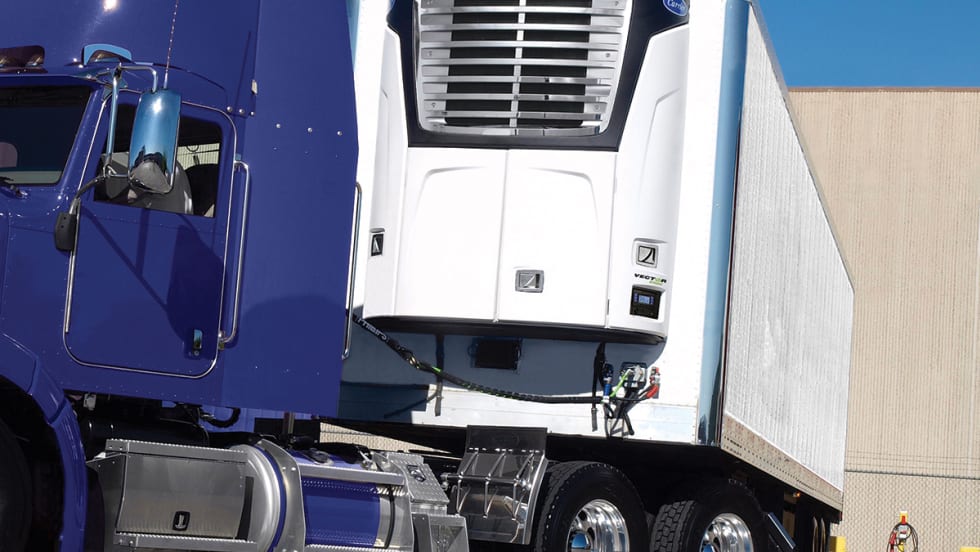
CARB Comes for Reefer Trailers
A new round of emissions control regulations decreed by the California Air Resource Board will begin affecting refrigerated trailer and TRU design and operations next year.
Read More →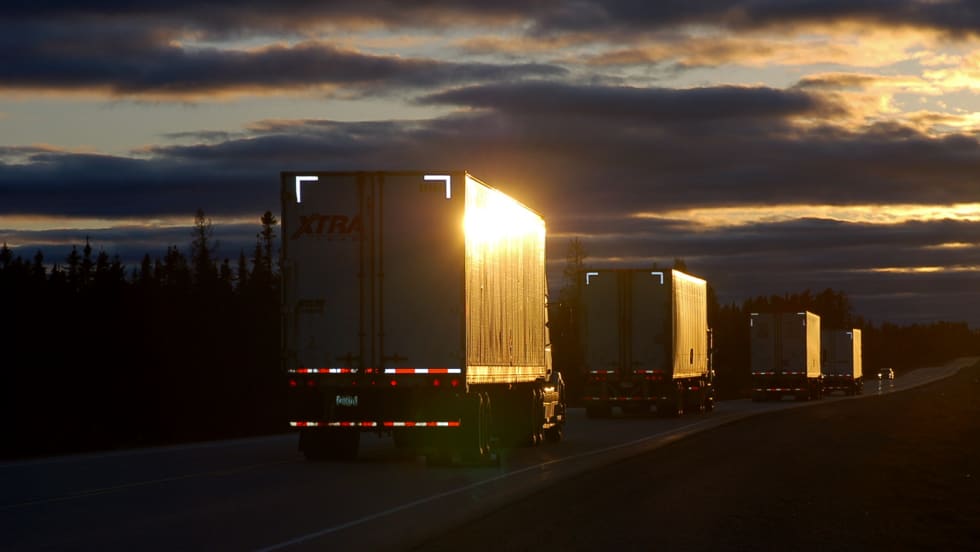
5 Ways Data Analysis Maximizes the Value of Trailer Telematics
Are you getting the most out of your trailer telematics investment?
Read More →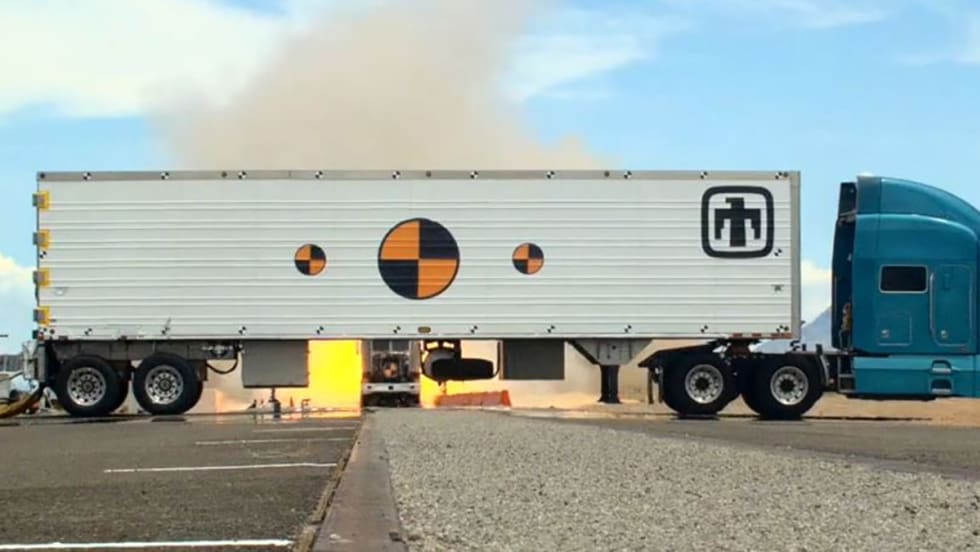
Can You Guess What's in That Trailer?
You don’t always know what’s in the trailers that pass you on the road. But some of those trailers are carrying something a little more dangerous that frozen food or new bedding…like, maybe, a nuclear weapon. But this isn’t an ordinary trailer; this is a trailer specifically made to not only carry this type of payload, but protect it at all costs.
Read More →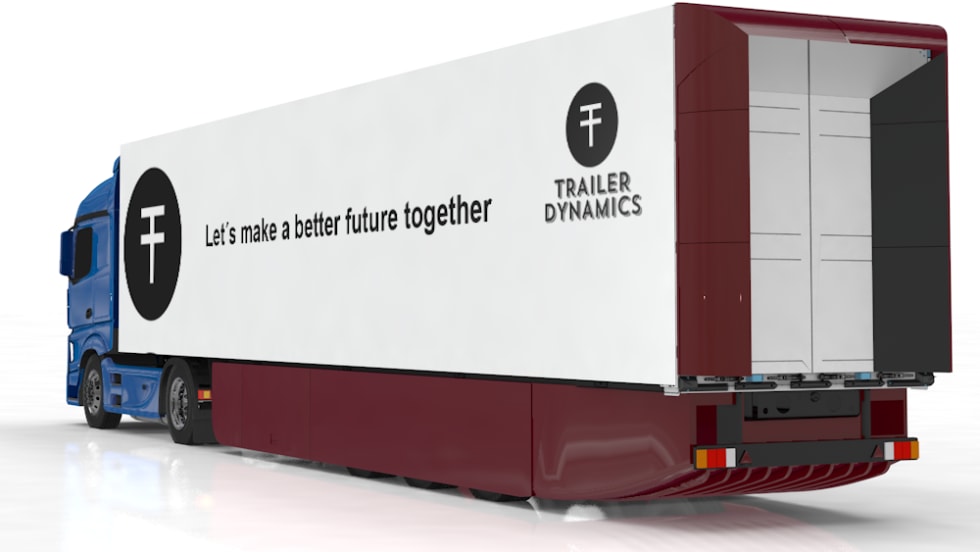
How Trailers Are Harnessing 'Free' Energy
Can trailers play a more active role in sustainable transport beyond aerodynamic add-ons or low-rolling-resistance tires? Some companies think so.
Read More →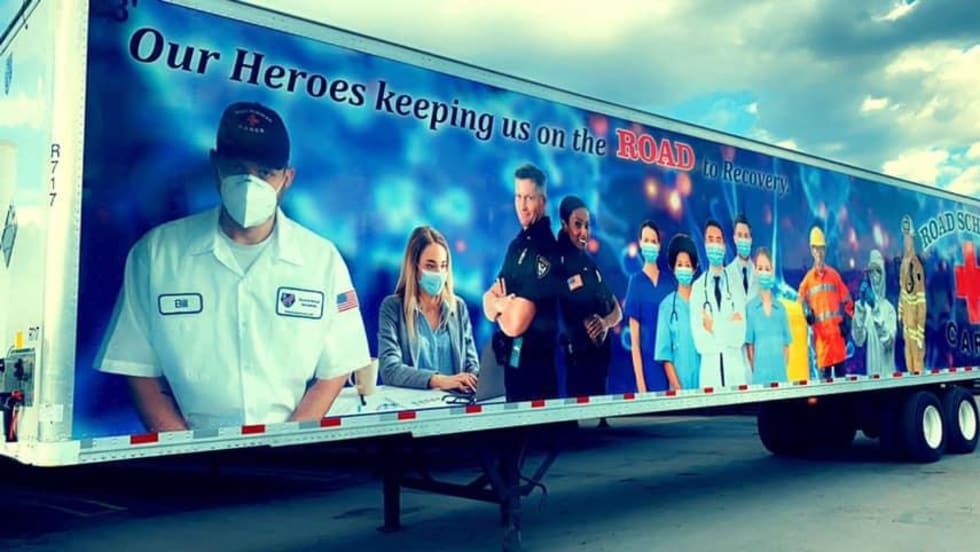
Wrapping a Trailer for COVID’s Everyday Heroes
“We don’t only deliver freight. We deliver awareness.” That’s what Jim Barrett, president and CEO of Road Scholar Transport, likes to say about the Dunmore, Pennsylvania-based carrier’s “awareness fleet.” Its latest trailer wrap honors the everyday heroes of the pandemic.
Read More →
How a Tanker Fleet is Using Unorthodox Trailer Lighting to Fight Rear-End Collisions
Groendyke Transport watched the number of rear-end collisions with its trailers rise steadily until it tried an unorthodox and then unapproved method of alerting following drivers that its trucks were applying brakes and slowing down.
Read More →
The Role Trailers are Playing in COVID-19 Funerals
In places such as New York City and Detroit, overwhelmed hospitals and mortuaries are using refrigerated trailers to store the bodies of people killed by COVID-19.
Read More →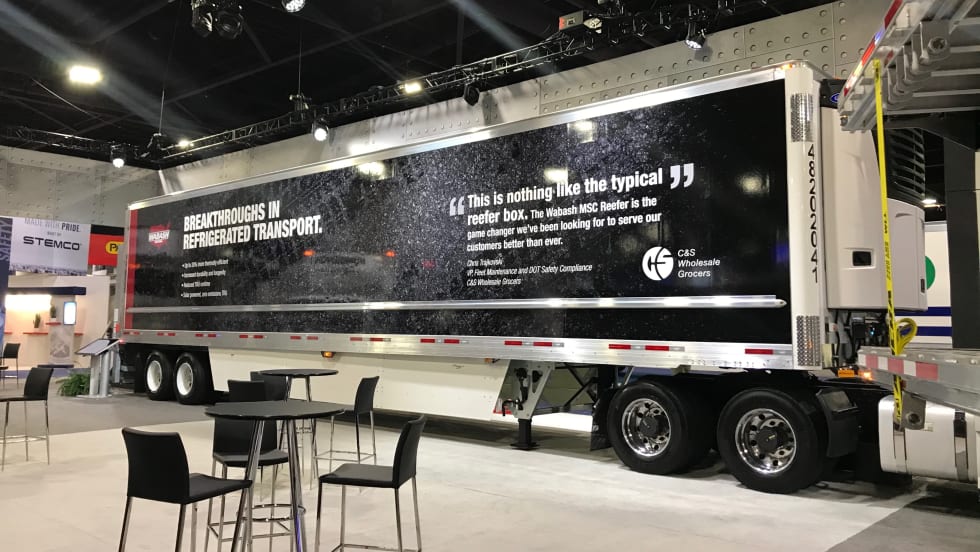
Reefer Trailer Aims to Help Reach Zero Emissions
Wabash National is partnering with C&S Wholesale Grocers to test a new type of zero-emissions refrigerated trailer.
Read More →