




Lessons of Water Win Could Pave Way for Highway Victory
When trucking advocates push for an extensive highway bill on Capitol Hill next year, they will at least have a proven roadmap to consult.

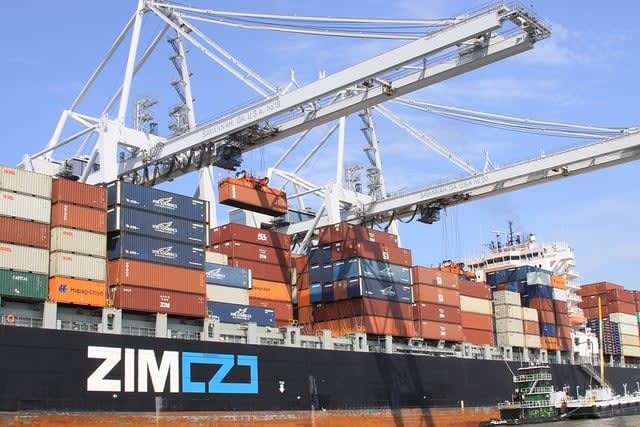
Leadership, willingness to negotiate, and dealing in hard facts helped steer a major water infrastructure bill through Congress. Photo: U.S. Department of Transportation

What it took for Congress to pass a major water-side infrastructure bill on Dec. 10 “may foreshadow the struggles lawmakers are likely to face” if they take up the massive highway-infrastructure package that President-elect Donald Trump has promised to send to Congress next year, contends transportation reporter Brianna Gurciullo, writing in Politico’s Morning Transportation blog for Dec.12.
Trump made it known right after the election that he aims to spend big on infrastructure--- saying he would send a $1 trillion plan up to Capitol Hill in his first 100 days. “We are going to fix our inner cities and rebuild our highways, bridges, tunnels, airports, schools, hospitals,” he stated flat-out in his post-election victory speech.
The marine-transportation legislation, which started out titled the Water Resources Development Act (WRDA) and wound up being called the Water Infrastructure Improvements Act for the Nation (WIIN), authorizes navigation, flood control and drinking water projects, including funding to address the drinking water crisis in Flint, Mich.
WIIN authorizes more and deeper federal dredging of seaport harbors as well as some inland waterway projects that support barge freight operations, per an AASHTO Journal post. That report also noted that the included flood projects “often can help protect highways and other surface transportation infrastructure that state DOTs directly manage.”
In her post, Gurciullo capsulized what environmental reporter Annie Snider discerned in another Politico story to be the key elements that eventually secured passage of the extensive waterworks bill:
Leadership. Senate Environment and Public Works Committee Chairman Jim Inhofe (R-OK) and Ranking Member Barbara Boxer (D-CA) were “willing to work together on the issue of infrastructure.” However, come January, Sen. John Barrasso (R-WY) will take over as committee chairman “and he is less enthusiastic about transportation and infrastructure issues.”
Negotiations. “Republicans in the House were against the idea” of federal aid for Flint, preferring that the city's problems with lead-contaminated water be handled by state and local officials. Still, Snider wrote that negotiators who worked through the issues "shows the extent of appetite in both chambers for infrastructure measures.” What’s more, House Transportation and Infrastructure Chairman Bill Shuster (R-PA) “hit on a powerful message for his caucus in his drive for the 2014 WRDA bill: reasserting congressional authority on infrastructure."
Hard facts. Stephen Martinko, a former tansportation committee aide who worked on that 2014 bill, told Snider that "being able to point to specific needs and how the measure would solve them-- rather than handing a pile of cash over to the agencies to use at their discretion-- was critical, and will continue to be so.”
Of course, it remains to be seen if trucking advocates will be as successful pushing Congress to approve a similarly extensive highway-infrastructure bill next year. But at least they now have a proven roadmap to consult.
More Blog Posts
Congress Dancing on the Ceiling. Again.
It’s time once more on Capitol Hill to battle over the debt ceiling, rather than conduct the nation’s urgent business, says HDT Business/Washington Contributing Editor David Cullen.
Read More →
Infrastructure on Capitol Hill: On Two Tracks to Somewhere
It’s likely an infrastructure bill will pass. But how big it will be, and who will pay for it, rides on lots of politicking.
Read More →
Gaming Out The Biden Infrastructure Proposal on Capitol Hill
The Biden Administration's American Jobs Act, the core of which is infrastructure funding, is on a long road to becoming law – replete with more twists and turns than a mountain highway.
Read More →
4 Ways Washington May Change Trucking Laws and Regulations
As the balance of power in Washington has shifted, trucking likely will see changes in laws and regulations. But how that happens isn't just like the Schoolhouse Rock version of "I'm Just a Bill."
Read More →
Regulatory Outlook 2020: Keep an Eye on Hours of Service
What's in store for trucking from the regulators in Washington, D.C., this year? Executive Editor David Cullen says the government wheels move slowly, but hours-of-service is among those to watch in 2020.
Read More →
Logistics Ain't What it Used to Be
You can no longer expect to run a motor carrier of any size without at least a glancing appreciation for the impact logistics— in one way or another-- has on every link in the supply chain.
Read More →
Will Dustup over Cleanup of Car Emissions Gut Truck GHG Rules?
What does Trump's revocation of California's vehicle emission waiver mean for the federal Phase 2 GHG emission rules already in place for commercial vehicles? Commentary by Executive Editor David Cullen.
Read More →
Some Sober Advice on the Drug & Alcohol Clearinghouse
The Federal Motor Carrier Safety Administration's prep work for the Drug & Alcohol Clearinghouse includes amassing an impressive amount of informational guidance online that can be accessed at a dedicated website. Commentary by Executive Editor David Cullen.
Read More →
Here's to Our Winners
The managers, executives, and owners of truck operations who are honored each year by Heavy Duty Trucking with our Truck Fleet Innovator awards so often seem to be moving at a fast clip in how they think about things. Blog Commentary by Executive Editor David Cullen.
Read More →
ATA Takes Madison Avenue to Pitch Highway Funding on Capitol Hill
A new advertising and grassroots campaign by ATA might just sell Congress on fixing our roads. Commentary by David Cullen, Executive Editor.
Read More →