




Hope for Highways Inside the Beltway
Executive Editor David Cullen shares his thoughts on a new survey on what issues are most likely to make it through Congress next year, no matter who wins the White House, in his Passing Zone blog.


Photo: Evan Lockridge

Photo: Evan Lockridge
November 8 is the day of reckoning for Hillary Clinton and Donald Trump. But no matter if Secretary Clinton or Mr. Trump prevails, the next president will face a still-gridlocked Congress.
Yes, the Democratic Party may, if they can gain four or five seats (depending on which party takes the White House) regain control of the Senate, but it will be a slim majority that will prevent them from pursuing a bold agenda. The Republican Party may lose some seats in the House, but since most of those voted out will be so-called Establishment Republicans, House Speaker Paul Ryan (WI-R) will have a harder time pushing bipartisan measures — that is if he can even hold onto his leadership post.
Maybe that projected reality is why fully 40% of the way-inside-the-Beltway insiders responding to a just-out lobbying survey contend that the legislation most likely to get passed in 2017 will be a “comprehensive infrastructure bill.” The survey, commissioned by communications firm Rasky Baerlein, sought to quantify what lobbyists, think-tankers and association executives figure will fly next year on Capitol Hill.
One can surmise that these experts on the inner workings of Congress concluded that with partisan politics still poisoning the two chambers, the best hope for breaking the logjam will be on an issue that throughout our nation’s history has been debated and advanced almost always without even a whiff of partisanship attached to it — building and maintaining roads, bridges and other transportation infrastructure to smooth commerce and ensure national defense.
On the other hand, maybe these observers are being a tad unrealistic. Consider that they tagged as the second most likely measure (by 22%) to pass Congress next year the confirmation of Merrick Garland as a Justice of the Supreme Court.
More Blog Posts
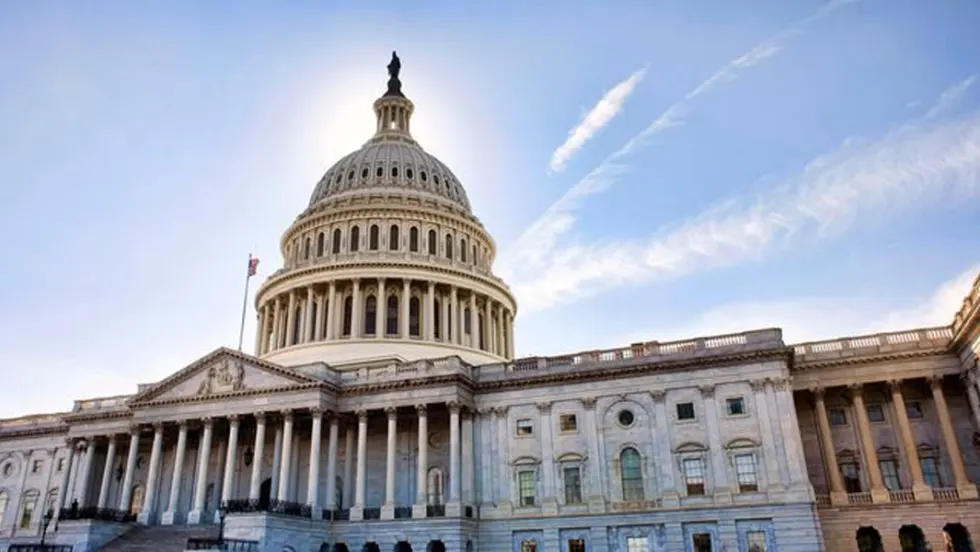
Congress Dancing on the Ceiling. Again.
It’s time once more on Capitol Hill to battle over the debt ceiling, rather than conduct the nation’s urgent business, says HDT Business/Washington Contributing Editor David Cullen.
Read More →
Infrastructure on Capitol Hill: On Two Tracks to Somewhere
It’s likely an infrastructure bill will pass. But how big it will be, and who will pay for it, rides on lots of politicking.
Read More →
Gaming Out The Biden Infrastructure Proposal on Capitol Hill
The Biden Administration's American Jobs Act, the core of which is infrastructure funding, is on a long road to becoming law – replete with more twists and turns than a mountain highway.
Read More →
4 Ways Washington May Change Trucking Laws and Regulations
As the balance of power in Washington has shifted, trucking likely will see changes in laws and regulations. But how that happens isn't just like the Schoolhouse Rock version of "I'm Just a Bill."
Read More →
Regulatory Outlook 2020: Keep an Eye on Hours of Service
What's in store for trucking from the regulators in Washington, D.C., this year? Executive Editor David Cullen says the government wheels move slowly, but hours-of-service is among those to watch in 2020.
Read More →
Logistics Ain't What it Used to Be
You can no longer expect to run a motor carrier of any size without at least a glancing appreciation for the impact logistics— in one way or another-- has on every link in the supply chain.
Read More →
Will Dustup over Cleanup of Car Emissions Gut Truck GHG Rules?
What does Trump's revocation of California's vehicle emission waiver mean for the federal Phase 2 GHG emission rules already in place for commercial vehicles? Commentary by Executive Editor David Cullen.
Read More →
Some Sober Advice on the Drug & Alcohol Clearinghouse
The Federal Motor Carrier Safety Administration's prep work for the Drug & Alcohol Clearinghouse includes amassing an impressive amount of informational guidance online that can be accessed at a dedicated website. Commentary by Executive Editor David Cullen.
Read More →
Here's to Our Winners
The managers, executives, and owners of truck operations who are honored each year by Heavy Duty Trucking with our Truck Fleet Innovator awards so often seem to be moving at a fast clip in how they think about things. Blog Commentary by Executive Editor David Cullen.
Read More →
ATA Takes Madison Avenue to Pitch Highway Funding on Capitol Hill
A new advertising and grassroots campaign by ATA might just sell Congress on fixing our roads. Commentary by David Cullen, Executive Editor.
Read More →