




Guest Commentary: Why Governments Should Recruit Trucking and Logistics Companies
We're turning over "All That's Trucking" today to Greg Fulton, president of the Colorado Motor Carriers Association, who wants to know, why don't state governments worry about keeping or attracting trucking and logistics companies the way they would a high-tech company?

Greg Fulton.

Greg Fulton.
One almost can't open a news web site or newspaper without reading about a public official indicating a need to attract "green industries" and high-tech companies to their state.
In general, the green industry tends to be those in the renewable energy area or those developing products which benefit the environment. The high-tech companies tend to be software or computer hardware businesses, service companies, bio-tech businesses and the like. There is a glamour and attractiveness associated with these industries because they are new, innovative and futuristic. In addition to the media, our schools, colleges, and general society espouse the benefits and importance of these industries.
In recent years this fascination with these newer industries has led to countless high-profile efforts by various states to compete for these businesses in these "glamor" sectors. State and local policymakers fall over themselves in trying to outdo each other in offering the greatest economic incentives to attract those companies hoping that they may obtain the next Microsoft or Evergreen Solar.
At the same time, the results of some of the high-tech and green industry initiatives should offer a cautionary tale for public agencies. Amidst a great deal of fanfare, communities, states and the federal government offered tremendous incentives, loans and grants to companies such as Solyndra and Solar Abound for the manufacture of solar panels several years ago. While these efforts were well-intentioned, it resulted in taxpayers losing millions of dollars when these companies filed bankruptcy after a short period of time. A further point of irony was that while these companies might have been glamorous, for the most part, the pay and benefits for many of the workers were not impressive.
Unfortunately, over the years I have sat in various meetings where policymakers have questioned making any effort to retain or recruit logistics companies. Some view these as "dirty businesses" that could detract from the state or local community's image. They contend that the state should be focusing on attracting only those businesses that fit the mold of being a "green or high-tech industry." I was astounded how little people knew about the trucking industry and its impact on our economy and the fact that this industry has moved faster and gone farther than almost any other in regard to environmenta; improvements.
While many economic developers and state officials continue to search for the next Google and spend countless hours and substantial sums of money on efforts to acquire or retain them, some others have begun to see a different path. Those states realize that logistics businesses, while not as glamorous or newsworthy, provide long-term stability and tend to weather economic downturns better than most of these other high-flying businesses. They also recognize that the wages in the trucking industry tend to be significantly greater than the median pay for other jobs in the country and that these jobs generally have good benefits associated with them. In addition, in a day and age when job security is a passing ideal, the ongoing need for truckdrivers and mechanics ensures that those individuals will never need to worry about a job.
Most importantly for these states to consider is that many trucking companies are currently located in small, rural communities or economically disadvantaged areas today. Those type of areas are where economic developers have the most difficult time attracting businesses. Given the right business environment , reasonable access to major highways, and possibly offering incentives, states could attract more trucking companies that would benefit not only the state but those economically challenged areas and their residents. As an added advantage, trucking tends to support other businesses in these communities who serve them with goods and services which creates even more jobs in the community.
The point isn't that states and cities should not seek to attract companies in these green, high-tech and bio-tech sectors. Rather it is that policymakers should value and respect the many benefits offered by blue collar industries such as trucking and spend equally as much time and effort in retaining and attracting companies in this sector.
Our country has a diverse population and a variety of needs. Let's not hamstring ourselves by only seeking those companies which fit into someone's definition of "green collar" or "high-tech" jobs. This not only adversely affects our economy but also limits the opportunities for good-paying jobs for many of our citizens.
Greg Fulton is the President of the Colorado Motor Carriers Association, which includes over 650 companies involved in the trucking industry in Colorado.
More Blog Posts
The Diesel Price Crisis Has No Easy Fix
Washington is trying everything from oil-reserve releases to longer driving hours for fuel haulers. None addresses all the forces keeping diesel prices high.
Read More →
Beyond the Central Transport Settlement: Lessons on Hiring and Risk
The $5.5 million discrimination settlement raises broader questions about hiring practices, safety performance, and the hidden risks that can lurk in a fleet's recruiting process.
Read More →
Are Diesel Shortages Something to Worry About Again?
There’s a certain déjà vu when tensions flare in the Middle East and diesel price spikes can give you panic attacks. What parallels are there between the current situation and the 1970s energy crisis?
Read More →
NOx Isn’t Laughing Gas. Let’s Clear That Up.
A recent EPA reference mixed up NOx and nitrous oxide. It’s an easy mistake. Just not one you expect to see in emissions policy. Let’s look at the difference.
Read More →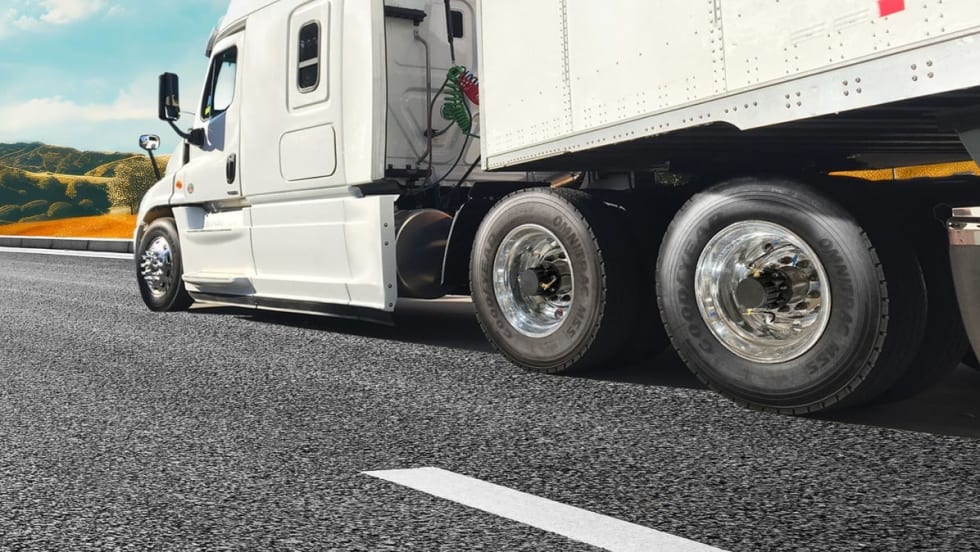
TMC 2025 Takeaway 2: Buy... or Subscribe?
TaaS. Does that mean trucks as a service, trailers as a service, or tires as a service? HDT's Deborah Lockridge has another takeaway from the Technology & Maintenance Council meeting in her blog.
Read More →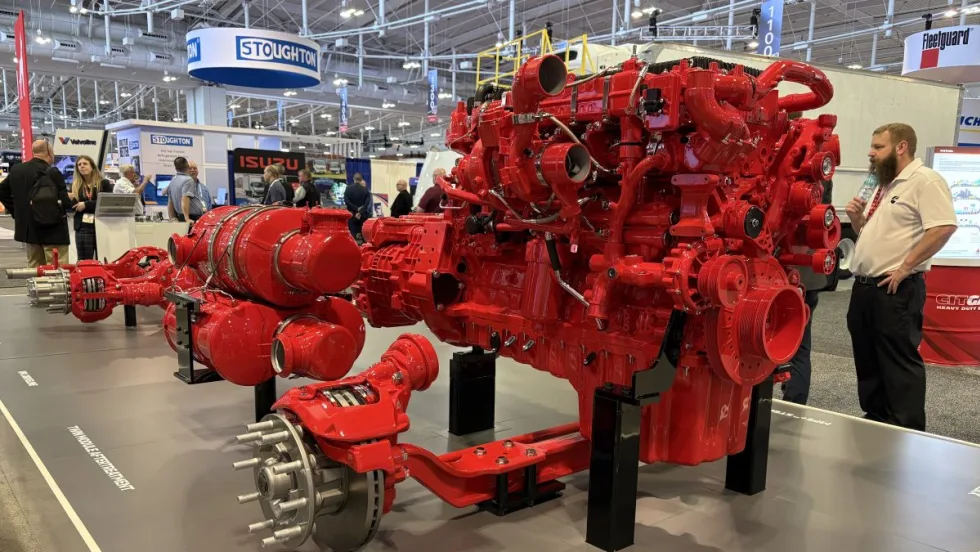
TMC 2025 Takeaway: The Journey Toward Vertical Integration
HDT's Deborah Lockridge on how the trucking industry has moved toward "vertical integration" over the past 25 years.
Read More →
Trucks Are For Girls!
HDT Editor and Associate Publisher Deborah Lockridge is a longtime Girl Scout leader and loves to connect her passion for inspiring girls with her love of the trucking industry.
Read More →
Trucking Advocacy: Impact Beyond the 2024 Elections
No matter who wins the election, trucking continues to work to educate the people who pass the laws and make the rules that affect the industry. HDT's Deborah Lockridge shares insights from two major trucking associations in her All That's Trucking blog.
Read More →
Recharge Your Brain for Better Business
Skimping on vacation may be the worst thing you can do for your business, your career, and your mental health. In her All That's Trucking blog, Deborah Lockridge writes about the importance of giving your brain what it needs to be innovative.
Read More →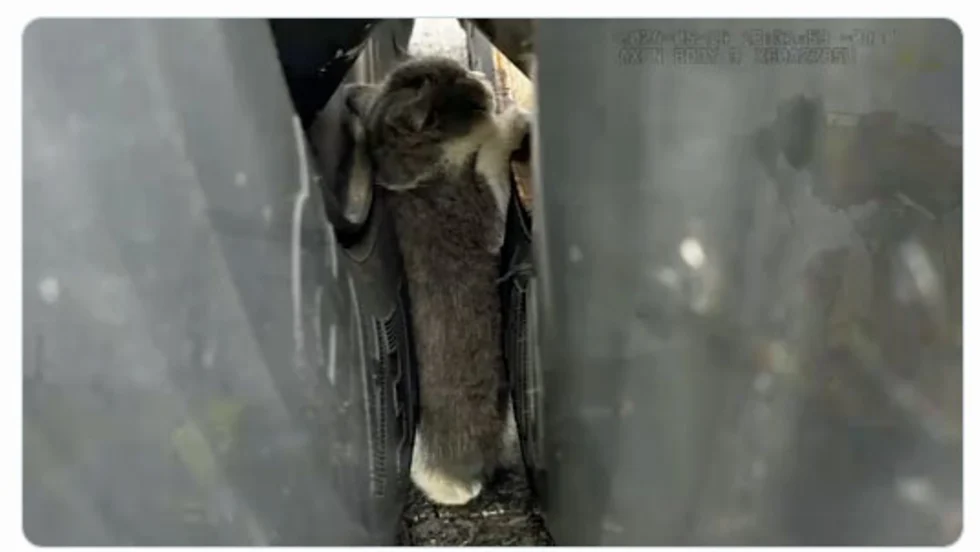
Trucker Pre-Trip Leads to Mission 'Im-paw-sible'
See what happened when a truck driver found an unexpected stowaway during his pre-trip inspection.
Read More →