




A Critical Design Fault in Connected Transportation
We’ve all heard about hacking computerized vehicles, but the risk may be worse than you think. A hacker with only modest resources could launch a massive attack against our automotive infrastructure.


A hacker with only modest resources could launch a massive attack against our automotive infrastructure.
Image by ItNeverEnds from Pixabay
While I spend a lot of time looking at our technological future in the normal course of events anyway, I dove deeper than usual these last couple of days. Did nothing else and I came away gobsmacked in both good and bad ways.
The world of artificial intelligence is exploding with innovation. Like the Valeo technology that can ‘see’ through the vehicle in front of you – and that includes tractors pulling loaded van trailers – to show you the road and the traffic ahead. Really. The vehicle ahead becomes essentially invisible. I came across that just as I realized I’d better get writing, so I didn’t pursue it. But I’ll presume that this is a product of connected-vehicle development and that the vehicle to the rear links to the forward car or truck’s cameras and sends an image back to be displayed on the follower’s screen. Kinda weird, but oh so useful.
That may be a little way out, but long before we start using autonomous vehicles, we already have very computerized trucks and cars that are increasingly connected to wide-area communications networks — making them part of the Internet of Things (IoT). And critically, the mechanisms that control their acceleration, steering, and braking can be overridden by computers and software.
“The troubling issue for industry technologists is that these vehicles’ safety-critical systems are being linked to the Internet without adequate security and with no way to disconnect them in the event of a fleet-wide hack,” notes a recent report entitled ‘Kill Switch’ by the non-profit Consumer Watchdog.
“This is a dangerous combination, as it creates the potential for hackers to take control of vehicles remotely. Unlike other ‘connected’ technologies in which hackers can only steal information or money, hacked cars have the potential to cause property damage and death. Whereas the military and aviation industries carefully avoid connecting dangerous machines to the Internet, the auto industry has yet to learn this lesson.
“Millions of cars on the Internet running the same software means a single exploit can affect millions of vehicles simultaneously. A hacker with only modest resources could launch a massive attack against our automotive infrastructure, potentially causing thousands of fatalities and disrupting our most critical form of transportation.”
The report talks only about connected cars but the issue obviously involves our trucks as well. And in age where cyber warfare is very real – look at the last election for a mighty disturbing example – there are huge risks in here. Really huge.
One seemingly outlandish example is that hackers could, unless we prevent it, organize so-called ‘BotNet armies’ of connected vehicles banding together to cause havoc. Malevolent gangs of cars are one thing, but imagine what a swarm of evil 80,000-pounders could do.
I know, you’ll dismiss that as paranoid codswallop, but I promise you, there are lots of very serious software engineers and techie nerds who envision the possibility of exactly that sort of mayhem.
“Viruses can spread vehicle-to-vehicle,” the Consumer Watchdog report says. “Malicious Wi-Fi hotspots can infect any susceptible vehicle that passes within range. Cars can be infected with ‘sleeper’ malware that wakes at a given date and time, or in response to an external signal, resulting in a massive co-ordinated attack.”
Its conclusion is a simple and straightforward fix that should be done ASAP.
“To protect the public, carmakers should install 50-cent ‘kill switches’ in every vehicle, allowing consumers to physically disconnect their cars from the Internet and other wide-area networks,” the report urges. “Otherwise, if a 9/11-like cyber-attack on our cars were to occur, recovery would be difficult because there is currently no way to disconnect our cars quickly and safely. Mandatory ‘kill switches’ would solve that problem.”
Obviously, it also says future designs should isolate safety-critical componentry from infotainment systems connected to the Internet or other networks.
I’ll buy that.
More Blog Posts
Zero-Emissions Trucking: Saved by Ammonia?
That nasty smell could bring good news in the effort to decarbonize the supply chain. Rolf Lockwood explains why in his Locking it In blog.
Read More →
The Achates: A New Old Engine
The diesel is nowhere near dead, but its possible future may surprise you.
Read More →
How Poor Training Contributes to the Driver Shortage
When we don’t prepare new drivers properly, we set them up to fail — and quit, says Rolf Lockwood in his Locking it In blog.
Read More →
Autonomous Origins: Did it All Start With Cruise Control?
“This gives me about 65 mph and my ankle never gets sore.” Rolf Lockwood muses on the evolution of autonomous technology in his "Locking it In" blog.
Read More →
Electric is Big, but Hydrogen will be Bigger
Find out why Rolf Lockwood says no to owning a battery-electric car but is optimistic about the future of fuel-cell electric trucks in his Locking it In blog.
Read More →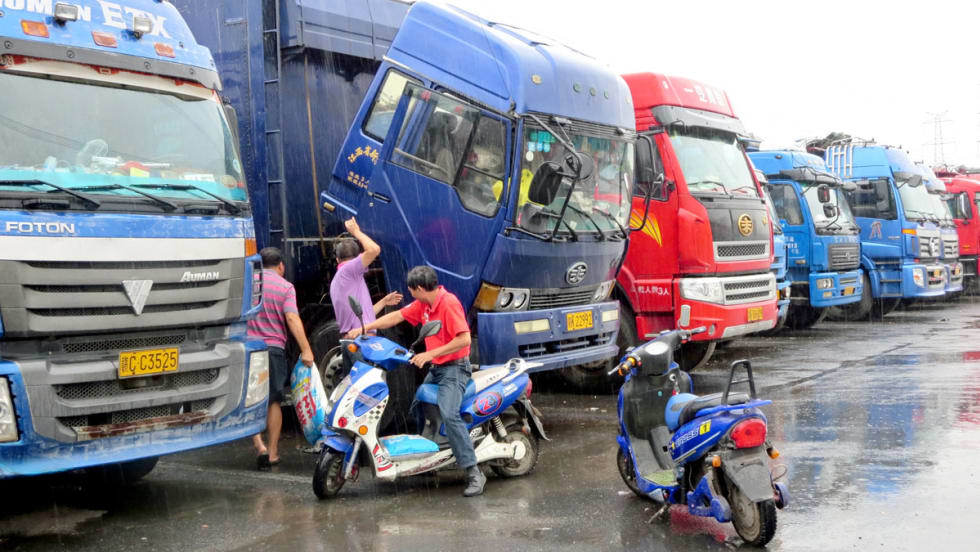
The Driver Shortage: We're Not Alone
The challenges facing truck drivers and the trucking companies trying to hire them share commonalities around the globe, says Rolf Lockwood in his latest Locking it In blog post.
Read More →
What Exactly is Torque in a Truck Engine, Anyway?
Is there anything better than having gobs of pounds-feet at your beck and call? Rolf Lockwood talks about what torque is and why it's important in his Locking it In blog.
Read More →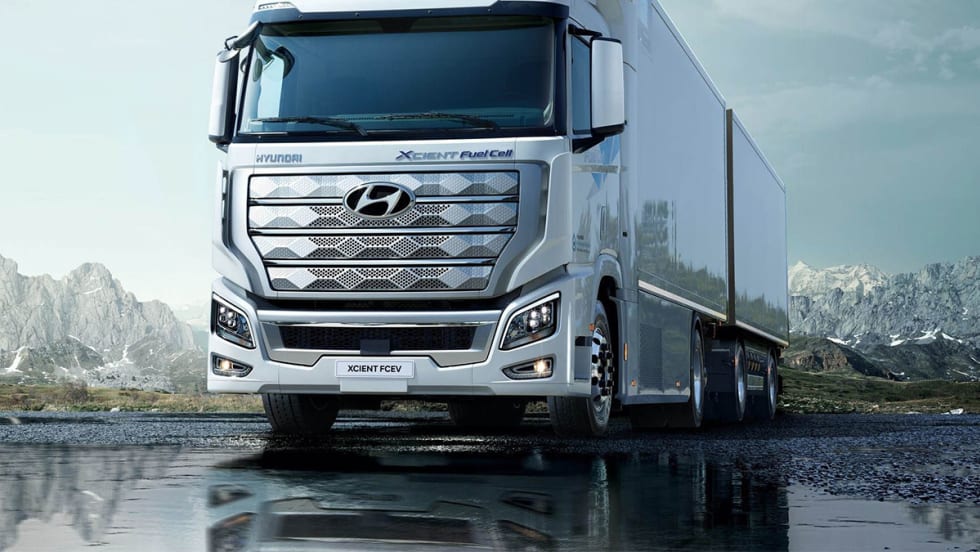
Fuel Cells Really Are on the Way to Trucking
Hydrogen fuel cells are coming on strong, and maybe sooner than you think, says Rolf Lockwood in his Locking it In blog.
Read More →
In Praise of NACFE
The North American Council for Freight Efficiency is an invaluable resource, and its expertise is free, says Rolf Lockwood in his Locking it In blog.
Read More →
Daimler, Volvo Venture a Breakthrough for Hydrogen Trucks
Rolf Lockwood thinks a significant corner has been turned in the quest to bring hydrogen to the highway in heavy trucks. Read more in his Locking it In blog.
Read More →