




A Big Rig Ain't Diddly Compared To a Train
Motor vehicles are routinely torn apart by freight and passenger trains because drivers aren’t paying attention to what they're doing, or think they can beat that train to a grade crossing.

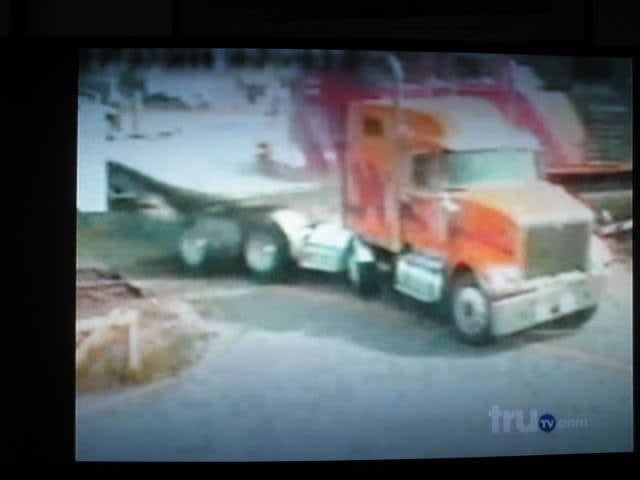
He didn't make it, and shouldn't have tried. Screenshots via YouTube
One of the many federal safety regulations governing commercial vehicle drivers is one that prohibits a trucker from changing gears while crossing a set of railroad tracks. I guess it’s meant to prevent a guy from missing a shift, getting bogged down, and being kissed by a train. One that could be a kiss of death.
Truckers might think their rigs are big, but they ain’t diddly compared to a locomotive and the train behind it. Eighty thousand pounds? A locomotive can weigh 300,000 or more, and the whole train totals thousands of tons. If it’s moving fast, you may as well be mashed by a meteor. A big one.
Class 8 trucks and tractor-trailers are routinely struck and torn apart by freight and passenger trains because drivers aren’t paying enough attention to what they’re doing, or think they can beat a train to a grade crossing.
Automobiles, of course, fare even worse. Such collisions occurred about 2,100 times last year, according to the Federal Railway Administration (though it used to be far worse – about 12,000 times in 1972).
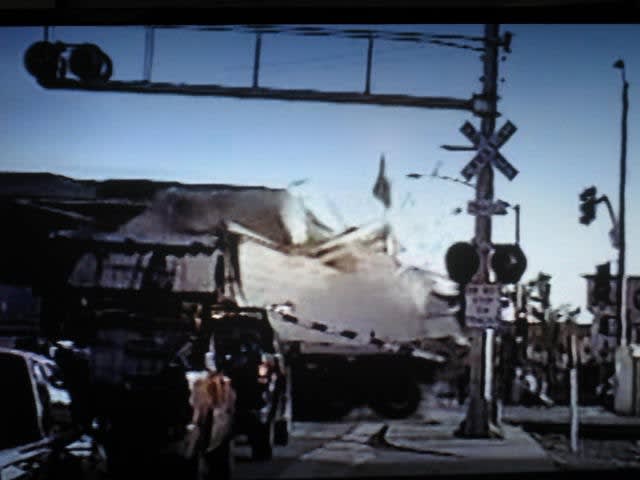
A trailer tends to explode and its contents scatter when hit by a super-heavy locomotive. And a tractor can be mangled.
People at Operation Lifesaver, a public education campaign on behalf of railroads and traffic safety authorities, get understandably upset over such incidents, especially those in which people are hurt or killed. Most of the time the victims are in the cars or trucks. Occasionally it’s a kid walking along some tracks with headphones on and he doesn’t hear a train coming behind him. Kids will be kids.
What Were The Drivers Thinking?
But sometimes people on a train are injured and killed when a heavy truck T-bones it or causes it to derail. I wonder about drivers who hit trains or run right into their paths: What were they thinking?
After a collision, locomotive engineers, even if they escape physical harm, tend to feel intensely guilty for killing someone, and never mind that the guy or gal in the car or truck or on the tracks was grossly at fault. And the railroaders have a hard time getting over it. (If you’ve ever hit someone with your rig, then you know the feeling.)
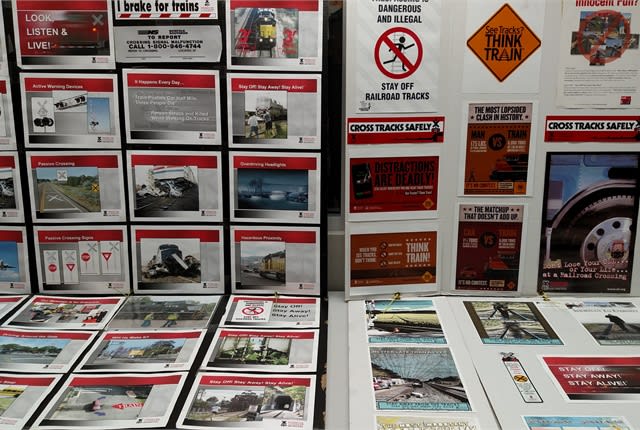
Operation Lifesaver's collection of wreck photos give a viewer something to think about. This display was at the Toledo Amtrak station on May 5. Photo: Tom Berg
I can’t think of a good excuse for a motor vehicle to be hit by, or hit, a train. Don’t want to be delayed? If you collide with a train, your delay may last forever. Brake failure? The trucker or motorist shouldn’t operate a vehicle with bad brakes (and a driver can tell when the brakes aren’t working as they should).
Got caught by the gates? Don’t even pull onto the tracks unless you can see nothing's coming, and can completely cross them without stopping.
Couldn’t see or hear the train coming? Stop, Look, and Listen! At least slow down for a grade crossing and look down the tracks in both directions before crossing. And turn down the radio and crack open a window so you can hear the horn of an approaching train, even at crossings with signals and gates. Those devices are very reliable, but you never know.
A few days ago I was at an event where Operation Lifesaver had a display and was holding safety classes. I exempted myself from sitting through a class, because I have great respect for trains and what they can do to me. But I did study the display of wreck photos to remind myself of what can happen.
Related: Risky Maneuver Breaks a Two-Rig Blockade
More Blog Posts
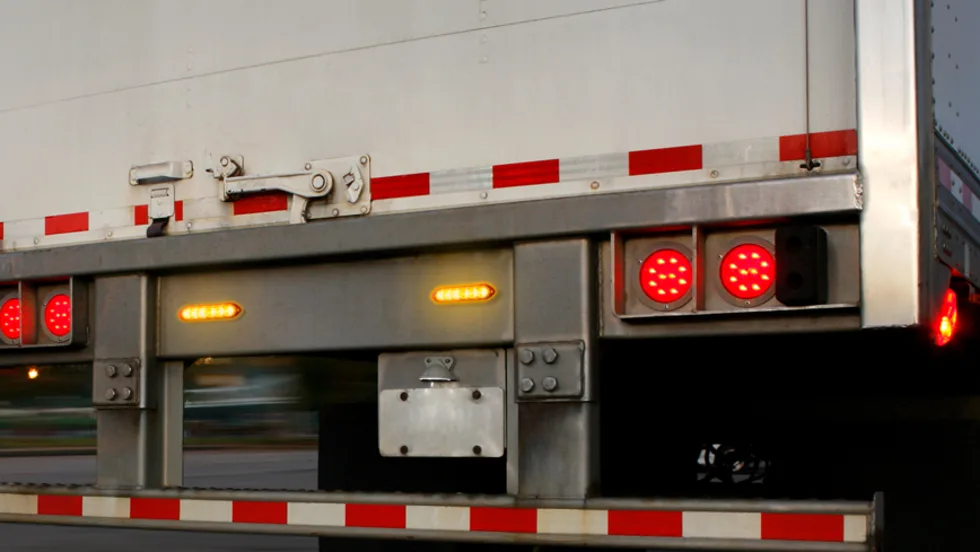
Pulsing Back-of-Trailer Lamps Aim to Prevent Crashes
Can the addition of a pulsing brake lamp on the back of a trailer prevent rear-end collisions? FMCSA seems to think so, if its exemptions are any indication.
Read More →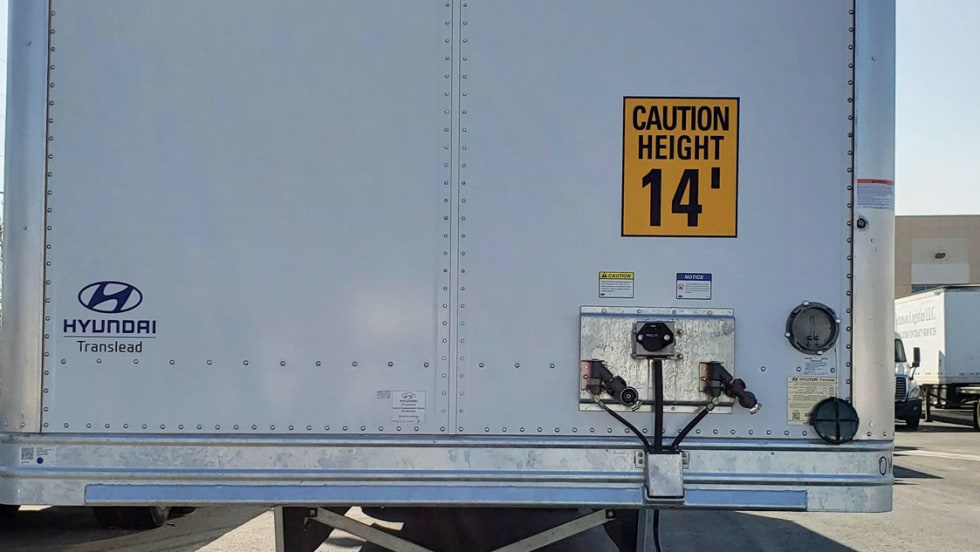
Designing a 14-Foot Trailer
Trailers are 13 feet, 6 inches high, right? Not for Hub Group, which developed a special 14-foot-high trailer spec for a dedicated customer based in California. Learn more in the Trailer Talk blog.
Read More →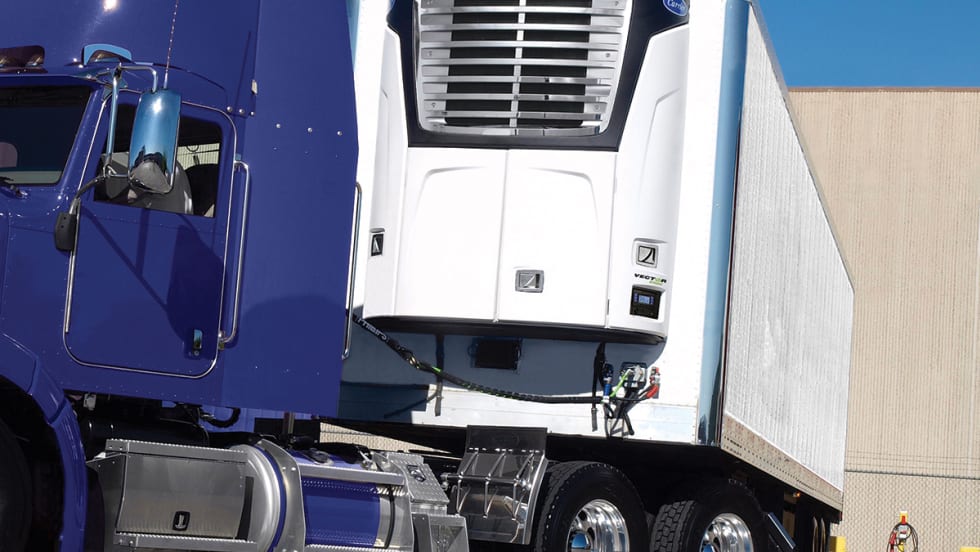
CARB Comes for Reefer Trailers
A new round of emissions control regulations decreed by the California Air Resource Board will begin affecting refrigerated trailer and TRU design and operations next year.
Read More →
5 Ways Data Analysis Maximizes the Value of Trailer Telematics
Are you getting the most out of your trailer telematics investment?
Read More →
Can You Guess What's in That Trailer?
You don’t always know what’s in the trailers that pass you on the road. But some of those trailers are carrying something a little more dangerous that frozen food or new bedding…like, maybe, a nuclear weapon. But this isn’t an ordinary trailer; this is a trailer specifically made to not only carry this type of payload, but protect it at all costs.
Read More →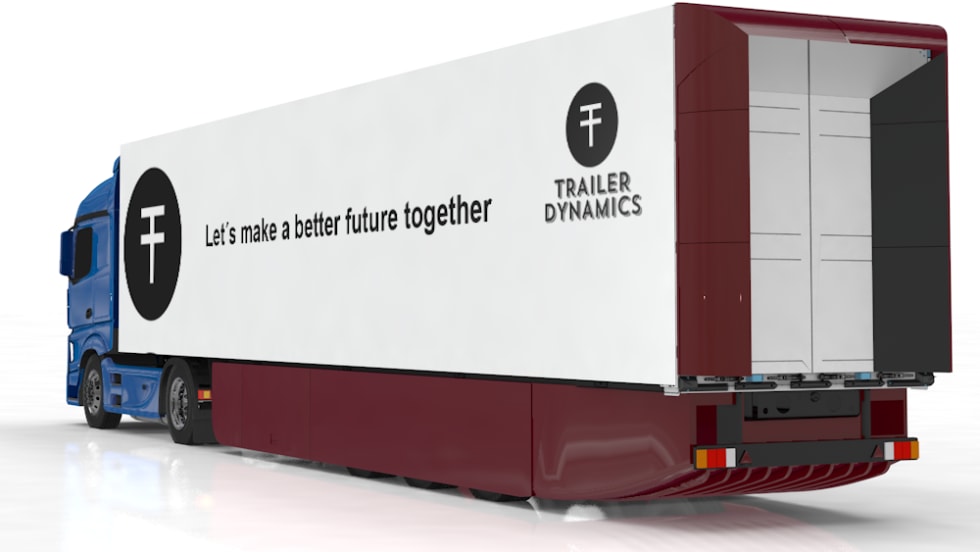
How Trailers Are Harnessing 'Free' Energy
Can trailers play a more active role in sustainable transport beyond aerodynamic add-ons or low-rolling-resistance tires? Some companies think so.
Read More →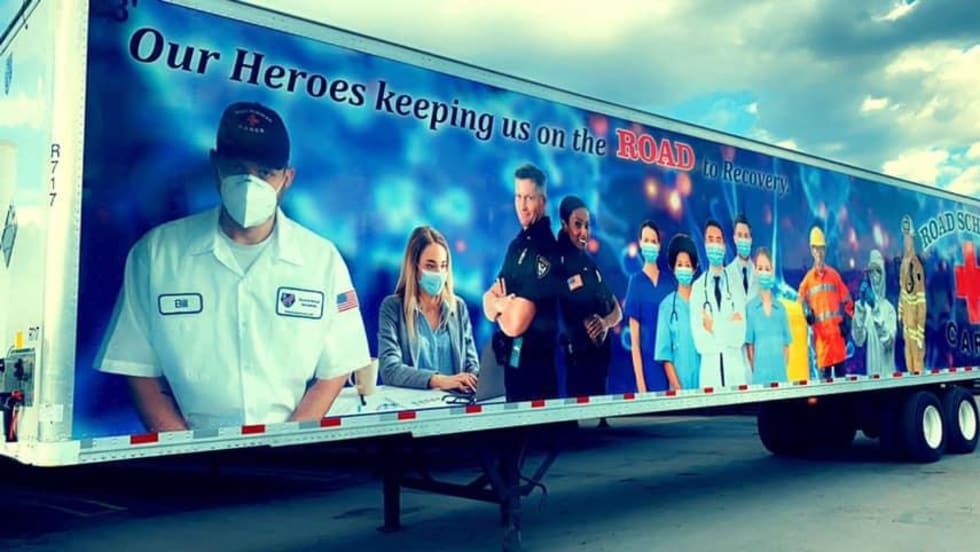
Wrapping a Trailer for COVID’s Everyday Heroes
“We don’t only deliver freight. We deliver awareness.” That’s what Jim Barrett, president and CEO of Road Scholar Transport, likes to say about the Dunmore, Pennsylvania-based carrier’s “awareness fleet.” Its latest trailer wrap honors the everyday heroes of the pandemic.
Read More →
How a Tanker Fleet is Using Unorthodox Trailer Lighting to Fight Rear-End Collisions
Groendyke Transport watched the number of rear-end collisions with its trailers rise steadily until it tried an unorthodox and then unapproved method of alerting following drivers that its trucks were applying brakes and slowing down.
Read More →
The Role Trailers are Playing in COVID-19 Funerals
In places such as New York City and Detroit, overwhelmed hospitals and mortuaries are using refrigerated trailers to store the bodies of people killed by COVID-19.
Read More →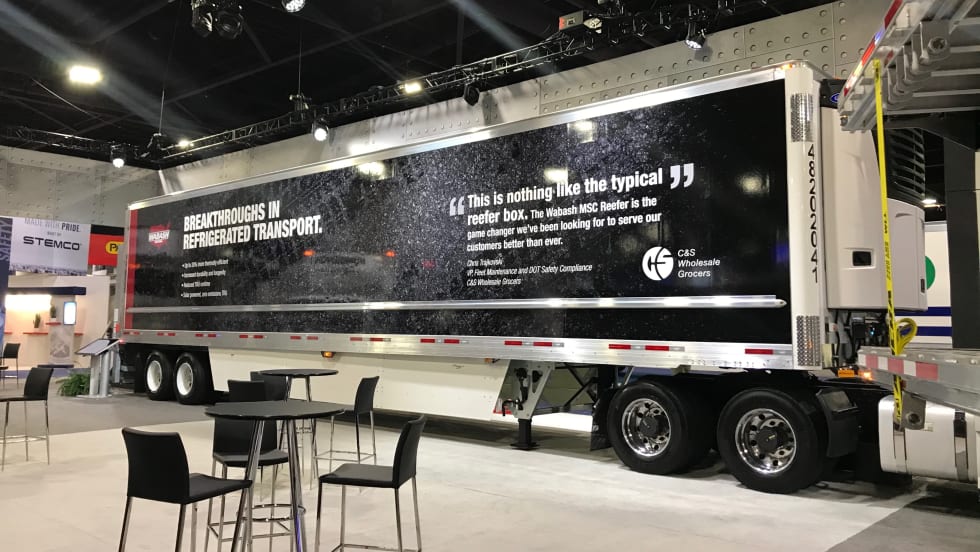
Reefer Trailer Aims to Help Reach Zero Emissions
Wabash National is partnering with C&S Wholesale Grocers to test a new type of zero-emissions refrigerated trailer.
Read More →