


 MENU
MENU SEARCHMENUSEARCH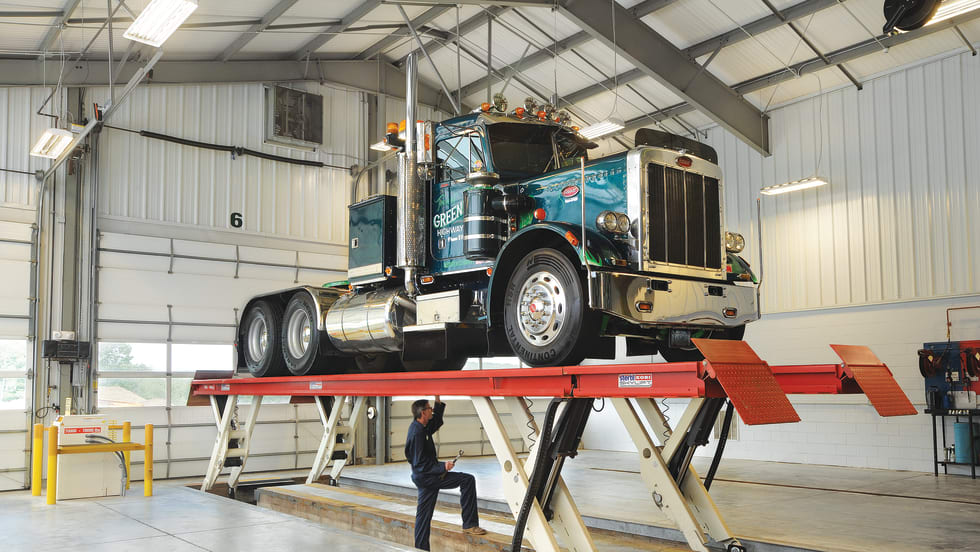
Whether you have lifts in your shop or not, there are some factors to consider before purchasing a lift or when determining whether the lift you have is right for your needs.
Read More →
The face of your company that customers (and often, their customers) see most is not that of the CEO, CFO, or even the fleet manager. It’s that of your driver. Who has a major impact on your company’s bottom line when it comes to fuel consumption efficiency, non-scheduled maintenance, and accident avoidance? Again, it’s your driver. So having the right metrics to evaluate driver performance is absolutely essential to the success of your business. But what are those “right metrics?”
Read More →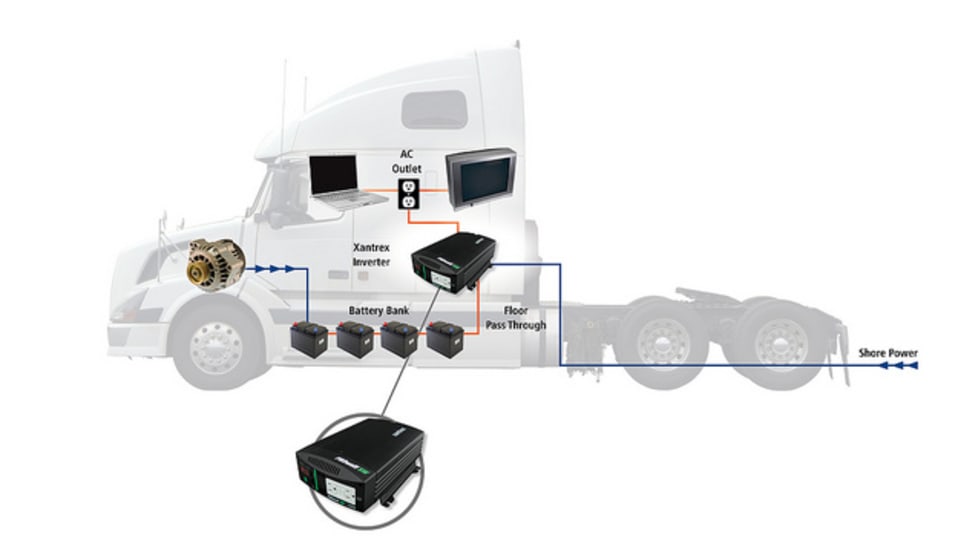
In Joe Egan’s office, a framed picture shows a long-haul tractor, or more precisely, its charred remains. “It’s not one of our trucks, but it illustrates what can happen when an electrical fire is caused by a bad inverter installation,” he says. “It gives a visual reminder to any driver who comes into my office what can happen if an inverter isn’t installed correctly.”
Read More →
Nobody balances trailer wheels, but oddly, they are the wheels on a truck most likely in need of balancing. With a few ounces of balancing material, those tires might easily run tens of thousands more miles before final removal.
Read More →
Is trucking in for a transformation? Many believe that long-haul trucking will become less important as regional operations grow and intermodal takes over more long-haul freight, and that will change the type of heavy-duty tractor bought by many trucking companies.
Read More →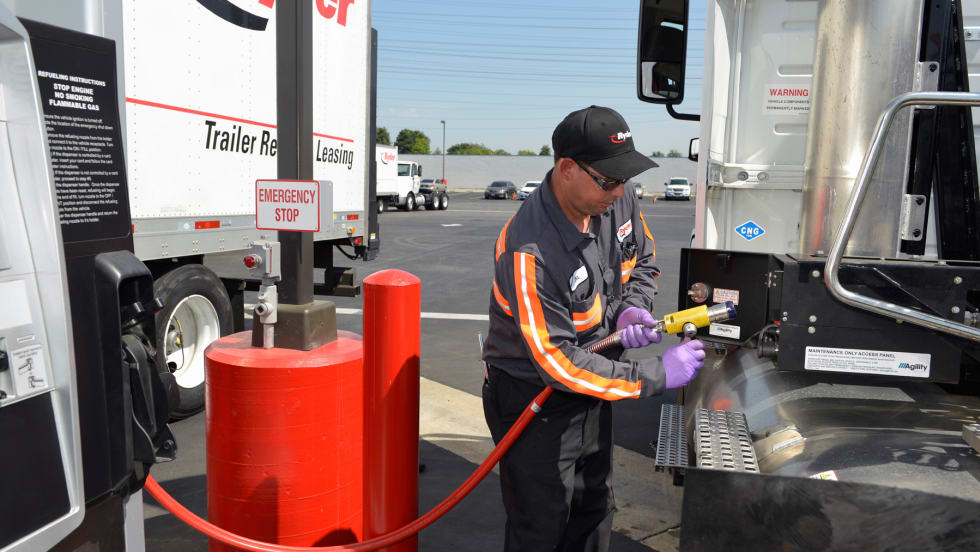
Fleets don’t always have a clear picture of what’s happening with their fuel purchasing plans. That’s become quite clear in the recent Pilot Flying J scandal, where the truckstop chain allegedly bilked customers out of fuel rebates.
Read More →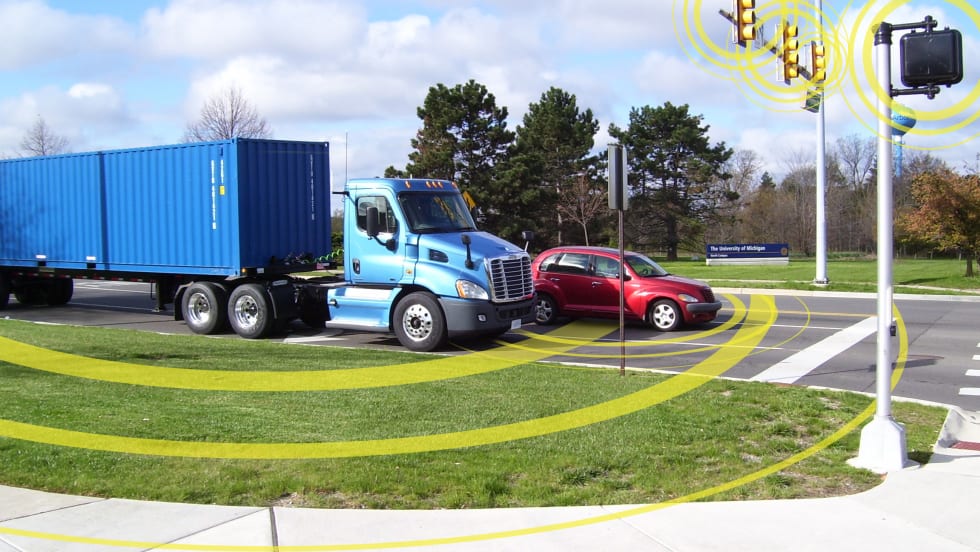
Intelligent highways, smart vehicles, connected transportation systems – sounds like the stuff of the future. In reality, though, many technologies currently found on our roadways reflect that future. In many cases they will be integral components of an intelligent transportation system. And the most important piece of technology might be the one most everyone now carries in their pocket, purse or backpack.
Read More →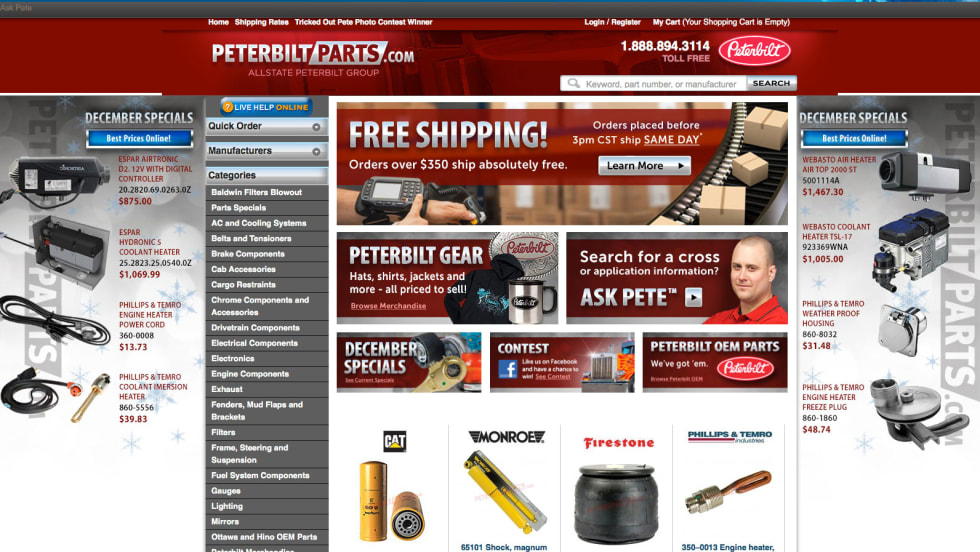
The Internet is opening avenues for parts purchases that never existed before. But does it make sense for you to consider adding online parts purchasing to your parts buying strategy?
Read More →
The FMCSA has revoked the operating authority of 8,180 brokers since Dec. 2, the date the federal agency began revoking authority from brokers without a $75,000 bond.
Read More →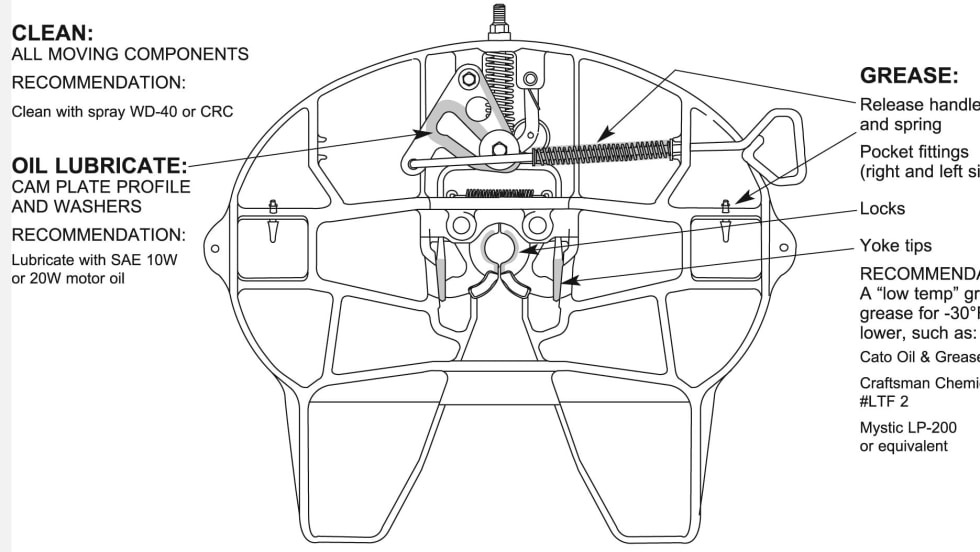
Winter temps can freeze all kinds of mechanical apparatus, including tractor fifth wheels. So it’s a good time to clean, inspect and grease these important appliances, but not the only time.
Read More →