


 MENU
 SEARCHMENUSEARCH
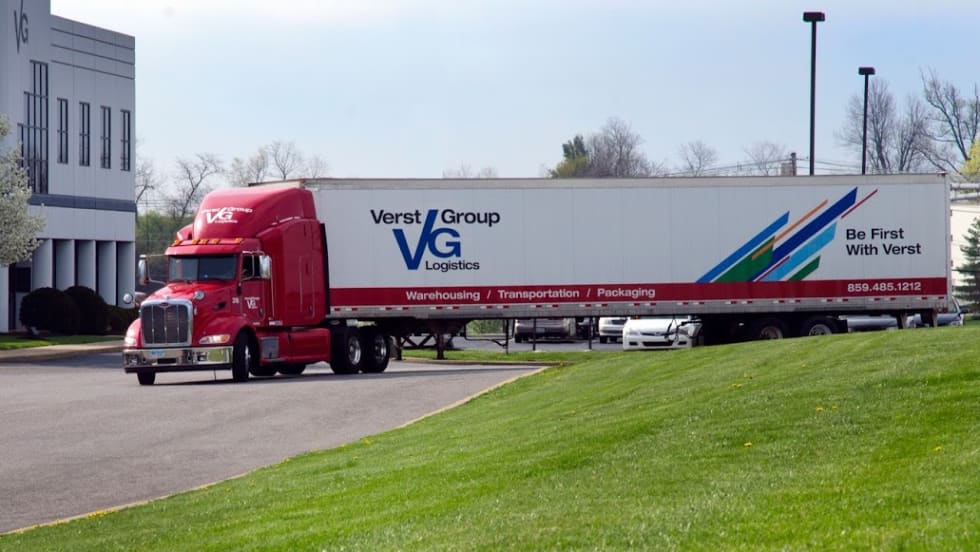
In 2012, Verst Group Logistics had zero Department of Transportation recordable accidents. In 2013, to prove the previous year wasn’t just a fluke, Verst only had one DOT-recordable accident. How did this Kentucky-based logistics provider, with a fleet of 90 power units and 250 trailers, attain such a low number of accidents?
Read More →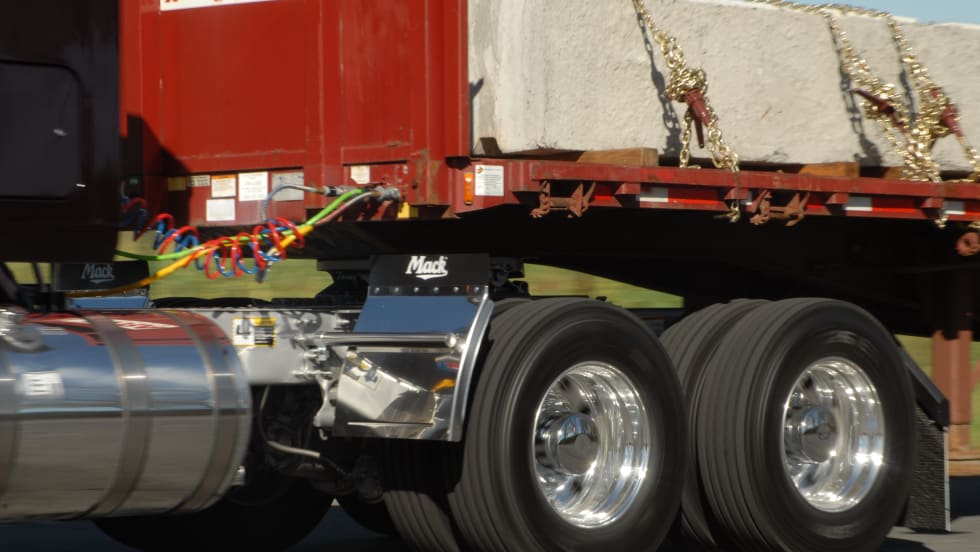
Unlike their human counterparts, dead tires do tell tales. And aside from underinflation and road strikes, the tales most commonly told of tires robbing their owners of full value revolve around alignment. Scrubbing and scuffing and driving tires off in different directions, poor alignment kills tires faster than almost any other mechanical malady.
Read More →
Remanufacturing has been in the news quite a bit lately. I recently wrote about the need to include remanufactured parts as an integral part of your fleet’s overall parts strategy.
Read More →
We have to stop thinking of our start/charge systems as simply a handful of separate components, and start viewing them as a system. From alternators to batteries and starters, cables and regulators, and even add-on components like low-voltage cut-off switches and DC/AV inverters, each can impact the component next to it.
Read More →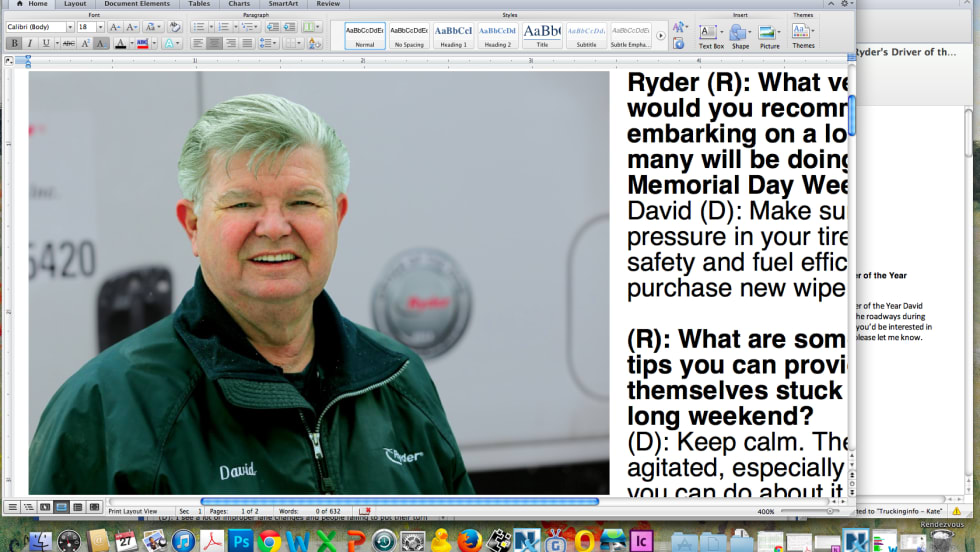
With Memorial Day nearly a month away, Ryder decided to interview its 2013 Driver of the Year David Hopper to find out what driving safety tips he could offer to those who will be on the roadways during the holiday weekend.
Read More →
With the ever-growing driver shortage looming, many motor carriers are lowering their hiring standards to fill their empty trucks. No company wants to turn down a job because they don’t have drivers to service the account.
Read More →
Today, fleets have an alternative to on-site rooms full of computer servers – using a hosted environment for your computing needs, known as cloud computing. In the cloud computing environment, the servers are maintained by a third party (or maybe your enterprise software vendor) and fleets access applications and data via a web interface.
Read More →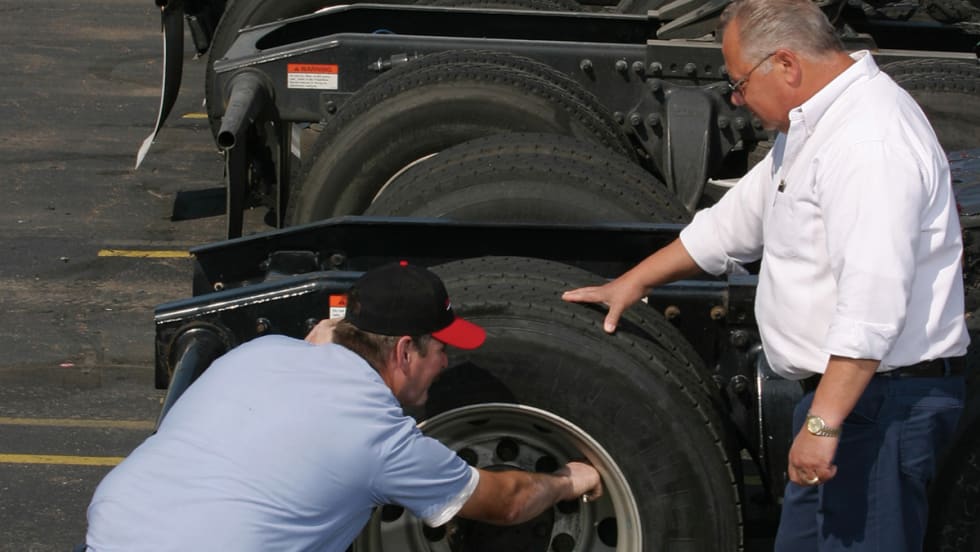
It seems the best you can expect from many drivers is a quick visual check that the tire is where it should be. Whether or not it's capable of holding air is another matter.
Read More →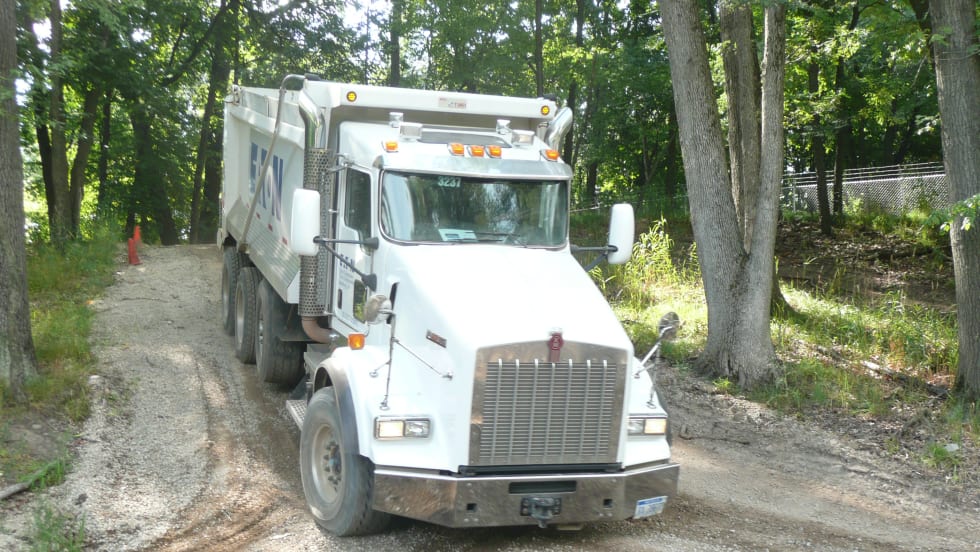
The swing continues toward heavy automated products, but manuals still dominate. Light and medium trucks are almost all ‘shiftless.’
Read More →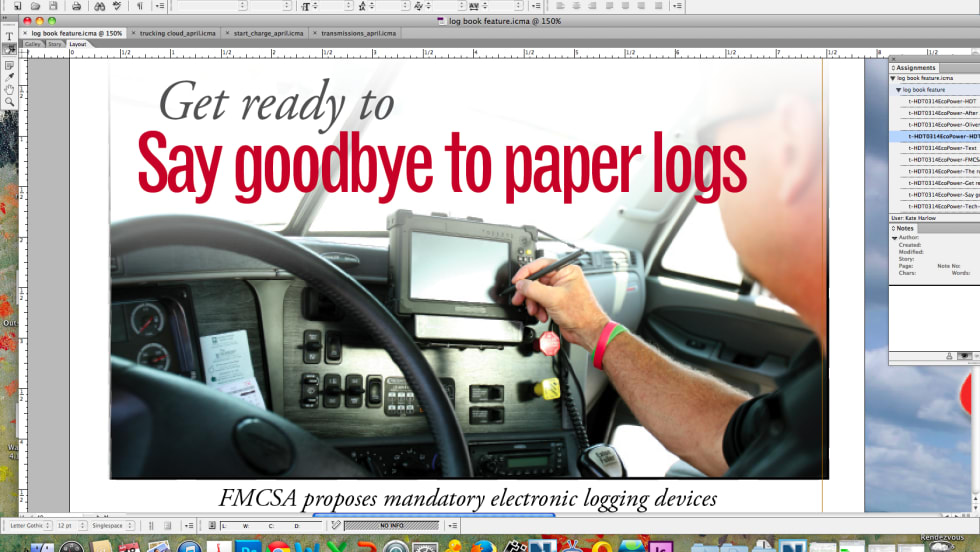
After 28 years of proposals, studies, drafts, revisions, legal battles and technological innovations – not to mention an Act of Congress – federal regulators are close to requiring most interstate commercial drivers to keep track of their work hours with an electronic device.
Read More →