




Why Telematics Fits Today’s Fleets
While trucking fleets aren’t required to have a telematics device aboard their vehicles, those that do have seen significant improvements in efficiency, productivity, and safety.


Increased visibility results in better safety measures, improved asset maintenance, decreased downtime, and an overall cost savings that makes the initial investment worthwhile.
Photo: Getty/5m3photos
There are few fleet professionals that question if they should invest in a telematics solution, but rather which telematics solution they should choose. For regulated fleets, the situation becomes even more complicated, since the savviest fleet managers see the benefit of bundling their electronic logging devices (ELDs) with a telematics solution to improve compliance and productivity.
As with ELDs just a few years ago, it’s a given that telematics is the future of fleet operations. As noted by worldwide management consulting firm McKinsey & Company, globally, fleet telematics is predicted to grow 23% each year over the next six years, emerging as $75-billion industry by 2025.
Those that are already using a telematics solution know that the technology is a win-win proposition. In a survey conducted in 2018 by Bobit Business Media and Verizon Connect, 74% of respondents who were using a GPS fleet tracking system said they considered it “extremely or very beneficial” in managing fleet, with 30% having realized a positive ROI in six months or less.
Vehicle tracking systems can transform the way fleets conduct business in the short- and long-term, aiding in day-to-day operations and enabling companies to collect and analyze data about fleet operations in near real time. Increased visibility results in better safety measures, improved asset maintenance, decreased downtime, and an overall cost savings that makes the initial investment worthwhile.
Identify What Telematics Can do for Your Fleet
With so many GPS tracking solutions on the market, choosing a provider — particularly one that complements an ELD solution — can quickly become an all-consuming, daunting task.
Among the first steps in the process is to identify the top challenge or challenges that require the need for a telematics solution. Next, familiarize yourself with how telematics alone or bundled with an ELD solution are able to address those problems.
Following are some areas where businesses are seeing fleet management solutions make a difference:
Safety: Real-time alerts enable you to identify and address poor driving habits, including, harsh braking and speeding. And in conjunction with an ELD you’ll be able to monitor your drivers’ hours of service, making sure that they remain in compliance and on the road. Use of monitoring solutions can reduce preventable accidents by 20 to 30%, through driver coaching according to McKinsey & Company.
Maintenance and compliance: Diagnostic alerts help managers stay on top of maintenance issues before they lead to catastrophic, non-revenue-generating downtime, and can cut maintenance costs by 5 to 10%, according to McKinsey & Company. More importantly, having insights into every aspect of maintenance also helps keep drivers in compliance, avoiding violations and being put out of service, by making sure key components such as lights, brakes, and tires are all in good working order.
Customer satisfaction: Telematics solutions can help improve or maintain a company’s reputation with customers and the public. Route optimization helps drivers get to their destinations safely, on time, and in compliance with their hours of service. Real-time status updates better predict arrival times to customers. Improved safety and environmental strategies, based on GPS data, also help bolster customer satisfaction.
Make an Informed Decision
It is crucial to partner with a provider who will be with you every step of the way during the telematics implementation phase and beyond. Take time to do your homework, starting with making a list of GPS fleet management providers. You may want to begin with some of the top names, such as:
Verizon Connect, the largest provider of fleet telematics systems with about 1.7 million units in service in the U.S.
Geotab, which reached 1 million units in service in 2018.
Fleet Complete, an AT&T partner that's among the largest providers in the U.S.
GPS Insight, another leading player that now counts about 140,000 units in service in the U.S.
Partnering with a reputable telematics provider that has a history in the industry might cost a little more up front, but it can pay off in the long run. There are many other providers, but not all have a proven track record that offers the assurance of staying power and resources to weather future digital disruption.
To narrow down your list, research online reviews and ask to talk to current clients about their experiences with their provider. Finally, ask for a live demo or a test period so you can determine if the solution is the right fit for your fleet. Some things to look for during a pilot include:
Scalability: You may not have the need or the budget to implement a full package of digital solutions right away. But as your fleet grows, the company’s mission evolves, or new challenges arise, you will need a solution and a partner that can grow and change with you.
Integration: Particularly if you want to bundle a telematics solution with an existing ELD, it’s important to know before committing to a full-scale implementation if the solutions are compatible or if you’ll need to find a telematics provider who offers an integrated ELD-telematics solution that is compliant to the Federal Motor Carrier Safety Administration (FMCSA) technical standards.
Training: The provider should include training both during implementation and beyond as part of its menu of services.
Customer Service: As with any new technology, it is inevitable for a few hiccups to occur during the implementation process. A reputable provider will make live assistance accessible to customers 24/7, preferably by phone and possibly by email or chat. A solution without support is likely one that will cause more headaches than they solve.
Innovation: A telematics solution should not only equip you to know what is happening in your fleet, but also offer predictive features to help you anticipate specific issues that could disrupt business operations. Prescriptive systems are emerging that take it a step further, not only telling you what is likely to happen, but also what you should do in response. Fleet technology continues to evolve, and you want to know your provider has the resources to stay current with innovations and keep your business relevant.
{incontentformtoken}
Choosing the right management solution now, whether you plan to bundle it with an existing ELD or have it operate beside it, will give your fleet a foundation on which to build a strong digital future. Take the first steps towards making this critical business decision today. Compare prices from top suppliers at Businessfleet.com.
More Electronic Logging Devices (ELDs)
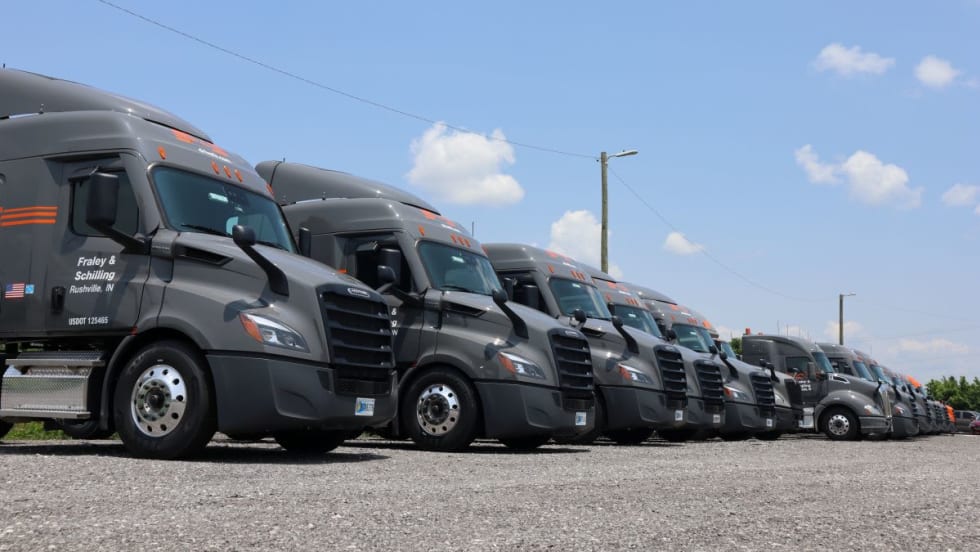
How Fraley & Schilling Improved Logbook Compliance by Over 50%
Fraley & Schilling needed a way to close a compliance workflow gap in its ELD system without adding more work from driver training, reminders, and back-office follow-ups. It found the answer in a custom driver app.
Read More →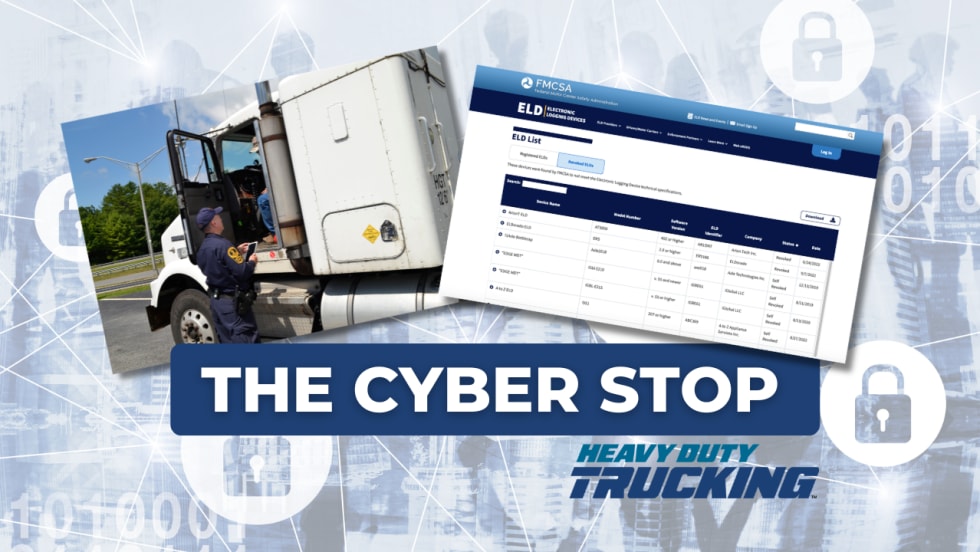
The Hidden Problem Behind FMCSA's ELD Revocations
NMFTA researchers say dozens of registered ELDs may be built on the same software platforms, allowing compliance and security concerns to persist even after individual devices are removed from the market.
Read More →
Basic Tracking vs Next Generation Fleet Technology
Fleet software is getting more sophisticated and effective than ever, tying big data models together to transform maintenance, safety, and the value of your existing tech stack. Fleet technology upgrades are undoubtedly an investment, but updated technology can offer a much higher return. Read how upgrading your fleet technology can increase the return on your investment.
Read More →
The ELD Hacking Threat: Q&A with Serjon's Urban Jonson
Electronic logging devices are easy prey for hackers looking to gain access to your fleet's data and IT systems. Urban Jonson with Serjon tells HDT what bad actors hope to achieve by hacking into ELDs and how fleets can protect themselves.
Read More →
How Trucking Fleets Can Get Control of False Driver Logs [Video]
Truck driver log falsification violations can lead to out-of-service orders, fines, bad federal safety scores, failed DOT audits, civil penalties, even nuclear verdicts. What can motor carriers do?
Read More →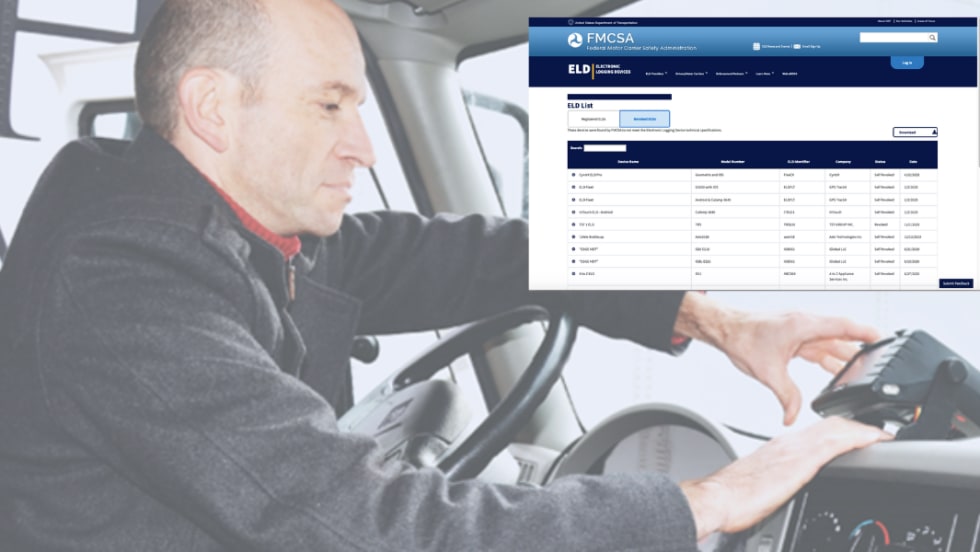
FMCSA Revokes 10 ELDs
Ten more electronic logging devices have been removed from the Federal Motor Carrier Safety Administration's list of registered ELDs fleets and drivers can use to meet the mandatory ELD regulations.
Read More →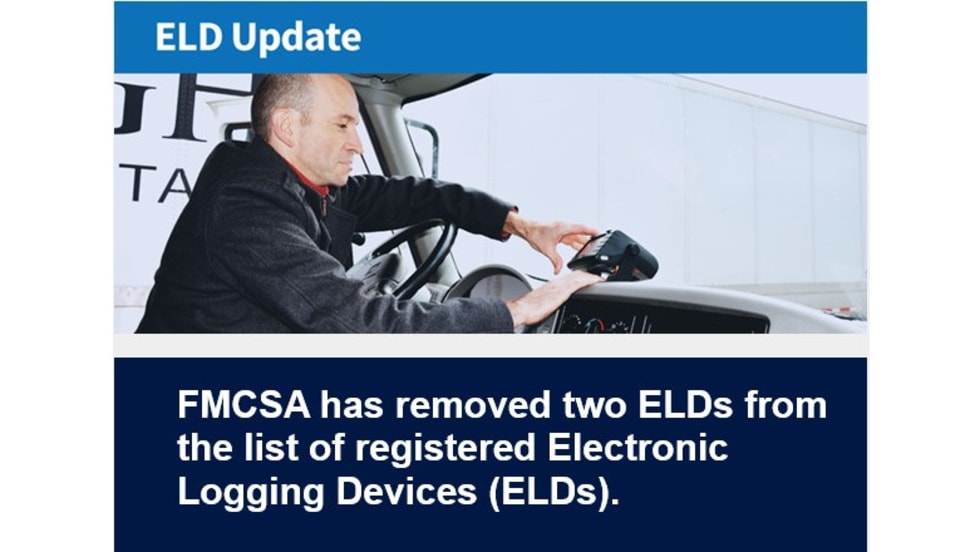
FMCSA Removes 2 ELDs from List of Registered Devices
The Federal Motor Carrier Safety Administration has removed Falcon ELD and KSK ELD from its list of registered, self-certified electronic logging devices.
Read More →
FMCSA Outlines Plans for Driver Detention Study
The Federal Motor Carrier Safety Administration plans to study driver detention, expecting approximately 80 carriers and 2,500 drivers to provide data.
Read More →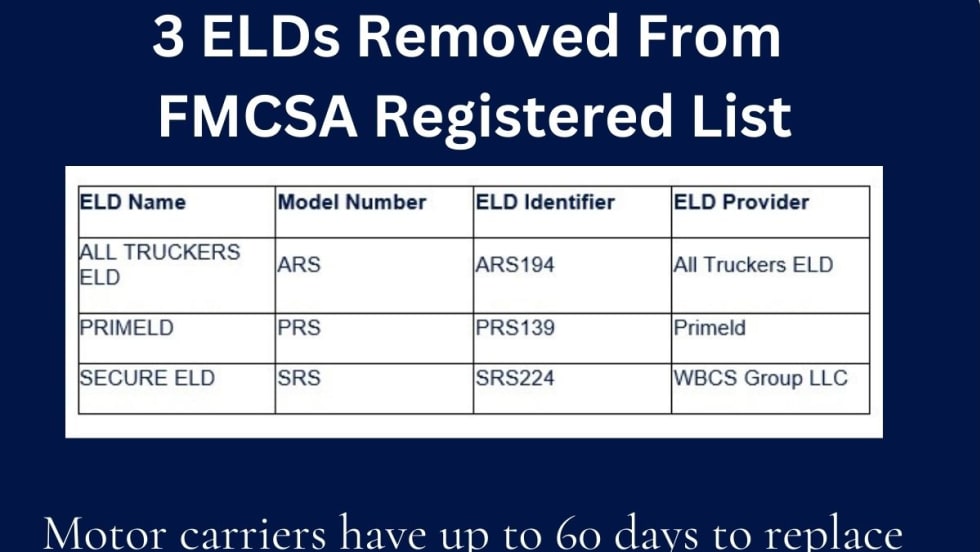
FMCSA Removes 3 ELDs from Approved List
The Federal Motor Carrier Safety Administration has placed three more electronic logging devices on the Revoked Devices list after they failed to meet the minimum requirements.
Read More →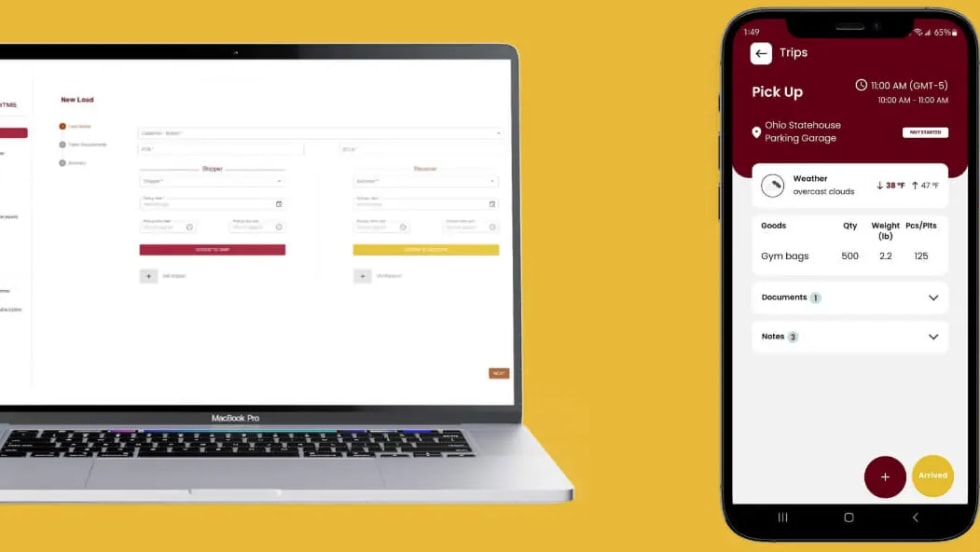
New Transportation Management System for Small Fleets
T3 Tech launches TrueTMS, a transportation management system for small trucking fleets.
Read More →