




What HD Distributors Should Know About Cloud Computing
Cloud computing has been getting a lot of attention in the information technology space. Before you put your head in the cloud, though, there are some things you should understand about the concept of cloud computing


Cloud computing has been getting a lot of attention in the information technology space. Before you put your head in the cloud, though, there are some things you should understand about the concept of cloud computing.
When people talk about cloud computing, they could be talking about a number of things. They could be talking about software-as-a-service, where users access the software via the Internet. Or, they could be talking about Web-based applications or Web services, where data or reports are presented as Web pages via a browser.
On the consumer side, a person who owns a personal tablet or mobile device may back their files up "to the cloud."
At its most basic definition, cloud computing refers to the use of software, hardware, storage and computing infrastructure over a network that is housed and operated by a third party.
Some experts make a distinction between cloud computing and software-as-a-service. SaaS is placing an application in the cloud and allowing customers to use that product. In this case, the cloud is the delivery mechanism.
For heavy-duty parts distributors and service shops, you are probably most familiar with SaaS products such as those offered by Karmak or AutoPower. Decisiv's maintenance management software is also cloud-based, as is Mitchell 1's Repair-Connect.net service.
For instance, Karmak's new software for the small business repair shop, Karmak Velocity, manages inventory, purchasing and billing with integrated Accounting, Service, Parts and Reporting -- all managed remotely on Karmak's secure server,
Some experts also make a distinction between public and private clouds. In a private cloud, the company that provides the software also maintains their own servers, which users access through a Web-based interface.
A public cloud would be like the cloud service that Amazon.com now offers. Software providers would offer their products using Amazon's servers and storage space rather than offering their product as a SaaS while maintaining their own servers.
A key benefit of cloud computing is that a company can implement new technologies with little or no infrastructure cost. But there is a cost, and in many cases, the cost for cloud-based software might be more than a traditional on-premises version.
The software costs is just part of the costs of running traditional software. Many estimate that the software makes up only about a third of the cost of implementing a full enterprise system. The rest of the cost is in infrastructure, such as servers and work stations, and the personnel to maintain the infrastructure.
With cloud computing, the costs come in different ways than in the traditional way of buying an enterprise system. In the old model, a company buys a software license upfront (remember, you don't really buy software - you buy a license to use the software) and then pays an annual software maintenance fee that was generally about 20% of the upfront fee.
With many cloud-based applications, there is no upfront license fee, but the annual maintenance fee has been replaced by a monthly subscription, usually based on the size of the operation or number of transactions.
For the software vendor, using the cloud means their costs to innovate is smaller and for their customers, their costs don't include servers and IT staff to run those servers.
The first benefit of cloud computing is lower total cost of ownership as compared to software installed on a fleet's own computers.
It's also easier to integrate with other systems you may use. And the hosting company takes over server maintenance and upgrade, so the customer doesn't have to worry about those things.
Plus, distributors can get access to more powerful computing and storage resources in the cloud and you get more flexibility. The user isn't tied to a specific desk, but can access information from any location with any device that has an internet connection. Or users can access information from a mobile device.
And it is much easier to add more computing power with the cloud as the business grows.
Not all will embrace the cloud. Some companies may decide it makes more sense for them to continue with their own IT infrastructure. Operations with multiple enterprise systems - say transportation, warehousing, manufacturing, etc., may not benefit from a cloud environment.
For larger operations that already own the servers and applications and employ and IT staff to maintain those servers, you may not want to change. Especially if you are using proprietary software your IT staff has developed specifically for your operation.
Another thing to consider is that not all existing software packages can be migrated to the cloud as is.
For some company managers, it's a personal thing: They don't want to lose "ownership" of their data, even though in reality, they aren't.
Cloud computing is an evolving options for warehouse distributors and repair shops. Before putting your business in the clouds, ask these questions:
1. Where are the servers located? Are they in the same office as the vendor's sales and marketing staff or are the servers in a safe and secure environment? Most advise a Tier 4 facility (the highest level of security and backups) that is staffed by professionals.
2. How secure are the servers? What is their uptime? How many backups do they have?
3. How often are the servers upgraded? What happens during an upgrade?
4. Can the vendor's cloud grow with your business? How scalable is the software?
5. What kind of backup/redundancy/disaster plan do you have? What happens when the system goes down?
6. Who has access to my data and are there any restrictions to my access? How real time is the access? How granular is the data that is stored? Can I use the data any way I want?
More Aftermarket

What Three Fleets Are Doing Differently When Buying Truck Parts in 2026
With freight improving but costs still climbing, fleet maintenance executives explain how they're balancing price, quality, and supplier relationships.
Read More →
ConMet Expands Aftermarket Brake Drum Lineup With TruCast
A new heavy-duty truck brake drum option in the aftermarket gives customers more flexibility within the ConMet product family.
Read More →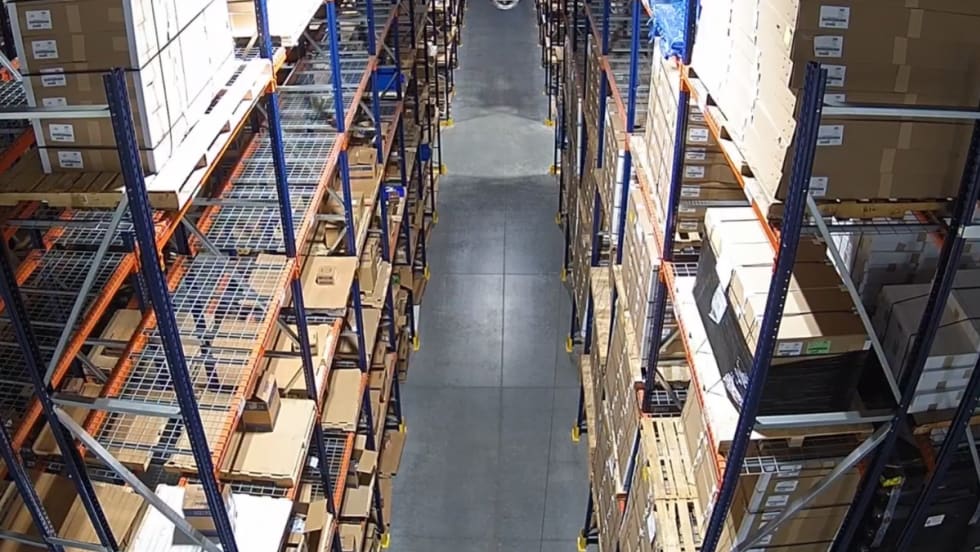
Phillips Opens High-Tech Distribution Center for Faster Parts Delivery
Phillips Industries’ new Cincinnati-area distribution center is now shipping aftermarket trucking parts nationwide, aiming to speed up delivery times for customers.
Read More →
Volvo to Sponsor America’s Road Team for 2025
Volvo Trucks announced that it is extending its exclusive sponsorship of America’s Road Team for 2025.
Read More →
Webb to Start Taking Orders for UltraSet Pre-Adjusted Wheel Hubs
Webb, which recently acquired the Stemco Trifecta pre-adjusted hub program, will soon start taking orders for its replacement pre-assembled hub, the UltraSet.
Read More →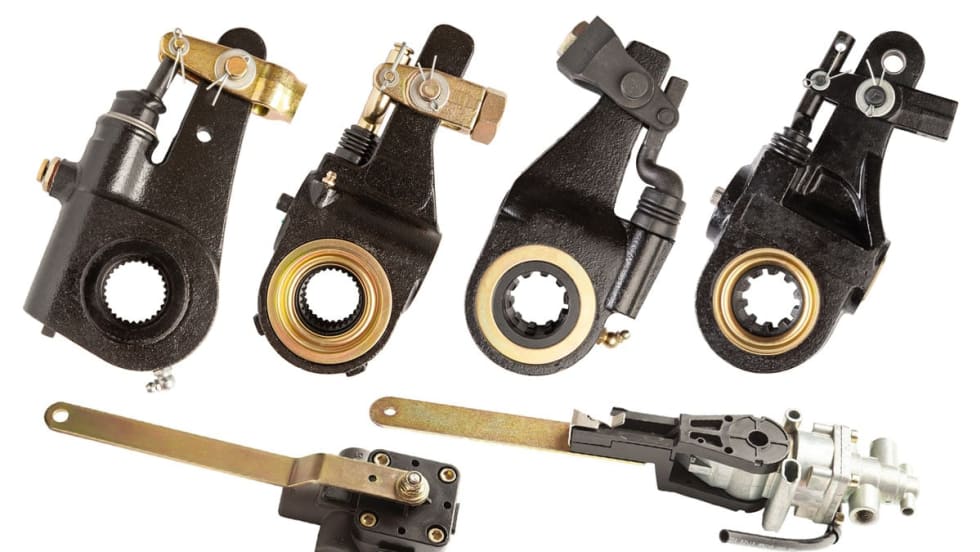
All-Makes Automatic Brake Adjusters, Ride Height Control Valves from Midland
SAF-Holland has added automatic brake adjusters and ride height control valves to its Midland All-Makes Program.
Read More →
ZF Aftermarket Expands [pro]Academy Training
ZF Aftermarket said it is expanding its ZF [pro]Academy training and will be adding 40 new modules this year.
Read More →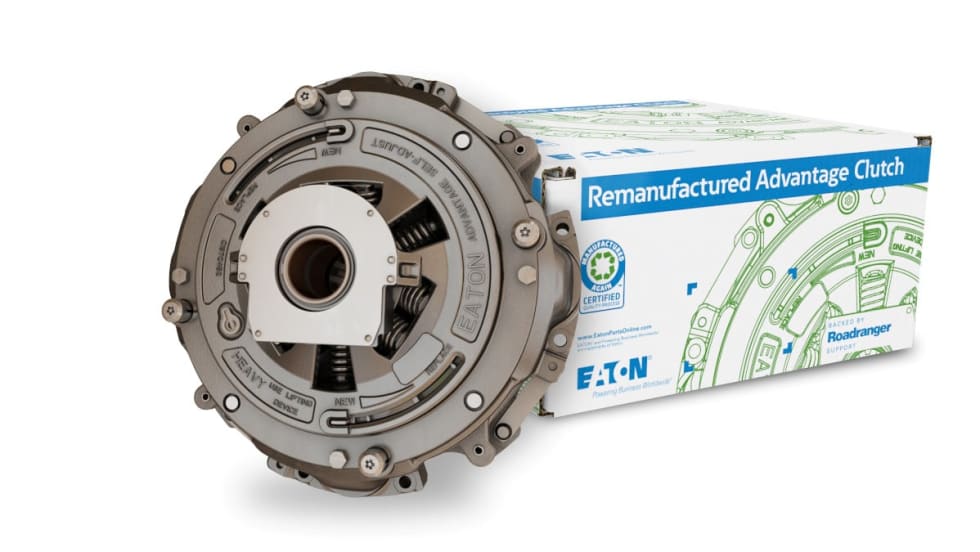
Eaton Adds Remanufactured Advantage Line of Clutches
Eaton has added its Advantage clutches to its remanufactured product line. The clutches feature a unique strap drive intermediate plate designed to allow customers to choose the latest OE specification
Read More →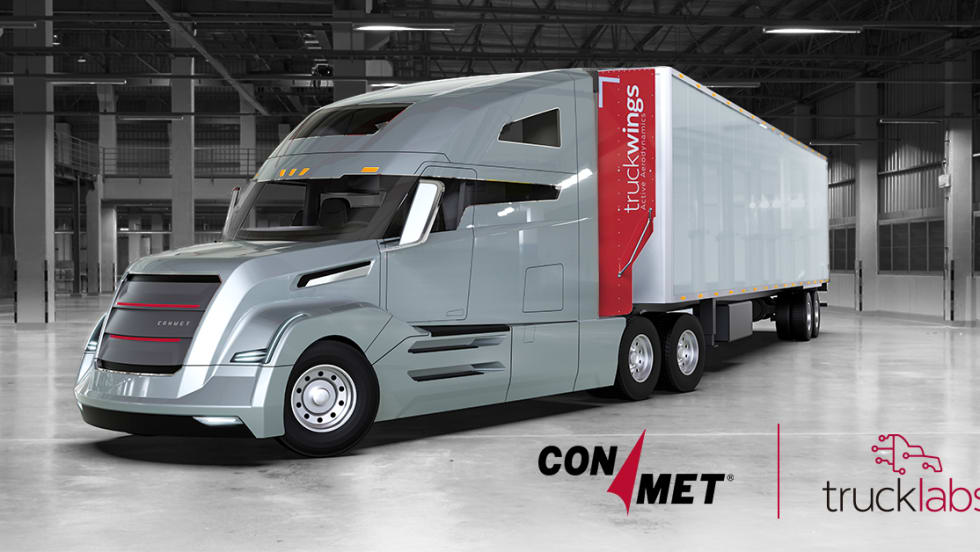
ConMet Acquires TruckLabs, the Creator of TruckWings
Commercial truck and trailer parts provider ConMet acquired TruckLabs, the company that created TruckWings, an aerodynamic device that attaches to truck cabs and deploys to close the gap between truck and trailer. TruckLabs now operates as a subsidiary of ConMet.
Read More →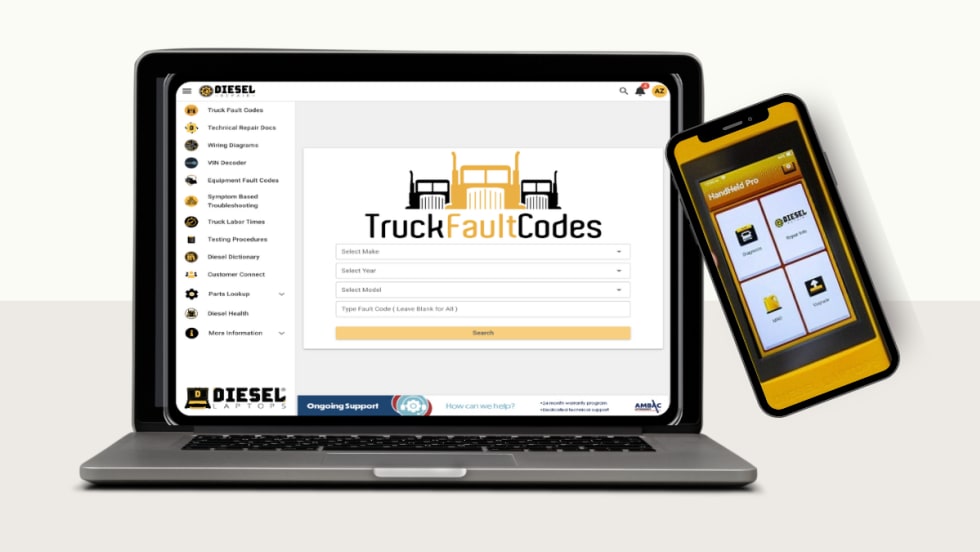
Diesel Laptops Releases Fault-Code-to-Part-Number Tool
Diesel Laptops said its Truck Fault Codes allows users to input a fault code and immediately identify and order the parts needed to complete repair work.
Read More →