




What Has ATA Done For Us Lately? Plenty.
ATA may not be perfect, but it's better than some people think.


A truck operator's recent e-mail suggested that the American Trucking Associations' acronym, ATA, would more practically stand for the "Anti-Trucking Association." Then he posed this question: "When was the last, or first, time they did anything for the trucking industry?"
There have been times when ATA's effectiveness on certain issues has been less than stellar. But not many. Even so, that reader's e-mail – though just one person's honest opinion – makes me wonder how many others in trucking feel as he does.
Let's see. Wasn't it ATA that made Highway Watch into a national security support system that is putting away criminals? It started in 1998 and, last I heard, some 250,000 people have been trained in anti-terrorism and safety. (ATA also formed a Security Council to help develop training, information exchange and new technologies).
Who's shouldered the bulk of the load for trucking in the debate over hours of service rules? Along those lines, the American Transportation Research Institute (an arm of the ATA) is researching the good/bad of the new sleeper berth rule – research that can be used to bring about changes, if needed.
Wasn't it ATA that testified to the Senate Commerce, Science and Transportation Committee, pointing out that current multiple-check transport worker security screening should be consolidated?
Isn't it ATA's engineering department that works with manufacturers and coordinates industry positions on equipment regulations?
Example: ATA's input is critical in the National Highway Traffic Safety Administration's current push for 20-30 percent shorter stopping distances on three-axle tractors.
What about the Technology & Maintenance Council, made up of the country's top equipment managers? TMC works with manufacturers to develop the best possible maintenance practices for everyone – members or not. Yep – yet another arm of the ATA.
Who's been preaching to Congress for years that there should be a national fuel standard? Who just supplied industry people with talking points to use with the media and legislators to help them understand our fuel dilemma? Where did America's Road Team, that premier group of drivers that gets so much favorable media exposure, come from?
Was that ATA joining the Owner-Operator Independent Drivers Association, warning truckers of possible pitfalls in a model broker-carrier contract? And didn't ATA and the Truckload Carriers Association recently put together a student driver tuition program?
Who joined the fight to stop a California engine regulation that would run up reefer costs nationwide, and appealed to the U.S. Supreme Court to review Oregon's flat fee tax that would do the same?
Who do you think carries trucking's flag in the perpetual battle over federal highway funding?
As for the distant past, how about the '70s, when NHTSA first attempted to force unproven antilock devices on trucks? The reg was ultimately thwarted by a Supreme Court lawsuit brought by ATA and its members. That probably averted a bloodbath on our highways.
I would be remiss if I didn't mention that ATA's public relations efforts over the past few years have been the best. Sadly, we have lost the man most responsible for those successes, in a rafting accident. As ATA spokesman, Mike Russell conveyed enthusiasm, common sense and a deep affection for trucking, especially for drivers. His are big shoes to fill.
ATA is not a stand-alone faction. It is an alliance of citizens – truck operators, state trucking associations, and industry manufacturers and suppliers. That alliance gives trucking a voice it would not otherwise have.
Those members often clash, debate and criticize among themselves, as in a democracy. And as in a democracy, ATA's resultant actions are not always win-win for all.
In other words, the system is working.
Doug Condra
President
E-mail Doug Condra at dcondra@truckinginfo.com, or write PO Box W, Newport Beach, CA 92658.
More Fleet Management
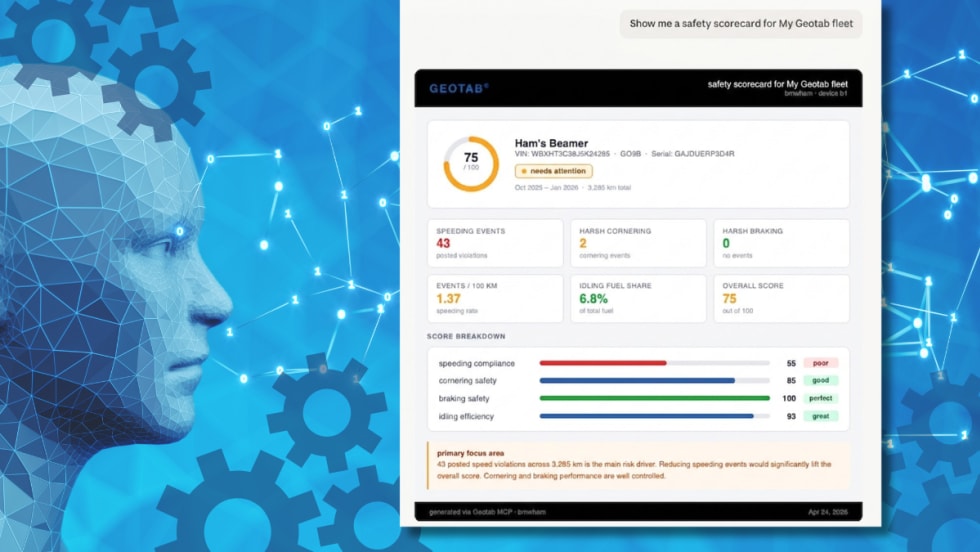
What Geotab's New AI Connector Means for Fleets
Fleets can now ask their usual AI assistants questions about maintenance, safety, fuel use, and vehicle performance, using their live Geotab data, and take action on the answers without leaving their preferred AI tool.
Read More →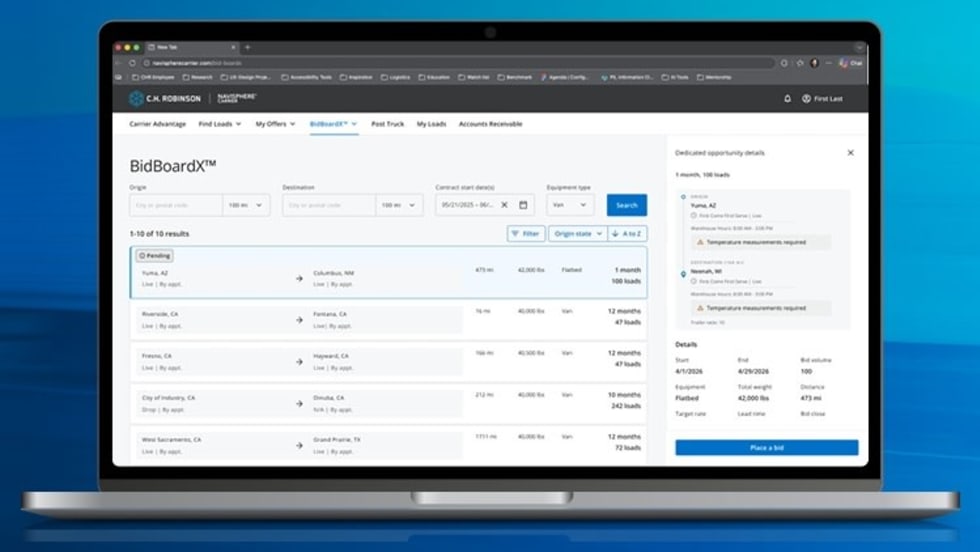
New C.H. Robinson Tool Opens Door to More Predictable Freight
BidBoardX lets carriers search, bid on, and secure committed freight opportunities through a single digital marketplace.
Read More →
New York City's Microhub Project is Delivering Results
Trucking, last-mile delivery companies, and environmental advocates like what they are seeing so far with New York's microhub program.
Read More →
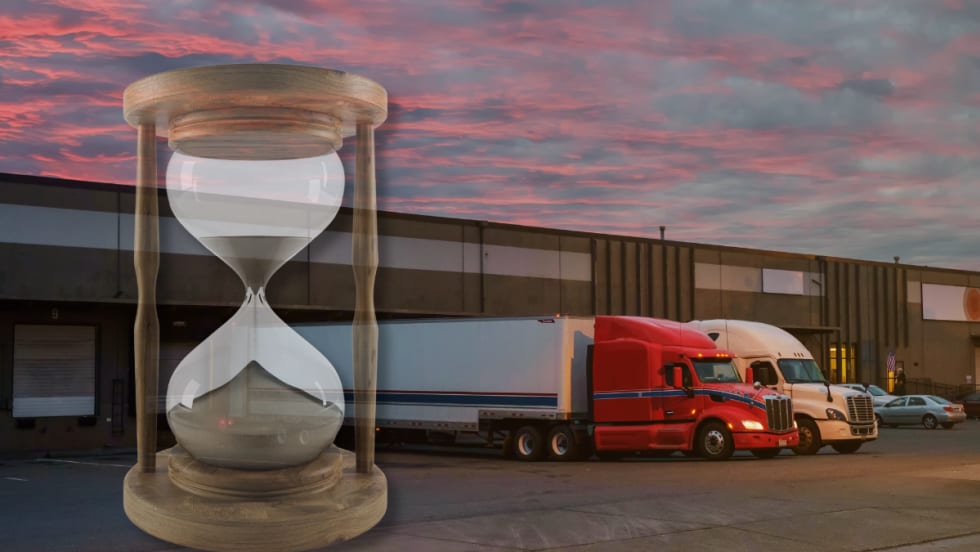
Why Truck Detention Keeps Costing Fleets Time and Money
A 2024 ATRI study found detention affects nearly 40% of truckload stops and costs the industry more than $15 billion annually. Despite the toll on drivers, fleets, and supply chains, the problem remains stubbornly persistent.
Read More →
Time is Running Out to Apply for Exclusive HDT Event
Heavy Duty Trucking Exchange brings fleet managers and suppliers together for the deeper conversations that lead to ideas, partnerships, and solutions. Time is running out to apply for the September event.
Read More →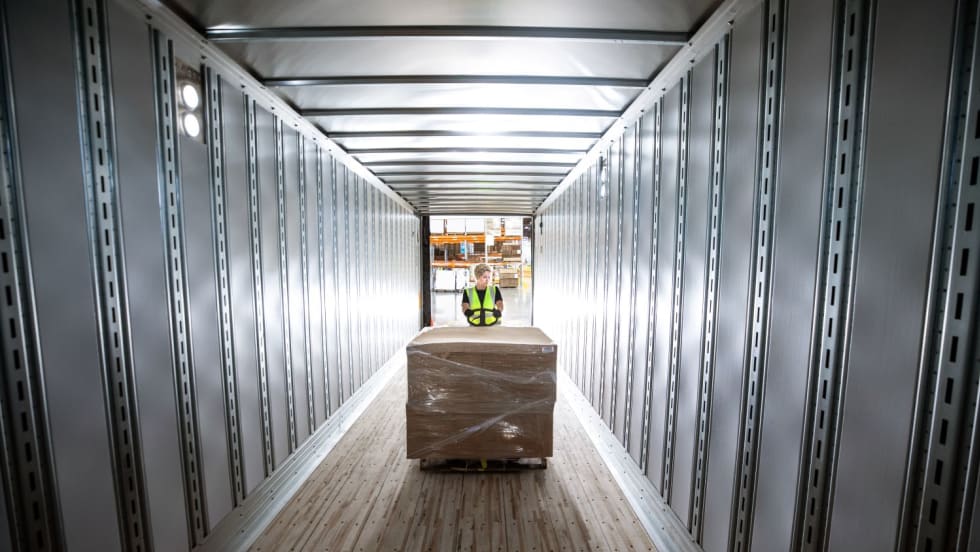
Amazon Launches Less-Than-Truckload Freight Offering for All Businesses
This launch is the latest addition to Amazon Supply Chain Services, a portfolio of supply chain capabilities from Amazon, including freight, distribution, fulfillment, and parcel shipping.
Read More →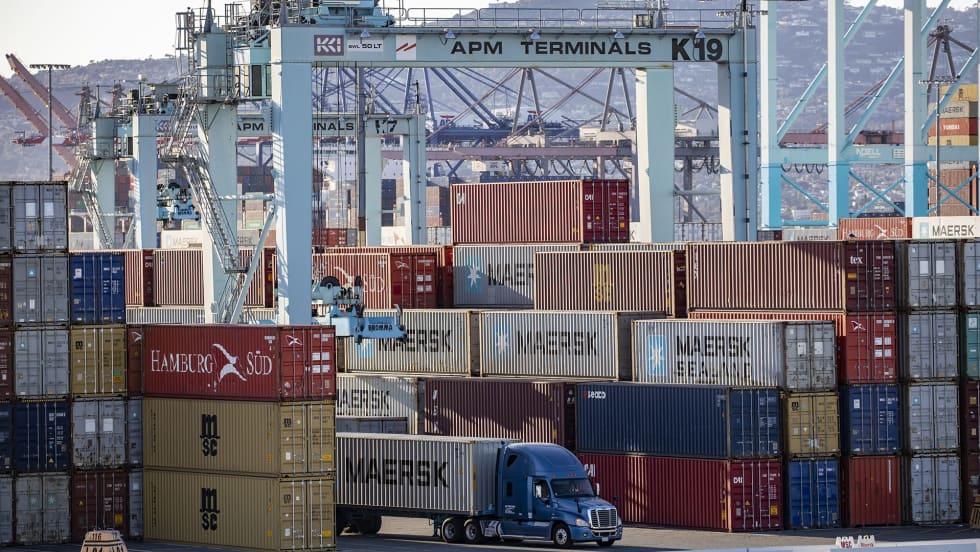
Import Cargo Volume to See Year-Over-Year Gain Again in June, Then Remain Below 2025 Levels Into Fall
After July, the report predicts a weakening in import volume as consumer uncertainty remains high and the impact of increasing inflation takes its toll.
Read More →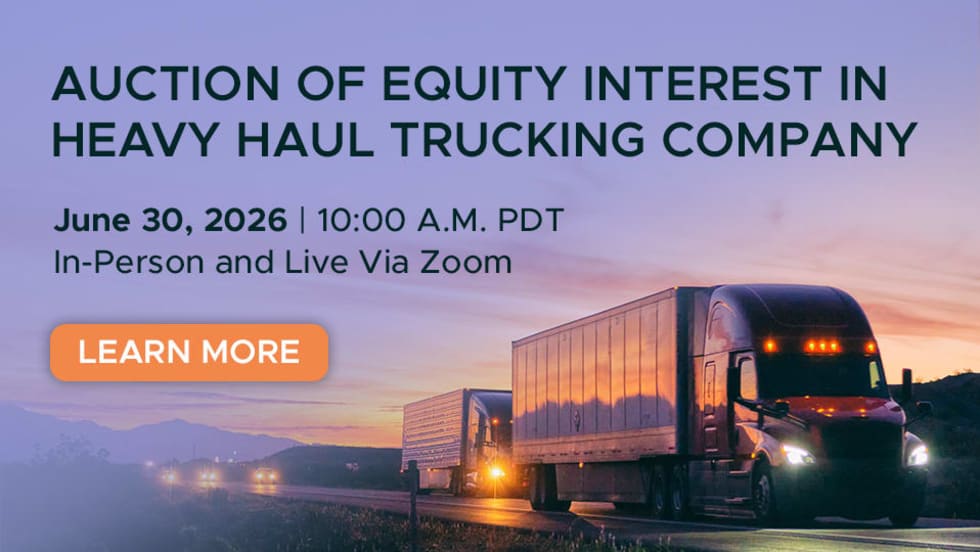
AUCTION OF EQUITY INTEREST IN HEAVY HAUL TRUCKING COMPANY!!
Mark your calendar: June 30, 2026 (10:00 a.m. PDT). A 37.5% ownership interest in MagnaTrans, LLC, a California limited liability company doing business as Magna Transportation Group, will be sold in an in-person and online auction to the highest bidder or bidders under Article 9 of the Uniform Commercial Code. The Rancho Cucamonga-based heavy haul and over-dimensional trucking company operates across California, Oregon, and Arizona.
Read More →
Volvo Trucks Adds Unattended Over-the-Air Software Update Capabilities
The latest evolution of Volvo’s over-the-air update technology allows software updates to run while trucks are parked, helping fleets keep vehicles current without disrupting operations.
Read More →
How Waste Connections is Using Data, Telematics, and AI
How do you manage and maintain more than 18,000 connected trucks? Data. Lots of it.
Read More →