




Westport Opens WiNG Conversion Facility at Ford's Kentucky Truck Plant
Westport Innovations yesterday celebrated the grand opening of a facility for installing its WiNG bi-fuel conversion for Ford F-250 and F-350 pickups. Workers are starting to add natural gas systems to the gasoline-powered trucks, with production planned for gradual ramp-up to as many as 20,000 a year


Westport Innovations yesterday celebrated the grand opening of a facility for installing its WiNG bi-fuel conversion for Ford F-250 and F-350 pickups. Workers are starting to add natural gas systems to the gasoline-powered trucks, with production planned for gradual ramp-up to as many as 20,000 a year.
Called the Westport Kentucky Integration Center, the facility is across the street from Ford's Kentucky Truck Plant east of Louisville, said John Howell, senior director of marketing and business development for Westport Light Duty.
Close proximity allows new trucks to be taken to the Westport building and, when the WiNG installation is complete, to be returned to Ford's premises. From there the trucks are shipped by regular transporters to authorized dealers. To ensure factory quality, the Louisville-area facility is the only one that will do the WiNG conversions, he said.
"With bi-fuel, people don't need to worry about finding natural gas fuel," Howell said of the WiNG system's either-or capability. "They can run on gasoline if they need to. They should use natural gas most of the time, however."
The WiNG Power System is designed, built, installed and delivered "key-ready" to customers through Westport LD-authorized Ford dealers, he said. Westport is a Qualified Vehicle Modifier, so the Ford vehicle warranty remains intact and the additional components are warranted by Westport LD to the same levels.
Sixty Ford dealers have won Westport LD authorization, with more being added every week and 100 expected to be signed up by year's end, he said. Dealers must train at least one technician on the Westport system, stock methane-detection and leak-detection tools, and have the shop approved by a local fire marshal.
Dealers will not keep parts inventories. Parts are being stocked at the Louisville facility and can be shipped overnight to any dealers needing them, he said.
A WiNG Power System conversion costs $9,750, with discounts on orders of 25 or more, Howell said. Natural gas prices are now about half those of gasoline, which will make up the conversion cost and then greatly lower operating costs. So the system is best used on trucks that run a lot of miles and carry heavy payloads.
For now conversions will be done only on F-250 and 350 pickups. Later, WiNG will be available on bed-delete trucks, F-450 and 550 cab-chassis vehicles, and vans.
Howell expects natural gas vehicles to take a larger share of vehicle sales as fueling stations are built. "It's now just 1% or so," he said. "It'll grow as infrastructure building takes place, on the main highways and on on back roads. Users are now dependent on their own facilities.
"In light duty, we're on a path now for natural gas to be a significant percentage," he continued. "In 10 years, it could be getting a third of light duty - the upper end of light duty, but lighter can come, in the F-150 and lighter vans. With them I can see 10-20% penetration in 10 years.
"As fueling infrastructure goes, so goes the business."
More Products

More Trailer Data Through the Same Seven-Way [Video]
Can trucking’s standard seven-way connector handle more cameras and trailer data? Grote’s Adam Slade shows HDT how the company is using new technology with its 4See trailer system, not only to add a new backup camera but also to expand other capabilities — without adding another connection.
Read More →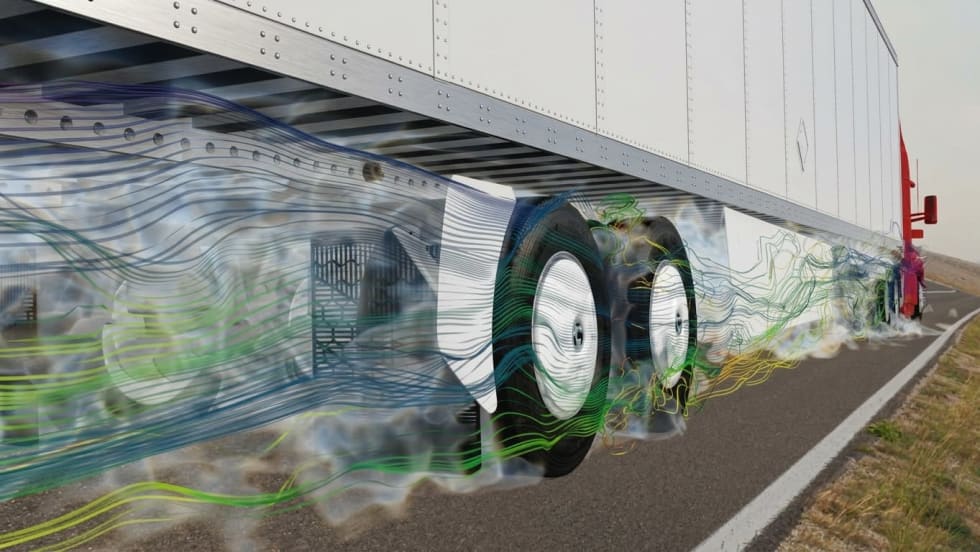
FlowBelow Redesigns Trailer AeroSlider to Cut Fuel Use
The lighter trailer aerodynamic system installs in less than 45 minutes, according to the company, with potential payback in under a year depending on fuel prices and trailer mileage.
Read More →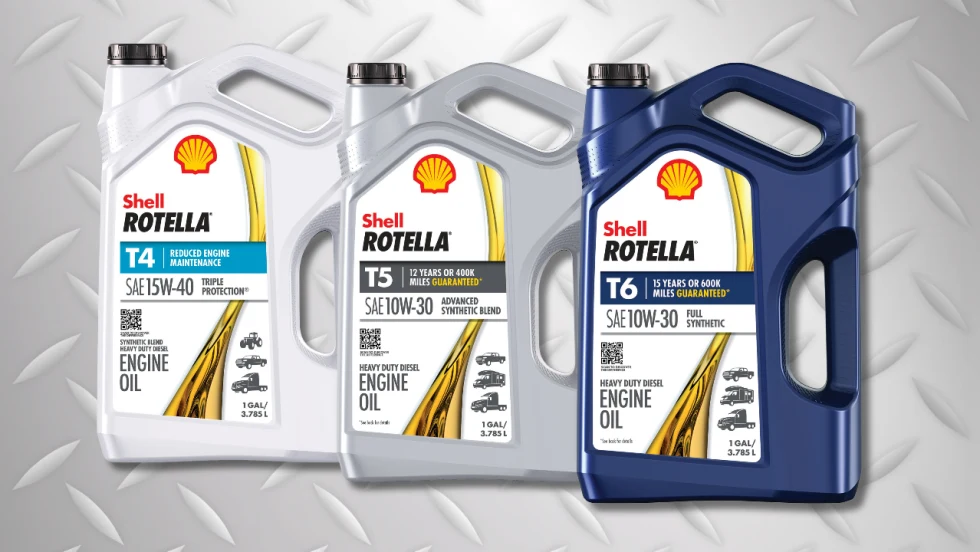
Shell Prepares Rotella Oils for 2027
New CL-4 and FB-4 formulations will begin arriving in early 2027, with improved protection against oil breakdown, wear and deposits, according to Shell.
Read More →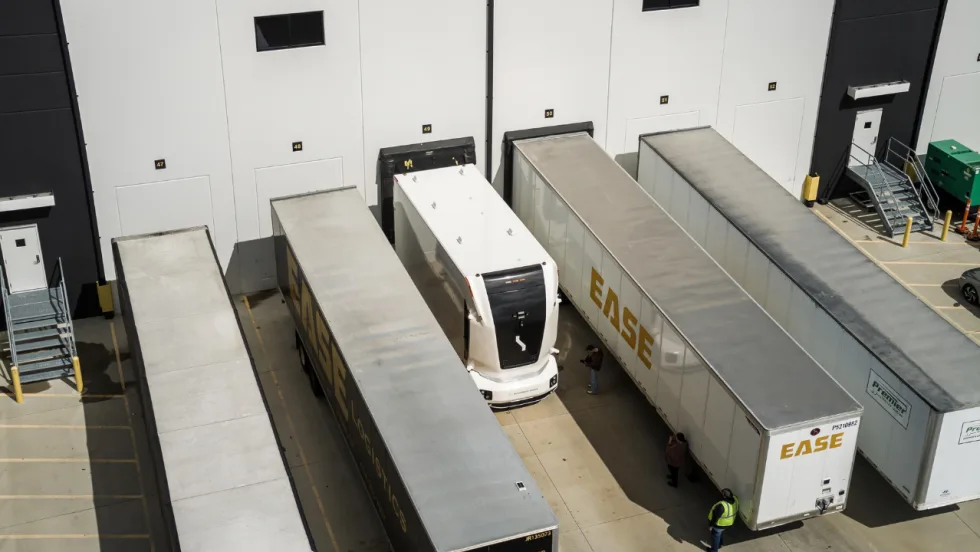
Einride Driverless Electric Trucks Begin Daily Freight Operations in Ohio
Two cabless electric trucks are hauling freight between EASE Logistics facilities in Marysville, Ohio, as part of a multi-state truck automation project.
Read More →
Continental Introduces New Regional Truck Tires
Continental says its new Generation 5 steer and drive tires for regional operations offer longer tread life, with estimated mileage gains of 22% and 19%, respectively.
Read More →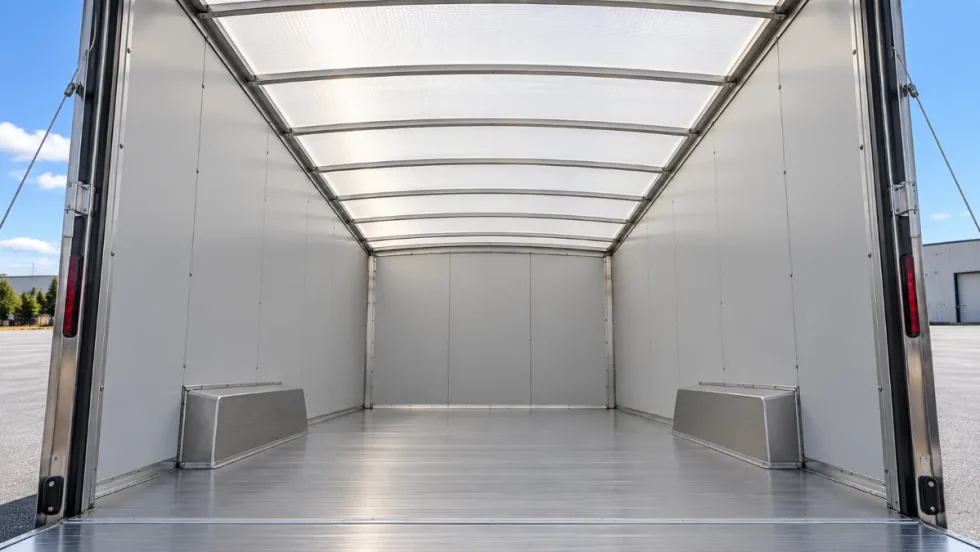
Tekmodo Introduces CargoBright Brand for Translucent Trailer Roofs
CargoBright is designed to diffuse daylight across the cargo area while performing as a working vehicle roof.
Read More →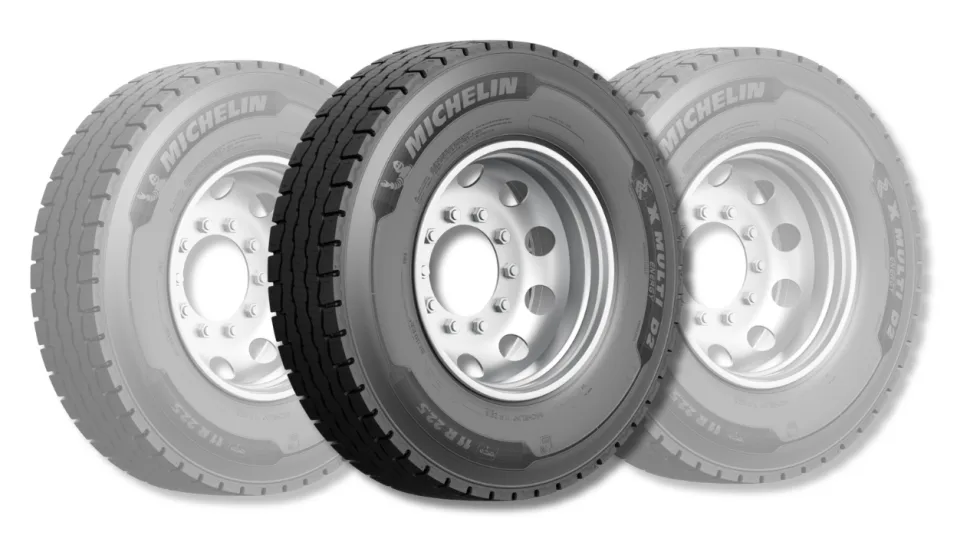
Michelin Tire Improves Efficiency and Durability for Regional Fleets
The Michelin X Multi Energy D2 is a regional haul drive tire engineered to help fleets improve fuel efficiency, durability and traction in demanding stop-and-go operations.
Read More →
What Geotab's New AI Connector Means for Fleets
Fleets can now ask their usual AI assistants questions about maintenance, safety, fuel use, and vehicle performance, using their live Geotab data, and take action on the answers without leaving their preferred AI tool.
Read More →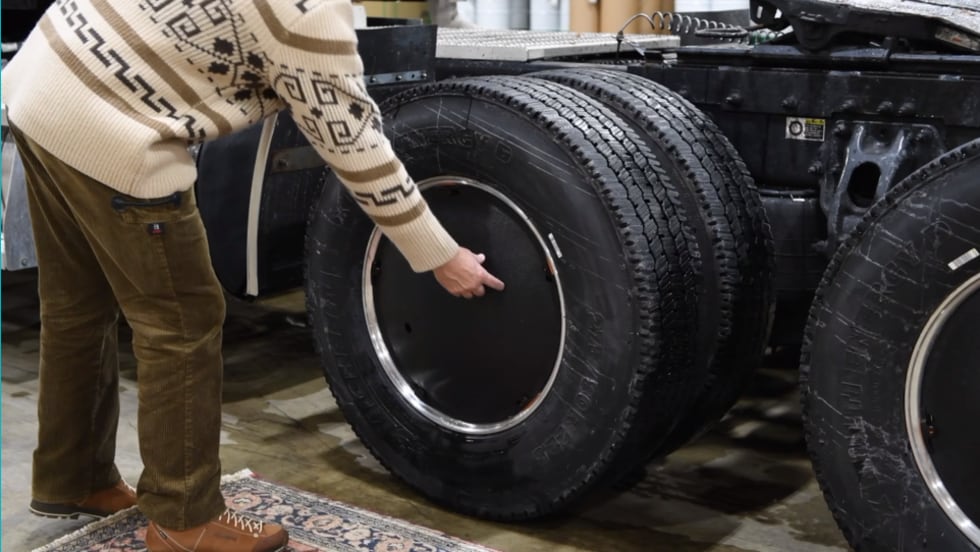
Deflecktor: Hubbub Aerodynamic Wheel Cover Cost-Effective Even for Trailers
Aerodynamic wheel covers can deliver small but meaningful fuel-economy gains for fleets, and Deflecktor says its latest design aims to make the technology easier and more affordable to deploy.
Read More →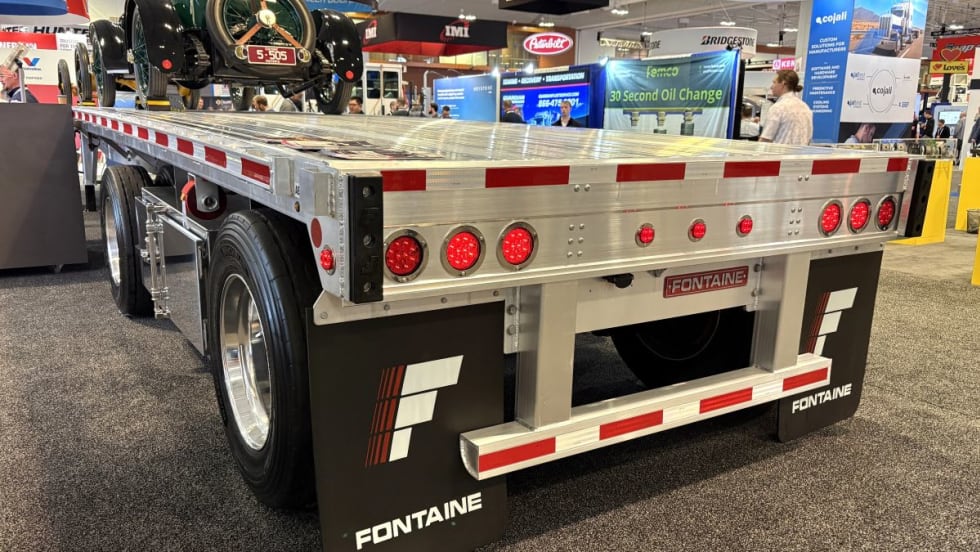
Fontaine Expands Flatbed Lineup with New Fleet-Focused Models, Eyes 2027 Launch
Fontaine is broadening its flatbed lineup with new models aimed at fleets, including a lightweight aluminum trailer expected in 2027 that emphasizes durability, repairability, and lower cost.
Read More →