




UPS Offers Keys to Fuel Efficiency
You would be hard-pressed to find a company more enthusiastically pursuing efficiency than UPS. After all, this is a company that has determined that its no-left turns policy across North America has saved almost 10 million gallons of fuel over the last 10 years. So we asked UPS to distill its fuel-saving philosophy into three bite-sized ideas.
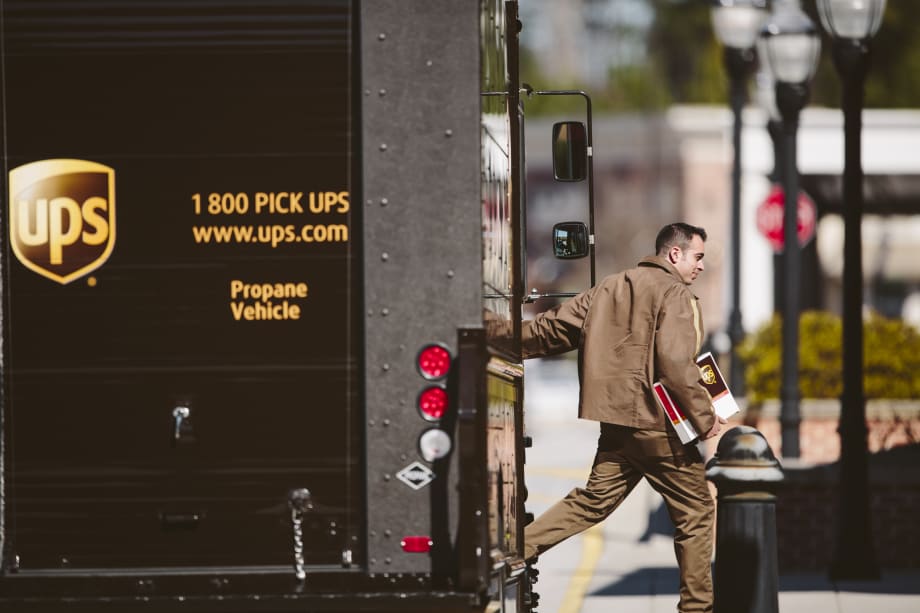
Alternative fuels such as propane are part of UPS' green strategy. Photo courtesy UPS.
Alternative fuels such as propane are part of UPS' green strategy.Photo courtesy UPS.
You would be hard-pressed to find a company more enthusiastically pursuing efficiency than UPS. After all, this is a company that has determined that its no-left turns policy across North America has saved almost 10 million gallons of fuel over the last 10 years.
UPS is constantly monitoring its fleet to find new ways of using alternative fuel/advanced technology to learn about how new technologies and advancements can be adapted. One result: At last count, Big Brown was running more than 3,150 alternative-fuel and advanced technology vehicles in nine different countries.
So we asked UPS to distill its fuel-saving philosophy into three bite-sized ideas:
1. Plan your route and track performance.
When planning any trip, consider the best way to get to the locations without backtracking. UPS has created a proprietary system of telematics that combines information about the behavioral with mechanical variables that affect fuel efficiency. UPS matches routes to vehicles that get better mileage at the speeds the route requires. Routes are also designed to have the minimum number of stops and starts and still be on time.
UPS also uses package-flow technologies designed to load the vans more effectively, again minimizing the time it takes a driver to find the right package and be ready to deliver it quickly. In effect, fuel efficiency starts even before the engine is turned on. This translates into fewer miles traveled, which conserves fuel and reduces emissions.
2. Avoid left turns.
For decades, UPS route planners have designed routes based on a loop of predominantly right-hand turns. Avoiding left turns conserves fuel and reduces emissions because it reduces the amount of time spent idling waiting to turn left. It is also a lot safer. (UPS actually encourages employees and other road users to avoid lefts, too.).
3. Use the vehicle with the best mileage.
Through UPS’s own modal shifting, UPS tries to match the vehicle to the needs of the routes.
And of course, in addition to using alternative fuels, it's constantly looking for ways to make its vehicles more fuel efficient regardless of the powertrain. For instance, it worked with Isuzu and Utilimaster to develop lighter-weight composite-body diesel vans that achieved a 40% increase in fuel economy over traditional aluminum vans in testing.
The company also maintains a strict anti-idle policy. Doing so has cut the amount of time delivery trucks idle by 24 minutes per driver per day, which has led to a fuel savings of $188 per driver in one year.
Peter Carter is editor of Today's Trucking, a leading Canadian trucking publication with which HDT has a content-sharing agreement.
More Fuel Smarts
Why Small Fuel Savings Matter in Trucking
Can better fuel economy help pay for driver raises? In this podcast, GP Transco explains how small efficiency gains create room to reinvest in its people.
Read More →
How GP Transco Cuts Trucking Fuel Costs, a Tenth of a Gallon at a Time
What’s another tenth of a mile per gallon worth? GP Transco shares how equipment upgrades and driver coaching turn small gains into meaningful fuel savings.
Read More →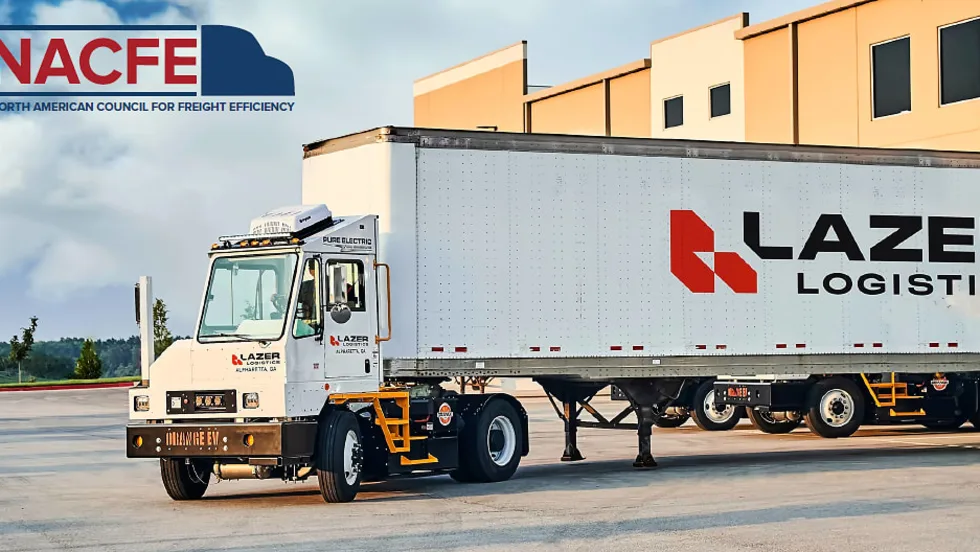
Electric Yard Tractors Move Beyond Pilots
Operating-cost savings have overtaken sustainability goals as the leading reason surveyed fleets are adopting battery-electric terminal tractors, according to new NACFE research.
Read More →
Geotab Links Fleet Card to Vehicle Data
The new card combines fuel discounts with telematics-based purchase controls. Geotab’s analysis also points to potential savings from choosing lower-priced fuel stops.
Read More →
Fleet Economics Shape Electric Truck Outlook
ACT Research expects costs, charging infrastructure, and technology improvements to drive zero-emission commercial vehicle adoption as federal regulations and incentives retreat.
Read More →
Wex Adds Cardless Fuel Payments for Over-the-Road Customers
A new fuel card feature for Wex customers offers convenience and security.
Read More →
New California Law Could Shed Light on Electric Truck Prices
Why do battery-electric Class 8 trucks remain so expensive? A California bill signed by Gov. Gavin Newsom would give fleets and state agencies more visibility into what manufacturers charge.
Read More →
How Volvo Updated Its D13 for EPA 2027 [Watch]
Volvo’s updated D13 promises lower emissions without sacrificing performance or fuel economy. Take a closer look at what changed inside the engine in this HDT Spotlight video.
Read More →
Diesel Price Spike Shortens Payback for Natural Gas Trucks, Report Says
Energy Vision estimates fleets could recover the higher purchase price of an RNG-fueled Class 8 tractor in 1.3 to 2.8 years under current fuel-price scenarios.
Read More →
Calstart Becomes Catalyst Mobility, Reflecting Broader Focus
Calstart is now Catalyst Mobility, reflecting the nonprofit’s growing national role in clean transportation, including zero-emission trucks, infrastructure and incentive programs.
Read More →