




Trucking's 'Other' Problem
Finding drivers will get harder. How about taking the 'easy' way out?


Well, OK, so right now there's nothing bugging us more than paying arms and legs for fuel. But there are lots of other worrisome things looming.
The highway infrastructure is going downhill. There are toll road issues. Safety is always a concern. So are maintenance items like the new engines and corrosive road chemicals. Insurance costs are ever-ascending. Another round of emissions limits is coming in 2010.
But none of those – maybe not even fuel prices – holds a candle to our people (make that driver) problem. It's here, and it's getting worse.
Right now, according to the American Trucking Associations, we're around 20,000 short of long haul drivers. The estimate is that by 2014 – eight years from now – we could be 111,000 short. And that doesn't include local/regional drivers.
A key reason things will get worse: The white male population, ages 35-54 will decline drastically. That age group supplies more than half our drivers, and its drop in numbers will lead an overall decline in the U.S. labor force. Result: Employers in fields outside trucking will compete even harder for people than they do now.
Throw that into the mix of economic growth (more freight to haul) and attrition in the driver force (retirements, deaths or just plain changing to another job field), and researchers come up with an average demand for 54,000 new long-haul drivers per year.
Considering the medical requirements, background checks, language tests, training, insurance company restrictions, drug testing and other hurdles a driver must clear, and it's obvious why it's tough to land the good ones.
That's why carriers are offering better pay, well-equipped trucks, flexible scheduling, 401 k plans, bonuses, profit sharing, medical and disability coverage, no-touch freight and so on.
Great incentives, but still not enough to bring in all the new drivers needed. We need to mine the obvious new sources: Minorities.
The recent research indicates that white males make up about 67 percent of the driver population, and that by 2014 that number will fall to 60 percent. Hispanic male drivers – now put at about 15 percent – will grow to nearly 19 percent of the total, and "other male" drivers will grow from about 15 percent to nearly 17 percent. Surprisingly (to me, anyway) the study predicts no growth in women truck drivers, who currently make up about 4 percent of drivers.
So there you have your targets for the new driver pool. But how to attract them?
We learn (or should learn) from history. When the economy and the industry hit the wall in 2000, trucking jobs were paying between 6 percent and 7 percent better than construction. But then trucking pay fell below construction, and is just now getting back to even.
Say you're a truck driver, or thinking of being one. Let's see – you get the freedom of the open road (maybe for weeks at a time without seeing the family.) But you get to pilot a great machine (and put up with incompetent four-wheelers, cranky dock workers, sleep time that's all over the clock and rules, rules rules).
Or – you can learn to run a power nailer, work eight hours a day and be home every night. If the pay is the same, which one makes the best longterm career?
It's been said by some experts that paying drivers more is the easy way out of this crisis. If that's so, the solution is a slam-dunk.
Doug Condra
President
E-mail Doug Condra at dcondra@truckinginfo.com, or write PO Box W, Newport Beach, CA 92658.
More Fleet Management

What Geotab's New AI Connector Means for Fleets
Fleets can now ask their usual AI assistants questions about maintenance, safety, fuel use, and vehicle performance, using their live Geotab data, and take action on the answers without leaving their preferred AI tool.
Read More →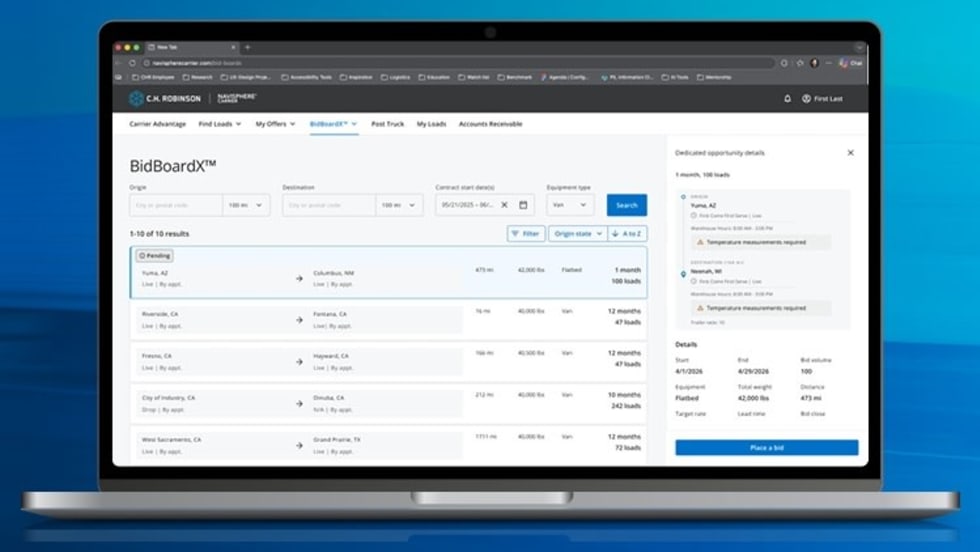
New C.H. Robinson Tool Opens Door to More Predictable Freight
BidBoardX lets carriers search, bid on, and secure committed freight opportunities through a single digital marketplace.
Read More →
New York City's Microhub Project is Delivering Results
Trucking, last-mile delivery companies, and environmental advocates like what they are seeing so far with New York's microhub program.
Read More →
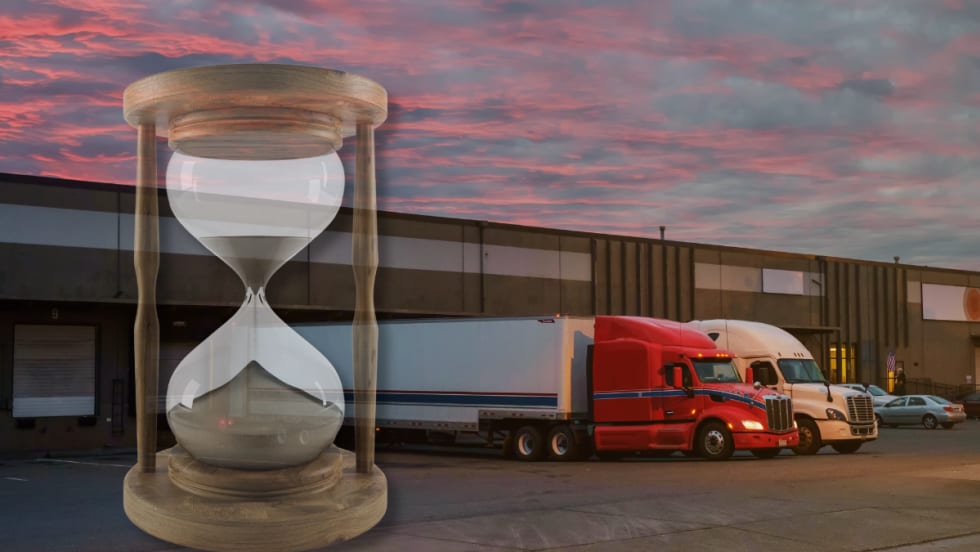
Why Truck Detention Keeps Costing Fleets Time and Money
A 2024 ATRI study found detention affects nearly 40% of truckload stops and costs the industry more than $15 billion annually. Despite the toll on drivers, fleets, and supply chains, the problem remains stubbornly persistent.
Read More →
Time is Running Out to Apply for Exclusive HDT Event
Heavy Duty Trucking Exchange brings fleet managers and suppliers together for the deeper conversations that lead to ideas, partnerships, and solutions. Time is running out to apply for the September event.
Read More →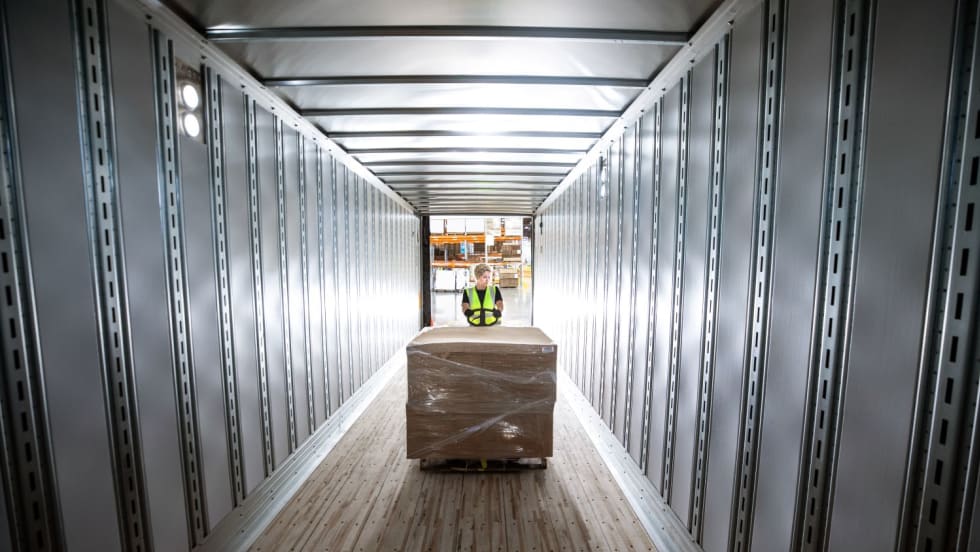
Amazon Launches Less-Than-Truckload Freight Offering for All Businesses
This launch is the latest addition to Amazon Supply Chain Services, a portfolio of supply chain capabilities from Amazon, including freight, distribution, fulfillment, and parcel shipping.
Read More →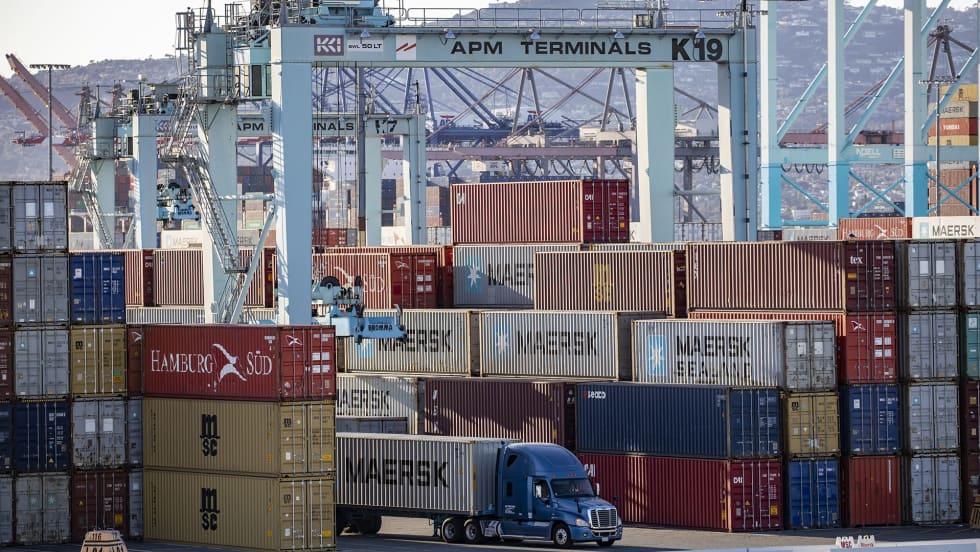
Import Cargo Volume to See Year-Over-Year Gain Again in June, Then Remain Below 2025 Levels Into Fall
After July, the report predicts a weakening in import volume as consumer uncertainty remains high and the impact of increasing inflation takes its toll.
Read More →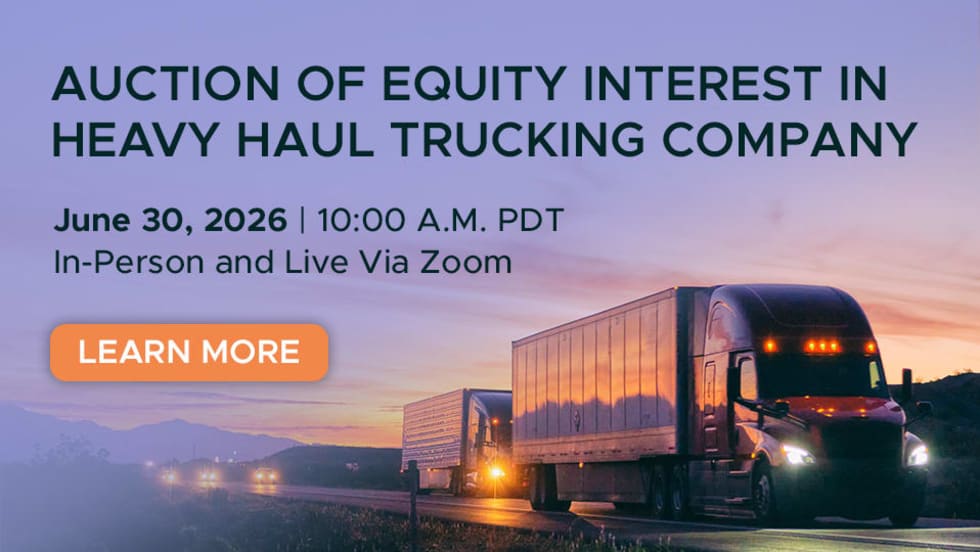
AUCTION OF EQUITY INTEREST IN HEAVY HAUL TRUCKING COMPANY!!
Mark your calendar: June 30, 2026 (10:00 a.m. PDT). A 37.5% ownership interest in MagnaTrans, LLC, a California limited liability company doing business as Magna Transportation Group, will be sold in an in-person and online auction to the highest bidder or bidders under Article 9 of the Uniform Commercial Code. The Rancho Cucamonga-based heavy haul and over-dimensional trucking company operates across California, Oregon, and Arizona.
Read More →
Volvo Trucks Adds Unattended Over-the-Air Software Update Capabilities
The latest evolution of Volvo’s over-the-air update technology allows software updates to run while trucks are parked, helping fleets keep vehicles current without disrupting operations.
Read More →
How Waste Connections is Using Data, Telematics, and AI
How do you manage and maintain more than 18,000 connected trucks? Data. Lots of it.
Read More →