




Trucking's Compelling Story
The fuel crisis is an opportunity for trucking to get its message heard.


Last month I stated here that diesel had spiked to $4.60 a gallon in some areas - and all-time high. Over Memorial Day weekend as we went to press with this special issue dedicated to helping truckers cope - I saw signs at service stations in Southern California with Number 2 diesel at $5.20 a gallon. And there appears to be no immediate relief in sight.
The industry has been working tenaciously to find solutions to the skyrocketing price of fuel as the casualty list of trucking companies put out of business grows.
In late April, 50 trucking industry executives visited Capitol Hill to meet with their respective Congressional delegations. State associations represented included Kentucky, Wisconsin, California, Tennessee, and Illinois. Following are some of the issues that truckers discussed with their Congressional representatives
1) How the fuel crisis is negatively affecting the trucking industry and the importance of responsible oil exploration, expanding refining capacity, continued federal funding of EPA's Smartway Program which encourages fuel savings strategies by corporations, reducing the national speed limit to 65 and establishing a national fuel standard.
2) Tax incentives for idling reduction devices. The main focus of discussion was on eliminating the 12 percent excise tax on auxiliary power units.
3) Supporting pending legislation which would make it easier for a veteran to enter the trucking industry.
4) Explained to Congress everything the trucking industry is doing to reduce fuel consumption, such as reducing speeds, installing auxiliary power units, investing in new technologies and all the other operational procedures that affect fuel consumption.
Truckers were also in attendance at Congressional hearings on fuel and infrastructure.
Dave Berry, vice president, Swift Transportation, was among several truckers to testify before Congress. His evidence on the crisis and its impact on trucking was compelling.
Berry used the following points to drive trucking's message home:
Trucks haul 70 percent of all freight tonnage, and 80 percent of communities receive their goods exclusively by truck. Rising fuel costs have the potential to increase the cost of everything that is transported by truck - extremely significant since trucks haul virtually all consumer goods.
The trucking industry is extremely competitive and operates on very low profit margins. Higher fuel prices have greatly suppressed profits, if truckers are making a profit at all. Truckers cannot absorb these dramatic fuel price increases, and these costs ultimately show up on grocery and store shelves.
Trucking spent over $112 billion on fuel in 2007 and is on a pace to spend $141.5 billion in 2008 - a record high and up $106 billion from 2006. In 2007, U.S. trucking's expenditures were about equal to the entire New Zealand economy. The industry's diesel bill was 9 percent larger than the entire Kuwaiti economy, the sixth largest oil exporter in the world.
The current fuel crisis already has record casualties. In the first quarter of 2008, 935 trucking companies were forced to close their doors. And those statistics only include companies with five or more trucks. The toll on independent owner-operators is likely much higher since they are more susceptible to failure.
Berry told Congress that out-of-control energy prices will greatly magnify the current economic slowdown and delay economic recovery. "If households have to spend their forthcoming tax rebate checks on energy, the stimulus will be significantly limited. Undoubtedly, higher energy prices act as a tax on households," he said.
Truckers were influential in halting additions to the Strategic Petroleum Reserve. The "Strategic Petroleum Reserve Fill Suspension and Consumer Protection Act of 2008," was signed by President Bush on May 19. That bill suspends additions to the SPR through the end of the year, unless the price of oil drops below $75 per barrel.
Stopping the addition of oil to the SPR was meant to reduce demand pressures on oil, but if it has had any impact on oil prices, it is not yet apparent.
The pony in this pile is that it gives truckers the opportunity to get their message out to the general public. The fuel crisis not only devastates truckers, but ultimately the consumer, as well. Good stuff, trucks bring it, but at a much higher price without help.

More Fleet Management
Freight Broker Bonds Just Got Harder to Get. Here's What That Means for Your Fleet.
When it gets harder for a freight broker to prove they are financially sound, the ones who cannot clear that bar get pushed out of the market. And those are exactly the brokers who used to leave motor carriers holding the bag.
Read More →
Long-Awaited Canadian Border Bridge to Open in Detroit
For trucking, the bridge opening should offer immediate improvements in efficiency and reliability, with new customs facilities, expanded inspection capacity, and direct freeway-to-freeway connections.
Read More →
Aurora Rolls Out Next Generation of Driverless Trucks for Commercial Freight
Aurora's latest autonomous trucks it's rolling out with International feature lower-cost hardware designed for a million miles as the company expands commercial driverless freight operations across the U.S. Sun Belt.
Read More →
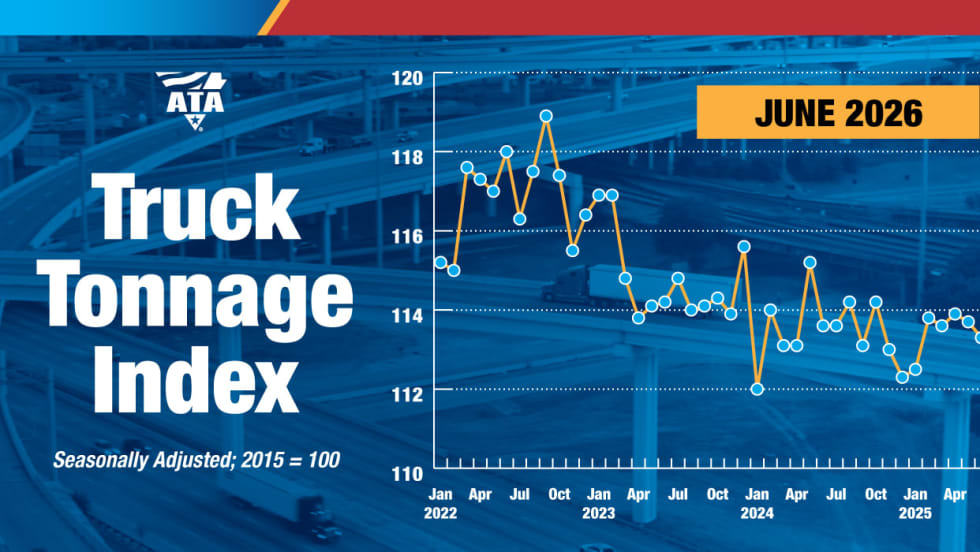
Freight Tonnage Down, Rates up, as Lower Capacity Powers Trucking Recovery
The recovery from the freight recession continues to be driven by reduction in capacity rather than by increased demand.
Read More →
Think Your Trucking Fleet Isn't Using Much AI? Think Again
Shadow AI — the use of unauthorized artificial intelligence tools at work — is becoming increasingly common, putting sensitive company data at risk. Learn how trucking fleets can protect sensitive data while embracing AI.
Read More →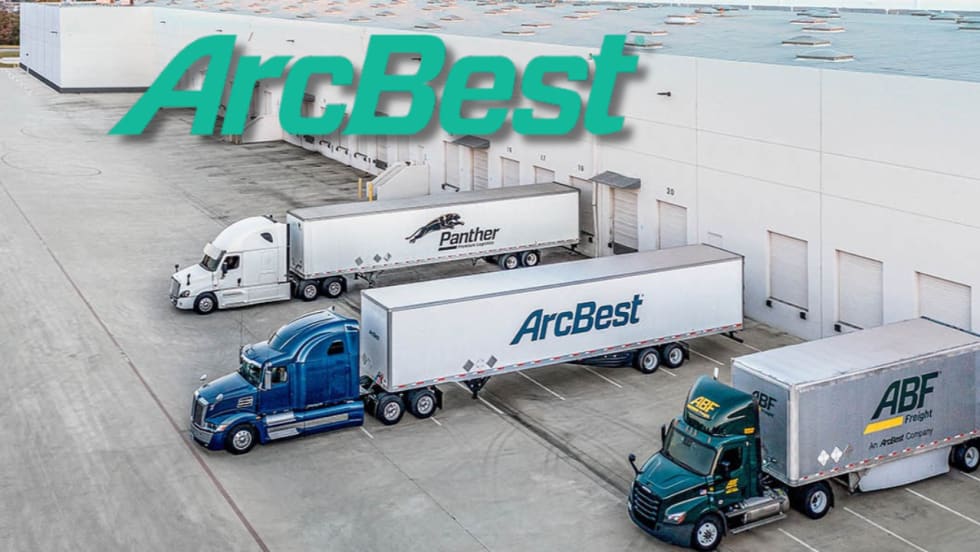
ArcBest Consolidates Brands, Cuts Workforce
The company will bring three business units under the ArcBest brand, eliminate about 2% of positions, and expects the changes to generate $40 million in annual savings.
Read More →
Trucking Fleets Faced Record Operating Costs During Third Year of Freight Recession
ATRI's annual operational cost report shows carriers trimmed fleets, delayed equipment purchases, and ran older trucks as expenses continued to outpace freight rates.
Read More →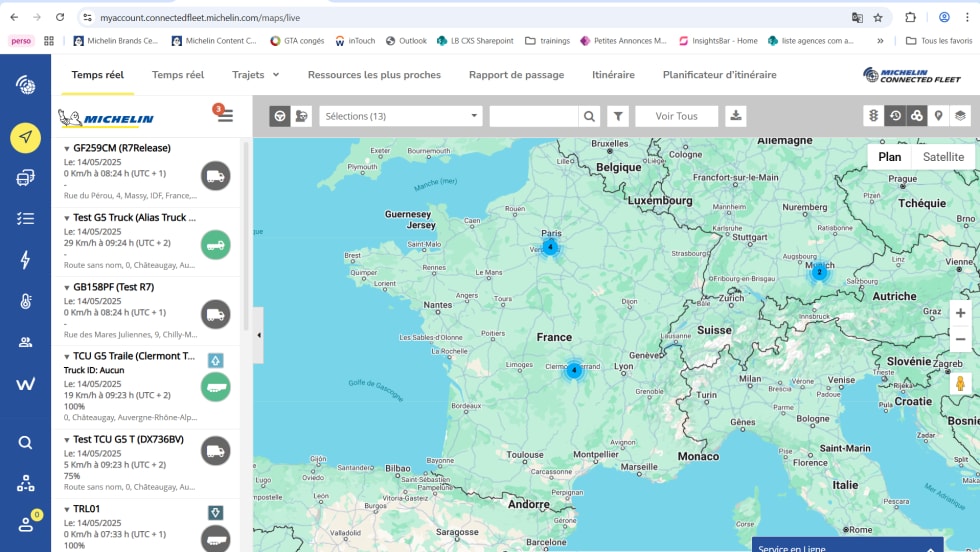
Michelin Adds AI Assistant to MyConnectedFleet Platform
Michelin’s new generative AI tool delivers instant fleet insights, helping managers analyze fuel use, tire maintenance, vehicle status, and operational performance without manually creating reports.
Read More →
LytxOne Platform Now Features AI, Compliance, and Asset Tracking Tools
New enhancements add AI-powered insights, asset tracking, compliance automation, and configurable privacy controls to Lytx's all-in-one fleet management platform.
Read More →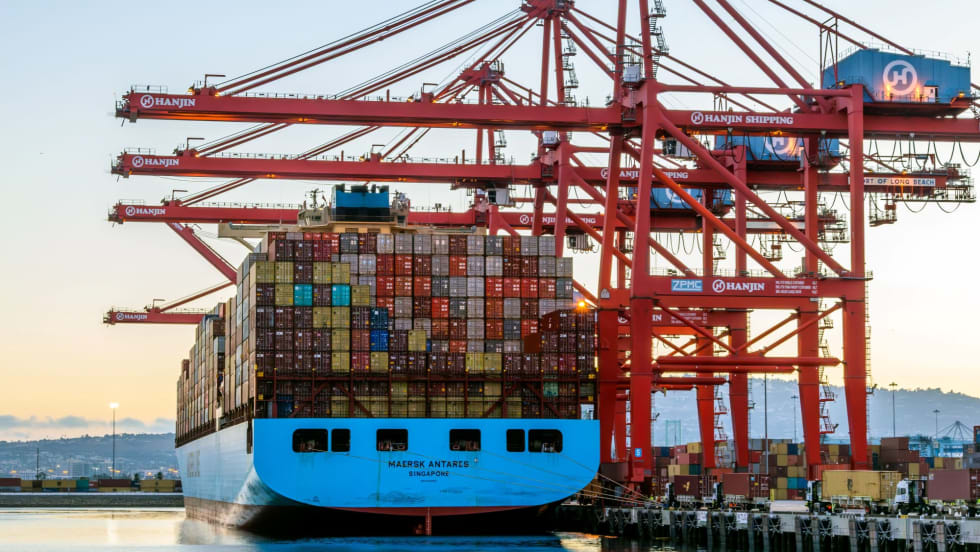
July Imports Poised to Set Container Record
The National Retail Federation projects July container imports will surpass the pandemic-era record as shippers frontload freight ahead of expected August tariff increases.
Read More →