




The Second Wave: Specialized Trucks that Power Disaster Recovery
Some of the most valuable support vehicles in the wake of a disaster are service trucks, hooklifts and fuel/lube vehicles.
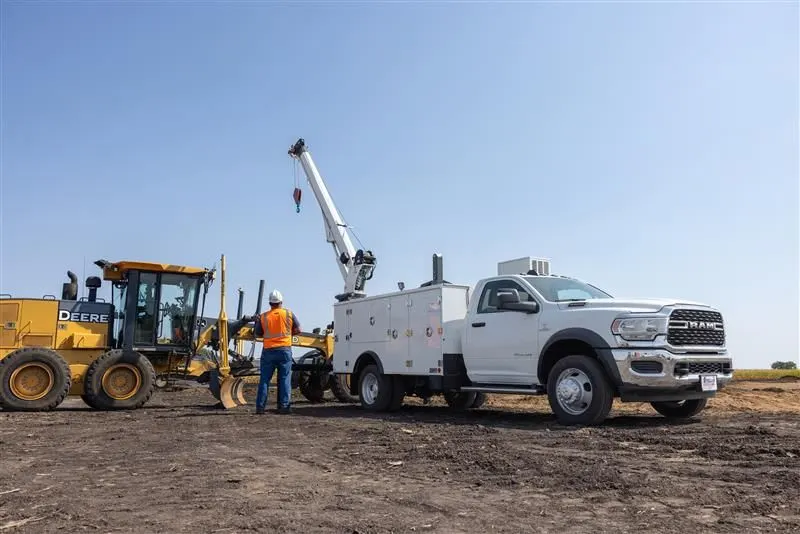
Crane-equipped service trucks can be extremely useful in post-disaster cleanup operations.
Stellar Industries
When disaster strikes, recovery efforts become a massive, coordinated effort. It’s an all-hands-on-deck situation that requires a full fleet of heavy equipment.
Beyond the bulldozers, skid steers, excavators and utility trucks actively working in the disaster zones are the support vehicles that keep the machinery running. Some of the most valuable support vehicles that can be added to a fleet in the aftermath of a disaster are service trucks, hooklifts and fuel/lube support vehicles.
Service Trucks, Hooklifts and Cranes
When a primary piece of equipment breaks down during disaster recovery efforts, the effects can be detrimental. Transporting that machine or truck to a shop for repairs and having to either bring in a new machine to get the job done or halt efforts until the repairs are complete can be expensive and result in many working days lost -- further delaying a return to normalcy.
A service truck brings the repair shop to the field. This means equipment can stay up and running in the cleanup zone. Equipped with cranes, organized storage for parts and supplies, and accessories like compressed air or lube systems, these trucks function as mobile shops capable of performing diagnostics, repairs, and routine maintenance in the field.
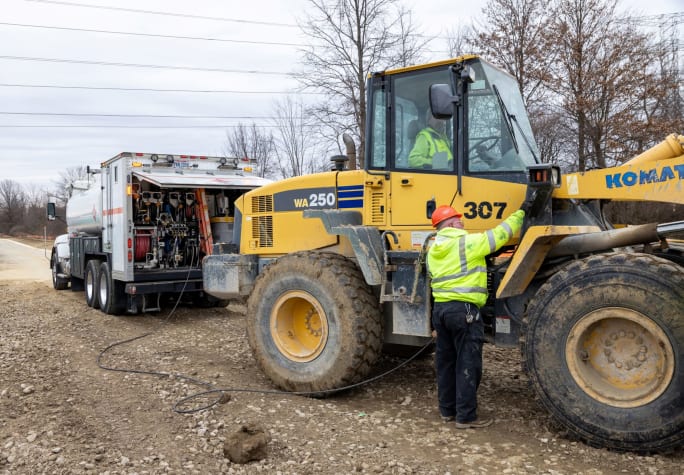
Lube trucks help critical equipment running with easy, on-site maintenance capabilities.
Stellar Industries
By allowing technicians to respond quickly onsite when issues arise, service trucks help restore equipment to service faster and reduce extended downtime. This is a critical advantage when maintaining momentum during disaster recovery operations.
With many disasters, debris removal is a massive undertaking. Hooklifts can help streamline this process by allowing operators to drop off empty dumpsters, remove full ones and work between multiple locations without interrupting the workflow.
In addition to transporting dumpsters, hooklifts can also move storage containers, flatbeds with equipment and loads of other materials needed at cleanup sites. Their ability to pick up and haul a wide range of bodies allows crews to adapt quickly as recovery needs change.
Instead of coordinating multiple trucks for hauling and pickup, crews can rely on a single unit that shifts roles as needed throughout the day. This flexibility helps keep debris and equipment moving while making crews more efficient by allowing more jobs to be done with just one truck.
Fuel/Lube Trucks and Trailers Keep Critical Equipment Running
Disaster recovery often requires crews to operate equipment for extended hours across multiple sites. In these situations, maintaining a reliable supply of fuel and lube service becomes essential to sustaining progress.
Fuel and lube trucks and trailers help support these long-duration operations by supplying necessary fluids directly to active worksites. Instead of traveling offsite to refuel, operators can service equipment where it is working. This allows crews to maintain productivity during demanding recovery operations.
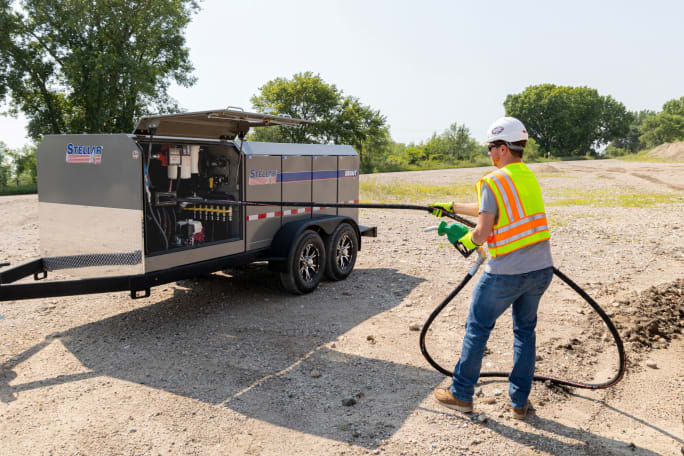
Fuel/lube trailers are nimble enough to fit even in tight workspaces.
Stellar Industries
While a fuel/lube truck has significant fluid volumes, fuel/lube trailers are nimble enough to fit even in tight workspaces. For disaster recovery efforts, the convenience of leaving a fuel/lube trailer in a central location might make the most sense for easy access to replenishing necessary fluids on essential equipment. Larger operations may instead benefit from being able to take a fuel/lube truck directly to the equipment that is performing the cleanup work.
When it comes to cleanup efforts, investing in the right equipment can often be something that fleet managers put off for a later date. However, when the support vehicles can prove to be an asset in any environment, enhancing productivity and keeping equipment running properly, it is always a smart investment for your fleet.
So don’t wait for disaster to strike, with the addition of service trucks, hooklifts and fuel/lube products to your fleet, you can feel confident that you will always have the assets to keep your equipment on the job.
More Disaster Response

Preparing for Adverse Weather: A Safety-First Approach
When severe weather hits, the first 48 hours can make or break your operation. From rapid-response communication to hard calls on shutting down, here's how one fleet leader protects people, secures assets, and stays one step ahead of chaos — before, during, and after a storm
Read More →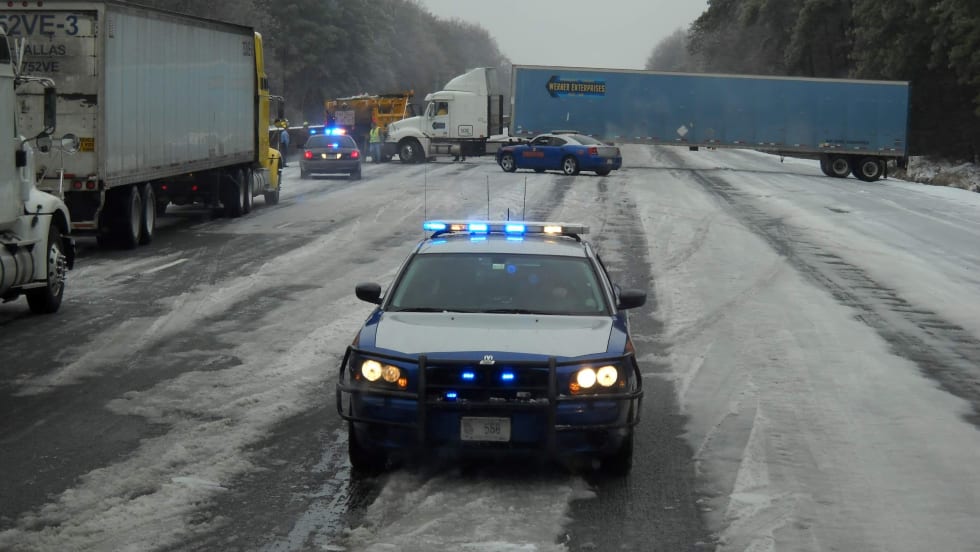
Avoiding Winter Pileups: Don’t Become the Next Link in the Crash-Chain
Winter roadway “pileups” aren’t one crash — they’re a chain reaction. Here’s what triggers them, how truck drivers can spot the danger early, and what to do if you're suddenly trapped in the mess.
Read More →
Emergency Prep for Fleets: 4 Steps That Can Save Your Business
Protect your trucking business from disasters with a four-step plan that details recovery teams, compliance, ELD data, and customer support.
Read More →