




Emergency Prep for Fleets: 4 Steps That Can Save Your Business
Protect your trucking business from disasters with a four-step plan that details recovery teams, compliance, ELD data, and customer support.
by Josh Lovan, J.J. Keller
May 1, 2025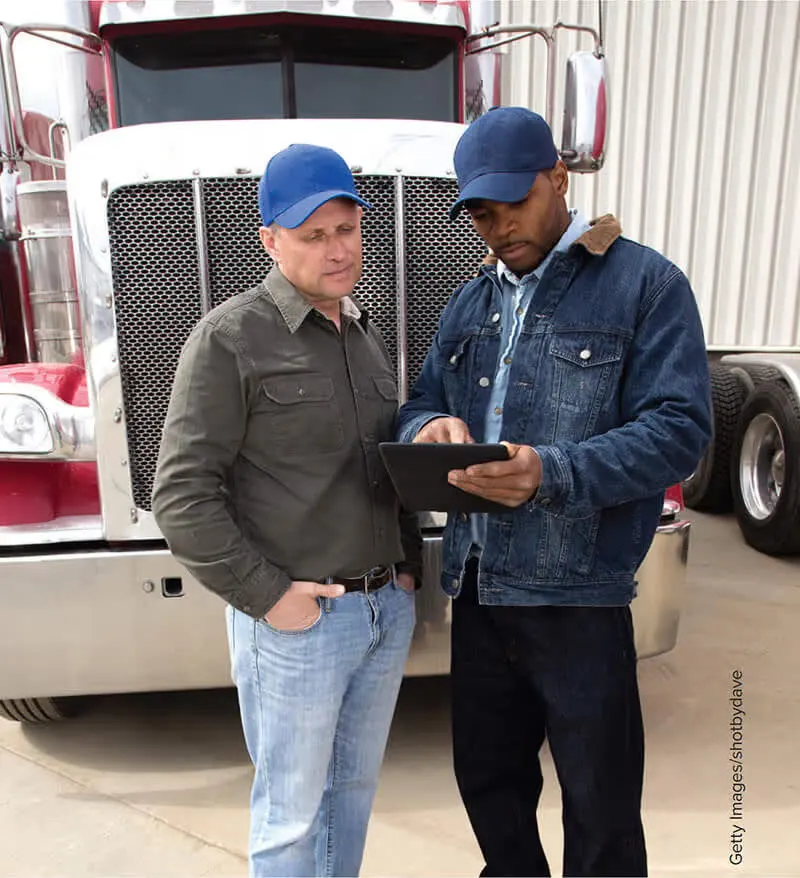
When disaster hits, every mile matters. Emergency prep keeps trucks moving, drivers safe, and critical supplies flowing.
Getty Images/shotbydave
4 min to read
When a natural catastrophe, cyberattack, or major system outage strikes, it’s too late to plan your next move.
For trucking companies whose operations rely heavily on real-time systems, compliance, and timely deliveries, a solid Business Continuity and Disaster Recovery (BCDR) plan isn’t just a nice-to-have. It’s essential for survival.
Incidents like hurricanes, wildfires, or even ransomware attacks and critical system failures can severely disrupt operations. Without a proper plan, downtime can lead to:
- Massive financial losses.
- Missed deliveries.
- Unsatisfied customers.
- Regulatory non-compliance.
- Long-term reputational harm.
Rather than reacting under pressure, forward-thinking fleet operators develop, test, and update plans to ensure the company can get back on the road quickly and safely.
Use the following four-step approach, tailored specifically for trucking companies, to help develop a reliable BCDR strategy. The process emphasizes the development of a Business Impact Analysis (BIA), Business Continuity Planning (BCP), and Disaster Recovery Planning (DRP). Each takes into account concerns like ELD compliance, fuel supply, and route disruptions.
Step 1: Build Your Disaster Recovery Team
The first step in preparing for disruptions is assembling a Disaster Recovery Team (DRT). This team is responsible for designing, implementing, and maintaining your continuity and recovery procedures.
Team members should represent key functions in your organization and include:
- Executive leadership for strategic oversight.
- IT professionals responsible for system integrity.
- Dispatch and operations managers.
- Safety, compliance, and regulatory personnel.
- Human resources for employee coordination.
- Customer service managers for communications.
Step 2: Conduct a Business Impact Analysis
A Business Impact Analysis (BIA) helps determine which parts of your operation are mission-critical and how disruptions would impact your business. Consider the following BIA steps:
Identify Critical Systems and Data
Focus on the systems, processes, and data directly supporting daily operations. These typically include:
- Dispatch software and routing tools.
- ELD data and compliance tracking systems.
- Telematics platforms and GPS tracking.
- Fuel card management systems.
- Maintenance and fleet management systems.
- Accounting, payroll, and HR software.
- Customer relationship management (CRM) tools.
List and prioritize these assets by how essential they are to continued operation.
Set Recovery Time and Point Objectives
Every critical system must be evaluated based on the following:
- Recovery Time Objective (RTO): The maximum acceptable downtime.
- Recovery Point Objective (RPO): The maximum acceptable age of data loss.
For example, if your dispatch system has an RTO of two hours and an RPO of 15 minutes, you need to restore the system within two hours and cannot afford to lose more than 15 minutes of data.
Create Impact Assessment
Understanding potential consequences helps you prioritize recovery efforts. Assess downtime’s financial, operational, and reputational impact on each function. Consider:
- Revenue loss from missed deliveries.
- Regulatory fines from ELD non-compliance.
- Contract penalties from late shipments.
- Long-term damage to customer relationships.
- Internal morale and safety concerns.
Step 3: Develop a Business Continuity Plan
A Business Continuity Plan is essential for fleets to maintain operations during unexpected disruptions, such as severe weather, accidents, or system failures. It safeguards supply chain reliability, ensures customer satisfaction, and protects the company’s long-term stability and reputation.
Redundancy and Alternatives. Prepare for scenarios where facilities or systems become unavailable. Consider:
- Using cloud-based platforms to access dispatch and telematics remotely.
- Identifying backup office space or enabling remote work.
- Partnering with alternative fuel and repair service providers.
- Pre-planning alternate delivery routes.
Communication Protocols. Clear, rapid communication is essential during a crisis. Your BCP should define the following:
- Internal communication channels for employees.
- Notification procedures for customers and vendors.
- Public relations and media statements.
- Regulatory reporting to authorities like FMCSA.
Roles and Responsibilities. Ensure every department knows what to do during a disruption. Define and document:
- Chain of command for decisions.
- Point persons for customer support, compliance, IT, recovery, and safety.
- Resource access for escalation procedures.
Training and Testing. A plan is only effective if people knowhow to use it. Conduct:
- Tabletop exercises and drills.
- Regular plan reviews and updates.
- Training for new hires and refreshers for all staff.
Step 4: Establish a Disaster Recovery Plan
A Disaster Recovery Plan ensures business continuity and minimizes disruptions caused by natural disasters, accidents, or cyber threats. It helps protect critical assets, maintains customer trust, and reduces financial losses in the face of unexpected events.
Effective data backup and storage are vital. Use secure, automatic backups with on-site and cloud storage for redundancy and quick recovery.
Damage and Impact Assessment. Have clear procedures for assessing damage after an incident:
- Evaluate hardware, facilities, and digital assets.
- Determine what can be recovered and how.
- Coordinate with insurance providers and vendors.
Response and Action Plan. Your DRP should include:
- Contact lists for employees, vendors, and authorities.
- Step-by-step system recovery processes.
- Guidelines for customer notifications and status updates.
Contingency Plans. Prepare specific response protocols for various events:
- Severe weather and natural disasters.
- Cyberattacks or data breaches.
- Power outages or server crashes.
- Mechanical breakdowns impacting fleet availability.
About the Author: Josh Lovan is an industry business advisorfor J.J. Keller.
Subscribe to Our Newsletter
More Disaster Response
The Second Wave: Specialized Trucks that Power Disaster Recovery
Some of the most valuable support vehicles in the wake of a disaster are service trucks, hooklifts and fuel/lube vehicles.
Read More →
Preparing for Adverse Weather: A Safety-First Approach
When severe weather hits, the first 48 hours can make or break your operation. From rapid-response communication to hard calls on shutting down, here's how one fleet leader protects people, secures assets, and stays one step ahead of chaos — before, during, and after a storm
Read More →
Avoiding Winter Pileups: Don’t Become the Next Link in the Crash-Chain
Winter roadway “pileups” aren’t one crash — they’re a chain reaction. Here’s what triggers them, how truck drivers can spot the danger early, and what to do if you're suddenly trapped in the mess.
Read More →