




The Green Public Face of Private Fleets
Private fleets often have an extra incentive to be "green." Those trucks on the road may be the most publicly visible element of a parent company's "green" strategy, sending out a message to the public that the company is concerned about the environment.

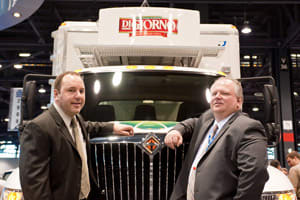
Kraft recently bought a first-of-its-kind International Durastar hybrid delivery truck with cold-plate refrigeration technology.
Private fleets often have an extra incentive to be "green." Those trucks on the road may be the most publicly visible element of a parent company's "green" strategy, sending out a message to the public that the company is concerned about the environment. In addition, when private fleets pursue a "green" strategy, it can help get them internal recognition at the parent corporation.
That's why this year's National Private Truck Council annual meeting included a session called "The Greening of the Fleet," where three private fleet executives discussed their work with the U.S. Environmental Protection Agency's SmartWay program.
The SmartWay Transport Partnership helps fleets find solutions to reduce emissions and lower their carbon footprint - and save money along the way. Shippers that are SmartWay members commit to using SmartWay carriers. Some companies with private fleets count as both.
"A lot of things have spun out of our conversations with SmartWay," said Gene Tierney, senior manager of Kraft's private fleet. "SmartWay has asked, 'How can you look at things differently?'"
Kraft Foods
Kraft's fleet of close to 300 tractors and about a thousand trailers is primarily in the temperature-controlled business, including frozen DiGiorno pizzas.
Kraft has found a great deal of savings are available in new refrigeration technology. "Every year they come up with something new that takes us in this direction of squeezing more time or more energy out of a gallon of diesel fuel," said Tierney. "We keep our equipment about eight years. There's a big difference between a new piece of equipment and one that's eight years old on the amount of fuel they use."
Kraft is exploring whether it can effectively use thermal blankets to keep chocolate products from melting in a dry van, rather than using a reefer trailer. The company works closely with trailer manufacturers to get the best insulation possible, and is involved in testing new materials in its fleet. Bulkhead doors for multi-stop shipments allow them to make the compartment smaller and smaller as the loads are delivered, so the reefer doesn't have to work as hard cooling a trailer that's half-empty.
Earlier this year, Kraft purchased a first-of-its-kind International Durastar diesel-electric hybrid delivery truck equipped with a RouteMax refrigerated body to test in its pizza delivery fleet. In addition to the hybrid propulsion, the truck features a cold plate refrigeration system, where onboard power from the hybrid system helps nearly double the length of time its cold plates keep the body cold.
The biggest return on investment so far, however, is from auxiliary power units to cut idling.
Lance
Cutting idling is also a strategy for Lance, which has slashed its idle time from 37 percent two years ago to just 9 percent - and it's still dropping, says Transportation Manager Todd Hennis.
"We were trying to reinvent ourselves in our community," Hennis said. The company started out with a sustainability vision team to look at how the company could reduce its environmental impact at various levels. "As we got into it, we said, 'what can we do from the logistics side?' And the EPA program seemed like a perfect fit." He praised the amount of help and training they received. "It really gets you active in looking at what you can do for the environment."
In addition to reducing idling, Lance has been able to cut the number of trips, and thus cut fuel used and emissions, by using 53-foot, high-cube "e-vans" that were originally developed for the electronics business. The van was not originally approved by SmartWay, because it doesn't have side fairings, but the lower center of gravity helps cut down on turbulence. Now the company is waiting for a SmartWay-certified 17.5-inch tire.
Lance also has cut weight by going to aluminum rims, started spec'ing aerodynamic bumpers and mirrors, equipped all its units with auxiliary power units, and brought the trailers in closer to the back of the cab. "It's completely changed the way we spec the tractor."
ADM
ADM has a special challenge because its nearly 1,000 trailers are various types of tanks, and the SmartWay program hasn't devoted a lot of attention to tankers, explained Sam Richardson, assistant vice president-operations.
"When we first got started, it was more of an initiative to look for ways to improve our fuel economy, to lighten up our equipment," he explained, but it turned into much more. But it wasn't easy.
"We struggled with it. When we first started, they didn't have anything to give credit for tanks; it was more geared toward the van industry."
So ADM worked with SmartWay to develop a program.
Richardson showed a slide of a prototype tractor-trailer spec. Side skirts on the tank trailer help keep the air flow clean, reducing the turbulence of air under the trailer. The tractor has fuel tank fairings and side fairings to try to close up the gap between the tractor and the trailer.
There's a problem, however - it adds about 400 to 500 pounds to the rig.
"Because we're a bulk carrier, we've spent thousands taking weight out of this equipment. And all this [aerodynamic add-ons] come at the price of putting weight back on. You lose payload, so you end up having to run more trips."
There are lighter-weight materials that would help with that, he says, but they are more expensive. If fuel prices go back up to $4 a gallon, the tradeoff in fuel savings against the lost payload may be worth it, he said.
Drivers
All three fleet managers said that driver behavior is just as important as the equipment itself.
For instance, changes in driver behavior have helped ADM reduce its idle time by 20 percent.
"Our equipment actually runs to offload the product," Richardson explained. They found that one driver would turn the PTO on, then take his paperwork in to the customer, leaving the hydraulic system running. "The driver saving himself that walk from the back of the truck to the front was costing us 30 minutes of idle time."
It's important to educate drivers, ADM has found. "Our idle reduction has come from changing those drivers' behavior and helping them understand, it's about saving money, it's about protecting the environment, it's about your children and grandchildren, that they're going to have something to live for," Richardson said. "If you don't educate your drivers, all they see is another pain in the butt to them - somebody dreamed up another rule to make their lives miserable."
Kraft's Tierney also emphasizes driver behavior. "It goes beyond a once-a-quarter meeting. You've got to post driver results, engage them and incent them. It isn't just sustainability for the planet; it's sustainability for the fleet. It becomes a competition issue the private fleet has to address."
From the September 2009 issue of Heavy Duty Trucking.
More Fuel Smarts
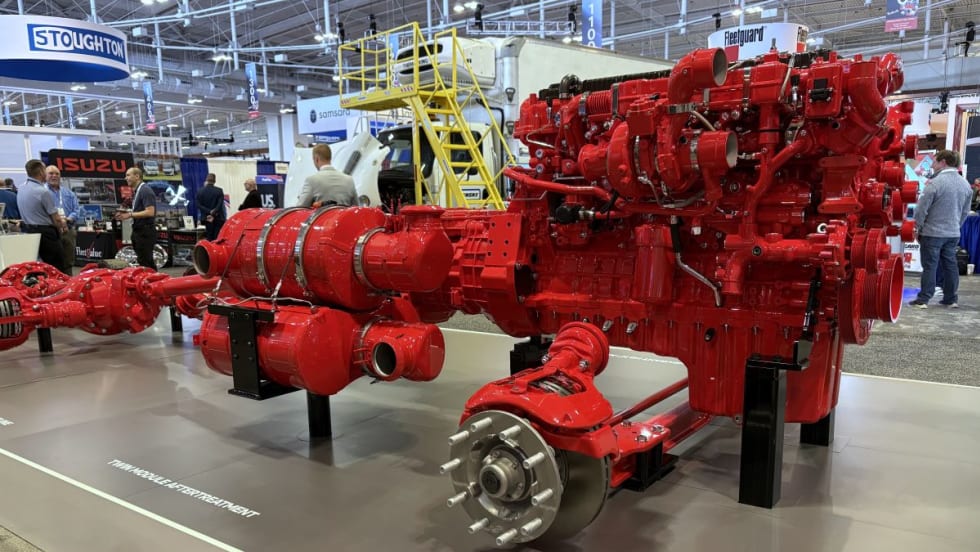
Cummins Adjusts 2027 Engine Rollout After EPA Proposal
The engine maker will gradually introduce its new Model Year 2027 diesel engines while continuing to offer current models during the transition, citing the EPA's proposed emissions rule changes.
Read More →
EPA Proposal Could Ease 2027 Truck Costs and Buying Uncertainty
The proposal doesn't change the tougher NOx standard, but it would revise key implementation requirements that manufacturers say have driven up costs and complicated fleet purchasing decisions.
Read More →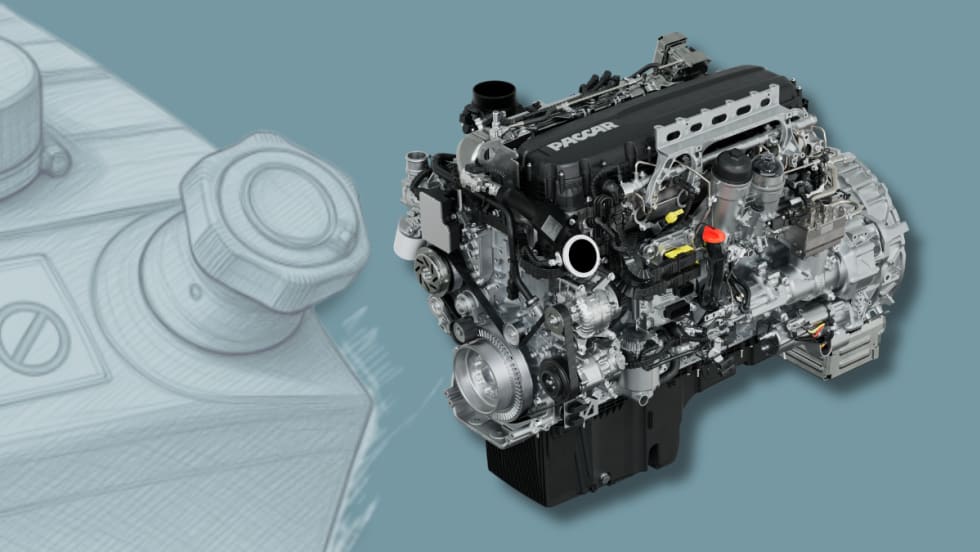
Cummins, Paccar Ease DEF Derates After EPA Guidance
Updated diesel engine software gives truck operators more time to address emissions-system issues while staying compliant with EPA emissions standards.
Read More →
Maintenance in the Messy Middle Part 3: Biodiesel
Biodiesel can reduce emissions, improve fuel-system lubricity and use existing diesel infrastructure. But NACFE’s Messy Middle maintenance report says fleets must actively manage storage, cold-weather operation, filters and oil drain intervals to avoid problems.
Read More →
Enhance Fleet Performance with High-Efficiency Auxiliary Power Units
Drive sustainable cost savings while increasing driver comfort during short- and long-haul logistics operations.
Read More →
Maintenance in the ‘Messy Middle’ Part 2: Renewable Diesel Fuel
NACFE's latest Messy Middle Powertrain Service & Maintenance report says renewable diesel gives fleets an opportunity to reduce carbon emissions without changing trucks, fueling infrastructure or maintenance practices. But technicians still need to understand several important operational differences.
Read More →
The Diesel Engine Enters NACFE’s ‘Messy Middle’
NACFE’s new Messy Middle Powertrain Service & Maintenance report says keeping modern diesel engines running now depends as much on software, diagnostics and data as traditional mechanical service.
Read More →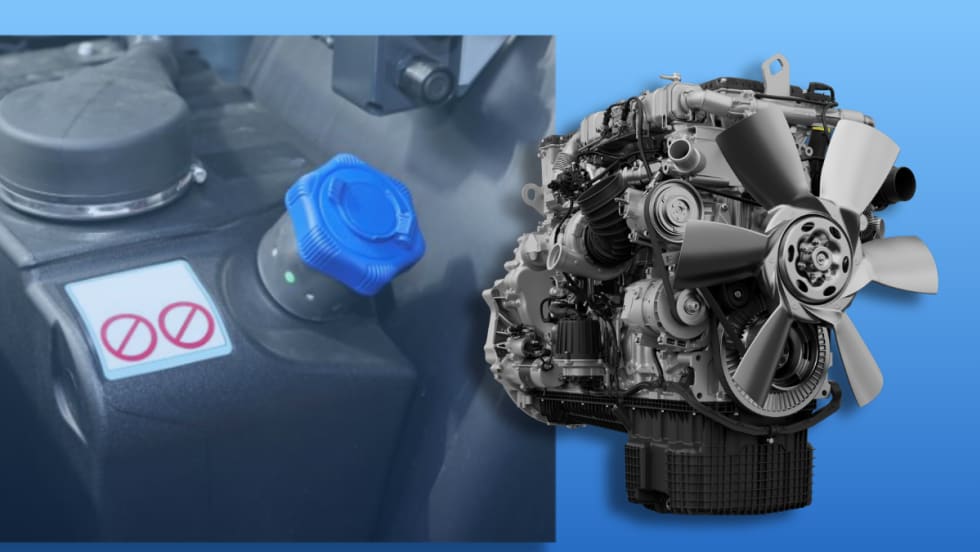
DTNA Software Update Gives Truckers More Time Before DEF Derates Take Effect
The changes reflect EPA guidance aimed at reducing downtime caused by emissions-system faults while maintaining compliance requirements.
Read More →
New Agentic Predictive Maintenance Report Demonstrates How Degraded Aftertreatment Systems Waste Fuel
Questar analyzed a large mixed-class fleet and discovered it was wasting as much as $30 in fuel per vehicle, per day, because of mechanically degraded aftertreatment systems.
Read More →
New York City's Microhub Project is Delivering Results
Trucking, last-mile delivery companies, and environmental advocates like what they are seeing so far with New York's microhub program.
Read More →