




Seven Steps to Make Sure Your Diesel Fuel and More are Ready for Winter
Weather forecasters are predicting not only one of the coldest, but the snowiest winters in the last five years. Here are a few simple tips to help maintain your equipment and fuel tanks
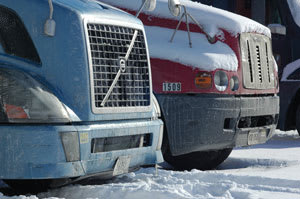
Weather forecasters are predicting not only one of the coldest, but the snowiest winters in the last five years. Here are a few simple tips to help maintain your equipment and fuel tanks.
Block heaters are not designed to warm an engine. They are designed to maintain the heat already generated in the engine. Thus it is crucial that the truck be plugged in while the engine is still warm. And don't forget to UNPLUG the truck before starting it. Two to three seconds of the engine running while the block heaters are plugged in is enough to burn out the block heaters.
Do not idle your truck. You will do more to COOL the engine by idling a truck coming off the road vs. shutting it off. (Engine temperature rises approx. 18 degrees when it is shut off.) Conversely, starting a cold truck and letting it idle is futile. If you need to warm a truck thats been sitting, get in it and drive it around the yard and exercise the truck once it has reached maximum oil-pressure. This will warm the engine, transmission, differential and suspension. Not to mention prevent running the risk of potential fines for idling for both the driver and the organization.
Remember to drain air-tanks and fuel water separators. As the ambient air temperatures fall, the ability for water to condense in fuel tanks increases and can be carried into the filter/heater unit. During periods of extreme cold this should be done on a daily basis. The fuel filters are the only protection the engine has against contaminants in the fuel. A larger micron fuel filter should never be used to extend filter life or increase flow. It may void the warranty and can be damaging to the pump and/or the injectors.
Be sure air hoses are hooked up to each other or to the dummy gladhands when the equipment is not in use. This is one of the leading causes of brakes freezing up.
If moisture is present in an air line, use one cap full of brake line anti-freeze in the EMERGENCY (red) side ONLY. Never put it in the blue side or you may cause the brakes to lock up. Use only company supplied brake line anti-freeze, as there are many products out there that will cause damage to the internal brake system.
Be sure gladhands hook up tight. If they go on loose they will come off in a tight turn and will cause unnecessary cycling of the air compressor. Make sure you have a nice and snug fit.
When fueling on the road, check at truckstops to make sure pump filters have been changed. Look for hydrosorb filters; these will remove water from the fuel before it gets in your tanks and forms ice or gelling.
These few tips can make the difference between go or no go situation, making that delivery commitment, or completing a run vs. a breakdown. Breakdowns during inclement weather are extremely dangerous.
Glen Sokolis heads up Sokolis Group, which offers fuel purchasing, management and consulting services. www.sokolisgroup.com.
More Fleet Management

How Telematics Improves Visibility, Control, and Performance in Refrigerated Fleets
Explore how telematics help refrigerated fleets improve visibility, uptime, efficiency, compliance, and cargo protection across connected cold chain operations.
Read More →
What the U.S.-Canada Trade War Means for Trucking
Escalating U.S.-Canada tariffs could disrupt cross-border freight, reduce truck volumes, raise costs, and create new uncertainty for carriers on both sides of the border.
Read More →
What Are Trucking’s Top Concerns for 2026?
The American Transportation Research Institute wants to know what's worrying trucking fleet managers, drivers, and other stakeholders in its annual Industry Issues survey.
Read More →

American Trucking Associations Looks for a New Leader
ATA President and CEO Chris Spear abruptly left his job at the association on August 21, at a pivotal time for the trucking industry.
Read More →
Public Wi-Fi Cybersecurity Risks: How Truck Drivers and Fleets Can Protect Their Data
Public Wi-Fi can expose truck drivers and fleets to credential theft, malware, and other cyber threats. Here’s how to reduce the risk on the road.
Read More →
For Nicky Cupp, Fleet Innovation Starts With Frustration
HDT Truck Fleet Innovator Nicky Cupp turns everyday pain points at Fraley & Schilling into opportunities for better technology and smarter processes.
Read More →
Adam Buttgenbach’s Approach to Electric Trucks: Start With Where They Fit
HDT Truck Fleet Innovator Adam Buttgenbach helped PepsiCo build one of North America’s largest EV fleets by focusing on where electric trucks make operational sense.
Read More →
Deen Albert: Let Automation Do the Math, People Make the Decisions
HDT Truck Fleet Innovator Deen Albert makes sure people are still at the heart of operations at Grand Island Express, even while adopting artificial intelligence tools. AI-assisted dispatch helped boost revenue 25% with the same number of trucks.
Read More →
Trimble’s New AI Agent Takes Aim at Fleet Back-Office Busywork
Arc Agent works across Trimble TMS products to automate repetitive tasks such as freight orders, maintenance, invoices, fuel costs and more.
Read More →
How HDT’s 2026 Truck Fleet Innovators Are Rethinking Fleet Operations
Meet five trucking leaders who are challenging assumptions, solving operational problems, and putting innovative ideas to work.
Read More →