




Ram 3500 Gets Heavier
Dodge Trucks has added 1,000 pounds to the gross vehicle weight rating of its Ram 3500 Chassis Cab model.
Dodge Trucks has added 1,000 pounds to the gross vehicle weight rating of its Ram 3500 Chassis Cab model, which also gets a bigger-displacement diesel and a six-speed automatic transmission when it becomes available as a 2007 model. The heavier 3500 comes standard with the cab and bare rear chassis, while the current 3500 Chassis Cab must be ordered with a "box-off" option instead of with a pickup bed.
The new Ram 3500 Chassis Cab's GVW rating is as much as 12,500 pounds in "dually" form (with dual wheels on each end of the rear axle), putting it about in the center of the industry's Class 3 range of 10,001 to 14,000 pounds. Its GVW rating of 10,200 pounds is the highest for a truck with a "single-wheel" rear axle (two wheels total), Dodge claims. Front and rear suspensions get stronger springs, new shock absorbers, jounce bumpers and track- and anti-sway bars to handle the extra weight.
The upgraded Ram will also use Cummins' upcoming 6.7-liter diesel instead of the current 5.9-liter diesel, as an option. As the Dodge-Cummins Turbodiesel, the new engine's output will be 305 horsepower and 610 pounds-feet. The new diesel will be available with an Aisin six-speed automatic transmission, replacing the current four-speed automatic, or a standard six-speed manual, both with power take-off capability.
The 3500's standard engine is the Dodge Magnum Hemi gasoline V-8, with 330 horsepower and 375 pounds-feet. It comes with the six-speed manual transmission or an optional five-speed automatic. As now, the heavier Ram 3500 will be available in two- and four-wheel drive and with a two-door Regular Cab or four-door Quad Cab.
GASSIFIED DT 466
A Texas firm has "re-engineered" International's DT 466 diesel to burn natural gas, and the clean-burning engine is available to repower existing International medium-duty trucks, as well as installation in other medium- and heavy-duty vehicles. Natural gas produced in North America is largely immune to the price spikes affecting diesel fuel and gasoline made mostly from imported petroleum, the company asserted.
Emission Solutions Inc. (ESI), of McKinney, Texas, said its Phoenix NG 7.6L engine's ultra-low emissions of oxides of nitrogen, non-methane hydrocarbons and particulate matter has earned certification from the federal Environmental Protection Agency and California's Air Resources Board.
Thus the Phoenix qualifies for tax credits and other government incentives that encourage fleet operators to use clean-burning alternative fuels.
The 7.6-liter (466-cubic-inch) Phoenix operates as a stoichiometric, spark-ignited internal combustion engine burning compressed or liquified natural gas. The stoichiometric system produces ideal air-fuel ratios throughout the operating range, allowing very low NOx emissions and high power and torque, ESI says. Its standard rating is 265 horsepower at 1,917 rpm and 820 pounds-feet of torque at 1,347 rpm, and can be reset for other outputs. It weighs 1,190 pounds.
ESI obtains worn DT 466s and essentially remanufactures them by having blocks and cylinder heads renewed, and machines heads to take new valves and spark ignition equipment, including plugs. Aluminum alloy pistons and iron alloy valves and valve seats are hardened against high heat by cryogenic freezing. Electronic control modules come from Alternate Fuel Systems in Calgary, Alberta.
Three International Truck dealers – one in Texas and two in California – have signed up to repower trucks and buses with the Phoenix, ESI says. The engine is suitable for municipal, trash, and beverage and food delivery trucks, as well as school and transit buses.
More Fleet Management

How Innovative Trucking Leaders Turn Change Into an Advantage
As the pace of change accelerates in trucking, the fleets that adapt best have more than the latest technology. They have cultures that embrace improvement.
Read More →
Freight Broker Bonds Just Got Harder to Get. Here's What That Means for Your Fleet.
When it gets harder for a freight broker to prove they are financially sound, the ones who cannot clear that bar get pushed out of the market. And those are exactly the brokers who used to leave motor carriers holding the bag.
Read More →
Long-Awaited Canadian Border Bridge to Open in Detroit
For trucking, the bridge opening should offer immediate improvements in efficiency and reliability, with new customs facilities, expanded inspection capacity, and direct freeway-to-freeway connections.
Read More →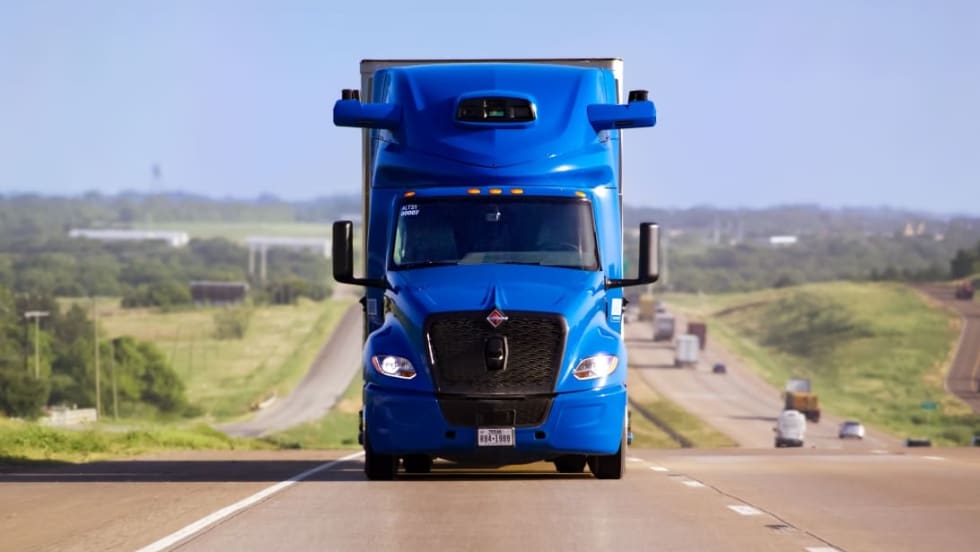
Aurora Rolls Out Next Generation of Driverless Trucks for Commercial Freight
Aurora's latest autonomous trucks it's rolling out with International feature lower-cost hardware designed for a million miles as the company expands commercial driverless freight operations across the U.S. Sun Belt.
Read More →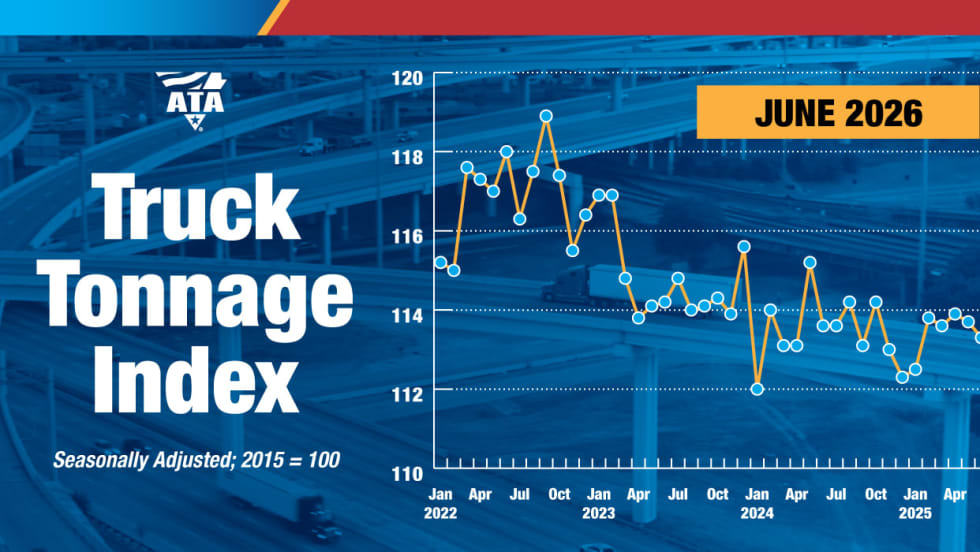
Freight Tonnage Down, Rates up, as Lower Capacity Powers Trucking Recovery
The recovery from the freight recession continues to be driven by reduction in capacity rather than by increased demand.
Read More →
Think Your Trucking Fleet Isn't Using Much AI? Think Again
Shadow AI — the use of unauthorized artificial intelligence tools at work — is becoming increasingly common, putting sensitive company data at risk. Learn how trucking fleets can protect sensitive data while embracing AI.
Read More →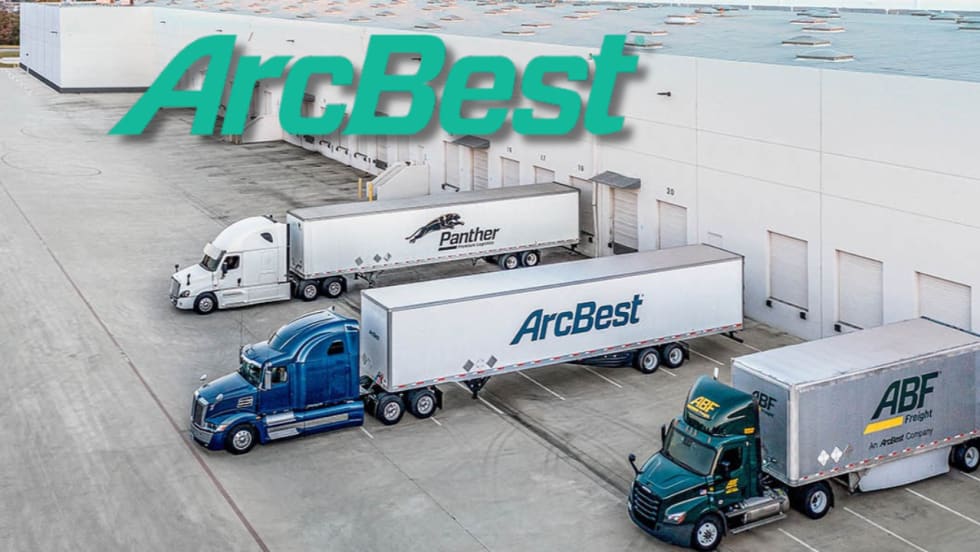
ArcBest Consolidates Brands, Cuts Workforce
The company will bring three business units under the ArcBest brand, eliminate about 2% of positions, and expects the changes to generate $40 million in annual savings.
Read More →
Trucking Fleets Faced Record Operating Costs During Third Year of Freight Recession
ATRI's annual operational cost report shows carriers trimmed fleets, delayed equipment purchases, and ran older trucks as expenses continued to outpace freight rates.
Read More →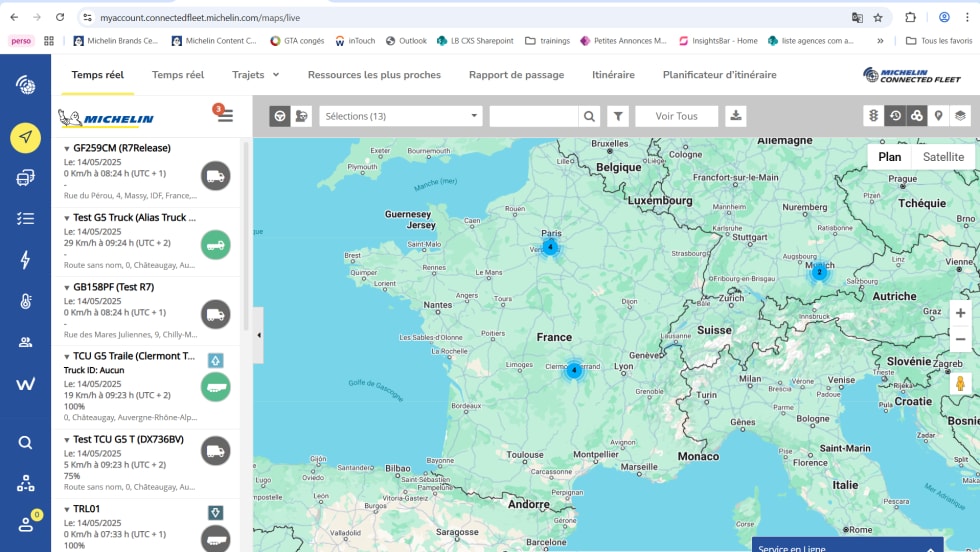
Michelin Adds AI Assistant to MyConnectedFleet Platform
Michelin’s new generative AI tool delivers instant fleet insights, helping managers analyze fuel use, tire maintenance, vehicle status, and operational performance without manually creating reports.
Read More →
LytxOne Platform Now Features AI, Compliance, and Asset Tracking Tools
New enhancements add AI-powered insights, asset tracking, compliance automation, and configurable privacy controls to Lytx's all-in-one fleet management platform.
Read More →