




Prepare Your Fleet Now for Higher Fuel Prices Later
While fuel prices may not be as high as they were a few years ago, strict oversight of fuel assets can help maintain a healthy bottom line over the long term. One way to do that is with modern cardlock systems.
by Bobby Hayes, OPW
March 9, 2017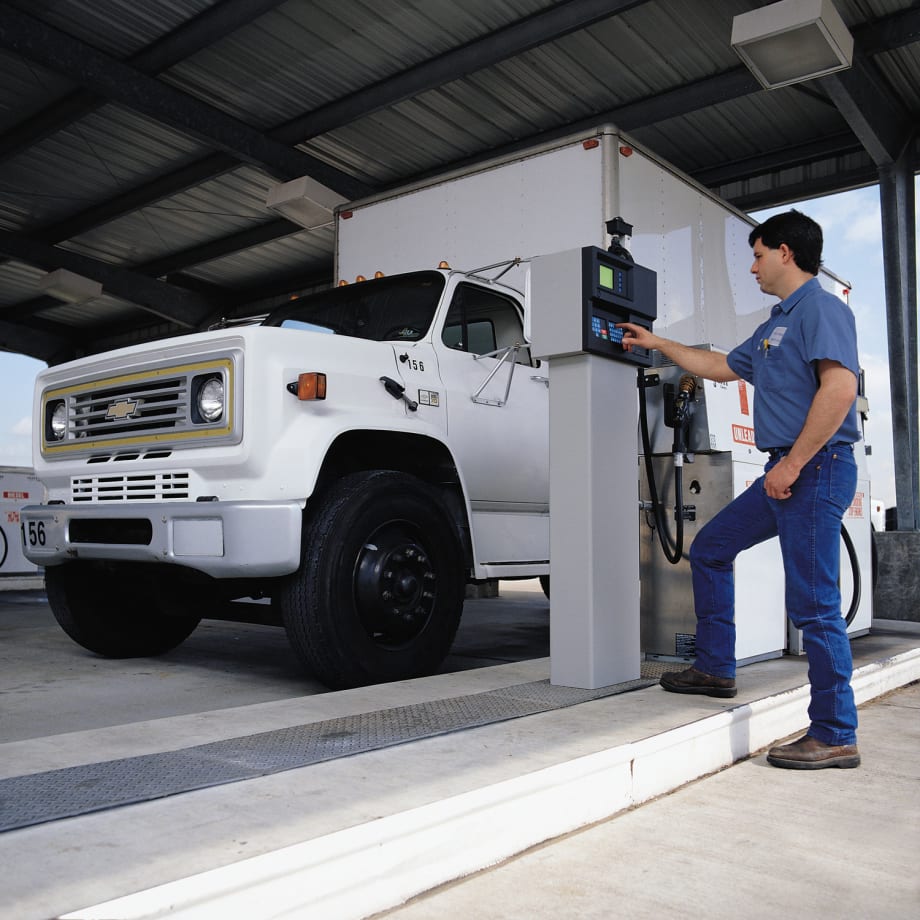
Cardlock systems help fleet administrators manage their fuel assets by making it easier to authorize and provide accountability for fuel usage. Photo courtesy OPW
3 min to read

While fuel prices may not be as high as they were a few years ago, fleet managers continue to be challenged by an unpredictable fuel market that makes it difficult to budget for fuel expenditures. Strict oversight of fuel assets can help maintain a healthy bottom line over the long term.
The Department of Energy is projecting moderate increases in the price of crude oil and diesel fuel over the next year, but as always, unrest in the Middle East could wreak havoc with those gradual price projections. The best time to review the effectiveness of your site’s fuel management equipment is before price spikes hit. Such an audit can help identify ways to cut costs through reduced fuel losses and streamlined operations.
Control Fuel to Reduce Expenses
Whether you're managing a large fleet of more than 1,000 tractor-trailers or a small fleet of 25 concrete trucks, aging equipment and fuel are two of the largest expenses. What’s more, one expense (variable fuel costs) makes it difficult to fund the maintenance and equipment needed to overcome the other (aging equipment).
Cardlock systems, also known as fuel control systems, let fleet administrators carefully manage fuel assets by providing authorization and accountability of fuel usage. By tracking every gallon of fuel that goes into every fleet vehicle, fuel control systems help identify unauthorized fueling, prevent fuel theft, document fuel usage and create visibility into operating costs.
Today's fuel control systems also can help drive efficiencies in your operation. For example, many fleets still rely on manual statistical inventory reconciliation, which is inaccurate, inefficient, and expensive. Automated reconciliation programs eliminate hours of manual data collection, calculation, and reporting, and today's software-based solutions improve the accuracy of the fuel usage data that is collected. Fleets that incorporate a tank gauge and a full-featured reconciliation software into their system significantly increase the depth of inventory data available to them while also streamlining reconciliation procedures.
Through instant visibility into fuel volumes and anticipated usage, fleet directors are able to optimize the timing and pricing of fuel deliveries, a cost-cutting strategy that quickly pays off, whether buying millions of gallons of fuel annually or less than 50,000 gallons.
You also can optimize preventive maintenance programs by using fuel management software. Many fuel management programs allow vehicle mileage data to be exported into fleet management programs. By supporting better scheduling of vehicle maintenance, the software helps prevent unplanned vehicle downtime.
Plan for the future
To make sure your cardlock system can keep up with your company's needs as it grows, look at fuel management equipment that is designed with upgradeability in mind.
Upgrading select components within an existing cardlock system can lead to workflow efficiencies and cost savings. For example, a terminal that upgrades its 20-year-old cardlock system’s site controller will significantly enhance the system’s performance capabilities. Fleet administrators will be able to take advantage of the latest fuel management software, which often includes advanced reporting capabilities and fleet maintenance integration. Equipped with fuel inventory data collection and reporting capabilities, the updated site controller can help cut costs through streamlined data management.
The recent low fuel prices have yielded savings for fleet managers; now is a good time to look at investing those savings in fuel management technology. Expanding fuel control practices before higher fuel prices hit is essential because when fuel prices rise, fuel theft also increases. Fuel theft at $2 a gallon is certainly unwelcome, but theft, when fuel is $4 a gallon, can be devastating. Heavy-duty fleets that invest now to strengthen their fleet and fuel management programs for the future will be in a better position to preserve their bottom lines amid challenging economic conditions.
Bobby Hayes is the domestic sales manager at OPW Fuel Management Systems in Hodgkins, Illinois. This article was authored under the guidance and editorial standards of HDT's editors to provide useful information to our readers.
Subscribe to Our Newsletter
More Fuel Smarts

Jennie Abarca Is Proving Electric Trucks Can Do the Job
HDT Truck Fleet Innovator Jennie Abarca is building confidence in fleet electrification one load at a time while openly sharing the challenges she encounters along the way as a small-fleet owner.
Read More →
Cummins Adjusts 2027 Engine Rollout After EPA Proposal
The engine maker will gradually introduce its new Model Year 2027 diesel engines while continuing to offer current models during the transition, citing the EPA's proposed emissions rule changes.
Read More →
EPA Proposal Could Ease 2027 Truck Costs and Buying Uncertainty
The proposal doesn't change the tougher NOx standard, but it would revise key implementation requirements that manufacturers say have driven up costs and complicated fleet purchasing decisions.
Read More →
Cummins, Paccar Ease DEF Derates After EPA Guidance
Updated diesel engine software gives truck operators more time to address emissions-system issues while staying compliant with EPA emissions standards.
Read More →
Maintenance in the Messy Middle Part 3: Biodiesel
Biodiesel can reduce emissions, improve fuel-system lubricity and use existing diesel infrastructure. But NACFE’s Messy Middle maintenance report says fleets must actively manage storage, cold-weather operation, filters and oil drain intervals to avoid problems.
Read More →
Enhance Fleet Performance with High-Efficiency Auxiliary Power Units
Drive sustainable cost savings while increasing driver comfort during short- and long-haul logistics operations.
Read More →
Maintenance in the ‘Messy Middle’ Part 2: Renewable Diesel Fuel
NACFE's latest Messy Middle Powertrain Service & Maintenance report says renewable diesel gives fleets an opportunity to reduce carbon emissions without changing trucks, fueling infrastructure or maintenance practices. But technicians still need to understand several important operational differences.
Read More →
The Diesel Engine Enters NACFE’s ‘Messy Middle’
NACFE’s new Messy Middle Powertrain Service & Maintenance report says keeping modern diesel engines running now depends as much on software, diagnostics and data as traditional mechanical service.
Read More →
DTNA Software Update Gives Truckers More Time Before DEF Derates Take Effect
The changes reflect EPA guidance aimed at reducing downtime caused by emissions-system faults while maintaining compliance requirements.
Read More →
New Agentic Predictive Maintenance Report Demonstrates How Degraded Aftertreatment Systems Waste Fuel
Questar analyzed a large mixed-class fleet and discovered it was wasting as much as $30 in fuel per vehicle, per day, because of mechanically degraded aftertreatment systems.
Read More →