




Optimism In Belgium Over Fuels
Volvo introduces "carbon-dioxide-free" demonstrator trucks


This column comes from Brussels, Belgium, where I have just been privileged to see Volvo's introduction of "carbon-dioxide-free" demonstrator trucks. In all, the company showcased seven alternative fuels that offer various degrees of practicality and availability. Fuels ranged from biodiesel through land-fill gas to hydrogen-enhanced combustion – the common key being that all are renewable fuels that, in the combustion process, would add nothing to the total carbon dioxide balance in the environment.
The object, said Volvo President and Chief Executive Leif Johansson, is to show that technologies are available to run the diesel engine on a wide variety of alternatives to conventional fossil fuels, pointing to the seven in the demonstration as among the most promising. "As one of the world's largest manufacturers of heavy trucks, diesel engines and buses, the Volvo Group is part of the climate problem," said Johansson. "But environmental issues are one of the areas which we have assigned the very highest priority, and based on our resources and knowledge, we both can and will be part of the solution."
It is now time, he said, for the suppliers and the policymakers to commit research, development dollars and production capabilities to any or all of the fuels. Volvo trucks could be production-ready and available for sale within 24 months.
During technical discussion of the different solutions – all applied to Volvo's 9-liter engine available in Europe – Jan-Eric Sundgren, a member of Volvo group management and senior vice president of Public and Environmental Affairs, said that the diesel is a very efficient energy converter. "It is perfectly suited to many different renewable fuels, liquid or gaseous," he said. "With our know-how in engine technology and our large volumes, we can manufacture engines for several different renewable fuels."
Several of the fuels – the biodiesel, ethanol and landfill gas, for instance – were made from biomass, which is a controversial situation in many parts of the world. Food is being diverted to fuel uses where people are either starving or hit by escalating food prices.
However, said Sundgren, a second generation of renewable fuels produced through gasification can be generated in large volumes from basic carbon compound building blocks unrelated to foodstuffs. And in manufacturing these fuels, the producers are able to offer a greater number of fuels to choose between.
Johansson pointed to the enormous gains that have been made in the efficiency of the diesel engine, improving its fuel economy, in Volvo's case by 37 percent over the last two decades. And there's more to come: Research will see a further 15 percent improvement by 2020. And in areas where hybrids are appropriate, these further savings will be of the order of 25 percent to 35 percent.
The research into carbon-dioxide free fuels is the next step in emissions controls, said Johansson. Diesel tailpipe emissions of PM and NOx become virtually zero in North America in 2010 and in Europe in 2012. But the huge population of trucks means that it will take "several decades" for this cleaner exhaust to manifest itself. But even as it does, "CO2 will increase with total population of CVs increased," said Johansson.
In private conversation, Johansson said that there is a misconception that the United States – because it was not a Kyoto Protocol signatory – was not concerned with CO2 emissions. But in fact, he sees more being done in the U.S. than in many other parts of the world.
The demonstration involved a look at the impacts of the seven different fuels, socially, and economically. And the reports and analysis provide great reading that we'll explore in upcoming issues.
Meanwhile, the presentations and trucks that drove in to the event here in Brussels were a fascinating glimpse at what is not only possible, but highly likely. And not in the long term.
Real alternatives to fossil fuels could be with us and in general transportation use within a few years if only the policymakers can get their biomass together.
More Fleet Management
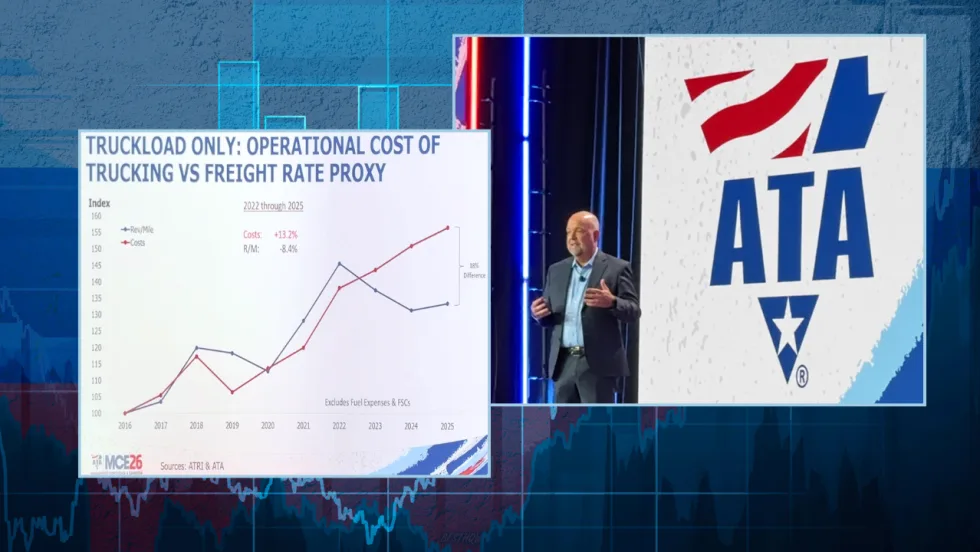
Why This Trucking Recovery Is Different
Freight demand remains sluggish, but rising costs and tougher enforcement have taken enough capacity out of the market to change the outlook for motor carriers.
Read More →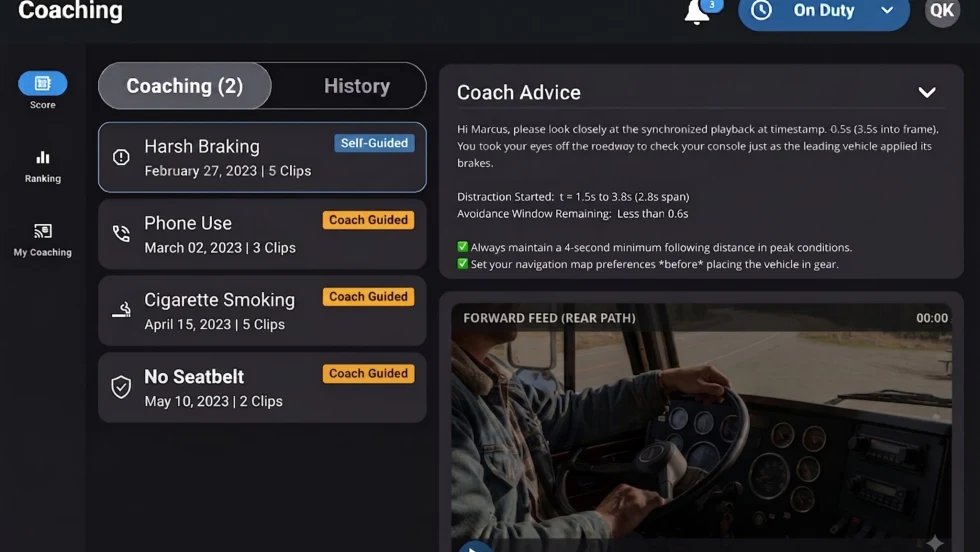
Platform Science Adds Dispatch and Safety Tools
Four additions to PS Fleet help fleets monitor loads, manage driver coaching, share truck locations and adjust video system settings.
Read More →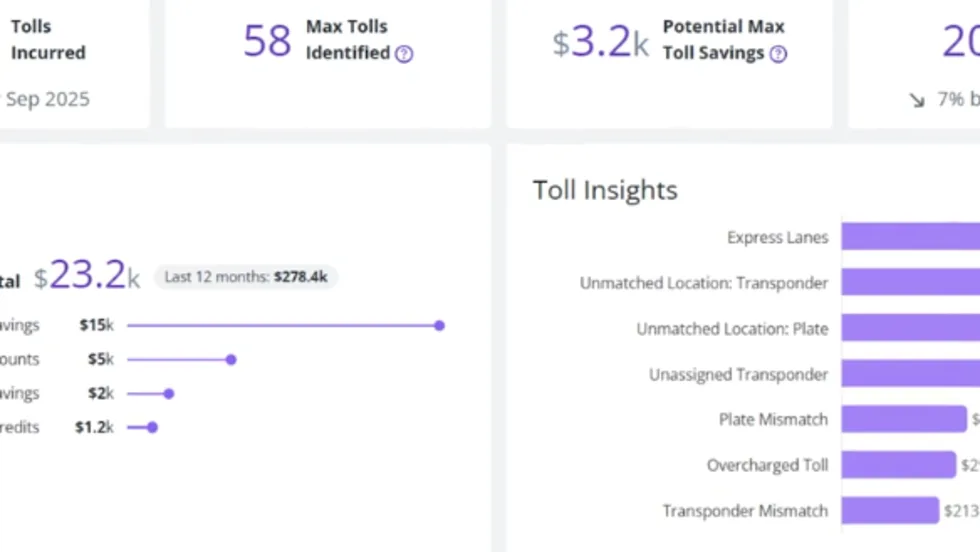
PrePass Intelligence Mines Fleet Bypass, Toll and Safety Data
PrePass Intelligence helps fleets measure bypass savings, flag potential toll overcharges, and spot suspicious transactions by combining data from separate systems.
Read More →
Motive Adds AI Agents for Fleet Operations
New tools automate follow-up on fleet data, from maintenance work orders to driver alerts, with two-way voice conversations planned for later this year.
Read More →
Can You Beat Our Trucking Trivia Challenge?
Test your truck knowledge with 19 trivia questions from Heavy Duty Trucking Exchange. Can you keep up with the fleet pros?
Read More →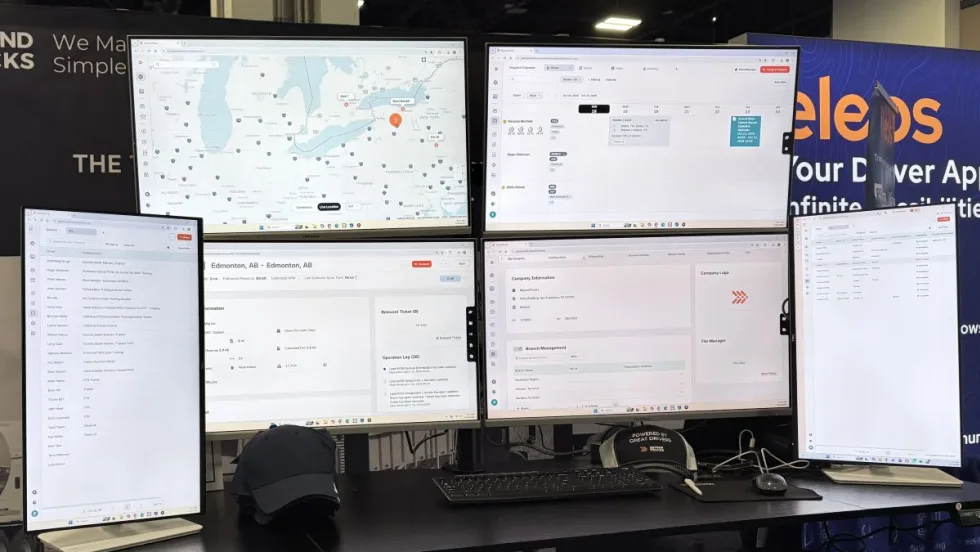
BeyondTrucks Adds Rules Checks to Dispatch
New Compatibility Engine checks driver qualifications, equipment requirements and fleet policies before loads are dispatched.
Read More →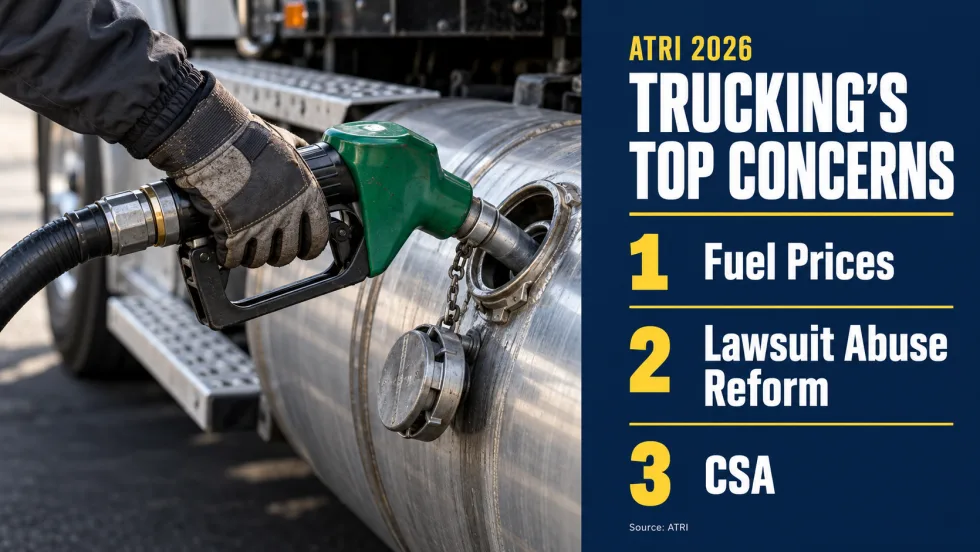
Diesel Prices Hijack Trucking’s Worry List
ATRI’s annual survey finds cautious optimism about freight, but diesel costs, litigation, and insurance continue to squeeze fleets. Drivers have different priorities on several issues.
Read More →
Nomination Deadline Extended for HDT Emerging Leaders
Just a few more days to nominate accomplished trucking fleet professionals under 40 who are making an impact and helping lead the industry forward for the HDT Emerging Leaders award. Deadline extended to October 20!
Read More →
What Will ATA’s New Leader Bring to Trucking's Table?
Incoming President and CEO Mark Colson’s record in Alabama offers clues about his priorities and approach following Chris Spear’s abrupt departure as the head of the American Trucking Associations.
Read More →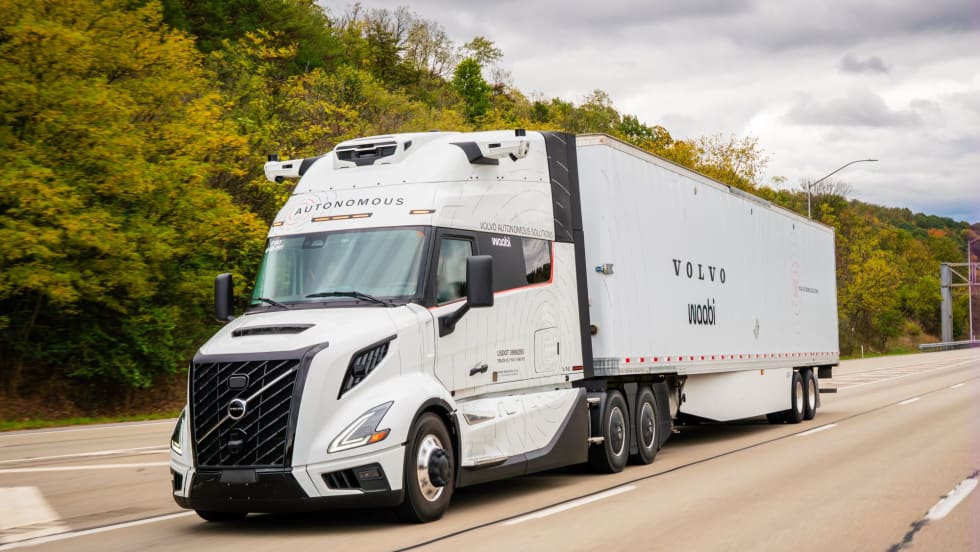
Volvo, Waabi Start Commercial Autonomous Operations in Texas
Volvo VNL Autonomous trucks, powered by the Waabi Driver, are hauling freight directly to third-party facilities for a customer in Texas.
Read More →