




Nine Must-Dos for a Successful Social Media Strategy
The marketing model of simply blasting out company messages and hoping that someone will listen is outdated
The marketing model of simply blasting out company messages and hoping that someone will listen is outdated.
Today, audiences want relevant information delivered in a timely manner, communicated using a platform of their preference. And that platform may very well be within the realm of social media.
According to Universal McCann Social Media Tracker - Wave 3, the formal definition of social media is "the online applications, platforms and media that aim to facilitate interaction, collaboration and the sharing of content."
Social media isn't just for connecting with old friends. It's also being increasingly used for business. In fact, U.S. marketers in B2B businesses are expected to spend $210 million on social networking sites in 2012, according to an August 2008 eMarketer study. It's clear that many activities that used to be completed without the aid of the Internet are now conducted within the digital space. Professionals conduct research about companies and products, organize events and groups, develop relationships and promote personal and company brands all while online.
Social media platforms now help audiences form impressions about brands, judge the reliability of products and services, make purchasing decisions, influence the decisions of their peers and even purchase products. And companies are taking notice. According to a MarketingSherpa Social Media Marketing and PR Benchmark Survey in 2008, more than 90 percent of companies believe that social media is effective in influencing brand reputation and increasing brand awareness.
Those within the trucking industry clearly see the value social media can provide. A variety of OEMs, fleets, owner-operators, drivers, industry associations and the trucking media maintain active Twitter accounts. Furthermore, many editors and drivers blog and have a Facebook presence. And many are members of LinkedIn, a social media platform that enables business networking.
The trucking industry has an opportunity to use social media to engage with potential and existing customers and strengthen relationships. Using social media platforms, target audiences can be more influenced by word of mouth and brand advocacy because these audiences tend to be more narrowly focused in the digital space than they are in other channels. This provides an ideal opportunity to engage and build relationships.
But before deciding to dive head first into social media, there are several steps to first undertake.
It's imperative to read what people are saying in the digital space about your business, competitors and the trucking industry in general. The insight gained from listening to the conversation occurring online is invaluable. It may provide insight about perceptions of company, including strengths and weaknesses, as well as those of your competitors. The digital space can be the source of informal market research to which you have never had such open access.
Listening to the conversation also can help improve customer service. Imagine that while following a conversation on a platform such as Twitter that someone expresses frustration with the company or a product. Now that you are aware, you have the opportunity to reach out to the person, pull the conversation offline and repair the situation. Even if the issue cannot immediately be rectified, the fact that your company is listening and attempting to fix the issue can turn the situation into a positive one.
Much like any other marketing communications activity, you must have a plan for leveraging social media platforms. Working in tandem with marketing, corporate communications and/or an outside agency, determine what you are trying to achieve.
If you seek to engage customers, increase brand awareness or build relationships, the development of a strategic social media plan can help identify tactics and tools to ensure success. And like other marketing communications plans, objectives should be quantifiable and measurable.
Social media should be a part of a broader marketing communications program. And early identification of your purpose, or the role social media will play in your overarching plan, is a key to success. Your purpose may be establishing a real-time rapport with customers, educating followers about the company, building brand position or improving customer service. Defining your purpose will help determine which of the multiple social media platforms to utilize for best results.
Set realistic and specific goals once objectives and purpose have been established. You may want to increase website traffic to a blog, generate a certain volume of followers on Twitter or introduce a mechanism for customer service in the digital space. If so, what will be needed to show success? Quantify these goals so that measurement will be simpler once engaged.
Twitter. Facebook. LinkedIn. Blogs. These are just a few of the social media platforms - or tools - available today. Just like any other form of communications, each platform has a specific role. And the platforms that are effective for your peers or competitors may not necessarily be the platforms that are right for your company.
To determine what platform is right, once again work in tandem with your marketing and communications department or an outside agency. Your objectives and purpose, as well as the activities of your target audiences, will help guide your selection of the tools that will be most effective for you.
With your objectives and purpose in mind, work with marketing, corporate communications or an outside agency to determine the kind of content you will deliver via the digital space. A critical element to content strategy is identification of those within your company who will play a role in the online conversation. Participants should be credible, influential and knowledgeable about the digital space.
Your participation in the digital conversation should help achieve the identified objectives. For example, if a goal is to improve customer service, you should engage with the audience and deliver posts that focus on resolving issues and providing users with resources that can help answer their questions. If a goal is to improve product awareness, you might enable product trial, engage with bloggers who write about your industry or post content about the product.
Only after the plan is in place should you begin participating in the conversation. Interact with your audience regularly. Respond to comments and questions in a timely manner. And when it comes to the information you're sharing via social media platforms, refresh your content on a regular basis to ensure it keeps your audiences engaged.
To better manage what will be posted and when, maintain regular contact with executives and subject-matter experts who can provide the information you need to stay current and relevant in the digital space. Develop an editorial calendar of information you will push out to ensure you have an arsenal of topics for posting and are never struggling to find content. You've listened to what others are saying about the industry, the company and competitors. Now is the opportunity to develop content that adds value to these conversations, while meeting your objectives.
It's true that companies can no longer simply blast their messages to target audiences and hope that those messages are heard. Engagement implies that the company is not just pushing out content about products and corporate brand messaging. Customers seek a relationship that adds value to their e
More Fleet Management

How Telematics Improves Visibility, Control, and Performance in Refrigerated Fleets
Explore how telematics help refrigerated fleets improve visibility, uptime, efficiency, compliance, and cargo protection across connected cold chain operations.
Read More →
What the U.S.-Canada Trade War Means for Trucking
Escalating U.S.-Canada tariffs could disrupt cross-border freight, reduce truck volumes, raise costs, and create new uncertainty for carriers on both sides of the border.
Read More →
What Are Trucking’s Top Concerns for 2026?
The American Transportation Research Institute wants to know what's worrying trucking fleet managers, drivers, and other stakeholders in its annual Industry Issues survey.
Read More →

American Trucking Associations Looks for a New Leader
ATA President and CEO Chris Spear abruptly left his job at the association on August 21, at a pivotal time for the trucking industry.
Read More →
Public Wi-Fi Cybersecurity Risks: How Truck Drivers and Fleets Can Protect Their Data
Public Wi-Fi can expose truck drivers and fleets to credential theft, malware, and other cyber threats. Here’s how to reduce the risk on the road.
Read More →
For Nicky Cupp, Fleet Innovation Starts With Frustration
HDT Truck Fleet Innovator Nicky Cupp turns everyday pain points at Fraley & Schilling into opportunities for better technology and smarter processes.
Read More →
Adam Buttgenbach’s Approach to Electric Trucks: Start With Where They Fit
HDT Truck Fleet Innovator Adam Buttgenbach helped PepsiCo build one of North America’s largest EV fleets by focusing on where electric trucks make operational sense.
Read More →
Deen Albert: Let Automation Do the Math, People Make the Decisions
HDT Truck Fleet Innovator Deen Albert makes sure people are still at the heart of operations at Grand Island Express, even while adopting artificial intelligence tools. AI-assisted dispatch helped boost revenue 25% with the same number of trucks.
Read More →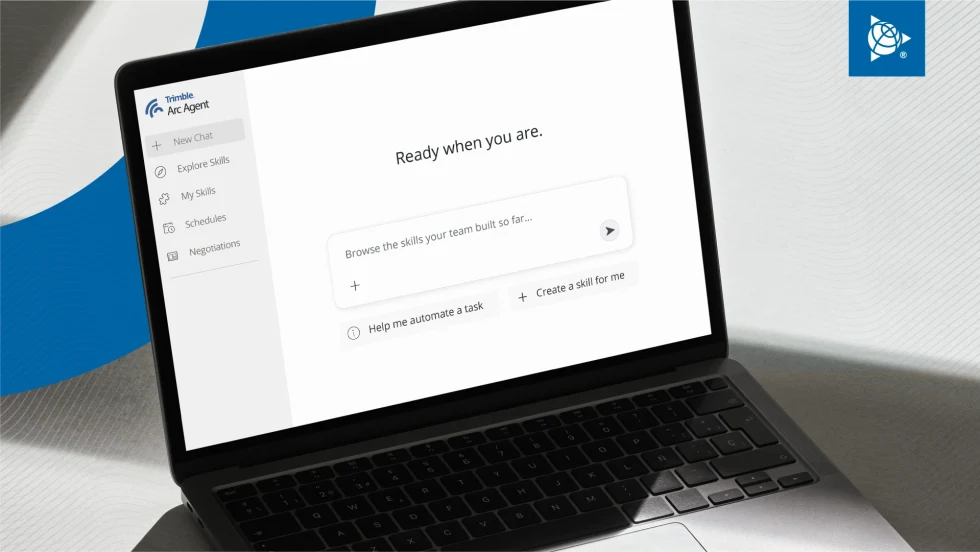
Trimble’s New AI Agent Takes Aim at Fleet Back-Office Busywork
Arc Agent works across Trimble TMS products to automate repetitive tasks such as freight orders, maintenance, invoices, fuel costs and more.
Read More →
How HDT’s 2026 Truck Fleet Innovators Are Rethinking Fleet Operations
Meet five trucking leaders who are challenging assumptions, solving operational problems, and putting innovative ideas to work.
Read More →