




Managing Shop Waste
Have you looked in your shop's trash lately? If it's like a lot of shops, you may find aerosol cans, mud flaps, truck batteries, rechargeable flashligh
Have you looked in your shop's trash lately? If it's like a lot of shops, you may find aerosol cans, mud flaps, truck batteries, rechargeable flashlight
and drill batteries, damaged brake chambers and shoes, old manuals, used filters, shop rags, old fluorescent bulbs, blown-out tires, even milk gallons full of used oil.
All these items could have been recycled. Some could even be classified as hazardous waste, meaning throwing them in the dumpster is illegal.
A good program to manage your shop's waste may seem like a hassle, but in the long run it can save you money and headaches.
'Those who fail to plan, plan to fail." Take this saying to heart when it comes to chemicals and waste in your shop. When the result of failing to plan could be fines that slash your profits to zero - or put your company out of business altogether - developing a plan for handling shop wastes is essential.
Here are five reasons you should care about how you deal with shop waste:
1. Compliance with regulations
Reducing your hazardous waste output reduces the potential liabilities for such waste. Fail to report a spill, or to dispose of wastes properly, and you could face fines of $25,000 a day from the U.S. Environmental Protection Agency and state environmental agencies. You also could face Occupational Safety and Health Administration fines, workers' compensation claims, even a lawsuit.
2. The environment
The U.S. produces approximately 500 million tons of garbage each year. This is equivalent to burying more than 90,000 football fields 6 feet deep in compacted garbage, according to Mike Ehrenhaft, manager of technical management for Waste Management. Approximately 40 to 65 percent of all trash is recyclable, and more is preventable through extended use. "The more trash you keep out of the landfill, the more money you keep for your core business. A lot of people think the opposite."
3. Reducing dependence on foreign oil
Obviously, recycling petroleum products such as tires and waste oil contributes to this goal. It takes 21 gallons of oil to make a new tire, but only 8 gallons to make a retread. But it's not just petroleum products. Ehrenhaft notes that 1 ton of recycled aluminum saves 1,663 gallons of oil along with 10 cubic yards of landfill space. Recycling 1 ton of plastic saves 685 gallons of oil; a ton of recycled newsprint saves 71 gallons.
4. Saving money
It seems like it's going to be more hassle, but in the end, these strategies can pay for themselves, even beyond avoiding compliance fines. For instance, you could save on your heating bills by using recycled oil to heat the shop, and in some states you could get tax breaks as well. Putting in more efficient lighting saves electricity costs and also can save on replacement bulbs in the long term.
5. Improving image
Being environmentally pro-active promotes a better image of your company and helps attract customers who are interested in patronizing "green" businesses.
Where to Start:
The first step is to identify consumables that could be re-used, recycled, or somehow made more environmentally friendly.
Tom Moses, environmental attorney and president of Spill Center, recommends making an inventory of all the activities you're involved in that generate waste, such as parts storage, changing oil or painting. If you focus on activities that generate maintenance waste, it's an easy way to group materials, as well as locations and regulations you have to comply with, he says.
Some areas to look at:
Aerosol cans: They may contain propellants that are considered hazardous materials. Try using a reusable container that can be pressurized with CO2 or compressed air.
Antifreeze/coolant: Even the biodegradable type, is considered a hazardous material once it's been used. Consider ways to re-use, recycle, or extend its use. There are a number of extended-life antifreeze/coolants on the market today.
Batteries: They can be recycled, both those from vehicles and their smaller cousins. In some states, this is required by law. Store them in a watertight, acid-resistant container. Inspect batteries for cracks and leaks when they come in. Neutralize any spilled acid and dispose of as hazardous waste.
Electronics disposal: "E-waste," as it's being called, is becoming more and more of an issue in the general public. Truck repair shops are no exception, with the emergence of electronics in the shop - the testers, the hand-held computer, and the batteries associated with that. Computers and electronic equipment can release a variety of toxic substances in a landfill, including mercury, cadmium, hexavalent chromium, brominated flame-retardant plastics and lead. Some states have laws regarding e-waste disposal. Consider donating old computers to local agencies. Look into other disposal and recycling options.
Lighting: Fluorescent bulbs and other lamps contain mercury that can be kept out of the environment if they are properly recycled. And you can make those bulbs last longer, as well as save on energy costs, by using lighting wisely. Consider installing light sensors in common areas to automatically turn lights off when no one is in the room.
Used oil and filters: Recycle used oil. Set up equipment, such as a drip table or screen table with a used oil collection bucket, to collect oil dripping off parts. Place drip pans underneath vehicles that are leaking fluids. You can use a recycling company, or burn the oil in a special space heater. Recycle used oil filters whenever possible.
Shop towels: Keep waste towels in a closed container marked "contaminated shop towels only." To reduce costs and liabilities associated with disposal of used towels, which can be classified as hazardous wastes, investigate using a laundry service that will treat the wastewater generated from cleaning the towels.
Solvents: Consider more environmentally friendly solvents for parts washing. To reduce the amount of solvent used when cleaning parts, use a two-stage process: dirty solvent followed by fresh solvent. Hire a hazardous waste management service to clean and recycle solvents. Some spent solvents must be disposed of as hazardous waste.
Vehicle wash water: Wash vehicles in an area where the wash water can be collected, treated and recycled. Eventually, the recycled wash water either will need to be removed and disposed of by a licensed hauler or discharged to sewers or surface waters. State and local authorities need to be contacted to obtain the necessary permits and to determine if treatment is needed prior to discharge or disposal.
Tips For Success
One of the first things to do is to put one person in charge of environmental issues, and centralize your efforts. For one thing, this helps with regulatory compliance, eliminating the "it's not my job" syndrome. Even if you only have one location, make one person responsible for all the information.
This person needs to be in charge of developing and implementing a comprehensive pollution prevention plan, covering things such as battery and oil recycling programs, training employees to recognize and report pollution sources, where your discharge is going, storm water runoff, truck washing, and storing used truck parts that are to be salvaged or returned.
But while this person may be responsible, he or she doesn't have to do it alone. Get your technicians involved; they often come up with suggestions. Talk to suppliers about disposal and recycling options.
Hire a reputable, financially stable, state-approved hauler that will dispose of your shop wastes legally. If hazardous waste is dumped illegally by a hauler you hire, your company may be held responsible.
Keep abreast of federal and state environmental regulations affecting you. One good way to do this is by attending one or more major compliance training progra
More Aftermarket
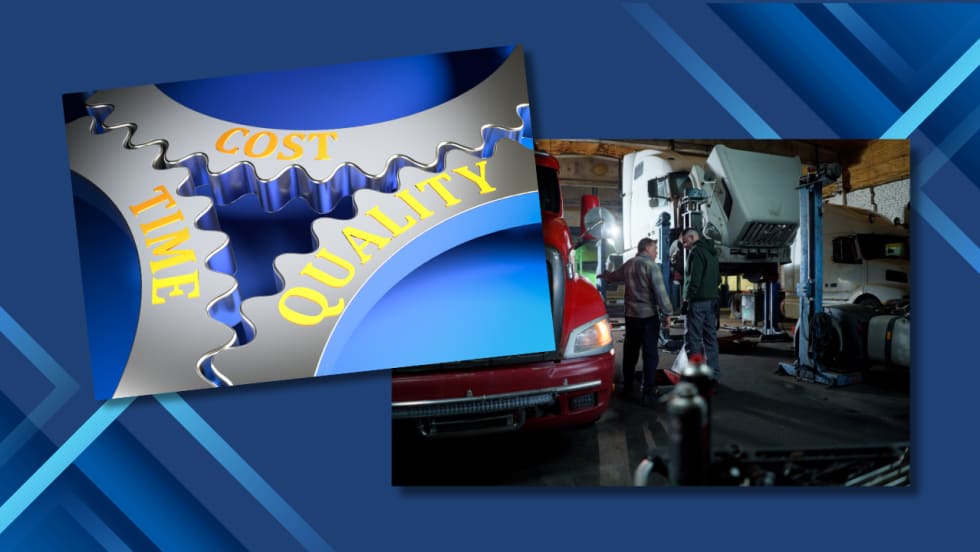
What Three Fleets Are Doing Differently When Buying Truck Parts in 2026
With freight improving but costs still climbing, fleet maintenance executives explain how they're balancing price, quality, and supplier relationships.
Read More →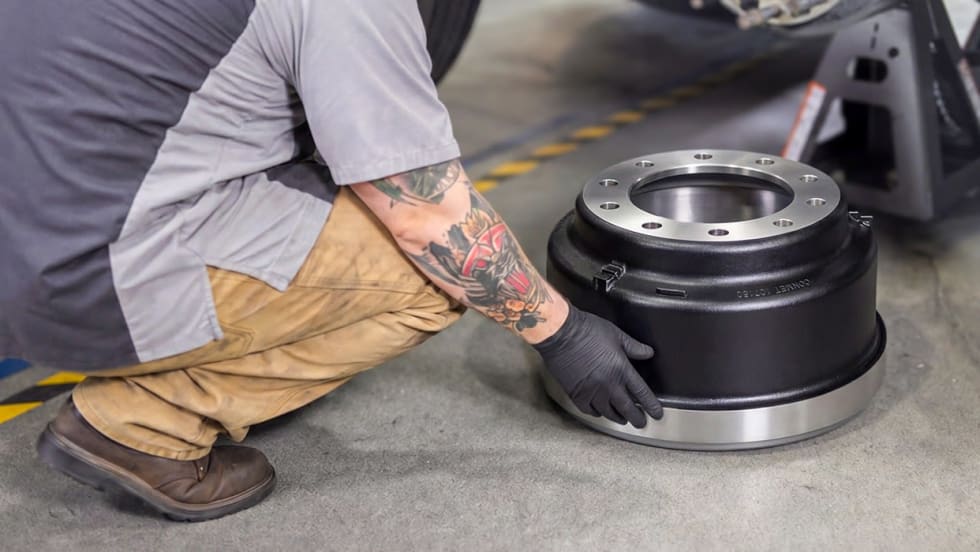
ConMet Expands Aftermarket Brake Drum Lineup With TruCast
A new heavy-duty truck brake drum option in the aftermarket gives customers more flexibility within the ConMet product family.
Read More →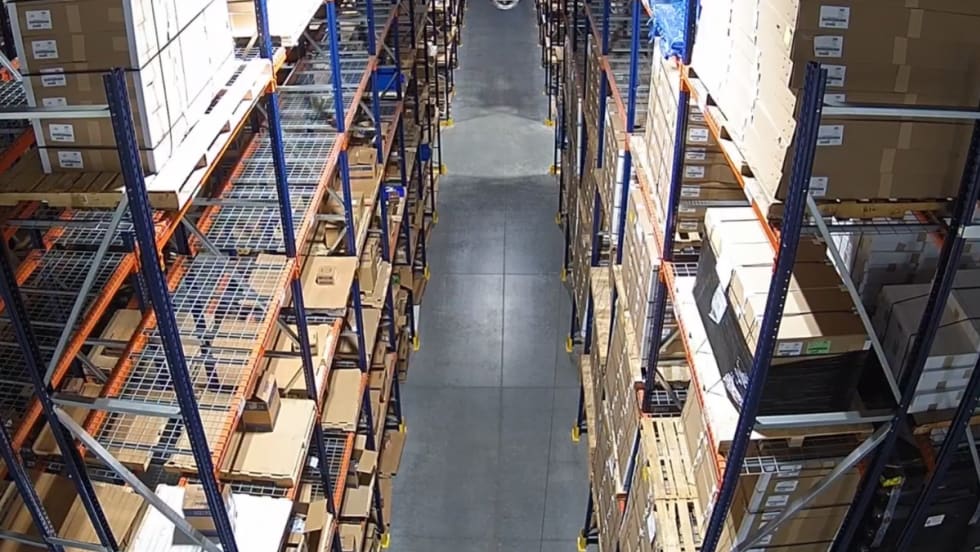
Phillips Opens High-Tech Distribution Center for Faster Parts Delivery
Phillips Industries’ new Cincinnati-area distribution center is now shipping aftermarket trucking parts nationwide, aiming to speed up delivery times for customers.
Read More →
Volvo to Sponsor America’s Road Team for 2025
Volvo Trucks announced that it is extending its exclusive sponsorship of America’s Road Team for 2025.
Read More →
Webb to Start Taking Orders for UltraSet Pre-Adjusted Wheel Hubs
Webb, which recently acquired the Stemco Trifecta pre-adjusted hub program, will soon start taking orders for its replacement pre-assembled hub, the UltraSet.
Read More →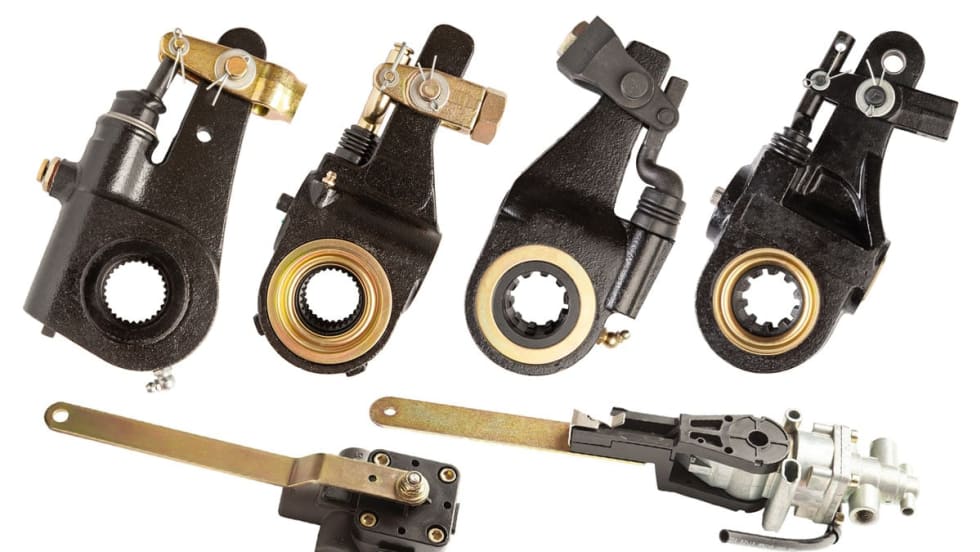
All-Makes Automatic Brake Adjusters, Ride Height Control Valves from Midland
SAF-Holland has added automatic brake adjusters and ride height control valves to its Midland All-Makes Program.
Read More →
ZF Aftermarket Expands [pro]Academy Training
ZF Aftermarket said it is expanding its ZF [pro]Academy training and will be adding 40 new modules this year.
Read More →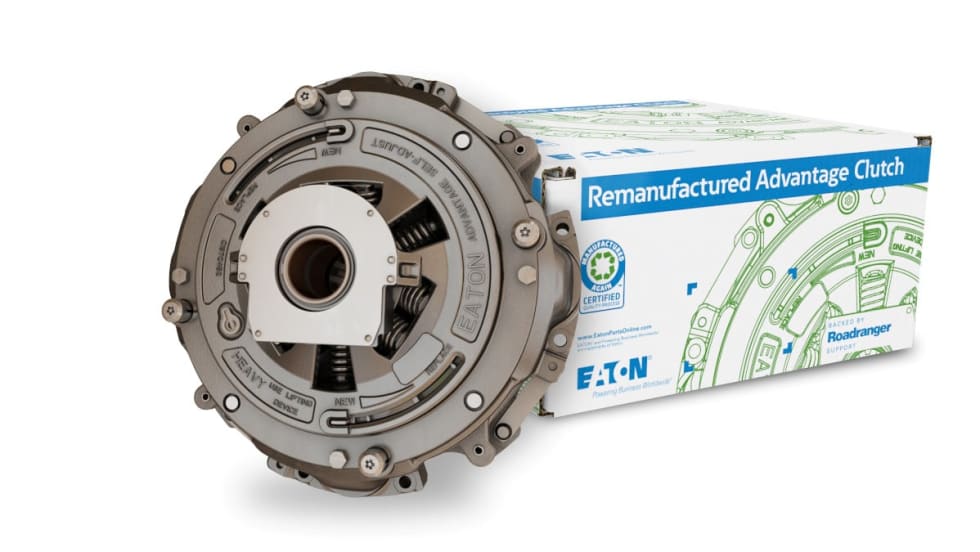
Eaton Adds Remanufactured Advantage Line of Clutches
Eaton has added its Advantage clutches to its remanufactured product line. The clutches feature a unique strap drive intermediate plate designed to allow customers to choose the latest OE specification
Read More →
ConMet Acquires TruckLabs, the Creator of TruckWings
Commercial truck and trailer parts provider ConMet acquired TruckLabs, the company that created TruckWings, an aerodynamic device that attaches to truck cabs and deploys to close the gap between truck and trailer. TruckLabs now operates as a subsidiary of ConMet.
Read More →
Diesel Laptops Releases Fault-Code-to-Part-Number Tool
Diesel Laptops said its Truck Fault Codes allows users to input a fault code and immediately identify and order the parts needed to complete repair work.
Read More →