




Lighter-duty Commercial Trucks Get More Fuel-Efficient Engines
In all the years I've been doing update articles for HDT, particularly on Class 1, 2 and 3 cargo vans, I've repeatedly asked execs at the truck builders about trends in engines

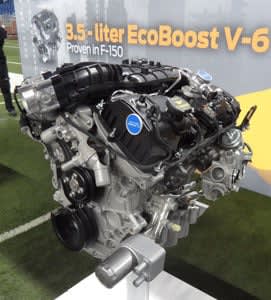
EcoBoost 3.5-liter gasoline V-6 and a naturally aspirated 3.7 V-6 in Ford's upcoming Transit vans will do the work of much larger and heavier V-8 and V-10 engines in current E-series vans. New 3.2-liter I-5 diesel will be optional.
In all the years I've been doing update articles for HDT, particularly on Class 1, 2 and 3 cargo vans, I've repeatedly asked execs at the truck builders about trends in engines.
Except for the introduction of the Mercedes-made Sprinter van with its small 2.7-liter inline 5-cylinder diesel in 2001, there werent any -- until recently.
For years, Ford and General Motors reps told me customers wanted power and continued to buy hefty V-8 gasoline and diesel engines. "Of course they'll buy big, honkin' motors if that's all you offer," I'd say.
But the Euro-style Sprinter was a trendsetter. Its large size made it a useful hauler for package delivery fleets, who successfully ran them in Europe and were the first to buy them here. It was also a good fit for tradesmen such as locksmiths, who found the Sprinter's standup room perfect for workshops.
That little diesel with a 5-speed overdrive automatic transmission was good on fuel economy, and the trucks were quick off the line and fast on the highway. The restyled current model has a 3-liter V-6 diesel, which is likewise lively and economical.
The competition seems to have taken notice. Earlier this month I was among a pack of "moto-journalists" who went to Detroit for briefings staged by the Big Three domestic builders Chrysler, General Motors and Ford.
Next-gen pickups
GM talked about its next-gen pickup trucks, whose V-8 and V-6 gasoline engines are getting enhanced cylinder deactivation functions that will turn them into V-4s under light load. This effectively reduces displacement and saves fuel, and is the opposite of the old hot rodder's rule for power: There's no substitute for cubic inches.
Chrysler showed sleeker 2014-model SUVs and Fiat-sourced large Ram cargo vans. The info is confidential until the vehicles are formally introduced at auto shows. But as a hint of what'll be in some of them, note Chrysler's spreading use of its powerful 3.6-liter Pentastar gasoline V-6 that's paired with an 8-speed ZF automatic in the new Ram 1500 pickup. It's EPA-rated at 18 mpg city and 25 mpg highway, while still delivering strong performance.
I drove one of those Ram 1500s last August at a Ram event in Tennessee, and wrote about it for Truckinginfo.com. The truck with this powertrain is a winning combination, even if the still-available Hemi V-8 (with cylinder deactivation) is more fun.
Ford Transits
Ford's briefing in Detroit was more detailed and open for reporting.
The next-generation Transit Connect compact vans and wagons will have an optional 1.6-liter EcoBoost turbo engine that'll break the 30-mpg mark, execs said. They're due here late in 2013, as are the full-size Transit vans.
These will have bigger bodies than the E-series vans theyll replace, but the Transits will get smaller V-6 gasoline engines: a standard 3.7-liter model and the 3.5-liter EcoBoost double-turbo version thats gone into 250,000 F-150 pickups as of last November. Reps said these engines will make more power than the V-8s and the V-10 they'll replace, will produce similar torque, and will weigh 100 to 200 pounds less.
There also will be a 3.2-liter inline-5 diesel for heavy-load, high-mileage operators. That it's an I-5, like the original Mercedes-Benz diesel back in 01, is a curiosity; but the Ford's a half-liter bigger in displacement and more modern, so will make quite a bit more power and torque.
We'll see how it does on fuel economy, though it should be as good or better. All the Ford engines will drive through 6-speed-overdrive automatics, which will aid efficiency and go-ability.
In one Ford presentation there was the phrase, "smaller is better." Shouldn't that also apply to engines in the popular E-series vans? Yes, but no. Because the E-vans will begin phasing out early next year, it wouldn't be worth the money to design in the newer engines, so the big ol ones will stay. They won't be cheap on gas, but they'll go out strong.
More Equipment
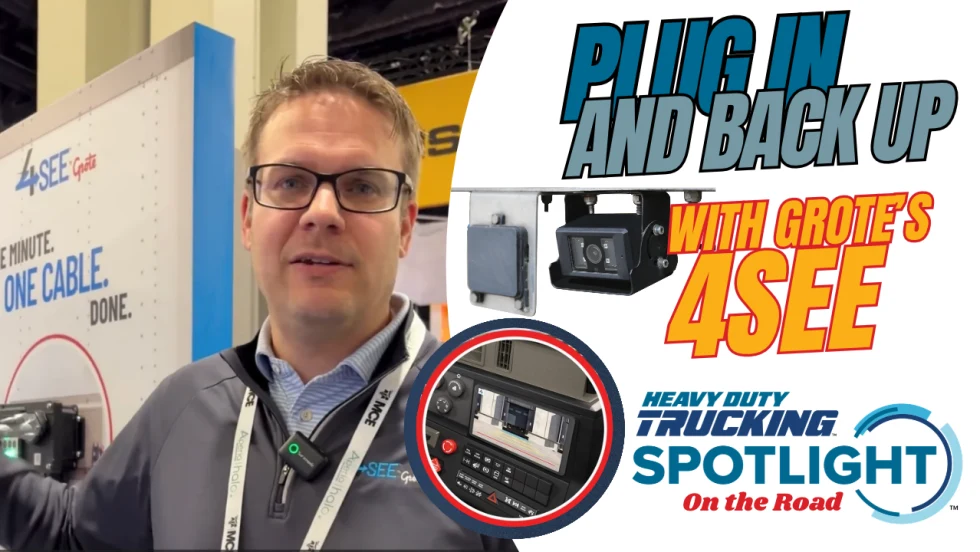
More Trailer Data Through the Same Seven-Way [Video]
Can trucking’s standard seven-way connector handle more cameras and trailer data? Grote’s Adam Slade shows HDT how the company is using new technology with its 4See trailer system, not only to add a new backup camera but also to expand other capabilities — without adding another connection.
Read More →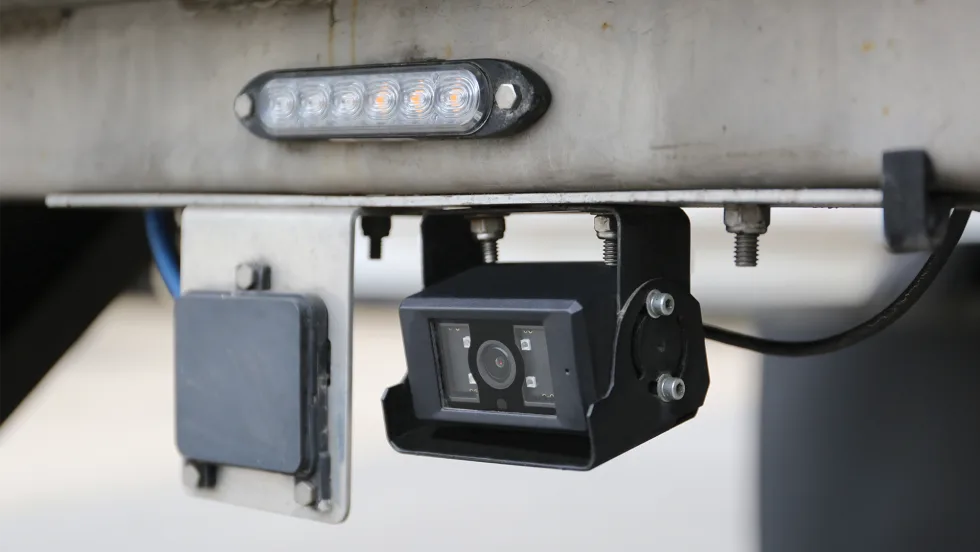
Grote: More Cameras, Same Seven-Way Connector
The next-generation 4See rear-view backup camera from Grote uses the standard seven-way connector and supports additional cameras and other trailer data.
Read More →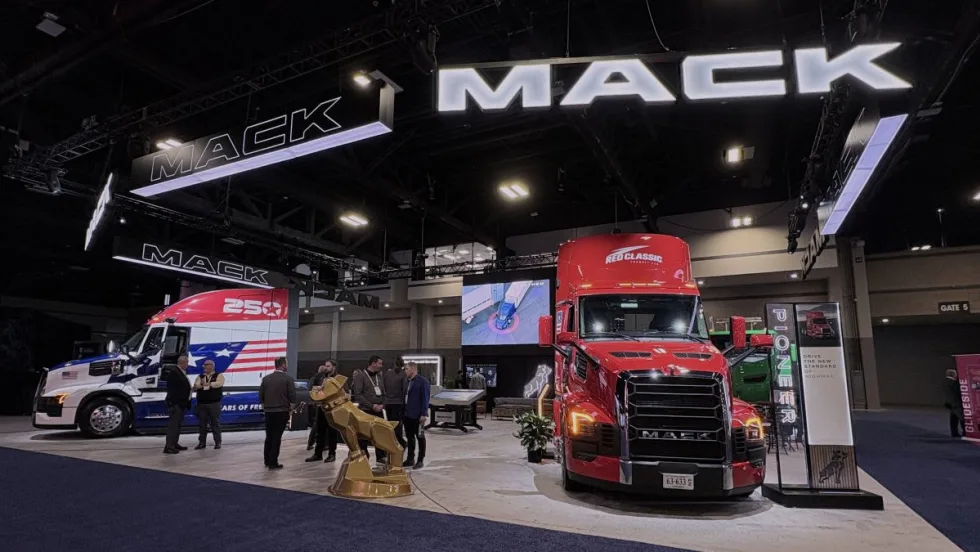
Trucks at ATA's 2026 MC&E in Charlotte, North Carolina [Photos]
From rigs decked out in patriotic America's 250 paint schemes to autonomous trucks and more, check out these photos from ATA's 2026 Management Conference & Exhibition.
Read More →
Help HDT Find Trucking’s Top Products
Have you come across a new product that could make a difference for trucking fleets? Nominate it for HDT’s 2027 Top 20 Products Awards by November 9.
Read More →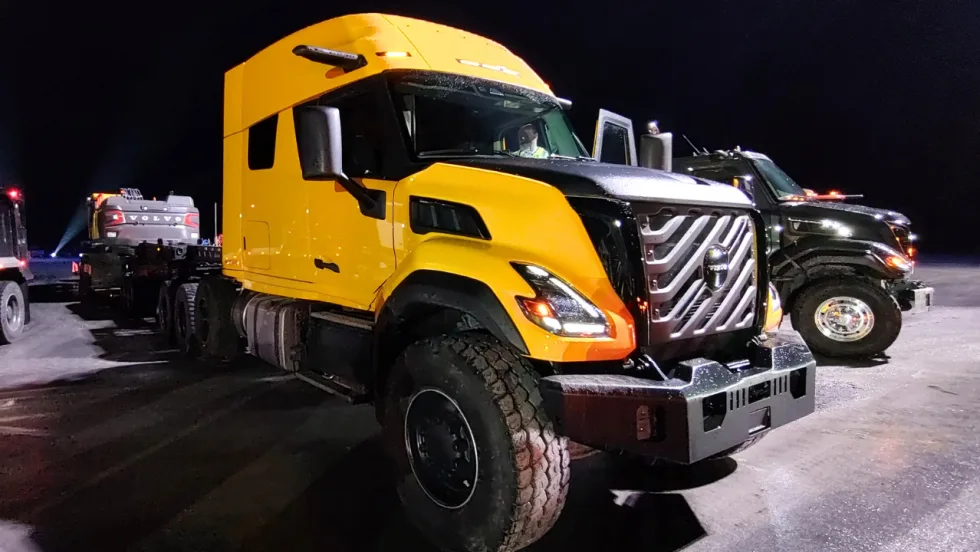
Volvo Unveils New VNX Heavy-Haul and Vocational Truck
Volvo Trucks has launched the VNX, a new vocational truck also available as a tractor in day cab and two sleeper configurations, with one heavy-haul model. The Volvo VNX is powered by Volvo's D13 platform, which delivers up to 540 horsepower and 1,950 pound-feet of torque and is EPA 2027-compliant.
Read More →
How GP Transco Cuts Trucking Fuel Costs, a Tenth of a Gallon at a Time
What’s another tenth of a mile per gallon worth? GP Transco shares how equipment upgrades and driver coaching turn small gains into meaningful fuel savings.
Read More →
Electric Yard Tractors Move Beyond Pilots
Operating-cost savings have overtaken sustainability goals as the leading reason surveyed fleets are adopting battery-electric terminal tractors, according to new NACFE research.
Read More →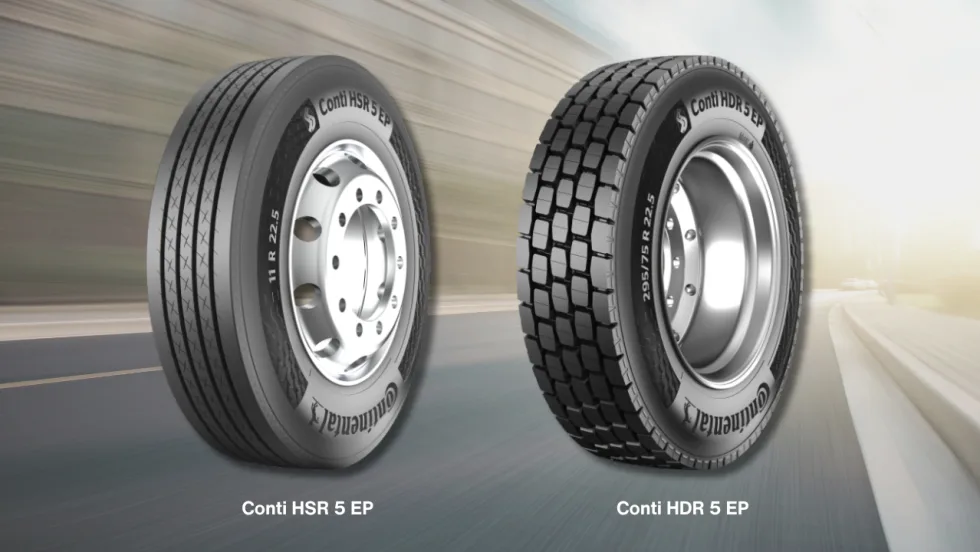
Continental Introduces New Regional Truck Tires
Continental says its new Generation 5 steer and drive tires for regional operations offer longer tread life, with estimated mileage gains of 22% and 19%, respectively.
Read More →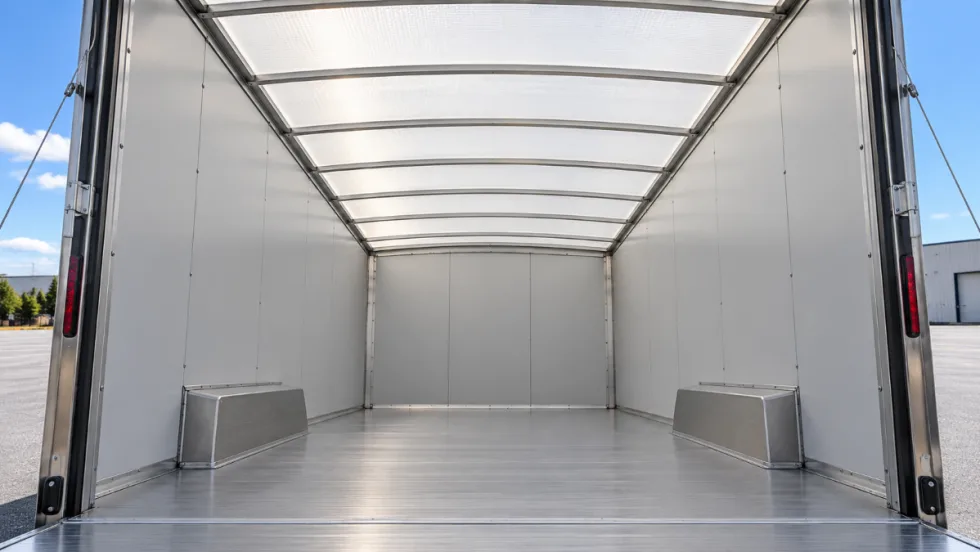
Tekmodo Introduces CargoBright Brand for Translucent Trailer Roofs
CargoBright is designed to diffuse daylight across the cargo area while performing as a working vehicle roof.
Read More →
Fleet Economics Shape Electric Truck Outlook
ACT Research expects costs, charging infrastructure, and technology improvements to drive zero-emission commercial vehicle adoption as federal regulations and incentives retreat.
Read More →