




How to Rehire Former Drivers to Improve Retention
Relationships are more important than ever. Rehiring former drivers is a benefit for companies because good drivers who depart are more likely to return if the circumstances are favorable.

Lifetime employment may be a thing of the past, but lifetime relationships are more important than ever. Rehiring former professional drivers is a benefit for companies that build those kinds of relationships, because good drivers who depart are more likely to return if the circumstances are favorable. In our exit survey data, we typically see that more than 50% of drivers leaving for preventable reasons would be likely to consider returning to the organization. This is especially powerful in the trucking industry where good drivers can be difficult to find.
The best approach to creating an effective return program is a holistic one, incorporating elements of recruiting, culture, and employee relations to ensure that no good driver is left behind.
Recruiting Former Drivers
Think about the recruiting costs your organization incurs in pursuit of new drivers. It can range from job advertising to referral fees, and the more difficult-to-fill positions typically require additional costs. However, when pursuing organizational alumni, you can avoid those costs.
This approach should be a standard practice for recruiters because it creates a conversational opportunity, one that doesn’t exist with candidates unfamiliar with your organization’s purpose and mission. In addition, there is less overhead associated with rehiring former drivers because they do not require as much training or orientation time.
Taking the time to pursue a driver that left and asking them what it would take for them to return is a simple, low-stakes way to start the conversation. The challenge is to keep the tone open and conversational as you dig into the issues that caused them to leave in the first place. It’s entirely possible that the original friction that caused the driver to depart is no longer an issue, opening the door for return employment.
For instance, if someone left due to a bad relationship with a supervisor, but that supervisor has moved on to another job or department, it could be the perfect opportunity for the employee to return to their previous role with a new supervisor.
Play the Long Game
While not a common practice, some companies are opposed to rehiring drivers. The thought is that if the driver left, they will probably do it again. While that may be true, it’s also incredibly shortsighted. Remember the lifetime relationship conversation? I’ve had great referrals from former workers, and I’ve also had fruitful rehire experiences simply because I made the conversation about the relationship, not the exit itself.
Embracing organizational re-entry is a cultural aspect that some companies have trouble with. Whether it’s pride, anger, or some other factor, it requires a long-term perspective. Despite the common belief that the “grass is always greener on the other side,” it is often not the case. While we all have probably fallen into that trap at some point in our careers, we need to look past the initial feelings and see the long-term benefits of organizational re-entry. Viewing those individuals that leave for preventable reasons as a valuable resource to tap into requires a mature mindset, but it can provide a host of benefits to the organization willing to take advantage of it.
In addition, research performed by Strategic Programs across a variety of trucking fleets shows that rehiring someone up to two times after the initial hire does not have a negative effect on performance or productivity. If your organization has a negative view of re-entry, this is a key statistic based on impacts to business outcomes that can help transform it into a standard practice.
Before pursuing the strategy of recruiting former drivers back into the organization, think through the definition of re-entry eligibility. While many drivers leave for different reasons, some of them are not suitable for rehire. Work with your hiring managers to set out a few key guidelines:
Does HR set the criteria, or does each manager have the final say?
What are the eligibility requirements? Does it rely on previous performance, the reason for leaving, or other related factors?
Once this becomes an established process, it can be woven into the standard recruiting practices to ensure this pool of valuable candidates doesn’t go untapped.
Catching Them Before They Leave
Finally, the best option is to try and recover the relationship before it severs in the first place. Some of the key elements of this process include:
Identification of the internal party that will have the recovery conversation with someone planning to quit. This needs to be the person with the requisite authority and credibility to speak openly with the employee about their reasons for departing and how they can be addressed.
Development of a profile that determines who is suitable for keeping and who’s worth letting go. As we know, not all departing drivers are ones that we would choose to keep, so being able to differentiate between each group is critical.
Alignment with existing HR and exit processes to ensure data captured on the departure (or intended departure) is fed back into the organization for decision-making purposes. For instance, if the person plans to leave due to a new manager’s personality but is talked out of it, there should be some follow-up and accountability built into the decision to stay.
Having a solid resignation recovery process can eliminate some of the preventable turnover before it occurs.
Organizational re-entry is a valuable approach for any organization, but it can deliver the highest value to those with difficult-to-fill positions. Maintaining long-term relationships with drivers and former drivers is a recipe for success in an increasingly experience-driven work environment. Remember, success requires a long-term perspective, and companies that see people as valuable assets have the most to gain from this type of program.
Ben Eubanks is a human resources professional, speaker and blogger who works as an HR analyst for Brandon Hall Group. He wrote this article based on input from Strategic Programs Inc., a workforce research and consulting firm that has done extensive work with trucking companies. It originally appears on Strategic Programs' website and is used with permission.
More Drivers
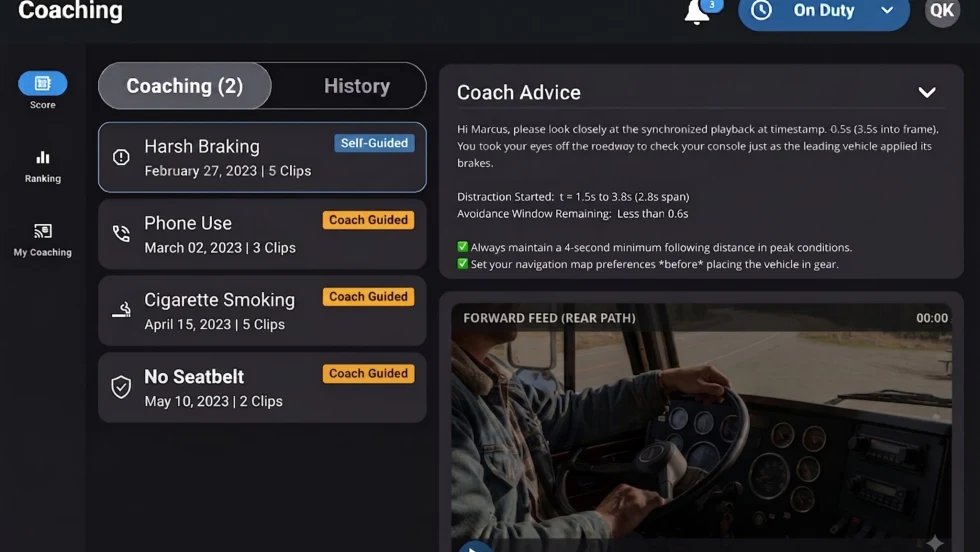
Platform Science Adds Dispatch and Safety Tools
Four additions to PS Fleet help fleets monitor loads, manage driver coaching, share truck locations and adjust video system settings.
Read More →
When Language Stops the Truck: The Return of ELP Out-of-Service Orders
English language proficiency rules for commercial drivers aren’t new, but renewed out-of-service enforcement has raised the stakes. Here’s what carriers need to know before a driver reaches a roadside inspection.
Read More →
Samsara Launches Custom AI Agent Builder
Agent Studio lets fleets create AI tools for hours-of-service monitoring, reporting and driver support, including agents that communicate by phone.
Read More →
Trucker Path Expands Reserved Parking Network
Trucker Path has added close to 6,000 more truck parking spaces to its Trucker Path Reserved Parking Network with the addition of Safe Truck Parking.
Read More →
EEOC Sues Texas Trucking Company Over Driver Age Limits
The agency says Trancasa USA rejected applicants over 65 and applied tougher driving-record standards to those over 60.
Read More →
Nussbaum, Roehl Announce Second Driver Pay Increase This Year
This year has seen a swath of major truck driver pay increases as freight capacity has tightened.
Read More →
From One Generation to the Next: How Mentorship Builds Safer Truck Drivers
After three decades in trucking, Harold Perry shares what he's learned about driver safety, mentorship, and helping the next generation build confidence behind the wheel.
Read More →
Truck Drivers Need More Than Another Alert
Fleets have more visibility into truck health, safety events, and driver activity than ever. The next challenge is turning all that information into useful guidance for the person who has to decide what to do next.
Read More →
FMCSA Removes 110 Truck Driver Training Schools from Certified ELDT List
Federal regulators also are targeting more than 160 additional training providers and launching a nationwide audit of third-party CDL skills testers as part of a broader crackdown on trucking fraud.
Read More →
Hours of Service Pilot Programs: FMCSA Readies for 2027 Rollout
Two pilot programs could eventually reshape hours-of-service rules, giving truck drivers options to pause their 14-hour clock or use longer split sleeper rest periods.
Read More →