



Fleet Snapshot
Who: JLE Industries
Where: Dunbar, Pennsylvania
Fleet: 350 trucks, 275 full-time drivers
Operations: OTR Flatbed
Fun Fact: JLE’s office is in Fayette County, home of the Big Mac
Challenge: Recruiting new drivers
 MENU
MENU SEARCH
Truck drivers face many challenges which can contribute to dissatisfaction, burnout and subsequent turnover. See what Pennsylvania-based JLE Industries does to create a work environment to retain drivers.
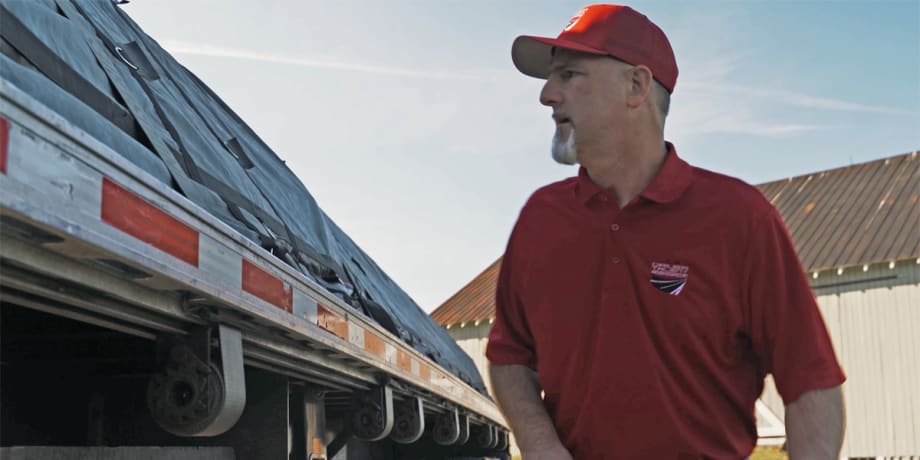
“Turnover can cost drivers as much as it costs trucking companies,” JLE Industries CEO Evan Pohaski says.
Photo: JLE Industries
Excess working hours, challenges on the road such as finding parking and bathrooms, lack of control over routes and load choice, and isolation all contribute to truck driver dissatisfaction, burnout and subsequent turnover across the industry, says JLE Industries CEO Evan Pohaski.
To combat this, the Pennsylvania-based flatbed carrier has invested in technology to provide a better driver experience and created a positive work environment where feedback results in proactive action.
“New drivers don’t just want to drive for a company; they want to create a path to independence for themselves and their families,” Pohaski says. “We believe this is why changes like pay rate increases and lowering of minimum driver age in some states have only created a small dent in recruitment. If drivers can partner with companies that empower them to work in the way that works best for their lives, we believe we’d see greater recruitment and retention across the industry.”
JLE’s driver empowerment strategies and DriverOS software, which creates transparency in load economics and helps create a more collaborative dispatch experience, have resulted in a company-wide, short-term retention rate of less than 50%.
The platform’s custom-built algorithms provide JLE drivers with load selection options that optimize their weekly pay, home time expectations, and miles driven, all while creating a clear line of communication and visibility with their fleet managers to enhance their overall driving experience.
“Using this kind of technology, JLE and our team of OTR flatbed drivers have access to the information they need to deliver freight on time and to be in control of their schedules in a way that makes the best sense for their personal lives,” Pohaski said.
To reduce turnover, JLE has implemented several programs, including:
Creation of a data science department that helps JLE understand driver behaviors, and how to proactively respond to any point of friction. JLE also developed a retention model tool to provide predictive insights.
Use of load and breakdown surveys to gather regular feedback from drivers about their experience working with each shipper. These surveys are sent after every load is delivered, and results are shared with the sales and customer service teams, as well as back to the drivers. Pohaski says JLE takes specific actions based on what drivers tell them, and lets them know the outcome.
Implementing a tech-enabled recruiting and hiring process that ensures JLE and the driver are the right fit for each other, even if that means a talented candidate chooses not to drive with them.
“Turnover can cost drivers as much as it costs trucking companies,” Pohaski says. That’s why JLE’s hiring process includes a series of open-ended questions to determine if candidates have explored every possible option with their current carrier, and, if not, can guide the prospective driver through that process.
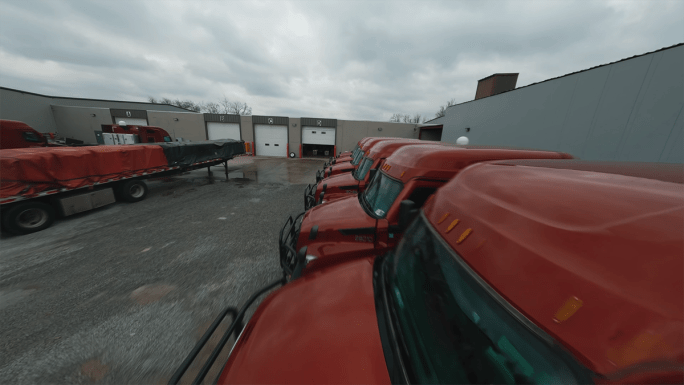
JLE drivers have access to load selection options that optimize their weekly pay, home time expectations, and miles driven.
Photo: JLE Industries
“This process is just one more way JLE builds driver trust,” he says. “Drivers know that JLE cares about their success regardless of whether they ultimately drive with us, cementing JLE’s position as a potential long-term, strategic partner, and not merely a transactional company like many others.”
Pohaski says all carriers would benefit from striving to make a “net positive impact on the industry as a whole, especially as it adapts to a new age of technology and work culture.”
This article was featured in the Jan/Feb issue of Heavy Duty Trucking.

For fleet managers and collision repair professionals keeping heavy-duty trucks on the road, getting the color right the first time isn't just about appearance — it's about efficiency, turnaround time, and bottom-line results. Discover how today's digital color tools are transforming the repair process from guesswork to precision.
Read More →
Carriers whose updates were due on or after June 1 have more time, while FMCSA works to stabilize its new registration system and warns of phishing sites impersonating its new carrier registration system, Motus.
Read More →
Cargo theft is no longer just the cost of doing business. It's a multi-billion-dollar criminal enterprise exploiting vulnerabilities across your fleet, drivers, and supply chain.
Read More →
Explore how telematics help refrigerated fleets improve visibility, uptime, efficiency, compliance, and cargo protection across connected cold chain operations.
Read More →
Escalating U.S.-Canada tariffs could disrupt cross-border freight, reduce truck volumes, raise costs, and create new uncertainty for carriers on both sides of the border.
Read More →
The American Transportation Research Institute wants to know what's worrying trucking fleet managers, drivers, and other stakeholders in its annual Industry Issues survey.
Read More →
ATA President and CEO Chris Spear abruptly left his job at the association on August 21, at a pivotal time for the trucking industry.
Read More →
Public Wi-Fi can expose truck drivers and fleets to credential theft, malware, and other cyber threats. Here’s how to reduce the risk on the road.
Read More →
HDT Truck Fleet Innovator Nicky Cupp turns everyday pain points at Fraley & Schilling into opportunities for better technology and smarter processes.
Read More →
HDT Truck Fleet Innovator Adam Buttgenbach helped PepsiCo build one of North America’s largest EV fleets by focusing on where electric trucks make operational sense.
Read More →
