




Related: VTTI Tasked with HOS Restart Study
Handling the Fallout from the Restart Rollback
Technology providers are working on updates to onboard recording devices and other automated logging and auditing systems to cope with the 34-hour restart suspension.
by Betty Weiland, J.J. Keller & Associates, Inc.
February 20, 2015
Technology providers are working on updates to onboard recording devices and other automated logging and auditing systems.
4 min to read

Possibly the biggest trucking news in 2014 happened just before the year came to an end. Congress, in the 2015 Omnibus Appropriations Act, ordered the Federal Motor Carrier Safety Administration to suspend enforcement of the two restrictions placed on the 34-hour restart in July 2013 until a study can be done.
Therefore, no longer is the driver required to have two 1 a.m. to 5 a.m. periods as part of the 34-hour off-duty period. No longer is the driver required to wait 168 hours from the beginning of one restart period to the beginning of the next one. To have a valid restart, a property-carrying driver must simply have 34 consecutive hours off duty.
That, in and of itself, seems straightforward. However, it bears mentioning that this is not a change in the regulations. It is a change in enforcement. The regulations restricting the use of the restart will still be there, even though they are not being enforced. Also, since enforcement and providers of hours-of-service solutions had very little time to prepare for the change, 60/70-hour violations are being indicated in error.
FMCSA and the Commercial Vehicle Safety Alliance are working on getting software updated and officers retrained. Technology providers are working on updates to onboard recording devices and other automated logging and auditing systems.
While training is in process and systems are being updated, if a violation is identified for one of your drivers and you believe it has been identified in error, J.J. Keller Senior Editor Tom Bray suggests following these steps to determine whether the violation is valid:
● Pull the driver’s logs for the seven days prior to the violation.Look for a valid restart in the seven-day period (an off-duty period of 34 or more consecutive hours).
● If there was a valid restart, total the driver’s on-duty hours since the restart period.
● If the driver was driving and his/her on-duty total since the last restart was over the 60- or 70-hour limit (whichever is applicable), consider it a valid violation.
● If the driver was driving and his/her on-duty total was below the applicable limit at the time of the violation, consider the violation invalid.
● If the violation was identified by an internal log auditing system or procedure and it is not valid, update your auditing procedure and check on the status of any necessary technology update.
If the violation was cited by an enforcement officer and is not valid, the best recourse at this time is to challenge the violation through the DataQs process.
Bray cautions that one pitfall during this interim period is doing nothing about 60/70-hour violations that may show up on reports. Following this approach may result in overlooking serious violations or inadvertently encouraging violations by being less vigilant with your auditing. On the other hand, if a cited violation isn’t valid and you don’t take the time to examine it and challenge it, your hours of service BASIC score will suffer.
Also, be aware that enforcement on intrastate operations is not as cut-and-dried as it is for interstate drivers. The law prohibits the spending of federal dollars for enforcement — including the reimbursement to states for their enforcement activities. However, states may not be using federal dollars to enforce intrastate regulations, and state laws and/or regulations may not be enacted through a process similar to how federal regulations are enacted. It is best to check with the particular state in question as to how it is handling this “restart rollback.”
The suspension of enforcement at the federal level is in effect until September 30, 2015. However, if, as of that date, FMCSA has not submitted the final report from the 34-hour restart study, the suspension is to continue until FMCSA does so. In other words, the FMCSA cannot enforce the restart restrictions until September 30, 2015, or until FMCSA provides Congress with a report from the required 34-hour restart study, whichever is later. With the number of conditions in the legislation about how this study must be conducted, the September 30 date will be nearly impossible to meet.
Betty Weiland is senior editorial manager for transportation with J.J. Keller.
Subscribe to Our Newsletter
More Fleet Management
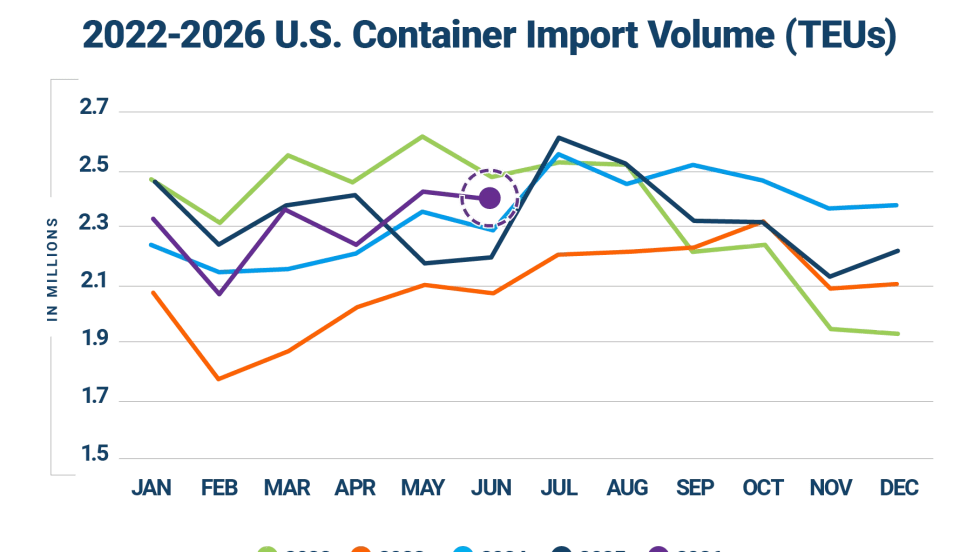
Import Cargo’s Early Peak Season is Winding Down
There was an early start to peak season this year at the nation's gateway ports, as retailers brought in merchandise ahead of tariff changes in late July and responded to other supply chain uncertainties,
Read More →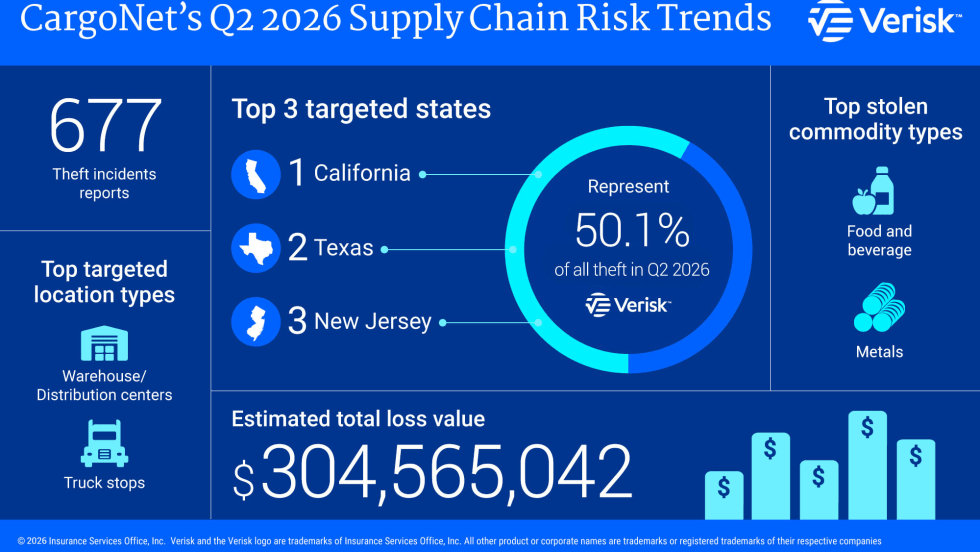
Fewer Cargo Thefts, Bigger Losses: Criminals Target Higher-Value Loads
CargoNet says organized theft rings are stealing fewer shipments but choosing more valuable freight, including metals and technology, resulting in record losses.
Read More →
How Innovative Trucking Leaders Turn Change Into an Advantage
As the pace of change accelerates in trucking, the fleets that adapt best have more than the latest technology. They have cultures that embrace improvement.
Read More →
Freight Broker Bonds Just Got Harder to Get. Here's What That Means for Your Fleet.
When it gets harder for a freight broker to prove they are financially sound, the ones who cannot clear that bar get pushed out of the market. And those are exactly the brokers who used to leave motor carriers holding the bag.
Read More →
Long-Awaited Canadian Border Bridge to Open in Detroit
For trucking, the bridge opening should offer immediate improvements in efficiency and reliability, with new customs facilities, expanded inspection capacity, and direct freeway-to-freeway connections.
Read More →
Aurora Rolls Out Next Generation of Driverless Trucks for Commercial Freight
Aurora's latest autonomous trucks it's rolling out with International feature lower-cost hardware designed for a million miles as the company expands commercial driverless freight operations across the U.S. Sun Belt.
Read More →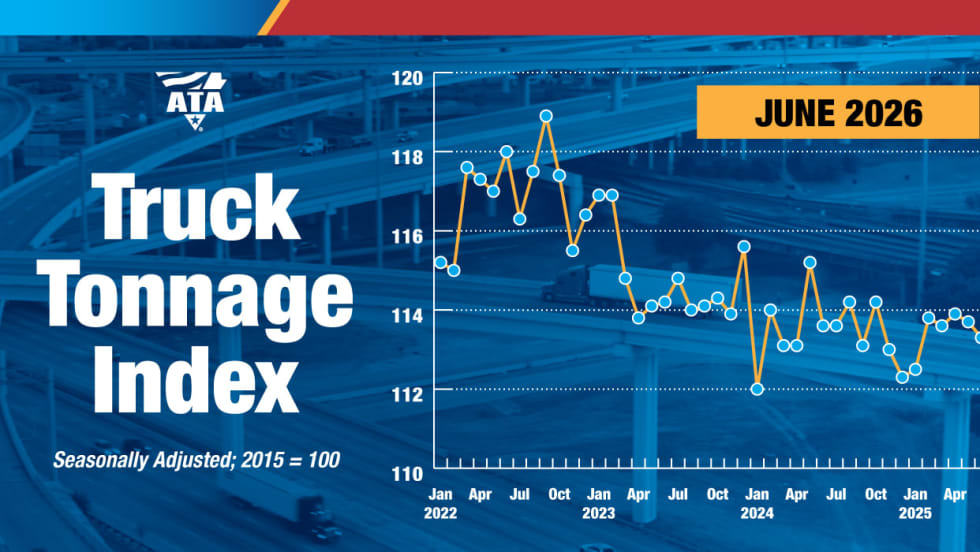
Freight Tonnage Down, Rates up, as Lower Capacity Powers Trucking Recovery
The recovery from the freight recession continues to be driven by reduction in capacity rather than by increased demand.
Read More →
Think Your Trucking Fleet Isn't Using Much AI? Think Again
Shadow AI — the use of unauthorized artificial intelligence tools at work — is becoming increasingly common, putting sensitive company data at risk. Learn how trucking fleets can protect sensitive data while embracing AI.
Read More →
ArcBest Consolidates Brands, Cuts Workforce
The company will bring three business units under the ArcBest brand, eliminate about 2% of positions, and expects the changes to generate $40 million in annual savings.
Read More →
Trucking Fleets Faced Record Operating Costs During Third Year of Freight Recession
ATRI's annual operational cost report shows carriers trimmed fleets, delayed equipment purchases, and ran older trucks as expenses continued to outpace freight rates.
Read More →