




Four Ways to Find Cash in Your Business
A fundamental understanding of what constitutes the cash in your business is key to making the most of it. That was the message from Jason Bader, consultant from The Business Team, in one of the best business sessions - Finding Cash in Your Busines
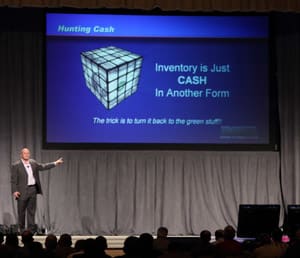
Jason Bader tells distributors at HDAW how to find cash in their businesses.
A fundamental understanding of what constitutes the cash in your business is key to making the most of it. That was the message from Jason Bader, consultant from The Business Team, in one of the best business sessions - Finding Cash in Your Business
- at this year's Heavy Duty Aftermarket Week.
1: Treat inventory like cash
The first step in any business that carries inventory is thinking of that inventory as the same as cash, said Bader. Do you know to the penny how much inventory you have? To you it is cash, said Bader, who is a retail consultant to the aftermarket.
Just because it is on the shelves and looks like the stuff you sell is no reason to let unauthorized - or even authorized - people wander among it. After all, if it were cash, you'd be a lot more circumspect.
You shouldn't give access to your inventory to salesmen, for instance, who'll pull stuff for demos and samples. You certainly shouldn't give access to sales representatives from suppliers who can see what other supplier inventory you have. And you shouldn't be letting delivery drivers be wandering around back there, either.
If you have inventory, make sure you're not running a warehouse, he advised. Your business is selling. Again, if you want to keep cash on hand, keep it in a vault, not in a warehouse where it can walk. Finding the people who walk off with inventory is like killing roaches, Bader said. You can only get them one at a time.
2: Understand net profit
It's a good idea to have everyone on staff understand about net profit. That way they can see how their actions affect the bottom line.
And what does add and detract from the bottom line? Bader asked for audience participation. Answers included:
* Salary
* Benefits
* Fuel
* Insurance
* Mortgage
* Taxes
* Computer systems
* Marketing
* Miscellaneous sales expenses
* Bad debt
* Shrinkage
And that was not the end of the list, by far. But it made the point: In any business you need to maximize the retained revenue. The sad fact about small businesses is that the owners tend to over distribute the net profit. While that may be good for the employees and company morale, it is not necessarily good for the business, as it needs profit to reinvest.
3: Get the most from your business software
Computerized systems help businesses manage operations. But in most businesses, only a fraction of the capabilities of the business software is explored. Much remains a mother load to be mined. In fact, in most systems, only 10 to 25 percent of the power of the business systems is ever realized. The rest - which you've paid for - goes to waste. Yet there are many tools that can help manage profitability of a business that are there for the taking.
Some of the most under utilized are the reports that the systems can generate. These should be read and used.
The number one report, Bader said, is what he called the "Hits Report." This could be called different things, but it's a report of the number of transactions against a particular item - the number of times it appears on a sales order. Anything with less than four hits a year is a candidate for removal from the stock list. This can help you stop buying stuff for inventory before it becomes dead stock. Most warehouse distributors have 20 percent to 25 percent more inventory than they will ever need, Bader said.
Another vital report is the "Velocity Report." This tells you which items move fastest. It helps in the organization of the warehouse - you put the fastest-moving stuff nearest the door!
These reports also give an excellent pricing guide. The high-hit items you price to market; going down the list, you can actually raise the profit per item - the margin - as most customers only know the pricing on about 5 percent of what they buy.
Businesses need to find the balance between customer service and inventory. What businesses should look at is the number of lines shipped complete - orders not complete don't qualify for satisfied customers - divided by number ordered. For good customer satisfaction and reasonable inventories, this should be 92-95 percent overall. But be aware of traps: If a customer orders 10 items and you only ship eight, that's a service failure of 100 percent and should count as a zero.
4: Find your best customers
Customers are not all equal, cautions Bader. Why treat them that way?
In any business you need to identify the good customers and treat them accordingly. All too often, the customers who are the most difficult and the least profitable to serve occupy the most resources. Get the staff to help you identify your top 10 customers by developing some criteria. Are the top 10 best customers the top 10 most profitable? Do all the customers deserve the same level of service or should you concentrate on the top 10? For instance, if you are going to extend credit, localize inventory, make deliveries, provide the most knowledgeable staff and so on, are you doing it for only the top customers?
Bader suggests you generate a customer profitability analysis.
As part of this you need to develop the cost of processing orders. Each customer should be looked at annually from the basis of operating expenses divided by number of orders processed. Rank the report by the contribution to net profit. For many distributors the ratio is 25 percent of customers contribute 75 percent of the cost of doing business. If you rank the customers, put the red line at 20 percent from the bottom. That's where the customers cost too much money to keep doing business with them, advised Bader.
That's the C list.
Start to recover money from them. Penalize them by going to COD, raise prices, charge for delivery. Don't allow special orders. Stop outside sales people calling on these customers. Stop paying commission on these accounts. They become house accounts. If they are costing you money to service, make sure you are getting a just return. And if they quit buying from you, he said, you probably are better off without them. If they don't, you are making a much better margin.
The B group gives volume to the organization to get cost of goods down. Look at the number of transactions from these good customers, advised Bader, to take some of the costs out. If they are sending in lots of purchase orders, it also means they are writing lots of checks. That's expensive for them and expensive for you. Try to help them consolidate orders and reduce their costs. Setting up minimum order levels can help both parties.
The A list is the Top 10 and has to be carefully nurtured. Know who they are and give them the sports tickets, golf outings, etc. Make a policy of visiting the owner face-to-face at least once a year. Even your best customers don't necessarily know what product lines you have. Analyze the products each should be buying from your organization and make sure they do. Spend time on the A list, Bader said.
And treat them well. Customer service needs to know who's an "A" customer. The delivery people, counter people, anybody touching the A, B and C list have the information to know who to discount for and who not.
And customers need never know. A star rating system in the internal billing software that highlights who's the best and least profitable should flag every customer for every employee to let them know who to give the extra time, service and smiles from your organization.
From the April/May 2010 issue of Heavy Duty Aftermarket Journal.
More Aftermarket
What Three Fleets Are Doing Differently When Buying Truck Parts in 2026
With freight improving but costs still climbing, fleet maintenance executives explain how they're balancing price, quality, and supplier relationships.
Read More →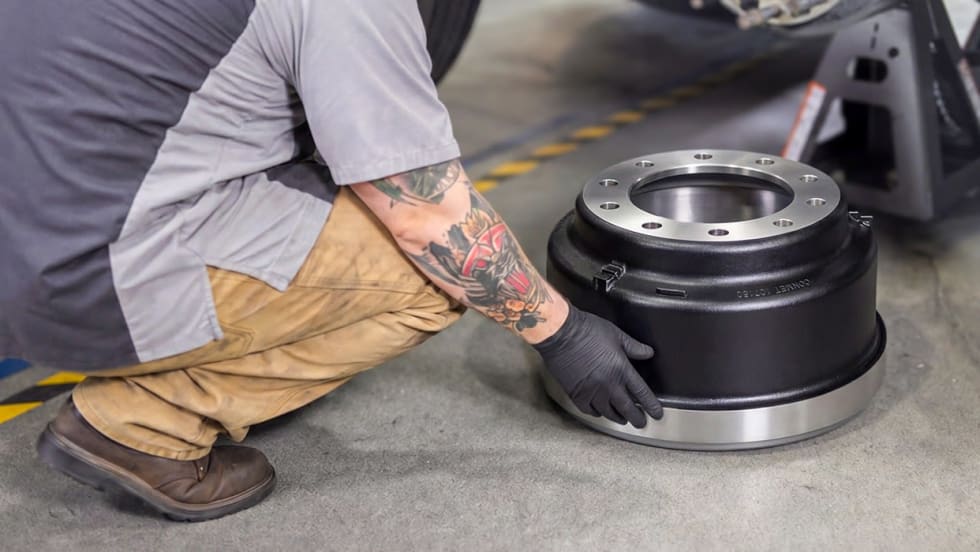
ConMet Expands Aftermarket Brake Drum Lineup With TruCast
A new heavy-duty truck brake drum option in the aftermarket gives customers more flexibility within the ConMet product family.
Read More →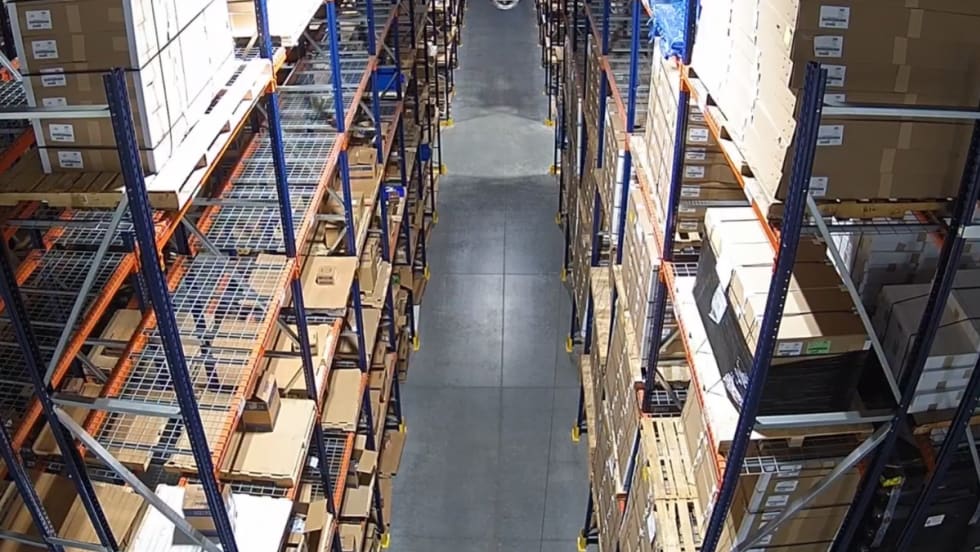
Phillips Opens High-Tech Distribution Center for Faster Parts Delivery
Phillips Industries’ new Cincinnati-area distribution center is now shipping aftermarket trucking parts nationwide, aiming to speed up delivery times for customers.
Read More →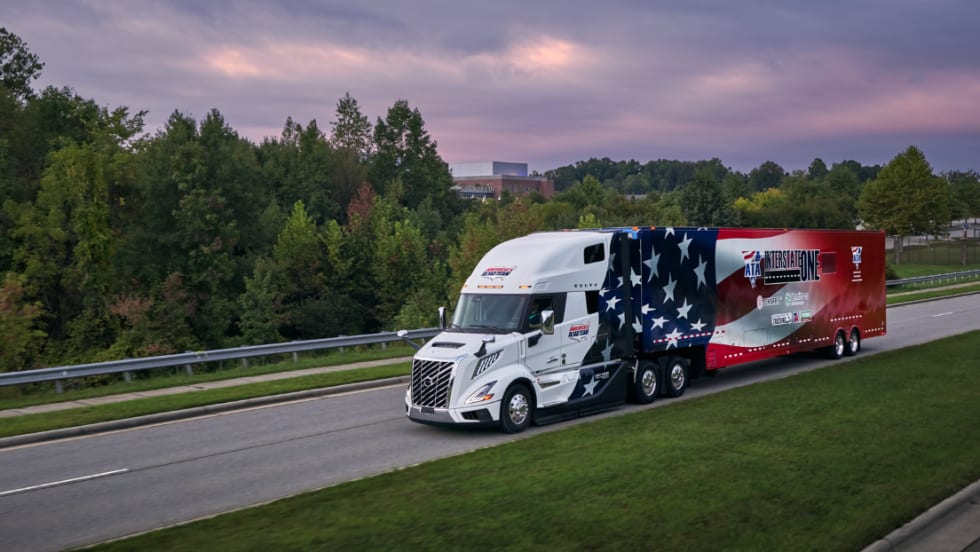
Volvo to Sponsor America’s Road Team for 2025
Volvo Trucks announced that it is extending its exclusive sponsorship of America’s Road Team for 2025.
Read More →
Webb to Start Taking Orders for UltraSet Pre-Adjusted Wheel Hubs
Webb, which recently acquired the Stemco Trifecta pre-adjusted hub program, will soon start taking orders for its replacement pre-assembled hub, the UltraSet.
Read More →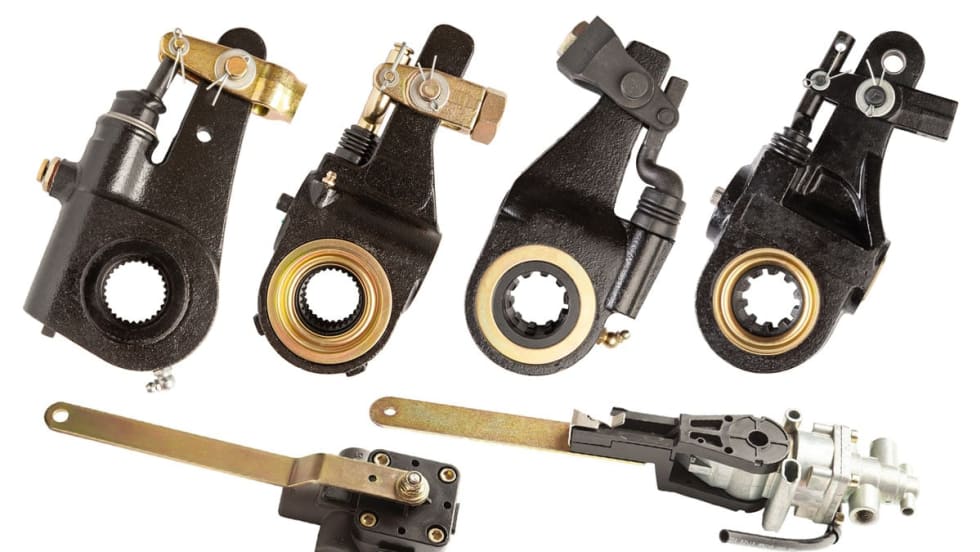
All-Makes Automatic Brake Adjusters, Ride Height Control Valves from Midland
SAF-Holland has added automatic brake adjusters and ride height control valves to its Midland All-Makes Program.
Read More →
ZF Aftermarket Expands [pro]Academy Training
ZF Aftermarket said it is expanding its ZF [pro]Academy training and will be adding 40 new modules this year.
Read More →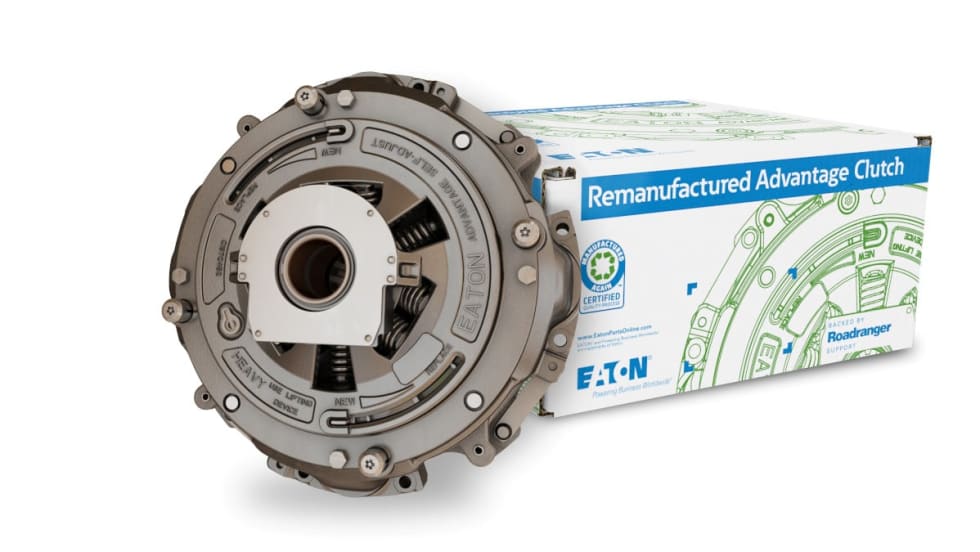
Eaton Adds Remanufactured Advantage Line of Clutches
Eaton has added its Advantage clutches to its remanufactured product line. The clutches feature a unique strap drive intermediate plate designed to allow customers to choose the latest OE specification
Read More →
ConMet Acquires TruckLabs, the Creator of TruckWings
Commercial truck and trailer parts provider ConMet acquired TruckLabs, the company that created TruckWings, an aerodynamic device that attaches to truck cabs and deploys to close the gap between truck and trailer. TruckLabs now operates as a subsidiary of ConMet.
Read More →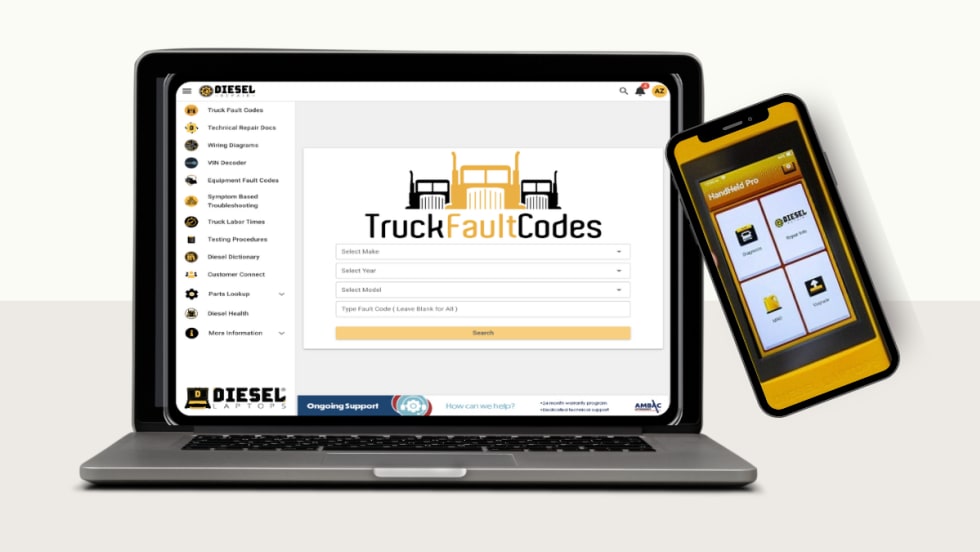
Diesel Laptops Releases Fault-Code-to-Part-Number Tool
Diesel Laptops said its Truck Fault Codes allows users to input a fault code and immediately identify and order the parts needed to complete repair work.
Read More →