




Ford Shows E-Series Replacement, the Transit Van; Talks Up Gasoline Power for F-650
Ford Commercial Truck offered glimpses of its upcoming Transit van that will eventually replace the high-selling E-Series, showed its gasoline-powered F-650 medium-duty truck, and said its One Ford vehicle strategy for coming years includes cutting weight and engine sizes to reduce fuel consumption and carbon dioxide emissions


The E-Series' successor will weigh at least 300 pounds less than a comparable E-series truck and get at least 25% better fuel economy.
Ford Commercial Truck offered glimpses of its upcoming Transit van that will eventually replace the high-selling E-Series, showed its gasoline-powered F-650 medium-duty truck, and said its One Ford vehicle strategy for coming years includes cutting weight and engine sizes to reduce fuel consumption and carbon dioxide emissions.
The lightweight, large-body Transit fits that strategy, executives said in presentations at Ford's Dearborn, Mich., test track on Wednesday. Originally introduced in Europe in 1955, the Transit will enter production in 2013 at the Kansas City plant. It will weigh at least 300 pounds less than a comparable E-series truck and get at least 25% better fuel economy.
In Europe the Transit van comes in three roof heights and several lengths, plus a cab-chassis version, and is presently powered by three small diesel engines, said Gerry Koss, fleet marketing manager. The larger configurations will be built here, and one or more of the diesels might be used, probably along with a gasoline engine.
While most Transits in Europe have manual transmissions, here it will have automatics, with the manual being debated. A few Transits are being tested by American fleets, and some drivers like the manual, other execs commented. Some European Transits have front-wheel drive, but only rear-wheel drive layouts will be used in North America.
The growing popularity of the compact Transit Connect van in the U.S. encouraged planners to bring in the larger version. Six million Transits have been sold worldwide over the years, but about 8 million E-series trucks have sold since it appeared as the compact Econoline van in 1961. So Ford will tread carefully in phasing it out during this decade.
Aside from being lighter and using smaller engines, the Transit will fit the One Ford strategy that calls for reduction of regional vehicle platforms, like the E-series, in favor of global platforms. In 2007, Ford had 27 truck and auto platforms, and now it's down to 12 platforms that form the underpinning s of 87% of its products, executives said.
On the heavier end of medium-duty, the upcoming F-650 conventional-cab truck with gasoline power will be a segment exclusive, said Len Deluca, director of sales. It should prove popular because diesel engines with their complex emissions-reduction equipment have become so expensive to buy.
An F-650 with a 6.8-liter Triton V-10 will cost about $8,300 less to buy than one with a 6.7-liter Cummins ISB, currently the only engine available in the F-650 and F-750.
The V-10, coupled to a six-speed double-overdrive TorqShift automatic transmission, will have the power and torque to propel loaded trucks, and will be ideal for low-mileage applications where the engine is shut down much of a working day.
Landscapers are one example, Deluca said, and municipal fleets whose acquisition budgets have been cut constitute another.
The gasoline-powered F-650 should give a boost to Class 6 and 7 sales that now lag Ford's success in other classes, he said. Ford offers a wide variety of trucks in Classes 1 through 7 that fill many roles, so overall it sells more commercial vehicles than any other builder.
The F-650's gasoline engine is easily convertible to natural gas and propane, and Ford is arranging with upfitters to add the truck to its alternative fuels program that include lighter F- and E-series trucks.
A special factory prep package for those trucks' engines includes hardened valves and valve stems; those and adherence by upfitters to a Ford quality program allows the builder to warrant the engines the same as if they burned gasoline.
The gasoline-powered F-650 will go into production in March at the Navistar plant in Mexico, where other F-650s and the F-750 are built under contract. In perhaps two years, this production will move to Ford's Avon Lake, Ohio, plant.
More Products
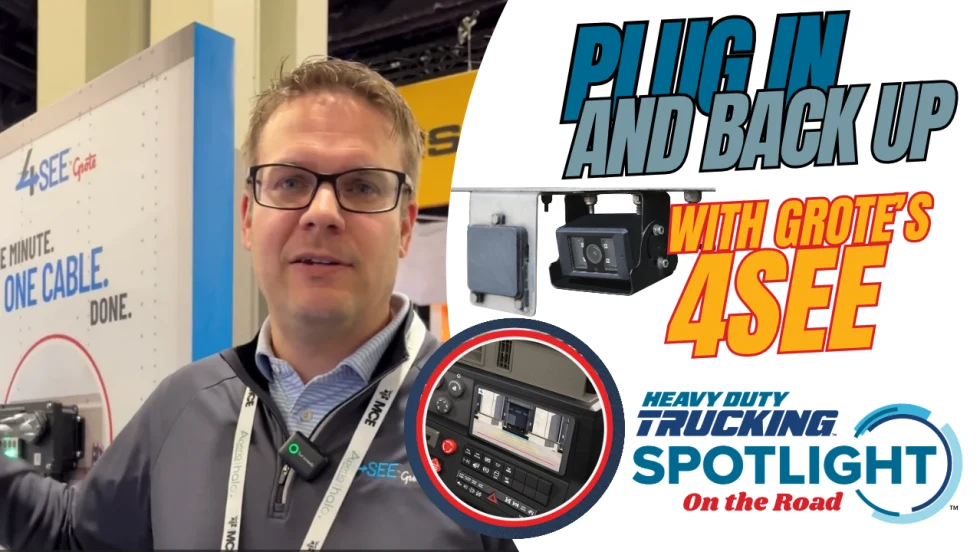
More Trailer Data Through the Same Seven-Way [Video]
Can trucking’s standard seven-way connector handle more cameras and trailer data? Grote’s Adam Slade shows HDT how the company is using new technology with its 4See trailer system, not only to add a new backup camera but also to expand other capabilities — without adding another connection.
Read More →
FlowBelow Redesigns Trailer AeroSlider to Cut Fuel Use
The lighter trailer aerodynamic system installs in less than 45 minutes, according to the company, with potential payback in under a year depending on fuel prices and trailer mileage.
Read More →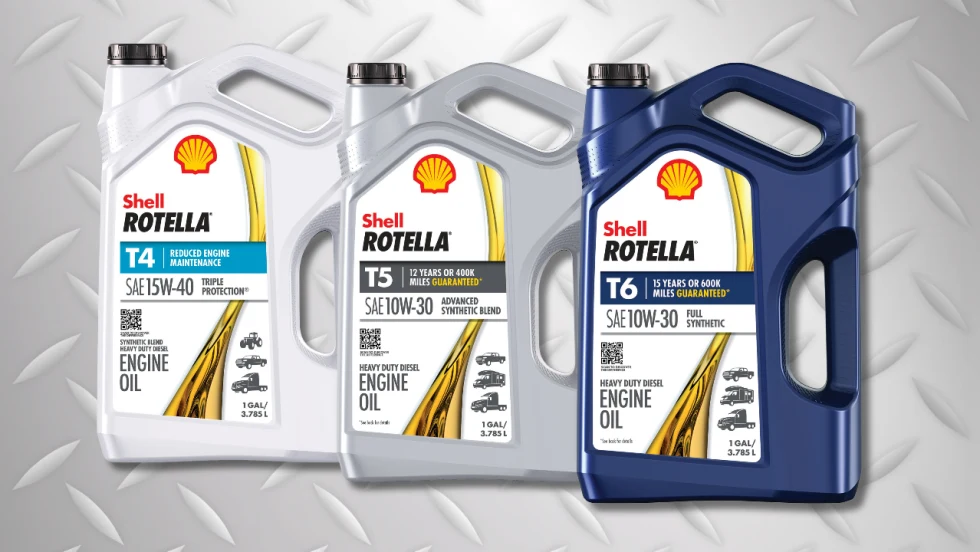
Shell Prepares Rotella Oils for 2027
New CL-4 and FB-4 formulations will begin arriving in early 2027, with improved protection against oil breakdown, wear and deposits, according to Shell.
Read More →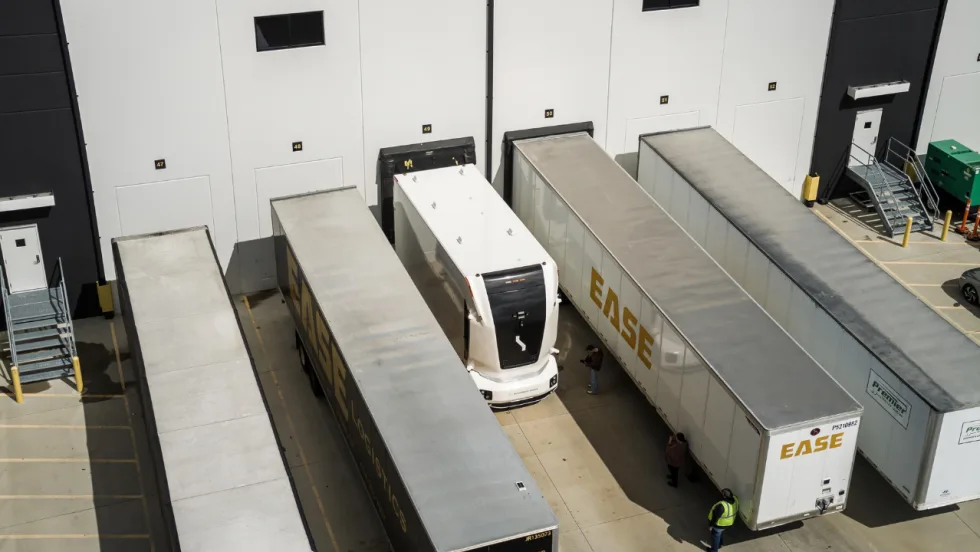
Einride Driverless Electric Trucks Begin Daily Freight Operations in Ohio
Two cabless electric trucks are hauling freight between EASE Logistics facilities in Marysville, Ohio, as part of a multi-state truck automation project.
Read More →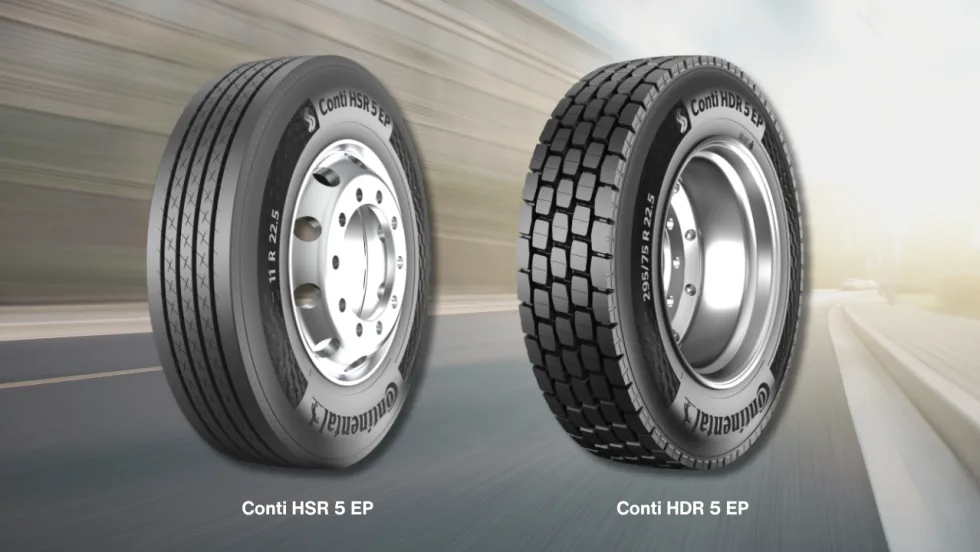
Continental Introduces New Regional Truck Tires
Continental says its new Generation 5 steer and drive tires for regional operations offer longer tread life, with estimated mileage gains of 22% and 19%, respectively.
Read More →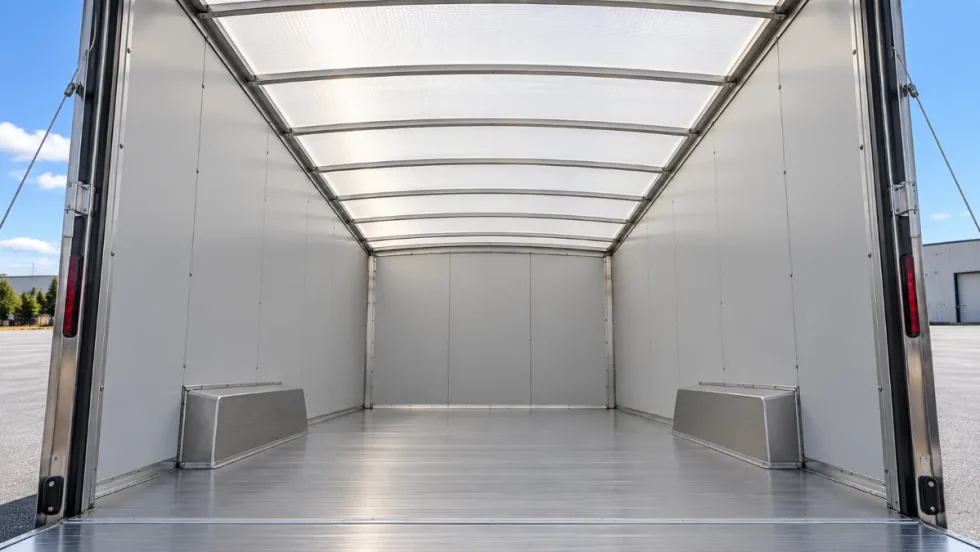
Tekmodo Introduces CargoBright Brand for Translucent Trailer Roofs
CargoBright is designed to diffuse daylight across the cargo area while performing as a working vehicle roof.
Read More →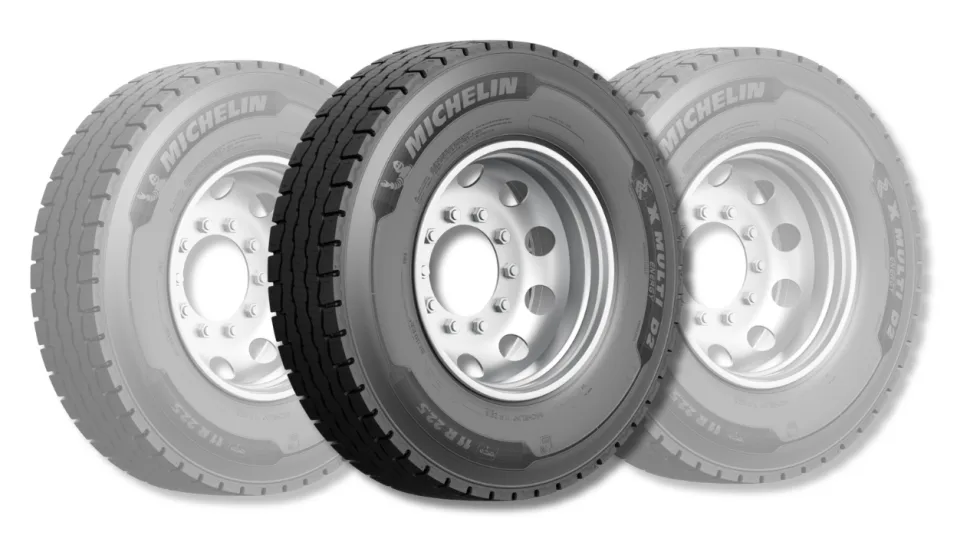
Michelin Tire Improves Efficiency and Durability for Regional Fleets
The Michelin X Multi Energy D2 is a regional haul drive tire engineered to help fleets improve fuel efficiency, durability and traction in demanding stop-and-go operations.
Read More →
What Geotab's New AI Connector Means for Fleets
Fleets can now ask their usual AI assistants questions about maintenance, safety, fuel use, and vehicle performance, using their live Geotab data, and take action on the answers without leaving their preferred AI tool.
Read More →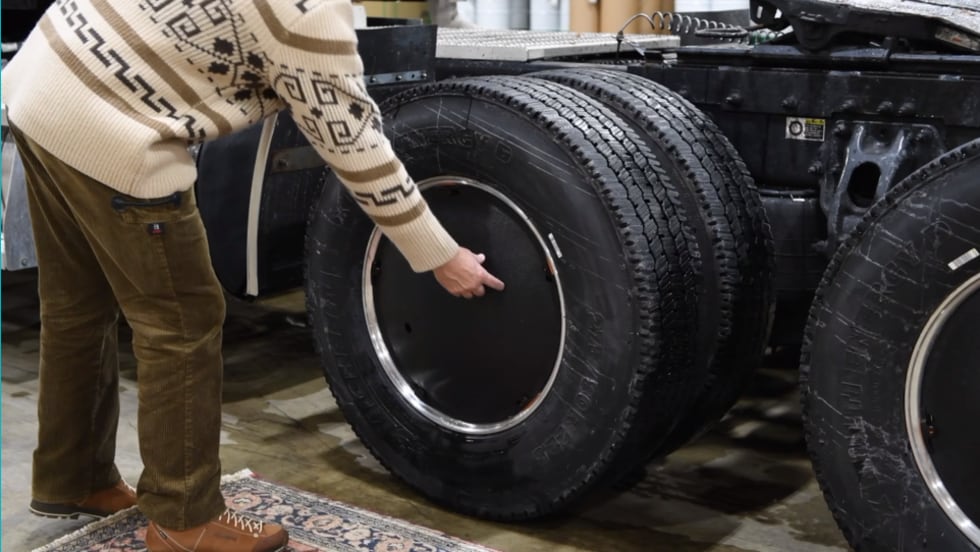
Deflecktor: Hubbub Aerodynamic Wheel Cover Cost-Effective Even for Trailers
Aerodynamic wheel covers can deliver small but meaningful fuel-economy gains for fleets, and Deflecktor says its latest design aims to make the technology easier and more affordable to deploy.
Read More →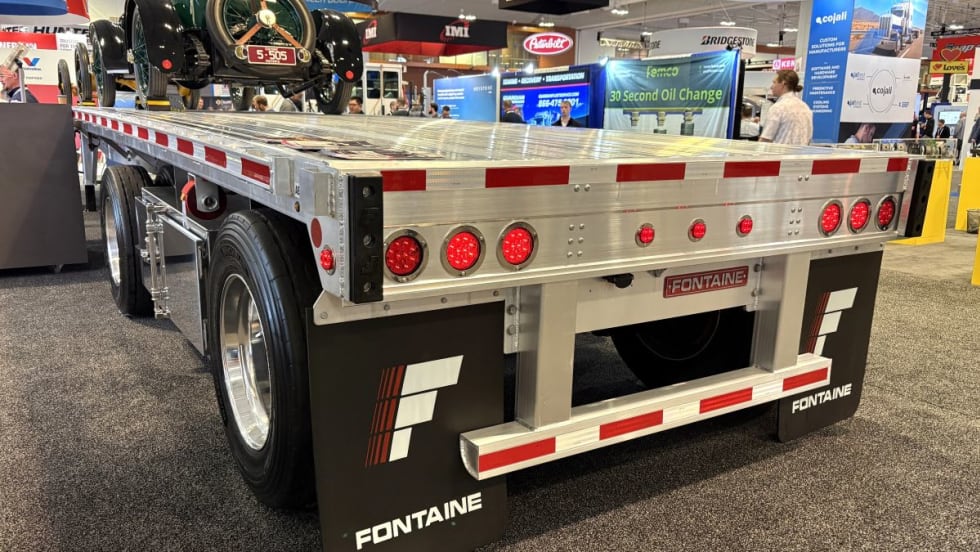
Fontaine Expands Flatbed Lineup with New Fleet-Focused Models, Eyes 2027 Launch
Fontaine is broadening its flatbed lineup with new models aimed at fleets, including a lightweight aluminum trailer expected in 2027 that emphasizes durability, repairability, and lower cost.
Read More →