




Ford Plans 2 Gasoline V-6s Plus I-5 Diesel for Transit, Pair of I-4s for Transit Connect
The upcoming full-size Transit van will have two gasoline V-6 engines and an inline 5-cylinder diesel, while the new compact Transit Connect will get a pair of inline 4-cylinder gasoline engines, said officials with Ford Commercial Truck in a series of briefings in Detroit on Friday

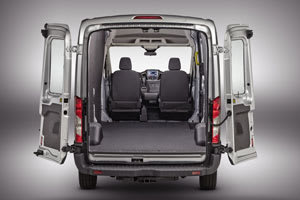
The full-size Transit will gradually replace the popular and long-running E-series when the new-to-North America Euro-style van goes into production at Fords refitted Kansas City, Mo., plant late in 2013.

The upcoming full-size Transit van will have two gasoline V-6 engines and an inline 5-cylinder diesel, while the new compact Transit Connect will get a pair of inline 4-cylinder gasoline engines, said officials with Ford Commercial Truck in a series of briefings in Detroit on Friday.
Two of the van engines will be EcoBoost models with turbocharging and advanced combustion features that deliver high power and torque but save fuel and weight due to smaller displacement. With a 1.6-liter EcoBoost engine, the Transit Connect van and wagon will achieve 30+ mpg in highway travel, officials said.
All engines will be mated with 6-speed automatic transmissions, replacing 4- and 5-speed automatics used in current vans.
Replacing E-series
The full-size Transit will gradually replace the popular and long-running E-series when the new-to-North America Euro-style van goes into production at Fords refitted Kansas City, Mo., plant late in 2013, product managers said.
The Transit has a front engine, rear-drive layout and will offer two wheelbases, three body heights and three body lengths.
Also late next year, the smoothly styled, next-generation Transit Connect will begin replacing the current compact van when the new model starts arriving from a Ford of Europe plant in Valencia, Spain. As now, the new TC will be front engine, front drive.
Transit Connect will come as a panel cargo van with swing rear doors and a top-hinged hatch, and as a window wagon. Front only or folding rear seats, some of them removable, will be offered in either model.
The full-size Transit will be standard with a 3.7-liter V-6 rated at 302 horsepower and 278 pounds-feet, said Jim Mazuchowski, chief engineer for V-6 engines. It will be more powerful but weigh less than the 4.6-liter V-8 thats standard in the E-series.
The 3.7 V-6 will burn regular unleaded gasoline and gasoline blended with up to 85% ethanol, known as E85. And it will be natural gas- and propane-capable when ordered with a gaseous-prep package consisting of hardened valves and valve seats.
EcoBoost V-6
As announced earlier in the year, the double-turbocharged EcoBoost V-6 with 365 horsepower and 420 pounds-feet will be an option in the Transit. It will replace the 5.4-liter V-8 and 6.8-liter V-10 currently used in the E vans, and offer similar or better performance but weigh less.
Both V-6s are in the same engine family and will be built in Ford's Cleveland, Ohio, engine plant.
A 3.2-liter, inline-5 Power Stroke diesel will be the third engine available in the Transit. Output will be 197 horsepower and 347 pounds-feet, said Peter Lyon, Ford's chief diesel calibration engineer. It has direct fuel injection, a Honeywell variable-vane turbocharger, a single overhead camshaft, electronic throttle control, and an electronically controlled water-cooled EGR valve.
For the U.S., which now has the stiffest emissions limits in the world, the I-5 Power Stroke will have a combined diesel particulate filter/diesel-oxidation catalyst, and will use urea injection. Refills of the diesel exhaust fluid reservoir will be timed to coincide with the engines oil drain intervals.
Part of Ford's Puma diesel family that goes back to the 1990s, the I-5 diesel was introduced in Europe last year. It is now used in a midsized Ranger pickup sold in many world markets and has become so popular that they can't make enough, Lyon said.
Transit Connect Power
Engines in the compact Transit Connect will be gasoline I-4s. The 2.5-liter model used in the current TC will be standard, while the 1.6-liter turbocharged EcoBoost from the Fusion sedan will be an option, according to Marc Rocowski, Transit Connect marketing manager. Power and torque outputs were not given.
Problems recently reported with the 1.6 EcoBoost in autos have been identified and are being corrected, he said.
Transit Connect's 2.5 gasoline engine can be specified with a compressed natural gas/liquid propane gas (CNG/LPG) preparation package, enabling conversion by Ford-certified upfit specialists.
The current Transit Connect started a new vehicle category when introduced three years ago, said Jim Farley, executive vice president for global marketing. It has become widely popular as a cargo and people hauler, with sales going from 8,834 in 2010 to 35,000-plus expected this year. The new model is expected to do as well or better.
2014 Transit
2014 Transit
More Equipment
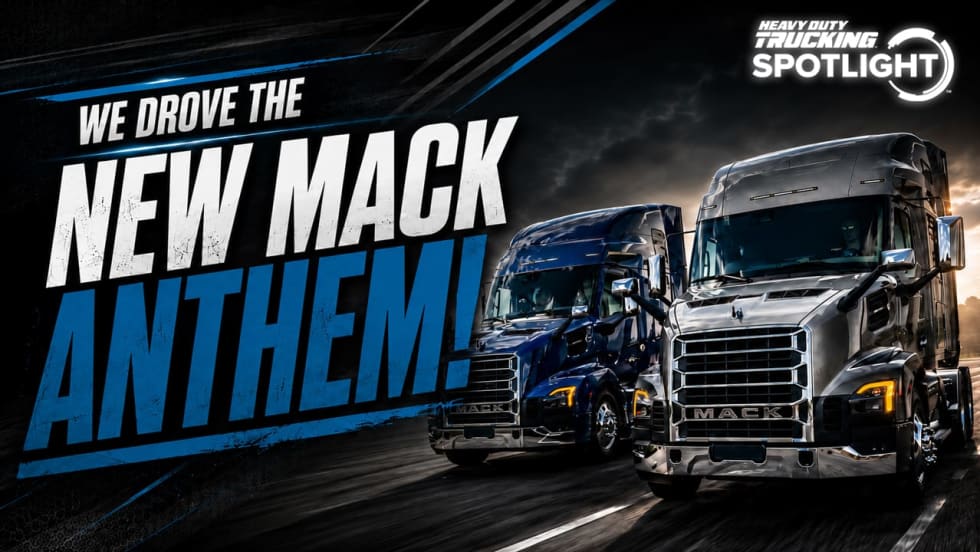
Behind the Wheel of the New Mack Anthem [Video]
HDT takes the new Mack Anthem around Mack’s Pennsylvania test track to see how its driver-focused design, technology, visibility and handling perform from behind the wheel.
Read More →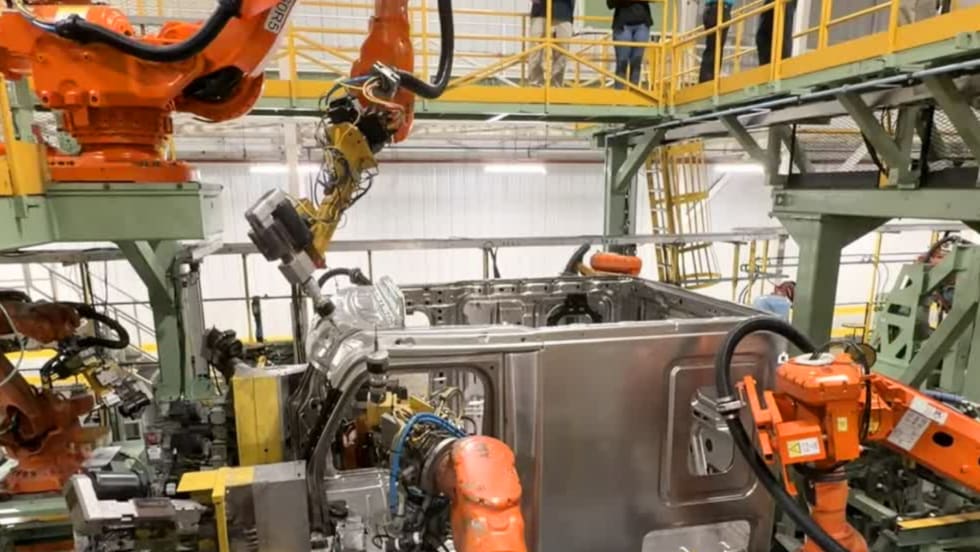
DTNA Plans New U.S. Truck Plant as Manufacturing Footprint Shifts
Daimler Truck North America is evaluating sites for a new assembly plant expected to open in 2029 while winding down operations at its longtime Portland manufacturing facility.
Read More →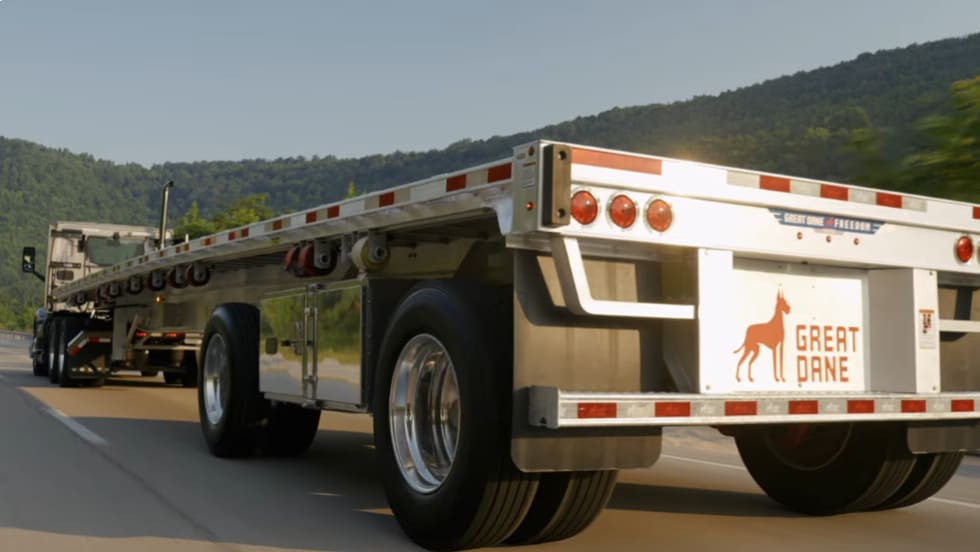
Great Dane Flatbed Trailer Offers Light Weight and Strength
Freedom Ultra is designed for a wide range of open-deck applications, including building materials, lumber, machinery, steel products, industrial freight, and coil hauling.
Read More →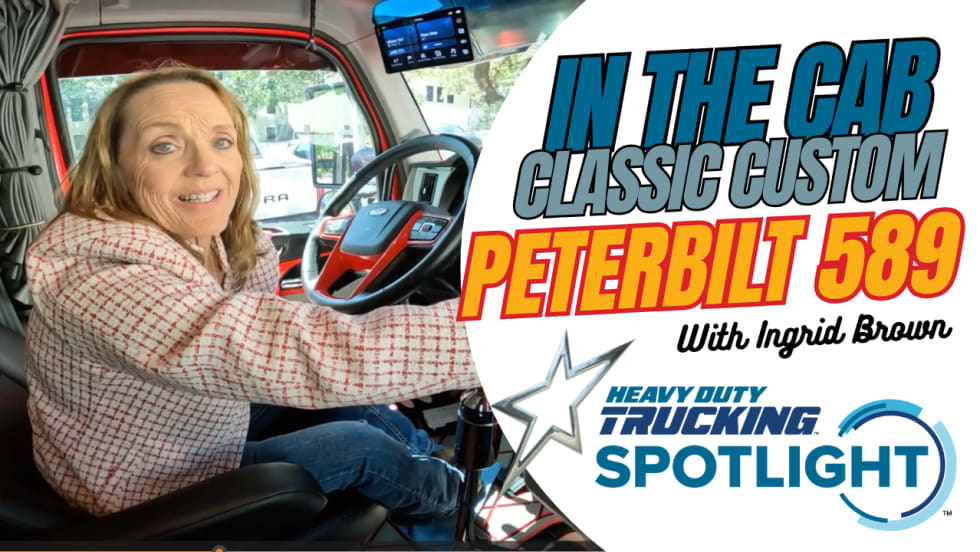
What It's Like Inside this Custom 2025 Peterbilt 589?
Take a driver's-eye tour of this customized 2025 Peterbilt 589 in this video, as longtime driver Ingrid Brown explains its features, compares it to previous models, and shares plenty of personality along the way.
Read More →
Drivers Put Western Star Trucks to the Test at Star Nation Experience
Watch to get an inside look at the Western Star trucks, technology, and community behind the Star Nation Experience 2026!
Read More →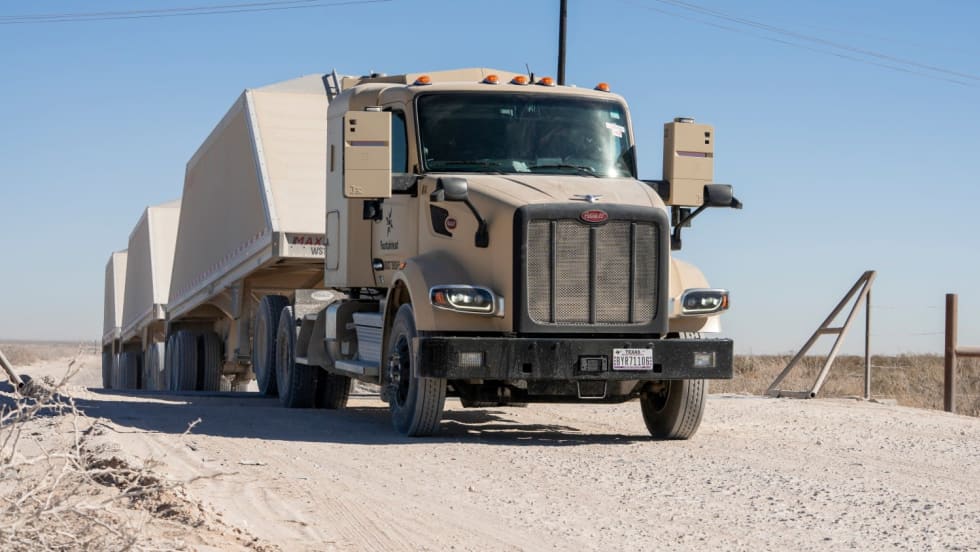
Atlas Expands Kodiak Driverless Truck Fleet in Permian Basin
Atlas Energy Solutions is expanding autonomous frac sand hauling in the Permian Basin with a second load-out location and plans for 100 driverless trucks by mid-2027.
Read More →
Putting Mack’s Command Steer to the Test
A test drive of Mack’s Command Steer active steering system evaluates how it can make truck driving easier and less tiring.
Read More →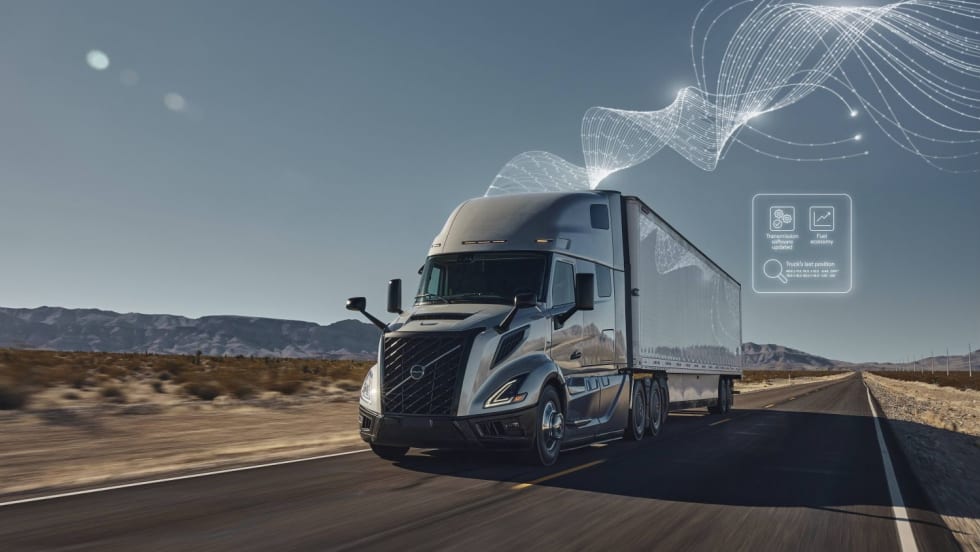
Mack, Volvo Expand DEF Derate Software Updates
The updated software gives Mack and Volvo truck owners more time to address DEF-related issues before the engine derates or the vehicle goes into reduced-speed inducement, following new EPA guidance.
Read More →
Rush, MCT Team Up to Grow Refrigeration Service Network
The joint venture will operate MCT's network of Carrier Transicold dealerships and mobile service locations, with the companies promising greater service capacity and uptime for refrigerated fleets.
Read More →
Cummins Adjusts 2027 Engine Rollout After EPA Proposal
The engine maker will gradually introduce its new Model Year 2027 diesel engines while continuing to offer current models during the transition, citing the EPA's proposed emissions rule changes.
Read More →