




Florida 3PL Adding Natural-Gas Trucks to For-Hire Fleet
Saddle Creek Corp., a nationwide third-party logistics provider based in Lakeland, Fla., is taking delivery of the first 40 natural gas trucks in a planned purchase of 120

Saddle Creek's new Freightliner Business Class M2 112 tractors run on compressed natural gas.
Saddle Creek Corp., a nationwide third-party logistics provider based in Lakeland, Fla., is taking delivery of the first 40 natural gas trucks in a planned purchase of 120.
The Freightliner Business Class M2 112 tractors run on compressed natural gas. Saddle Creek's new tractors will reduce the fleet's carbon footprint by approximately 103,000 pounds per truck each year - the equivalent of planting 85,760 trees.
The natural gas vehicles are also significantly quieter than their diesel counterparts. When idling, the entire fleet of 40 alternative fuel tractors will produce the same decibel level as just four diesel trucks.
"We take pride in running our fleet efficiently and in being responsible corporate citizens," says Mike DelBovo, president, Saddle Creek Transportation. "Because the cost of natural gas is less volatile than diesel, it allows us to have more control over our fuel costs and our customers to have a more stable fuel surcharge. Using this alternative fuel also reduces our dependence on foreign oil and puts cleaner, more environmentally friendly trucks on the road."
It also doesn't hurt the company's image with customers that tout a commitment to the environment.
The trucks will be based at the 3PL's headquarter campus in Lakeland, Fla., and will handle deliveries throughout the Florida peninsula and southern Georgia. The fleet is currently taking delivery of 40 CNG trucks. It expects 40 more later this year and an additional 40 in 2013.
To provide fuel for the trucks, Saddle Creek built a CNG fueling station at the Lakeland campus - the first one built for a for-hire fleet in Florida, it says. The facility is being built and maintained by Clean Energy. The grand opening was scheduled for Feb. 29.
There are some special requirements when it comes to maintenance and repair of the CNG trucks, although DelBovo notes, "Most of the special requirements for maintenance revolve around LNG, which we will not be using. Compressed natural gas is lighter than air and will not pool around the ground like LNG."
There are some requirements for lighting and ventilation. Both drivers and mechanics have had safety training on the methane detection system as well as the location of the compressed gas shutoff valves on the tractors and the station. Technicians have had training from the tank vendor that focuses on leak detection and working with high-compression lines.
The CNG fleet is the most recent in a series of sustainability initiatives for Saddle Creek. The company recently earned the 2011 Green Supply Chain Award from Supply & Demand Chain Executive magazine. The company's transportation division is a SmartWay Transportation Partner, and it uses fuel-saving strategies such as aerodynamic trailer skirts, low-rolling-resistance tires and PeopleNet software for optimal vehicle performance.
"We also consider the environmental footprint of our facilities," DelBovo says.
When building new facilities, it consults with LEED-certified development consultants. Its distribution center in Harrisburg, N.C. achieved LEED Silver certification in 2009. (LEED, or Leadership in Energy and Environmental Design, certification provides independent, third-party verification that a building was designed and built using strategies aimed at achieving high performance in key areas of human and environmental health.)
Existing facilities have been retrofitted with energy-conscious lighting. The company uses electric material handling equipment whenever possible and has implemented extensive recycling programs.
From the March 2012 issue of HDT.
More Fuel Smarts
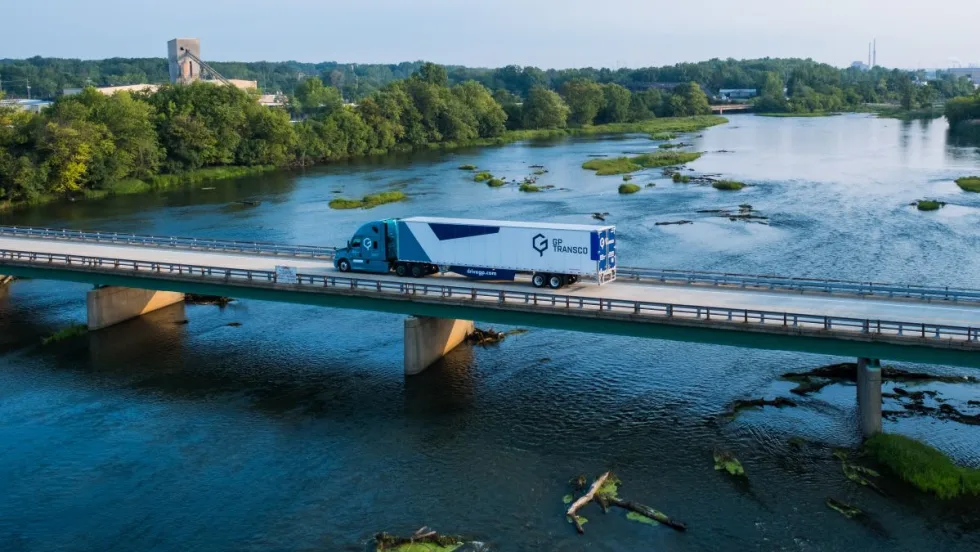
How GP Transco Builds Fuel Savings a Fraction at a Time
Aerodynamic specs, solar panels, and driver incentives help GP Transco turn small efficiency gains into savings it can reinvest in its people.
Read More →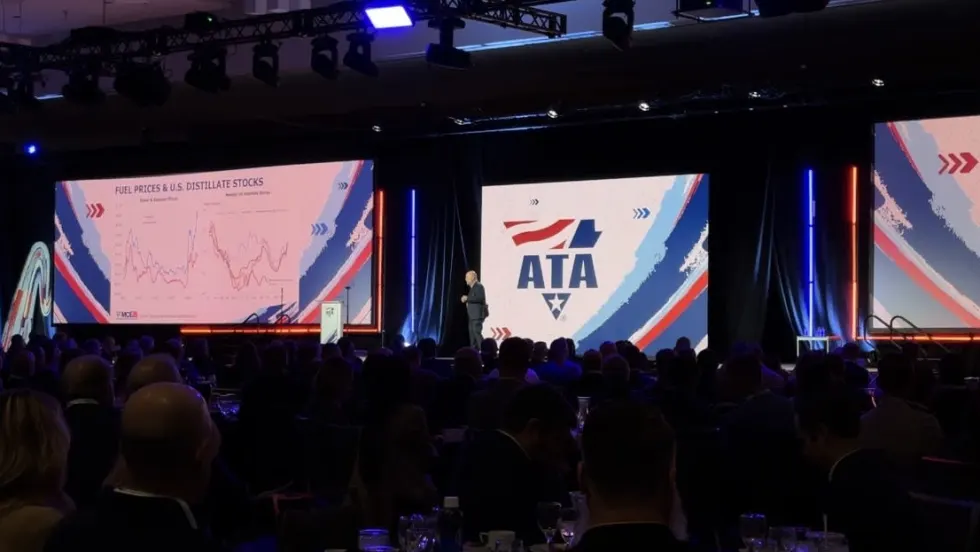
Trucking’s Diesel Squeeze Isn’t Letting Up
With diesel topping $6 a gallon nationally, ATA's Bob Costello explains why fleets should prepare for continued pressure at the pump.
Read More →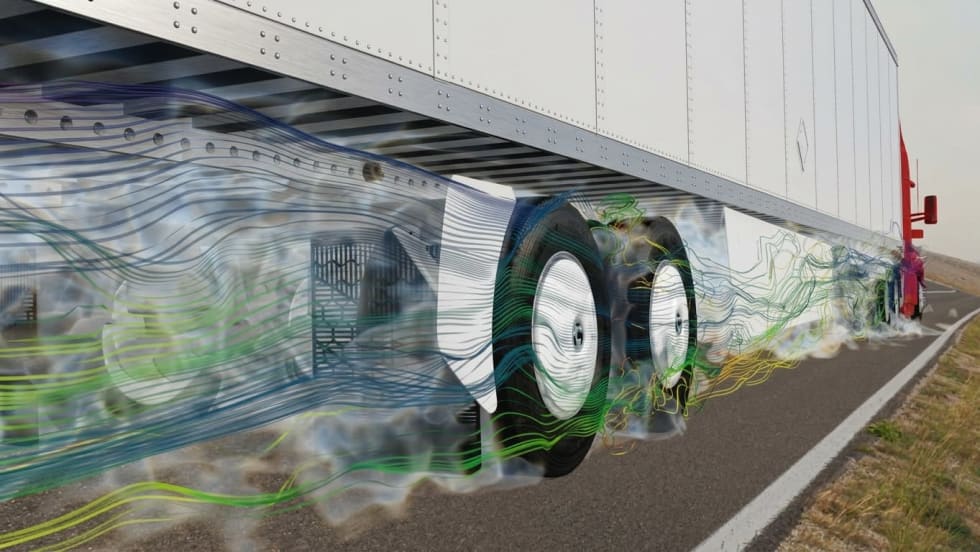
FlowBelow Redesigns Trailer AeroSlider to Cut Fuel Use
The lighter trailer aerodynamic system installs in less than 45 minutes, according to the company, with potential payback in under a year depending on fuel prices and trailer mileage.
Read More →
Why Diesel Price Relief Efforts May Fall Short
Diesel prices have eased from September’s record high, but doubts about additional Russian supply and limits on dyed-diesel tax relief mean trucking fleets still face expensive fuel. And prices could go higher.
Read More →
Why Small Fuel Savings Matter in Trucking
Can better fuel economy help pay for driver raises? In this podcast, GP Transco explains how small efficiency gains create room to reinvest in its people.
Read More →
How GP Transco Cuts Trucking Fuel Costs, a Tenth of a Gallon at a Time
What’s another tenth of a mile per gallon worth? GP Transco shares how equipment upgrades and driver coaching turn small gains into meaningful fuel savings.
Read More →
Electric Yard Tractors Move Beyond Pilots
Operating-cost savings have overtaken sustainability goals as the leading reason surveyed fleets are adopting battery-electric terminal tractors, according to new NACFE research.
Read More →
Geotab Links Fleet Card to Vehicle Data
The new card combines fuel discounts with telematics-based purchase controls. Geotab’s analysis also points to potential savings from choosing lower-priced fuel stops.
Read More →
Fleet Economics Shape Electric Truck Outlook
ACT Research expects costs, charging infrastructure, and technology improvements to drive zero-emission commercial vehicle adoption as federal regulations and incentives retreat.
Read More →
Wex Adds Cardless Fuel Payments for Over-the-Road Customers
A new fuel card feature for Wex customers offers convenience and security.
Read More →