





Related: What's Available in Hybrid and Electric Drive Systems
Engine Stop-Start System Saves Fuel for New York's Trash Trucks
New York City’s Department of Sanitation has been testing an engine stop-start system with impressive fuel savings.
October 21, 2016
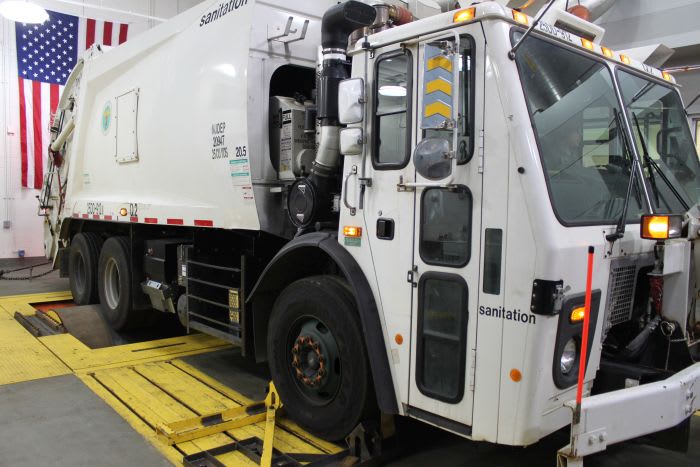
DSNY’s dyno-equipped evaluation facility in Queens, N.Y., proved the engine stop-start system’s concept was sound, and it’s saving substantial fuel in real operations. Photos: Effenco
3 min to read
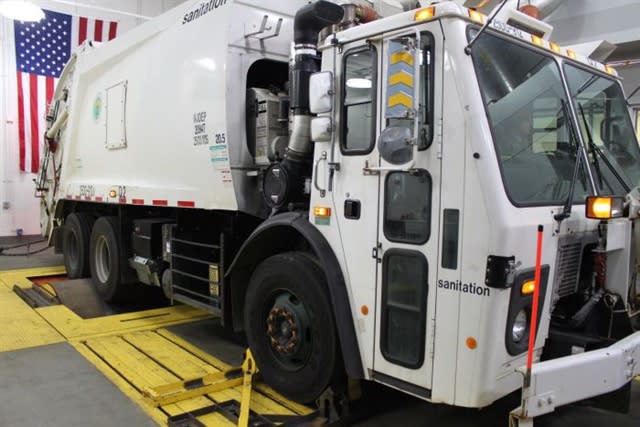
DSNY’s dyno-equipped evaluation facility in Queens, N.Y., proved the engine stop-start system’s concept was sound, and it’s saving substantial fuel in real operations.Photos: Effenco
New York City’s Department of Sanitation has been testing an engine stop-start system with impressive fuel savings.
DSNY has been testing hybrid-drive powertrains in its trash-collection trucks. But the anticipated fuel savings have not materialized as they have in other locales. Savings are only 10-15% with hydraulic hybrids, probably because speed between the many stops is not great enough to build kinetic energy that can be recaptured during braking.
But with the extensive amount of time the fleet’s trucks spend idling at stop lights and in traffic backups, a new stop-start technology is showing a 30-40% improvement in fuel efficiency, says Rocco DiRicco, DSNY’s deputy commissioner, support services. “It’s simple, with almost no weight. We think it’s close to being the silver bullet for our front-line trucks.” One is now being tested and DiRicco anticipates buying more.
The impressive fuel savings accrue from the system’s cutting of engine hours by 40 to 50%. The system’s maker, Effenco, in Montreal, Quebec, calls it Active Stop-Start, and says it can be retrofitted to existing trucks or installed on new ones. It’s explained on its website:
“Because of the high stopping frequency of vocational trucks, the system is equipped with a powerful electric hybrid starter linked to the engine through a constant mesh PTO connection. The system uses this starter to restart the engine and does not add any load or wear to the existing electric starter and batteries. On releasing the brakes, the PTO-mounted electric hybrid starter takes less than half a second to take the engine from a stop to idle speed making the vehicle as responsive as it would have been if the engine had been running.”
A power pack consisting of three 48-volt ultracapacitor modules from Maxwell Technologies supplies the juice to spin the starter. The motor can also act as a generator, but that’s not yet being employed on the DSNY truck, a Mack TerraPro LE with a Heil body, says Benoit Lacroix, Effenco’s co-founder and vice president of sales and marketing. Neither is an available electric-driven pump that can keep hydraulic circuits pressurized to operate the packer function on the body.
“The truck’s driver brought up a huge safety feature for the crew,” Lacroix says. “They’re more aware of what’s happening around the truck” while they’re working and the engine’s off. “The noise abatement is pleasant for the driver and safer for everybody around it.”
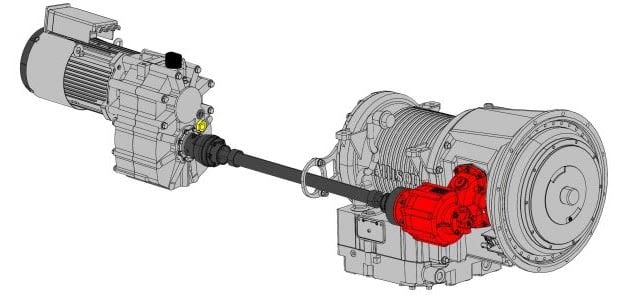
Starter-generator is linked to a truck’s powertrain by a driveline to a PTO (in red) on the automatic transmission. It quickly cranks up the engine after it’s shut down when the vehicle’s standing still. The starter-generator is actually much smaller than shown here.
A system’s cost now is in the low $30,000 range, he says, “but for reducing emissions, we’re one of the most efficient solutions.” That cost will come down in time as production builds, especially with volume orders. Right now Effenco is supplying systems for trash trucks and terminal tractors, where return on investment will be closer to a year.
“We have a project on cement mixers, dump trucks, bucket trucks and delivery trucks, for introduction in 2017,” he says. “Everything that is not long-haul in Class 8, this is our market.”
Subscribe to Our Newsletter
More Fuel Smarts
Trucking’s Diesel Squeeze Isn’t Letting Up
With diesel topping $6 a gallon nationally, ATA's Bob Costello explains why fleets should prepare for continued pressure at the pump.
Read More →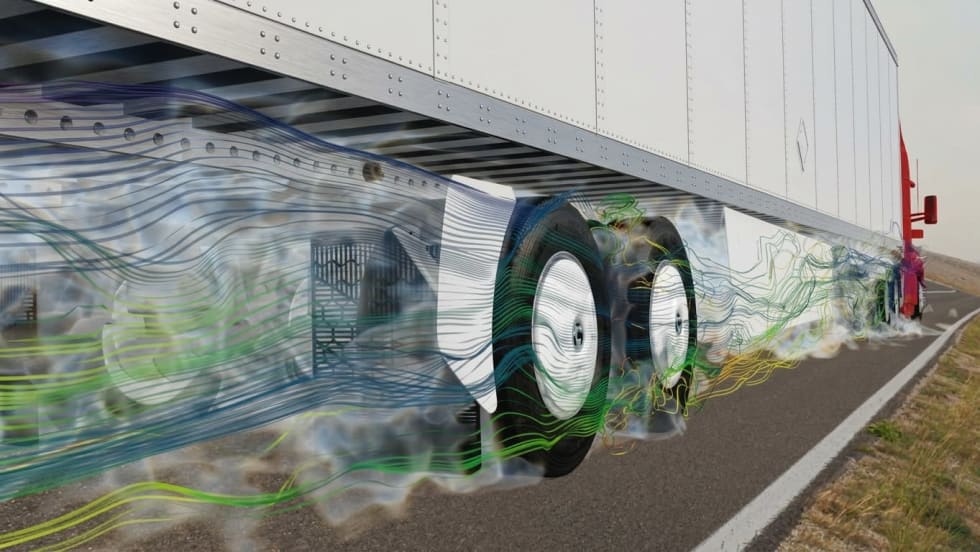
FlowBelow Redesigns Trailer AeroSlider to Cut Fuel Use
The lighter trailer aerodynamic system installs in less than 45 minutes, according to the company, with potential payback in under a year depending on fuel prices and trailer mileage.
Read More →
Why Diesel Price Relief Efforts May Fall Short
Diesel prices have eased from September’s record high, but doubts about additional Russian supply and limits on dyed-diesel tax relief mean trucking fleets still face expensive fuel. And prices could go higher.
Read More →
Why Small Fuel Savings Matter in Trucking
Can better fuel economy help pay for driver raises? In this podcast, GP Transco explains how small efficiency gains create room to reinvest in its people.
Read More →
How GP Transco Cuts Trucking Fuel Costs, a Tenth of a Gallon at a Time
What’s another tenth of a mile per gallon worth? GP Transco shares how equipment upgrades and driver coaching turn small gains into meaningful fuel savings.
Read More →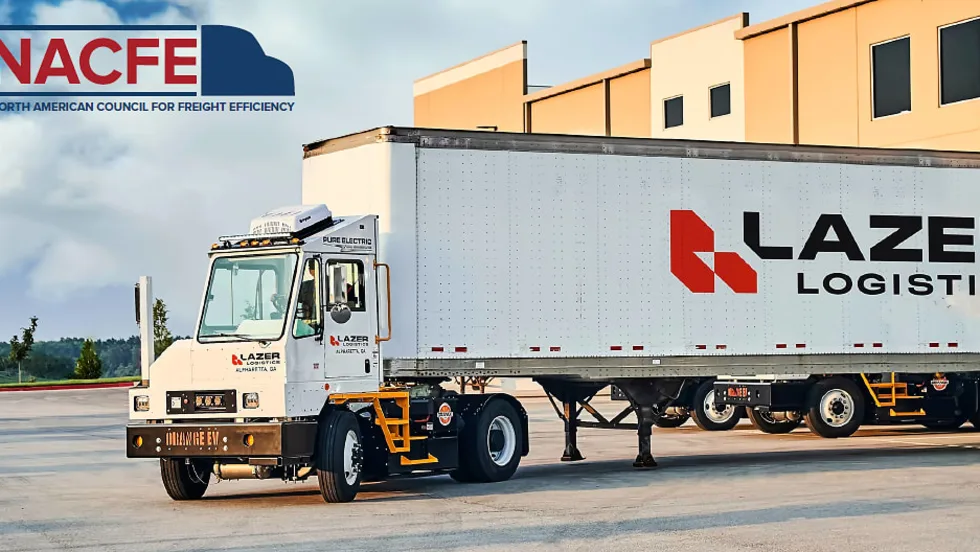
Electric Yard Tractors Move Beyond Pilots
Operating-cost savings have overtaken sustainability goals as the leading reason surveyed fleets are adopting battery-electric terminal tractors, according to new NACFE research.
Read More →
Geotab Links Fleet Card to Vehicle Data
The new card combines fuel discounts with telematics-based purchase controls. Geotab’s analysis also points to potential savings from choosing lower-priced fuel stops.
Read More →
Fleet Economics Shape Electric Truck Outlook
ACT Research expects costs, charging infrastructure, and technology improvements to drive zero-emission commercial vehicle adoption as federal regulations and incentives retreat.
Read More →
Wex Adds Cardless Fuel Payments for Over-the-Road Customers
A new fuel card feature for Wex customers offers convenience and security.
Read More →
New California Law Could Shed Light on Electric Truck Prices
Why do battery-electric Class 8 trucks remain so expensive? A California bill signed by Gov. Gavin Newsom would give fleets and state agencies more visibility into what manufacturers charge.
Read More →