




Dorsey LiteGuard 5000 Reefer
Dorsey Trailer, one of the heavy-duty industry's oldest trailer manufacturers, announced the introduction of its wear-resistant LiteGuard 5000 refrigerated trailer at the Mid America Trucking Show

Dorsey Trailer, one of the heavy-duty industry's oldest trailer manufacturers, announced the introduction of its wear-resistant LiteGuard 5000 refrigerated trailer at the Mid America Trucking Show.
The LiteGuard 5000 is engineered to be the toughest, lightest and most energy efficient reefer the company has ever produced. Known for the long service life of its trailers, Dorsey said it is introducing this reefer as part of its strategic plan to recapture, reemphasize and retarget product durability as its primary focus.
Founded in 1911 and still operating out of its 800,000-square-foot plant in Elba, Ala., Dorsey Trailer became a division of Pitts Enterprises when it acquired the company in 2007. Pitts has been a successful trailer manufacturer for 35 years, a major player in specialized logging and lowboy trailers from the East Coast to the Mississippi River.
"Dorsey's goal is to continue to build the most durable trailers on the market," said Jeff Pitts, president of Pitts Enterprises. "We're using the highest quality materials, the most advanced engineering techniques and a tradition of craftsmanship that has literally been passed down, from generation to generation, on the same factory floor, over the last century. With the introduction of the LiteGuard 5000, I'm excited to announce that the 10-year trailer warranty has officially arrived."
Pitts said that, as an organization, Dorsey has been focused on building longer-lasting trailers from the start and that in the old days, that often meant "over engineering" the product by using better, thicker steel and other more robust materials in the manufacturing process. Pitts said that with the design of the LiteGuard 5000, the company has met its objective of engineering in superior quality materials, while engineering out weight and components that could promote corrosion.
"We're still over-engineering our trailers," said Trey Gary, vice president and chief operating officer for Dorsey Trailer. "We're just doing it in a more sophisticated way -- a way that brings even greater value to the end user by lowering trailer operating costs and raising resale values."
Gary explained that many of the features that come standard on the LiteGuard 5000 trailer are not even available as custom orders from most major manufacturers. He cited the trailer's robust, heavy-duty floor construction, its impact resistant, heavy-duty stainless steel rear frame, its tough, stainless steel upper coupler and its highly engineered rear doors with proprietary fuel-saving seal design, among other examples.
Gary said that the company's engineering team had spent significant effort looking for ways to eliminate potential sources of corrosion and that stronger, lighter weight composite materials have replaced moisture-retaining wood products throughout the trailer.
Dorsey also practices foam-in-place insulation techniques that are time consuming, but ensure a continuous seal, thus reducing wear on the trailer's refrigeration unit and reducing operational fuel costs.
Dorsey's foam-in-place process is done by hand and allows insulation material to be pumped into trailer cavities while still in a liquid state. The insulation flows through tight spaces into crevices and ultimately creates a virtually airtight barrier, giving the refrigeration compartment superior insular characteristics.
More Products

More Trailer Data Through the Same Seven-Way [Video]
Can trucking’s standard seven-way connector handle more cameras and trailer data? Grote’s Adam Slade shows HDT how the company is using new technology with its 4See trailer system, not only to add a new backup camera but also to expand other capabilities — without adding another connection.
Read More →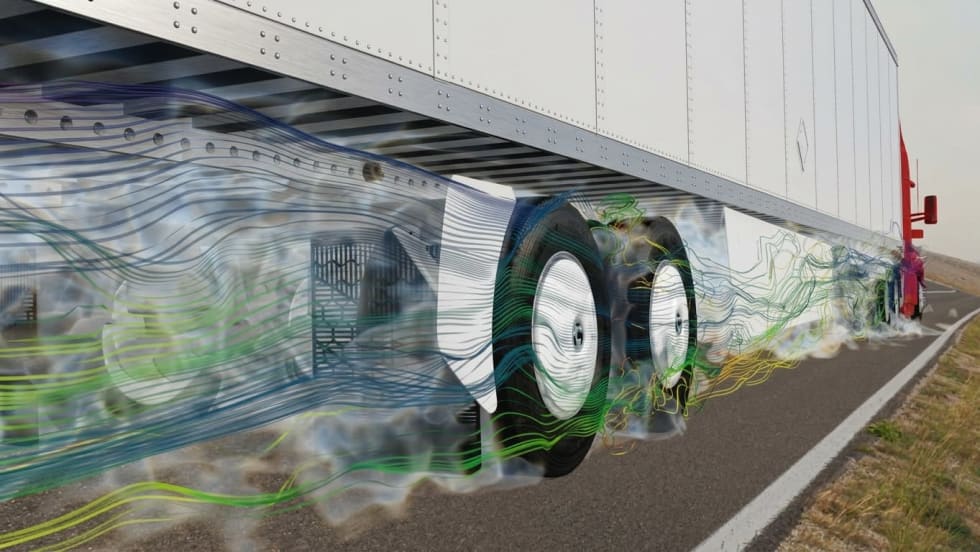
FlowBelow Redesigns Trailer AeroSlider to Cut Fuel Use
The lighter trailer aerodynamic system installs in less than 45 minutes, according to the company, with potential payback in under a year depending on fuel prices and trailer mileage.
Read More →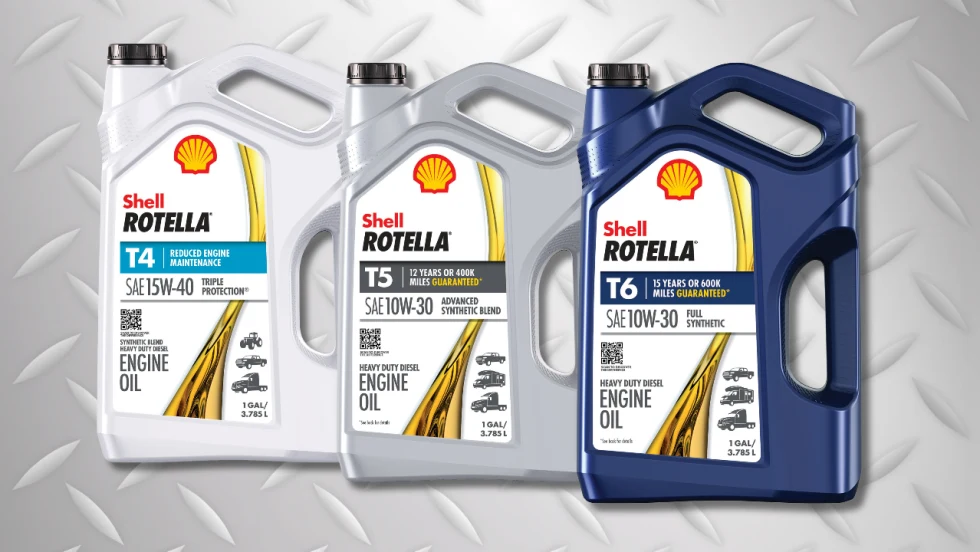
Shell Prepares Rotella Oils for 2027
New CL-4 and FB-4 formulations will begin arriving in early 2027, with improved protection against oil breakdown, wear and deposits, according to Shell.
Read More →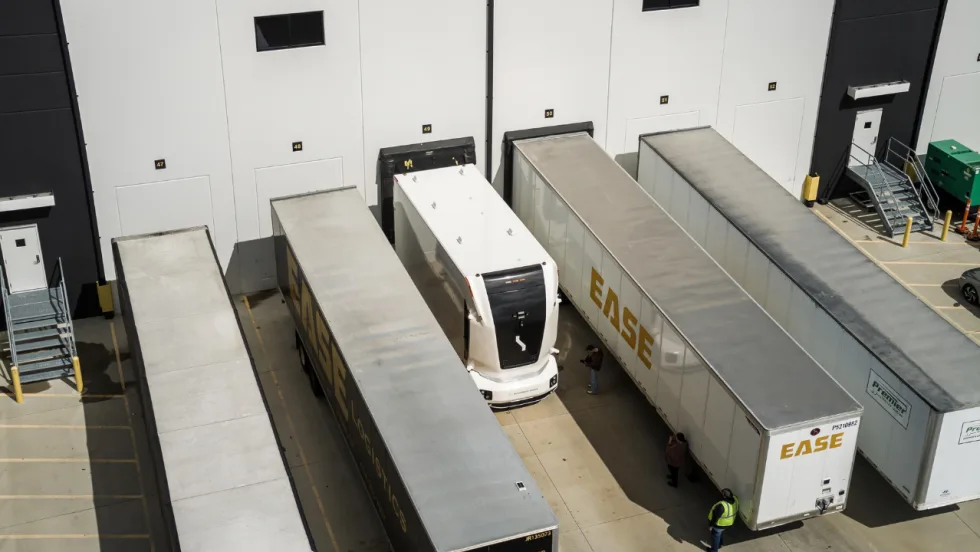
Einride Driverless Electric Trucks Begin Daily Freight Operations in Ohio
Two cabless electric trucks are hauling freight between EASE Logistics facilities in Marysville, Ohio, as part of a multi-state truck automation project.
Read More →
Continental Introduces New Regional Truck Tires
Continental says its new Generation 5 steer and drive tires for regional operations offer longer tread life, with estimated mileage gains of 22% and 19%, respectively.
Read More →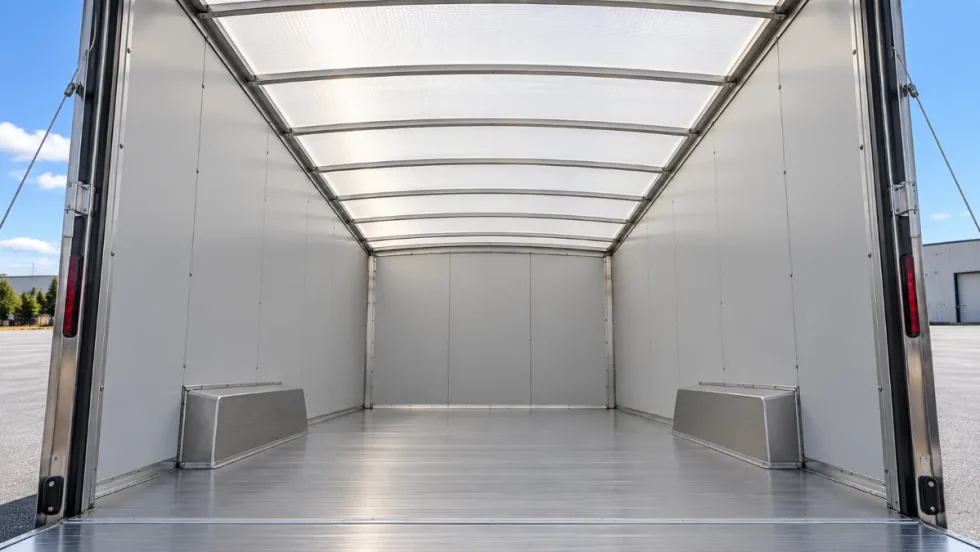
Tekmodo Introduces CargoBright Brand for Translucent Trailer Roofs
CargoBright is designed to diffuse daylight across the cargo area while performing as a working vehicle roof.
Read More →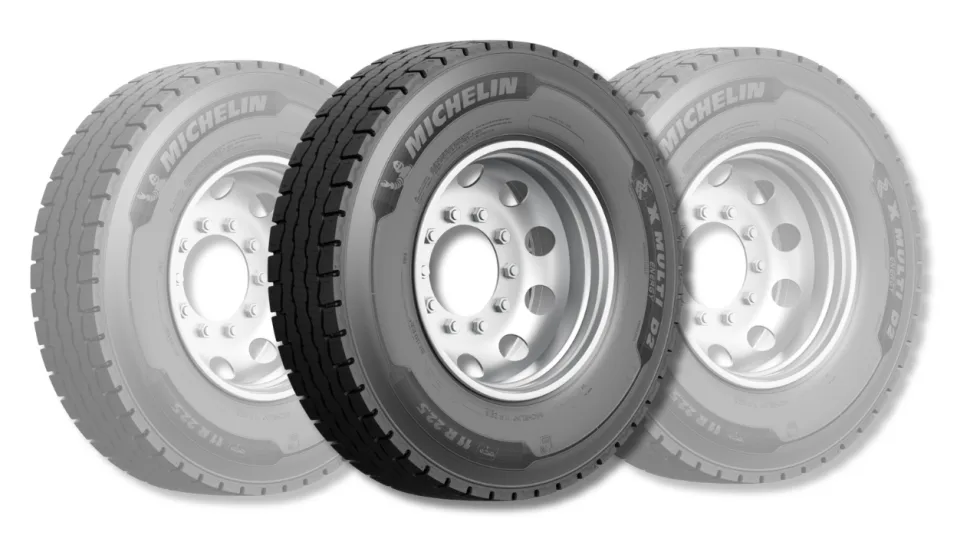
Michelin Tire Improves Efficiency and Durability for Regional Fleets
The Michelin X Multi Energy D2 is a regional haul drive tire engineered to help fleets improve fuel efficiency, durability and traction in demanding stop-and-go operations.
Read More →
What Geotab's New AI Connector Means for Fleets
Fleets can now ask their usual AI assistants questions about maintenance, safety, fuel use, and vehicle performance, using their live Geotab data, and take action on the answers without leaving their preferred AI tool.
Read More →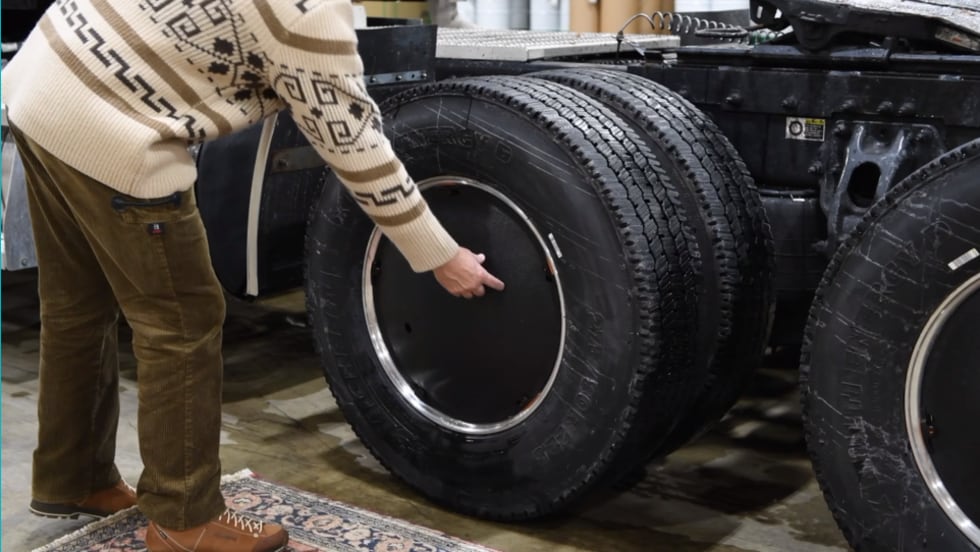
Deflecktor: Hubbub Aerodynamic Wheel Cover Cost-Effective Even for Trailers
Aerodynamic wheel covers can deliver small but meaningful fuel-economy gains for fleets, and Deflecktor says its latest design aims to make the technology easier and more affordable to deploy.
Read More →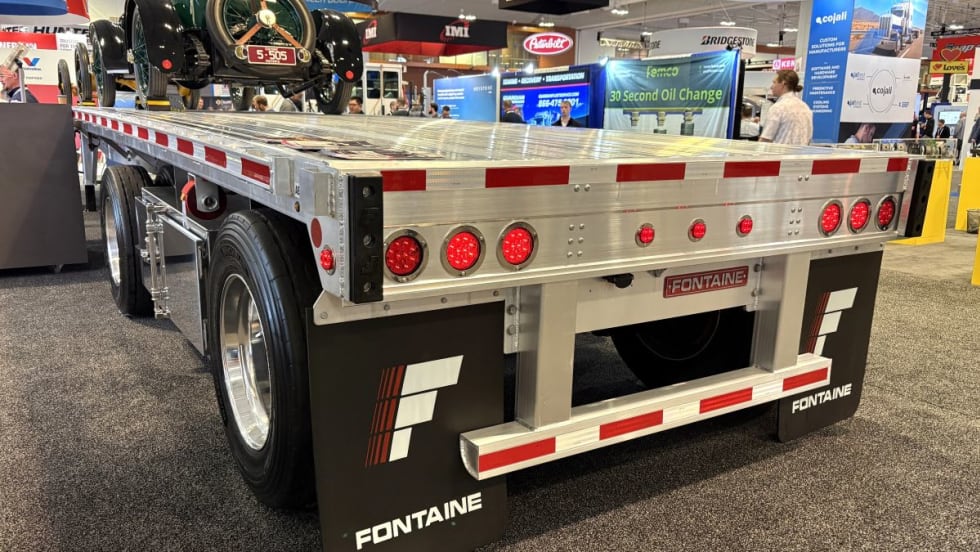
Fontaine Expands Flatbed Lineup with New Fleet-Focused Models, Eyes 2027 Launch
Fontaine is broadening its flatbed lineup with new models aimed at fleets, including a lightweight aluminum trailer expected in 2027 that emphasizes durability, repairability, and lower cost.
Read More →