




CVS Uses Data To Conquer the Most Expensive Mile
CVS used the routing software in the Telogis telematics system to analyze the best routes for drivers to approach a location, pull into a parking lot, and maneuver into the loading dock.
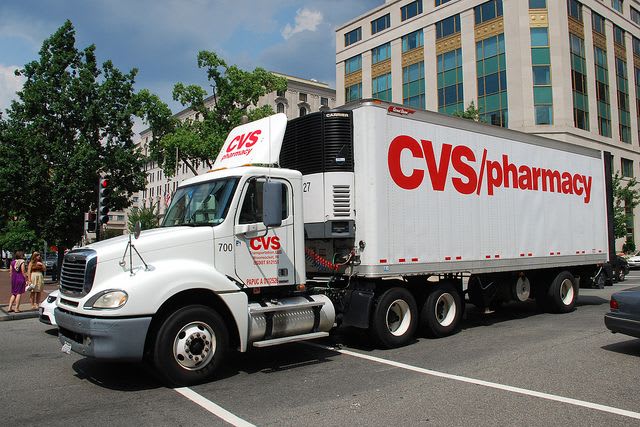
CVS’s fleet of Class 8 haulers use routing software to analyze the best routes for drivers to approach a location, pull into a parking lot, and maneuver into the loading dock.
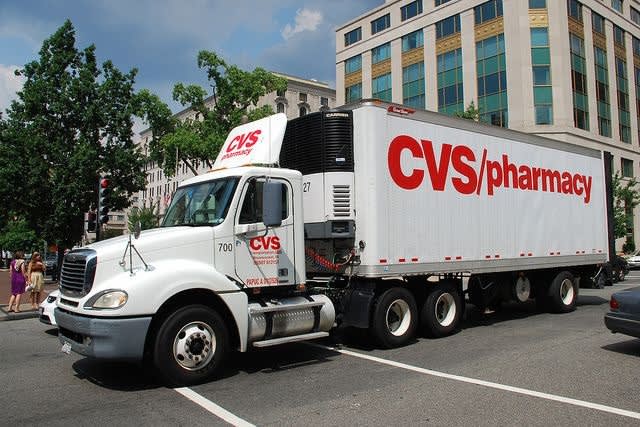
CVS’s fleet of Class 8 haulers use routing software to analyze the best routes for drivers to approach a location, pull into a parking lot, and maneuver into the loading dock.
For CVS Health’s fleet of Class 8 delivery trucks, the last mile of any route is often the most expensive, with delays, excess idling, and accidents making deliveries an expensive proposition. Complicating matters is that every CVS store has a different delivery dock configuration, making uniform delivery procedures impossible.
This is where data analytics came to the rescue, according to Nicholas Cindrich, director of enterprise safety and DOT compliance for CVS Health. The company used the routing software in the Telogis telematics system it uses to analyze the best routes for drivers to approach a location, pull into a parking lot, and maneuver into the loading dock.
Cindrich pointed out during a presentation at the recent Telogis Latitude Conference in Dana Point, Calif., that getting a driver to a location safely was the primary function of routing. And, a missed turn or a turn into the wrong parking lot entrance can result not only in an inconvenience for the company with out of route miles and wasted fuel or a missed delivery time, but more crucial, it results in upset motorists, an upset company driver, and a dangerous situation.
“A lost driver is a dangerous driver,” observed Cindrich. “Traveling in an unfamiliar area can result in accidents, traffic tickets, entering into a wrong delivery entrance, or compromise load safety.”
In addition to excess fuel cost and loss of driver time, CVS Health also found that upset drivers result in driver turnover — another factor impacting the overall safety of the fleet.
Cindrich and his team used past routing data to determine a number of factors related to conquering the most expensive mile. They looked at the customer’s location (in this case CVS Health stores), how drivers were getting to the location, how they were reaching the loading dock once they reached the location, damage monitoring at the store, how the driver had to back into the dock, the time it took to handle paperwork, and evaluated customer service surveys.
The result of this analysis determined that about 40 percent of all CVS Health fleet accidents occurred at a store. “In addition, most driver injuries occur at one of our customer store locations,” Cindrich added.
In addition, the analysis helped to identify unseen parking lot obstacles, improving routing. In some cases, Cindrich found that taking all the location factors together, what appeared to be the obvious route was, in actuality, the recipe for an accident.
The analysis also helped CVS Health to cut idle time.
Cindrich concluded by warning about the forgotten mile — the DC or terminal. “About 16 percent of our accidents happen at the DC or terminal,” he said. Again, he undertook an analysis through the company’s Telogis solution to address this problem.
More Fleet Management

How Telematics Improves Visibility, Control, and Performance in Refrigerated Fleets
Explore how telematics help refrigerated fleets improve visibility, uptime, efficiency, compliance, and cargo protection across connected cold chain operations.
Read More →
What the U.S.-Canada Trade War Means for Trucking
Escalating U.S.-Canada tariffs could disrupt cross-border freight, reduce truck volumes, raise costs, and create new uncertainty for carriers on both sides of the border.
Read More →
What Are Trucking’s Top Concerns for 2026?
The American Transportation Research Institute wants to know what's worrying trucking fleet managers, drivers, and other stakeholders in its annual Industry Issues survey.
Read More →

American Trucking Associations Looks for a New Leader
ATA President and CEO Chris Spear abruptly left his job at the association on August 21, at a pivotal time for the trucking industry.
Read More →
Public Wi-Fi Cybersecurity Risks: How Truck Drivers and Fleets Can Protect Their Data
Public Wi-Fi can expose truck drivers and fleets to credential theft, malware, and other cyber threats. Here’s how to reduce the risk on the road.
Read More →
For Nicky Cupp, Fleet Innovation Starts With Frustration
HDT Truck Fleet Innovator Nicky Cupp turns everyday pain points at Fraley & Schilling into opportunities for better technology and smarter processes.
Read More →
Adam Buttgenbach’s Approach to Electric Trucks: Start With Where They Fit
HDT Truck Fleet Innovator Adam Buttgenbach helped PepsiCo build one of North America’s largest EV fleets by focusing on where electric trucks make operational sense.
Read More →
Deen Albert: Let Automation Do the Math, People Make the Decisions
HDT Truck Fleet Innovator Deen Albert makes sure people are still at the heart of operations at Grand Island Express, even while adopting artificial intelligence tools. AI-assisted dispatch helped boost revenue 25% with the same number of trucks.
Read More →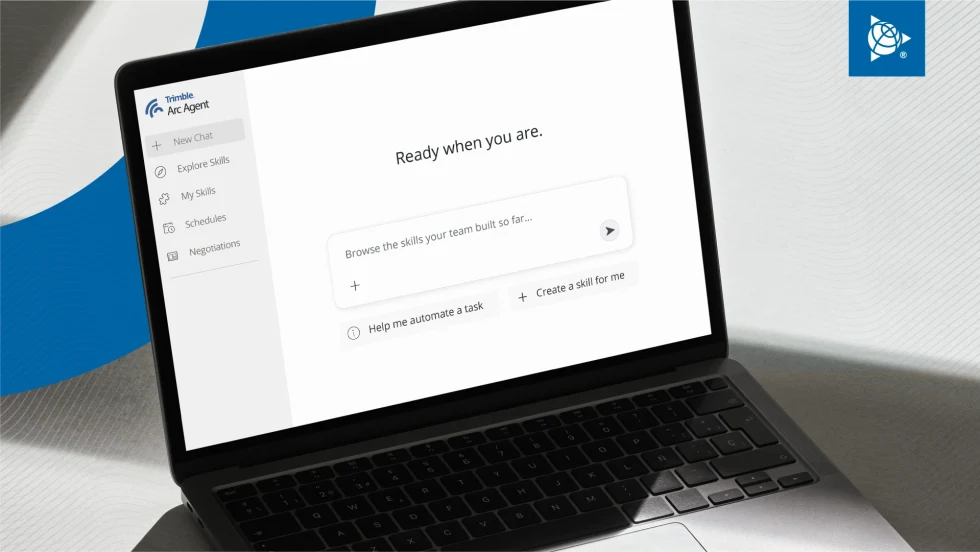
Trimble’s New AI Agent Takes Aim at Fleet Back-Office Busywork
Arc Agent works across Trimble TMS products to automate repetitive tasks such as freight orders, maintenance, invoices, fuel costs and more.
Read More →
How HDT’s 2026 Truck Fleet Innovators Are Rethinking Fleet Operations
Meet five trucking leaders who are challenging assumptions, solving operational problems, and putting innovative ideas to work.
Read More →