




Corrosion: Why Put up With It?
Take a look as you drive the highway. Look at the trucks and trailers representing major corporations. See the corrosion?
Take a look as you drive the highway. Look at the trucks and trailers representing major corporations. See the corrosion?
Some of these companies have drivers in nice uniforms, but they're driving trucks that are rusting prematurely. I call it the "Circle of Destruction."
The Circle of Destruction goes like this. You order trucks and trailers, they manufacture, you have corrosion issues, then downtime. Sometimes this same truck has corrosion issues multiple times. Why do you put up with it?
Recently I visited with a world-class trailer manufacturer in the Midwest. It was quite busy. "Sales are great. We can't make then fast enough," they said. The facility was clean and the employees were proudly doing their jobs.
"What do you do to prevent corrosion?" I asked. "We paint them and ship them," was their response. "What about a corrosion warranty?" I asked. "One year," I was told. "That's all we need."
Corrosion-induced replacement and repairs cost the U.S. $350 billion annually, according to a Minnesota Technology article back in March 2001. Why do you put up with manufacturers that sell you on the Circle of Destruction?
More, much more can be done if you insist on corrosion prevention. Does your written bid specification include what you want done to prevent corrosion?
Many trailers and trucks today are made with aluminum using steel or stainless steel hardware. Today's extruded aluminum is strong and light. Manufactures take great pride in producing vehicles painted with high quality urethane paint. They look good until the destruction begins.
Let me explain. Aluminum held together with steel hardware will always corrode. Some sooner, some later, but they will always corrode. I have seen a $750,000 fire truck that had significant corrosion around door handles. The truck was 45 days old. The manufacturer took care of the warranty, but at what cost?
Would you be comfortable getting this truck back, being told it was "just a bad paint problem"? Some OEM paint coating suppliers just roll over and cover or help cover warranty costs.
Another world-class trailer manufacturer showed me an ASTM B-117 lab test showing a frame rail piece that split due to magnesium chloride road chemicals. Mylar tape was used to isolate the aluminum and steel. The tape trapped the mag-chloride, destroying the two pieces. This manufacturer has since stopped using Mylar, replacing it with ECK corrosion prevention coating.
What can you do? When ordering or doing your specification, make corrosion prevention part of your requirements. I believe that corrosion prevention is like a three-leg stool: One leg needs to create a barrier between the two different metals that are assembled. This barrier must stay moist to keep it from cracking and falling out.
Another leg of the stool needs to seal out moisture. Moisture, including sweating and condensation acts as an electrolyte, allowing dissimilar metals to make contact.
The last leg is most important: zinc ingredients to act sacrificially, keeping the other metals from corrosion. Choosing a coating that provides all three of these legs will make your truck or trailer last longer.
The lesson is simple: Don't be sold on the Circle of Destruction. Be proactive about corrosion prevention with your truck or trailer builder.
Van Nay Corp. in South Elgin, Ill., (www.vannay.com) makes ECK-brand coating that it says impedes electrolysis-caused metal corrosion
More Equipment
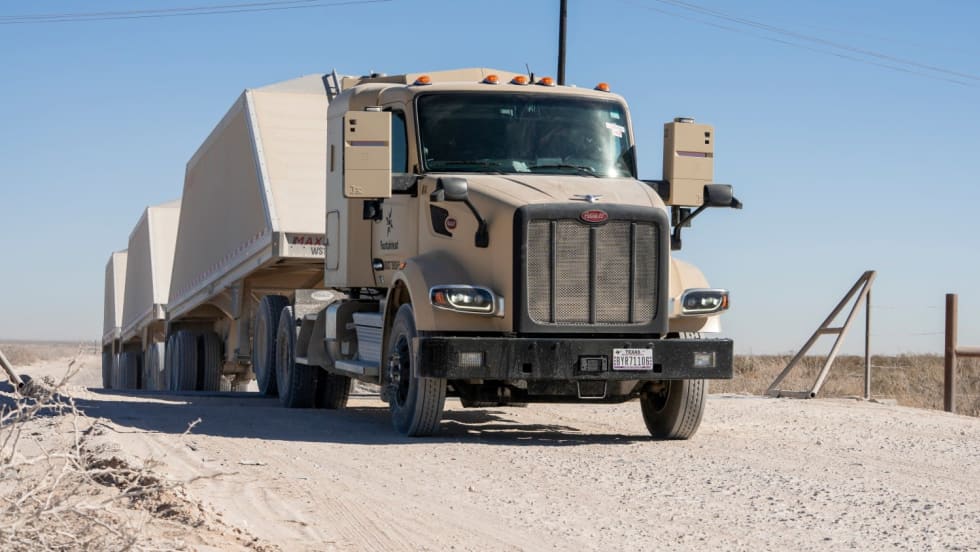
Atlas Expands Kodiak Driverless Truck Fleet in Permian Basin
Atlas Energy Solutions is expanding autonomous frac sand hauling in the Permian Basin with a second load-out location and plans for 100 driverless trucks by mid-2027.
Read More →
Putting Mack’s Command Steer to the Test
A test drive of Mack’s Command Steer active steering system evaluates how it can make truck driving easier and less tiring.
Read More →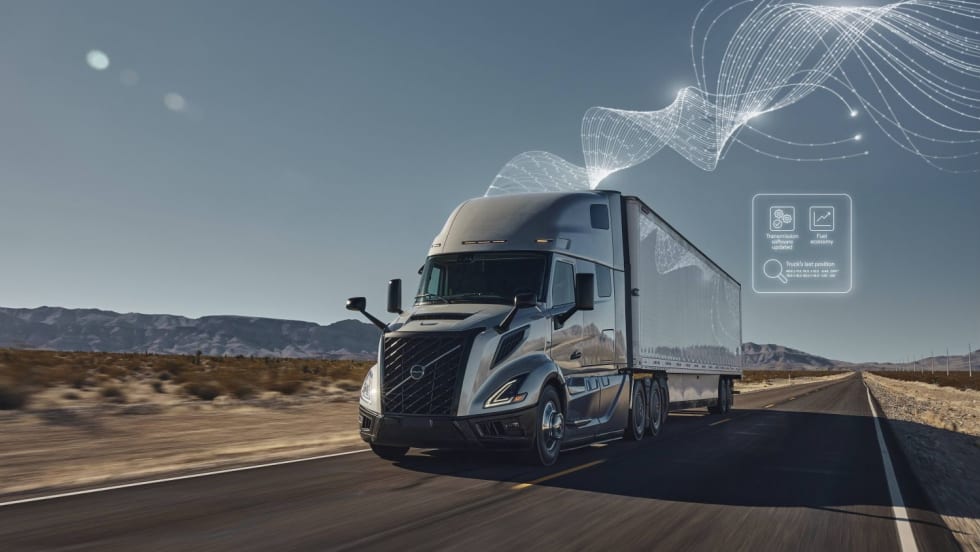
Mack, Volvo Expand DEF Derate Software Updates
The updated software gives Mack and Volvo truck owners more time to address DEF-related issues before the engine derates or the vehicle goes into reduced-speed inducement, following new EPA guidance.
Read More →
Rush, MCT Team Up to Grow Refrigeration Service Network
The joint venture will operate MCT's network of Carrier Transicold dealerships and mobile service locations, with the companies promising greater service capacity and uptime for refrigerated fleets.
Read More →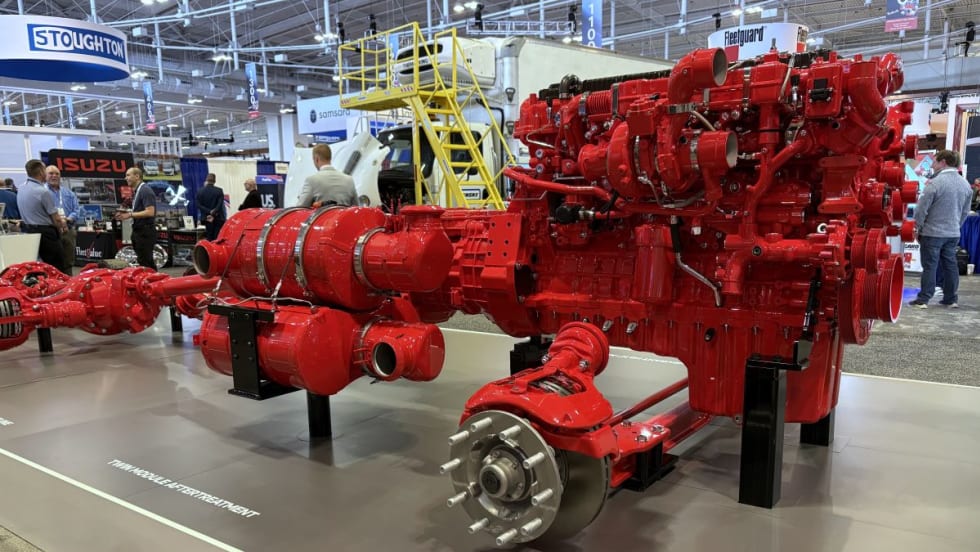
Cummins Adjusts 2027 Engine Rollout After EPA Proposal
The engine maker will gradually introduce its new Model Year 2027 diesel engines while continuing to offer current models during the transition, citing the EPA's proposed emissions rule changes.
Read More →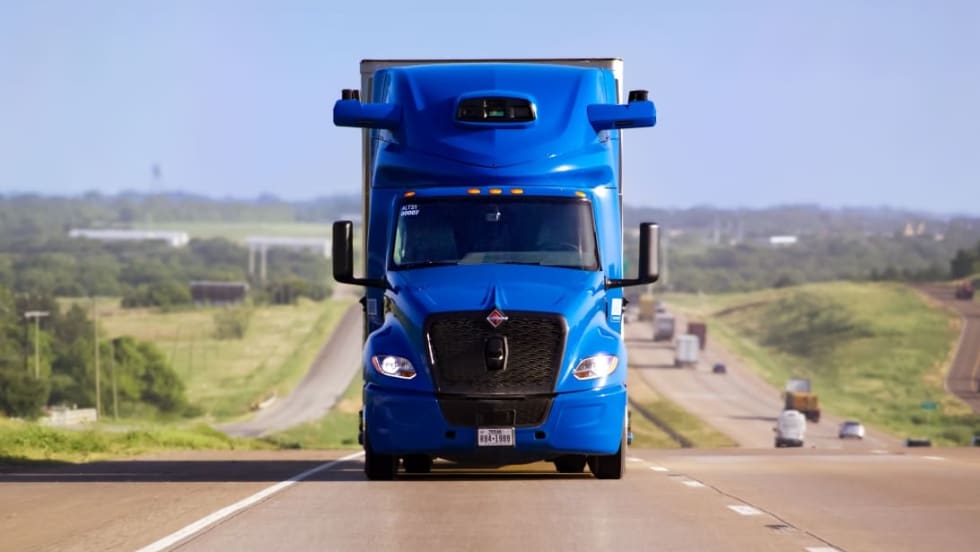
Aurora Rolls Out Next Generation of Driverless Trucks for Commercial Freight
Aurora's latest autonomous trucks it's rolling out with International feature lower-cost hardware designed for a million miles as the company expands commercial driverless freight operations across the U.S. Sun Belt.
Read More →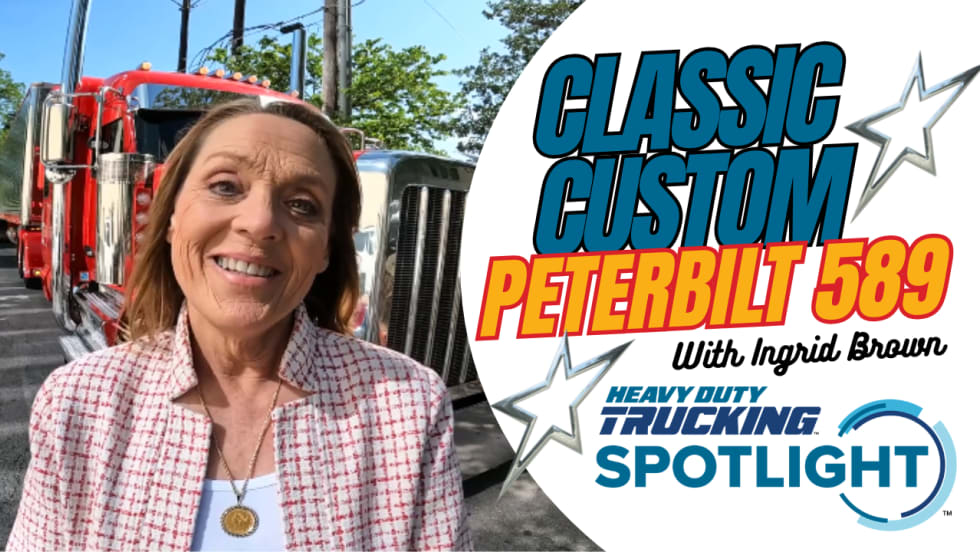
Peterbilt 589 Spotlight: A Close Look at a Custom Working Truck [Video]
There's more to this customized Peterbilt Model 589 and Great Dane refrigerated trailer than chrome and stainless (although there's plenty of that too!) A veteran driver explains the design choices and practical features behind this working truck.
Read More →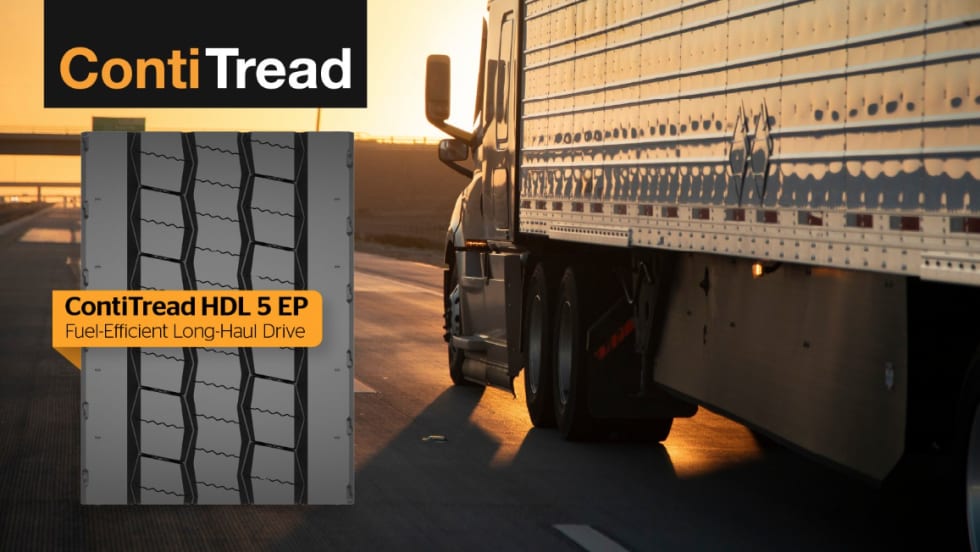
Continental Expands Retread Lineup With New ContiTread HDL 5 EP
New long-haul drive retread is designed to improve fuel efficiency, extend tread life, and lower fleets' cost per mile.
Read More →
EPA Proposal Could Ease 2027 Truck Costs and Buying Uncertainty
The proposal doesn't change the tougher NOx standard, but it would revise key implementation requirements that manufacturers say have driven up costs and complicated fleet purchasing decisions.
Read More →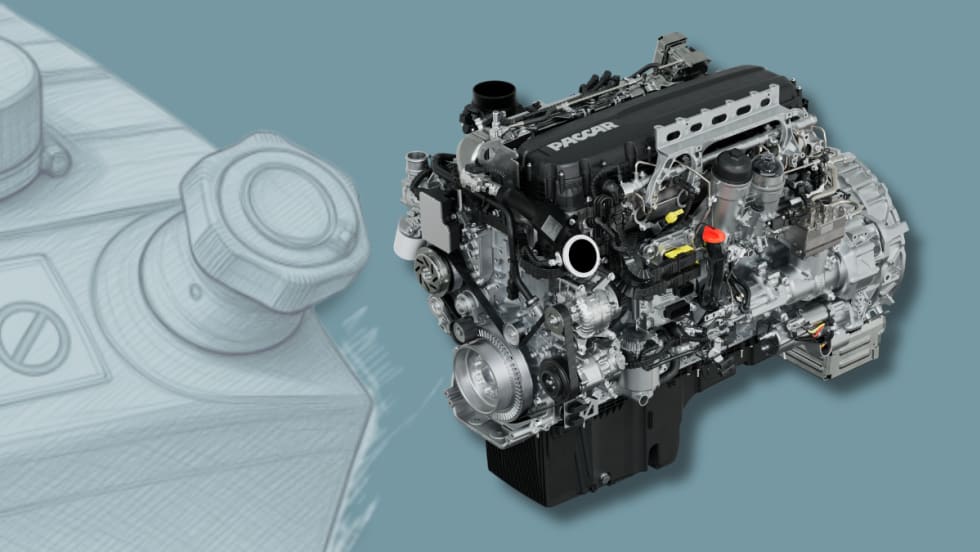
Cummins, Paccar Ease DEF Derates After EPA Guidance
Updated diesel engine software gives truck operators more time to address emissions-system issues while staying compliant with EPA emissions standards.
Read More →