




Commentary: When It Comes to Truck Parts, Relationships Still Matter
The last line of defense a fleet has in proper parts purchasing is the person selling the part. That's why relationships still matter, says Aftermarket Contributing Editor Denise Rondini.

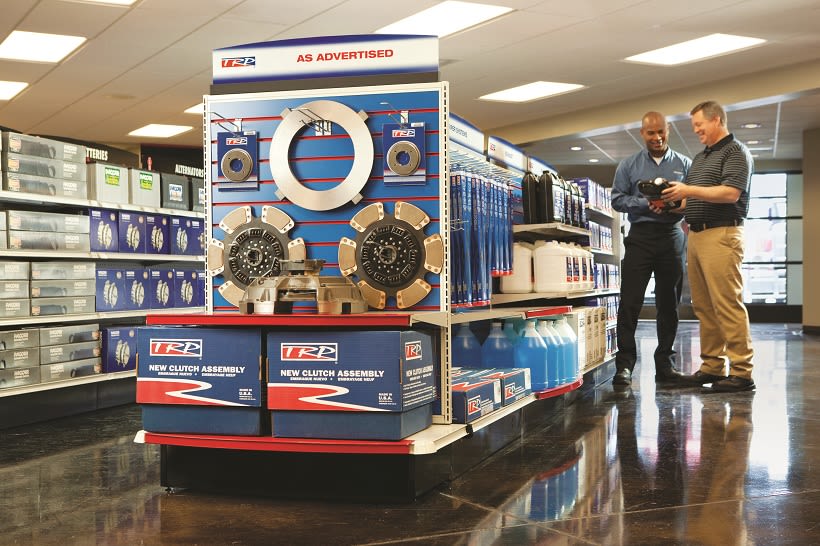
The last line of defense a fleet has in proper parts purchasing is the person selling the part. That's why relationships still matter.
Photo courtesy Kenworth Sales Co.
At the retail level, fleets are spending $30.4 billion a year on parts for Class 6-8 trucks, school buses, trailers, and container chassis, according to MacKay & Co. That’s a big number, and fleets have a myriad of choices when it comes to where to get the parts they need to keep their vehicles in good operating order.
E-commerce is gaining ground, but interestingly, according to MacKay research, much of the online parts purchases are being completed on the websites of heavy-duty distributors, while truck dealers account for another 15% of online sales. The elephant in the room of most online purchases, Amazon, is getting 14% of heavy-duty parts purchases.
From the interviews I did for this month’s cover feature, Shifting Patterns Of Parts Distribution on page 46, I learned that where once online purchases were typically used for hard-to-find parts, today fleets are using the internet for stocking parts and repeat orders. The internet just seems to make those things easier and more efficient.
But perhaps the most interesting takeaway from the MacKay data was the fact that one reason fleets say they don’t buy online is that they don’t want to lose the relationship they have with their local dealer or distributor.
Given the complexity of today’s trucks and all of the new technological developments taking place in the trucking industry, it seems that fleets still want someone who can help them navigate all the choices available when it comes to replacement parts.
It seems like every day there are more options available, from OE branded replacement parts to parts that carry the component manufacturer’s name to all-makes parts offerings to private label parts. It can be confusing for fleet parts buyers to make sure they get the part they need. MacKay has done survey work on fleets buying habits when it comes to branded vs. non-branded parts. It seems the farther away you get away from the engine, or the less critical the part is for the safe operation of the vehicle, the more likely a fleet is to select a value line product.
John Blodgett, vice president of sales and marketing at MacKay & Co., says given all the choices a fleet has, “the last line of defense a fleet has [in proper parts purchasing] is the person selling the part,” whether that is a dealer, distributor, or online parts seller. A fleet manager has to make sure that person clearly understands which part works best for the application. If someone is looking for a widget and is told there is one for $100 and one for $75, the natural inclination might be to choose the cheaper part. “But the fleet needs [a parts seller] that will go through the process of trying to figure out where the truck is in its life cycle, what the application is and what is the best fit,” Blodgett says.
That’s part of why fleets have forged strong relationships with their distributors or dealers, even when there are other avenues for getting parts. “Fleets have some level of expectation that someone is making a decision about the quality of the part before selling it to them,” he adds.
Technological and regulatory changes are not going to go away. In fact, when it comes to technology, the pace of change is likely to accelerate. Rick Reynolds, president and owner principal of Peach State Truck Centers, does not see things changing between dealers/distributors and fleet customers, even as we are seeing a generational transition in leadership at many fleets.
“Relationships will still be important. While purchasing behaviors may change, because of the complexity of how a truck is engineered and the absolute need for the truck to be rolling so a fleet can make money, there always will have to be interaction with people.”
Related: The Shifting World of Aftermarket Parts
More Aftermarket

What Three Fleets Are Doing Differently When Buying Truck Parts in 2026
With freight improving but costs still climbing, fleet maintenance executives explain how they're balancing price, quality, and supplier relationships.
Read More →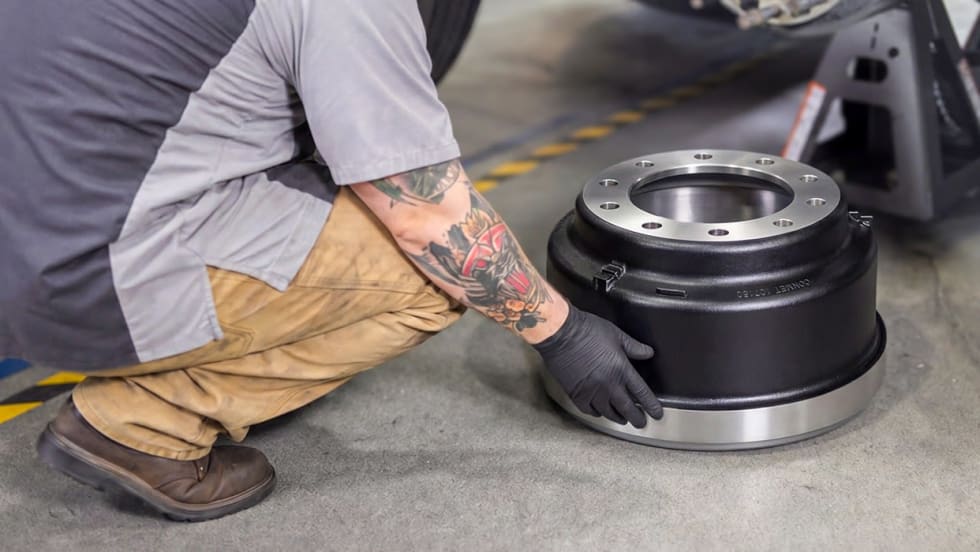
ConMet Expands Aftermarket Brake Drum Lineup With TruCast
A new heavy-duty truck brake drum option in the aftermarket gives customers more flexibility within the ConMet product family.
Read More →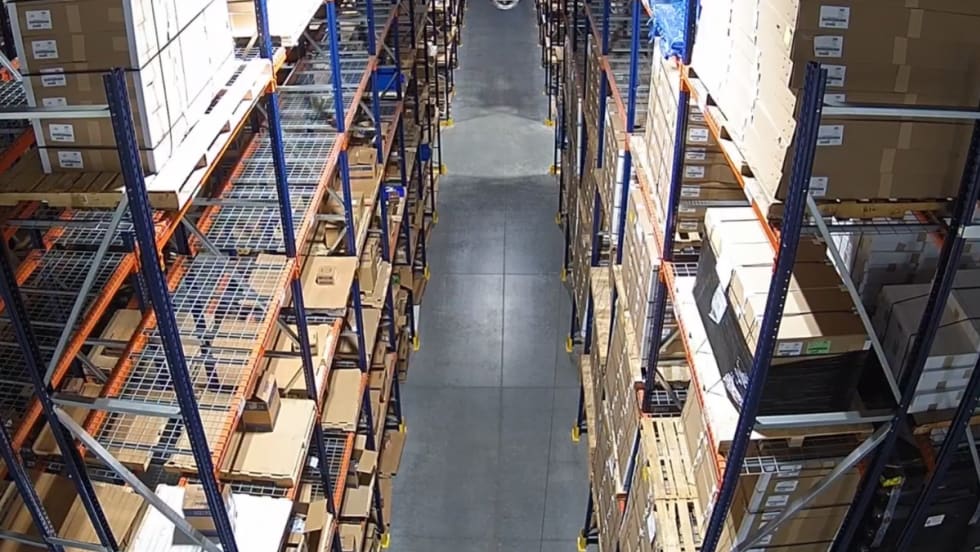
Phillips Opens High-Tech Distribution Center for Faster Parts Delivery
Phillips Industries’ new Cincinnati-area distribution center is now shipping aftermarket trucking parts nationwide, aiming to speed up delivery times for customers.
Read More →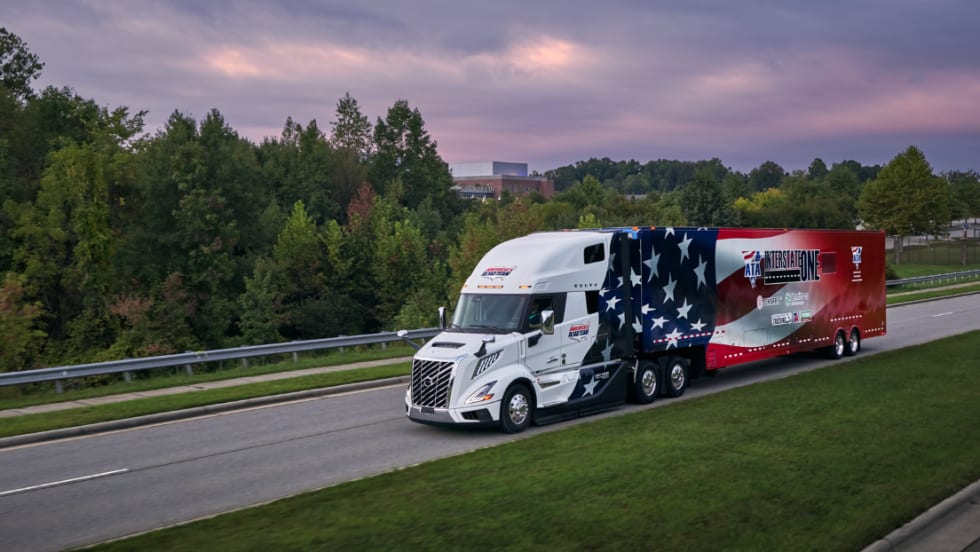
Volvo to Sponsor America’s Road Team for 2025
Volvo Trucks announced that it is extending its exclusive sponsorship of America’s Road Team for 2025.
Read More →
Webb to Start Taking Orders for UltraSet Pre-Adjusted Wheel Hubs
Webb, which recently acquired the Stemco Trifecta pre-adjusted hub program, will soon start taking orders for its replacement pre-assembled hub, the UltraSet.
Read More →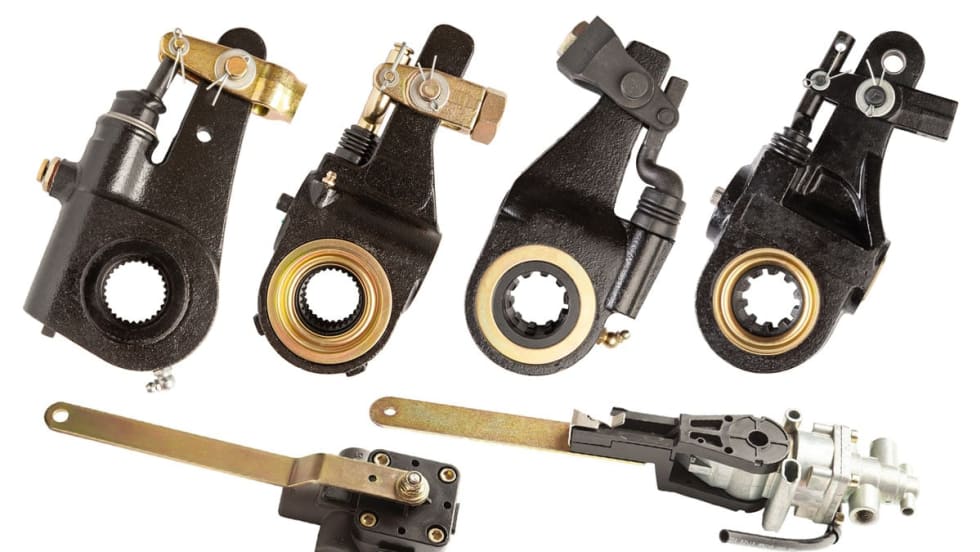
All-Makes Automatic Brake Adjusters, Ride Height Control Valves from Midland
SAF-Holland has added automatic brake adjusters and ride height control valves to its Midland All-Makes Program.
Read More →
ZF Aftermarket Expands [pro]Academy Training
ZF Aftermarket said it is expanding its ZF [pro]Academy training and will be adding 40 new modules this year.
Read More →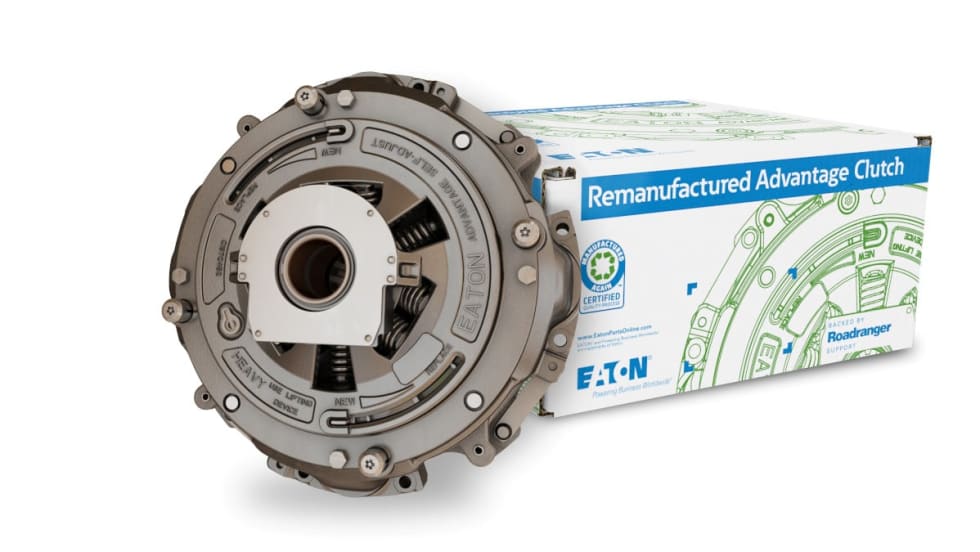
Eaton Adds Remanufactured Advantage Line of Clutches
Eaton has added its Advantage clutches to its remanufactured product line. The clutches feature a unique strap drive intermediate plate designed to allow customers to choose the latest OE specification
Read More →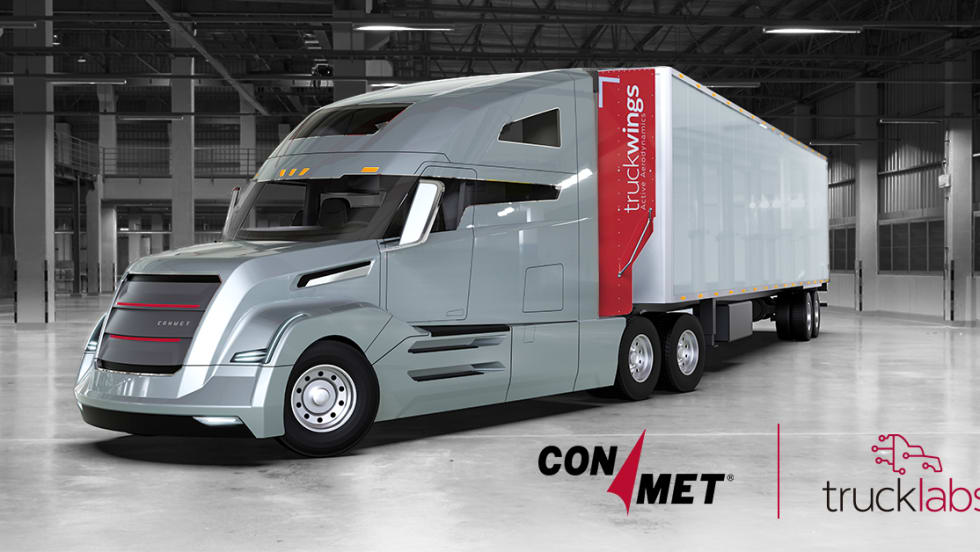
ConMet Acquires TruckLabs, the Creator of TruckWings
Commercial truck and trailer parts provider ConMet acquired TruckLabs, the company that created TruckWings, an aerodynamic device that attaches to truck cabs and deploys to close the gap between truck and trailer. TruckLabs now operates as a subsidiary of ConMet.
Read More →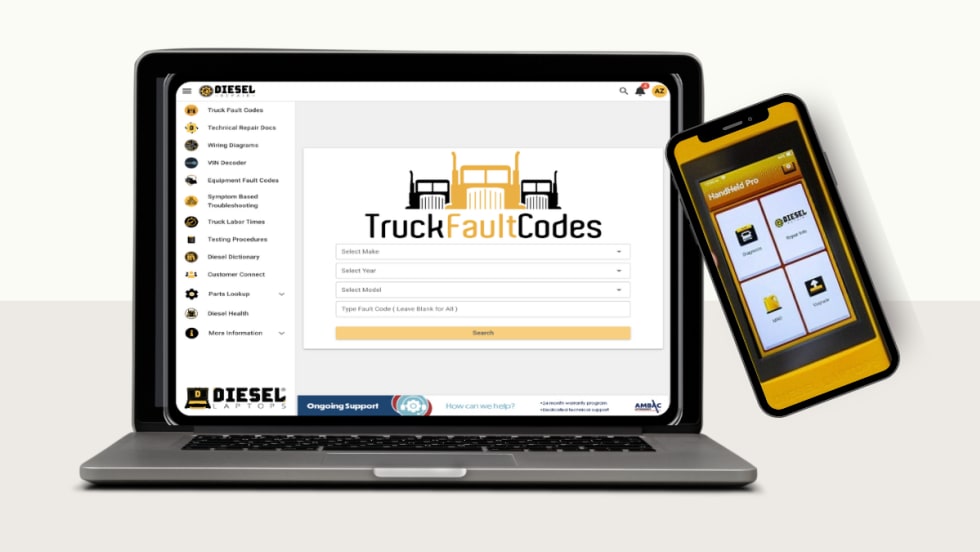
Diesel Laptops Releases Fault-Code-to-Part-Number Tool
Diesel Laptops said its Truck Fault Codes allows users to input a fault code and immediately identify and order the parts needed to complete repair work.
Read More →