




Related: What Happens to Trucking When Interest Rates (Finally) Rise?
Commentary: What Economic Indicators Tell Us About Shifting Freight Trends
Recent reports on freight movements, shipper spending and even the spot market can be downright confusing if you’re trying to figure what’s happening to the nation’s freight market and overall economic health.

Evan Lockridge・Former Business Contributing Editor

3 min to read

Taken separately, recent reports on freight movements, shipper spending and even the spot market can be downright confusing if you’re trying to figure what’s happening to the nation’s freight market and overall economic health.
For one, total spending on shipments and the number of shipments for North American freight fell in October, according to the Cass Freight Index.
The October drop in shipments is much sharper than in recent years and can be directly correlated to falling imports and exports, as well as decreased domestic manufacturing levels. That’s according to Rosalyn Wilson, supply chain expert and senior business analyst with the management services firm Parsons, who provides analysis for the Cass report.
“Burdened by bloated inventories, and under the shadow of a possible interest rate increase by the Federal Reserve, businesses cut back on new orders placed in the last three or four months,” she explains. “This is resulting in lower import volumes, less freight to move and faltering industrial production.”
Then there is the spot market, which saw declines in both rates and freight volume in October, Wilson notes. Figures provided by the freight matching service provider DAT Solutions showed year-over-year volume fell 9.7%, with declines of around 5.5% in the three major truckload freight sectors: vans, flatbeds, and reefers.
But wait a minute: The federal government’s Freight Transportation Services Index, based on the amount of freight carried by the for-hire transportation industry, rose 0.2% in September. In fact, the level of freight shipments in September measured by the Freight TSI, was just 0.1% below the all-time high level in November 2014. (October TSI numbers had not been released at press time, but the index has shown a slow steady climb over the past 12 months.)
So does this mean someone is reporting bad data? Not at all. Rather, conditions have shifted.
As manufacturing levels have declined, along with shipments from this sector of the economy, another area has been increasing — retail spending, a bigger driver of the American economy and truck freight.
According to Wilson, consumer sector goods are, by far, the strongest in the market now.
“In many ways this is the silver lining in the storm clouds, because it means that consumers are still in the game,” she said. “Consumer spending, which accounts for more than two‐thirds of U.S. economic activity, grew 3.2% in the third quarter after expanding at a 3.6% pace in the second quarter.”
As long as consumers stay in the marketplace (and chances are they will, with unemployment at just 5% in October, the lowest since 2008), freight movements and the economy will remain at least stable with 2016 just around the corner.
So what will we see around that corner? One measure of where the economy is heading is the next three to six months, the Leading Economic Index, increased sharply in October from the month before, hitting its highest level in four months, following slight declines the previous two months.
And the broadest measure of the economy, the gross domestic product, increased at an upwardly revised 2.1% annual rate in the third quarter. That’s due in part to consumer spending increasing above a 3% pace. In addition, spending on business equipment, a proxy of future business investment, jumped up to a 9.5% growth pace.
Subscribe to Our Newsletter
More Fleet Management
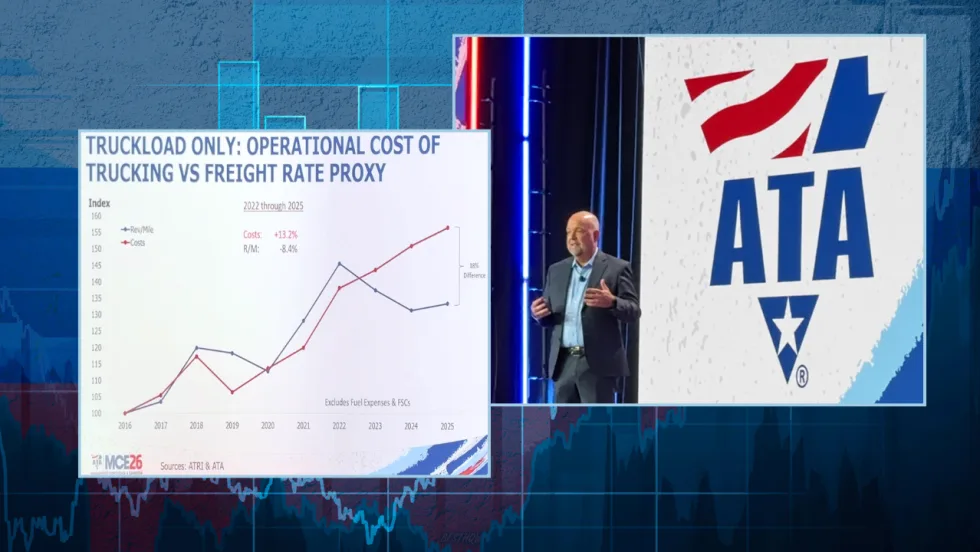
Why This Trucking Recovery Is Different
Freight demand remains sluggish, but rising costs and tougher enforcement have taken enough capacity out of the market to change the outlook for motor carriers.
Read More →
Platform Science Adds Dispatch and Safety Tools
Four additions to PS Fleet help fleets monitor loads, manage driver coaching, share truck locations and adjust video system settings.
Read More →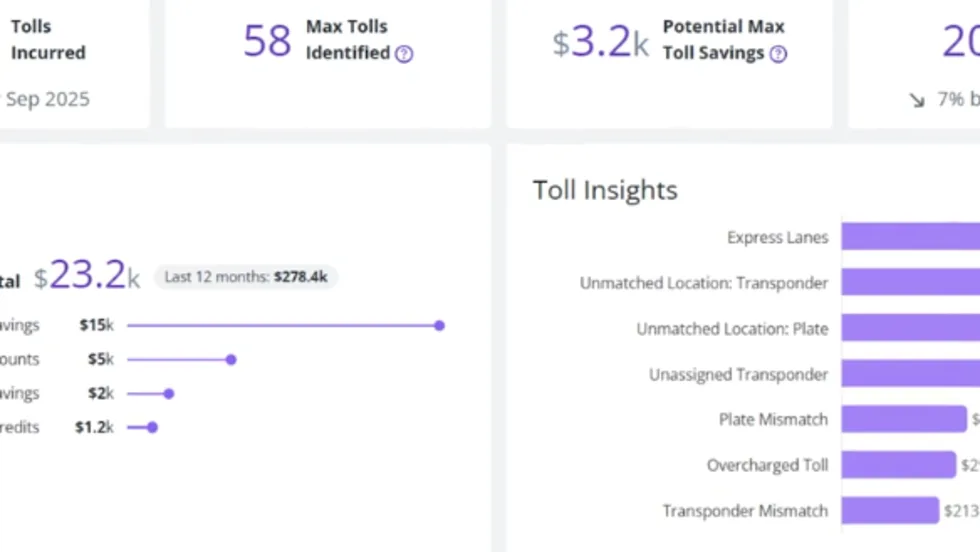
PrePass Intelligence Mines Fleet Bypass, Toll and Safety Data
PrePass Intelligence helps fleets measure bypass savings, flag potential toll overcharges, and spot suspicious transactions by combining data from separate systems.
Read More →
Motive Adds AI Agents for Fleet Operations
New tools automate follow-up on fleet data, from maintenance work orders to driver alerts, with two-way voice conversations planned for later this year.
Read More →
Can You Beat Our Trucking Trivia Challenge?
Test your truck knowledge with 19 trivia questions from Heavy Duty Trucking Exchange. Can you keep up with the fleet pros?
Read More →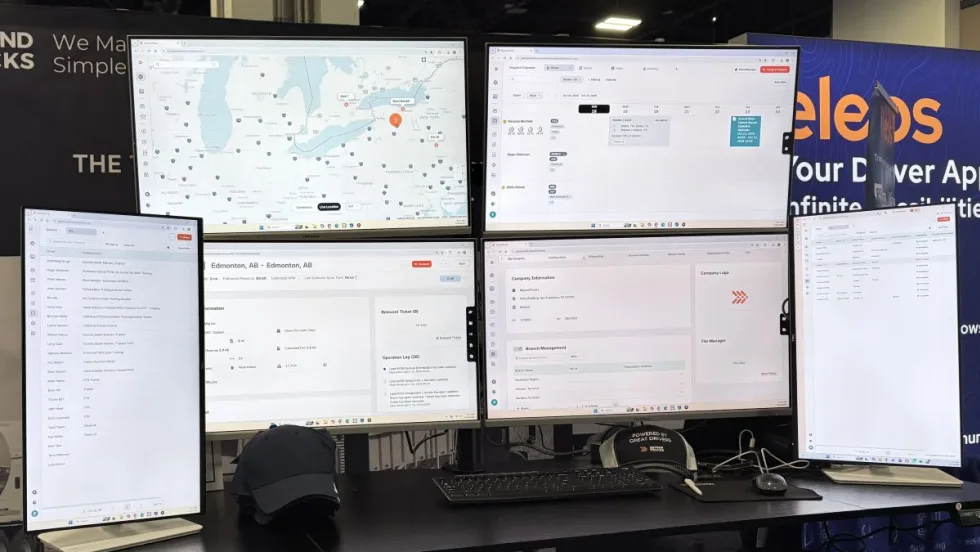
BeyondTrucks Adds Rules Checks to Dispatch
New Compatibility Engine checks driver qualifications, equipment requirements and fleet policies before loads are dispatched.
Read More →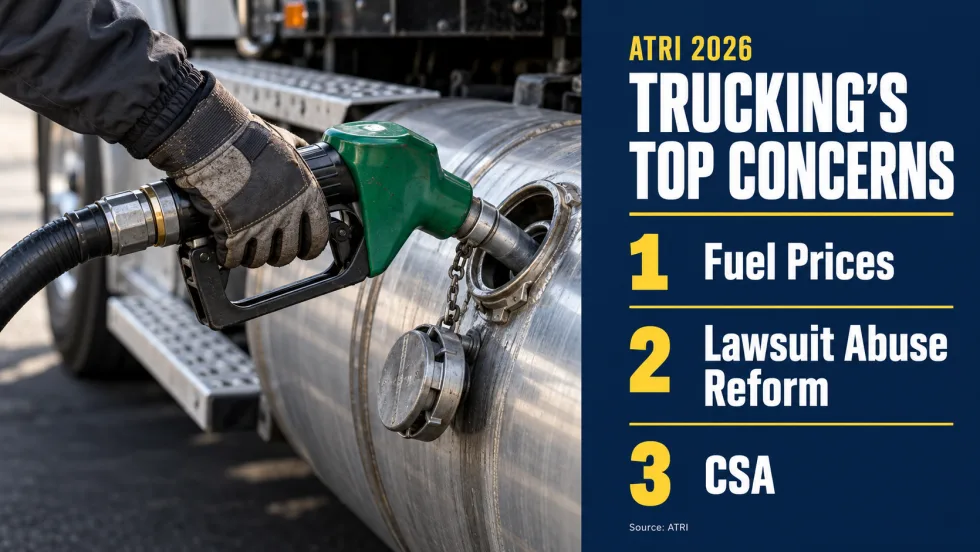
Diesel Prices Hijack Trucking’s Worry List
ATRI’s annual survey finds cautious optimism about freight, but diesel costs, litigation, and insurance continue to squeeze fleets. Drivers have different priorities on several issues.
Read More →
Nomination Deadline Extended for HDT Emerging Leaders
Just a few more days to nominate accomplished trucking fleet professionals under 40 who are making an impact and helping lead the industry forward for the HDT Emerging Leaders award. Deadline extended to October 20!
Read More →
What Will ATA’s New Leader Bring to Trucking's Table?
Incoming President and CEO Mark Colson’s record in Alabama offers clues about his priorities and approach following Chris Spear’s abrupt departure as the head of the American Trucking Associations.
Read More →
Volvo, Waabi Start Commercial Autonomous Operations in Texas
Volvo VNL Autonomous trucks, powered by the Waabi Driver, are hauling freight directly to third-party facilities for a customer in Texas.
Read More →