





Related: Leadership in the Age of Disruption
Commentary: The More Things Change
2014 and 2015 might be the sweet spot for aftermarket parts and service, in large part due to the average age of the truck population.
March 17, 2015

Denise Rondini, Aftermarket Editor.
3 min to read

Denise Rondini, Aftermarket Editor.
"A $26.2 billion opportunity.”
That is how Stu MacKay, president of MacKay & Co., specialized management consulting and market research firm, described the 2014 parts replacement demand for Class 6-8 trucks and trailers during a presentation at the recent Heavy Duty Aftermarket Dialogue.
He sees 2014 and 2015 as a “sweet spot” for aftermarket parts and service, in large part due to the average age of the truck population. According to John Blodgett, vice president of sales and marketing for MacKay & Co., average annual parts demand is highest during years seven through nine of a truck’s life, and many trucks on the road today are in that age range.
While MacKay and Blodgett call this $26.2 billion an opportunity, since they were talking to parts suppliers, for fleets it’s a $26.2 billion expense. It’s how much money they are spending on parts to maintain and repair their trucks.
Add to that the $50 billion “opportunity” of the service labor market, which MacKay says was at 495 million hours in 2011.
There is some good news in all this for fleets, especially those fleets who trade their vehicles quickly. Components simply are lasting longer before needing to be replaced. Thirty years ago a typical engine replacement took place after 246,000 miles. Today that replacement does not occur until 771,000 miles. Transmission replacements that used to occur at 182,000 miles do not happen until 585,900 miles today. Air compressors are replaced at 392,900 miles today compared to 242,000 miles in 1982. The same is true for alternators (132,000 miles in 1982/269,000 miles today), clutches (171,000 miles in 1982/391,700 miles today) and brake shoes (161,000 in 1982/232,900 miles today.
Another thing gleaned from the event is that while there have been a host of changes in the truck market, from more complex vehicles to longer-lasting components to consolidation across the entire supply chain, some things have remained the same – including fleet expectations.
Speaking during a panel discussion about parts during HDAD, Steve Riordan, chairman and CEO of TruckPro, a large independent distributor of heavy-duty truck and trailer parts, said, “So many of the fundamentals are exactly the same as they were 15, 20, 30, 40, 50 years ago: local product knowledge at the counter, inventory on the shelves, delivery capabilities, going to the customer when the customer needs it, accurate billing, returns, handling of cores, fair credit policies.”
However, most of maintenance and repair work — 75% — is still being done in house by fleets themselves. This despite the fact that surveys conducted by MacKay & Co. repeatedly show that fleets want to outsource more of their service work. The disconnect comes with concerns over the quality of the repair, the cost of the repair and the time it takes to complete the repair.
Mike Delaney, president and CEO of WheelTime, a truck service network, speaking on a service panel at HDAD, admitted that “outsourcing will only happen if [service providers] can do things the way customers want them done.”
Time will tell if parts distributors and service providers make the changes necessary to “do things the way customers want them done,” and therefore gain your trust and your business.
Subscribe to Our Newsletter
More Aftermarket

What Three Fleets Are Doing Differently When Buying Truck Parts in 2026
With freight improving but costs still climbing, fleet maintenance executives explain how they're balancing price, quality, and supplier relationships.
Read More →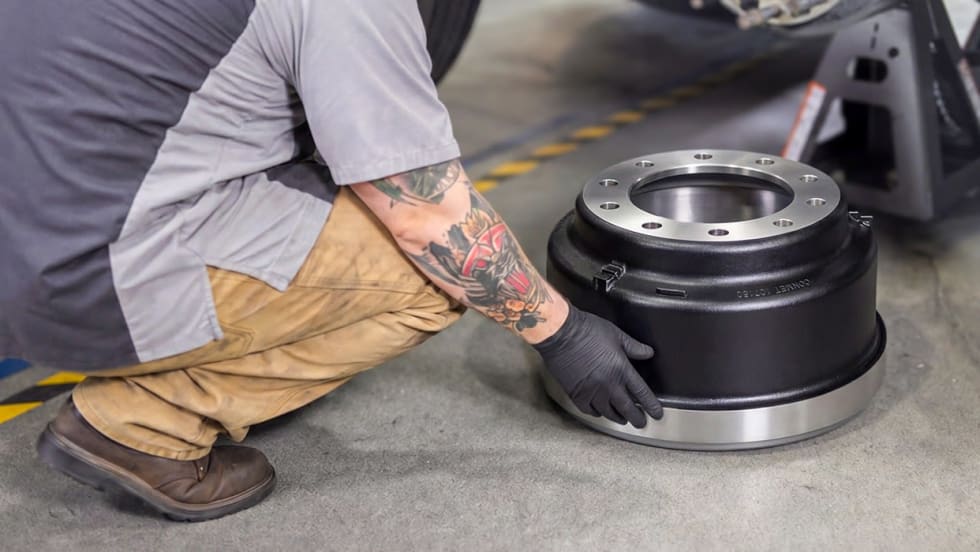
ConMet Expands Aftermarket Brake Drum Lineup With TruCast
A new heavy-duty truck brake drum option in the aftermarket gives customers more flexibility within the ConMet product family.
Read More →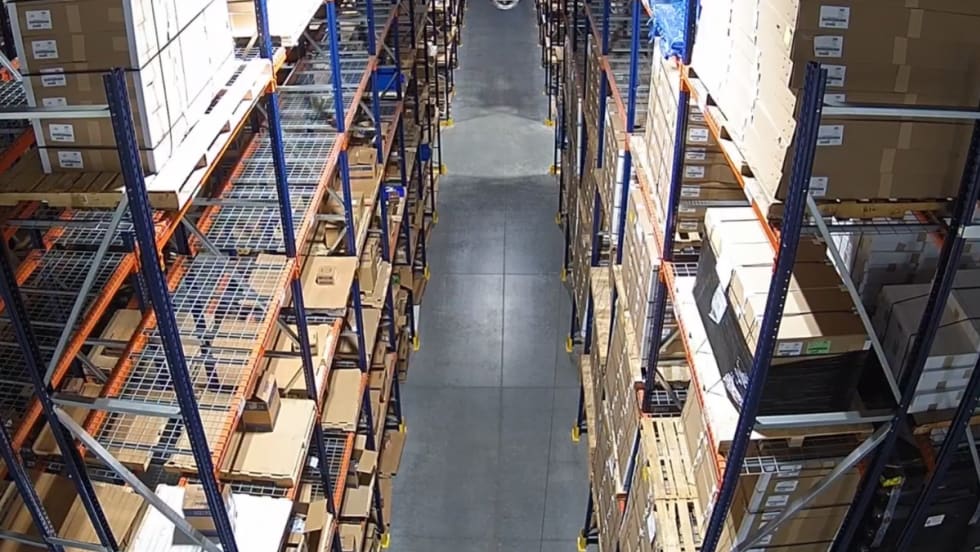
Phillips Opens High-Tech Distribution Center for Faster Parts Delivery
Phillips Industries’ new Cincinnati-area distribution center is now shipping aftermarket trucking parts nationwide, aiming to speed up delivery times for customers.
Read More →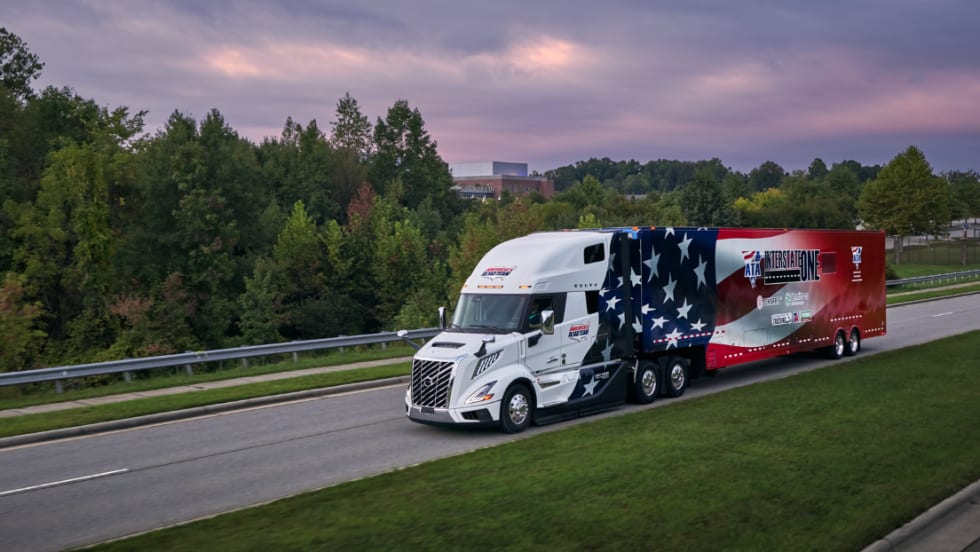
Volvo to Sponsor America’s Road Team for 2025
Volvo Trucks announced that it is extending its exclusive sponsorship of America’s Road Team for 2025.
Read More →
Webb to Start Taking Orders for UltraSet Pre-Adjusted Wheel Hubs
Webb, which recently acquired the Stemco Trifecta pre-adjusted hub program, will soon start taking orders for its replacement pre-assembled hub, the UltraSet.
Read More →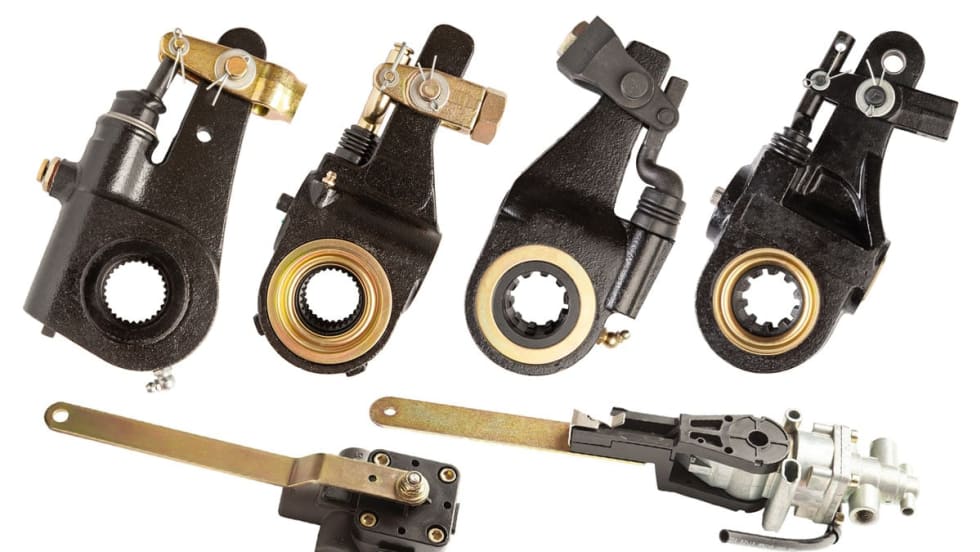
All-Makes Automatic Brake Adjusters, Ride Height Control Valves from Midland
SAF-Holland has added automatic brake adjusters and ride height control valves to its Midland All-Makes Program.
Read More →
ZF Aftermarket Expands [pro]Academy Training
ZF Aftermarket said it is expanding its ZF [pro]Academy training and will be adding 40 new modules this year.
Read More →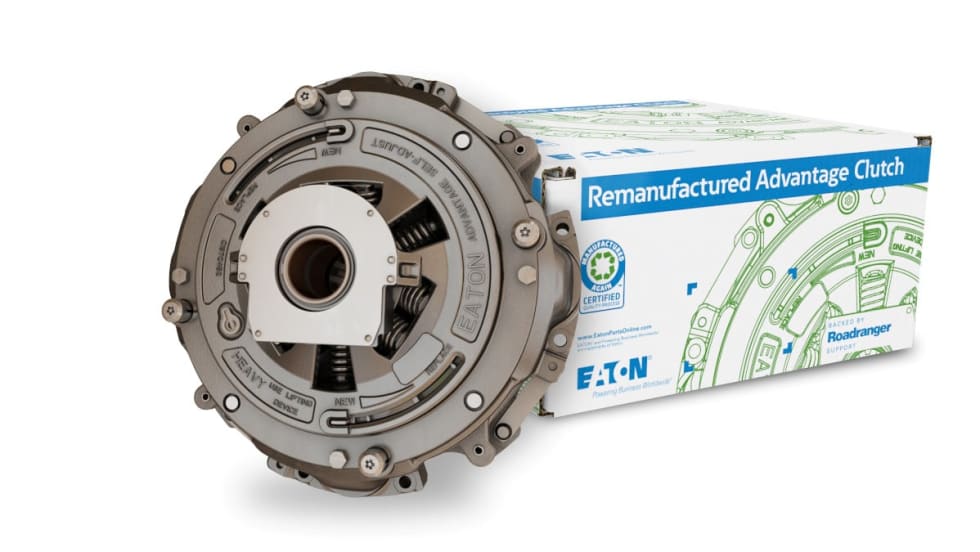
Eaton Adds Remanufactured Advantage Line of Clutches
Eaton has added its Advantage clutches to its remanufactured product line. The clutches feature a unique strap drive intermediate plate designed to allow customers to choose the latest OE specification
Read More →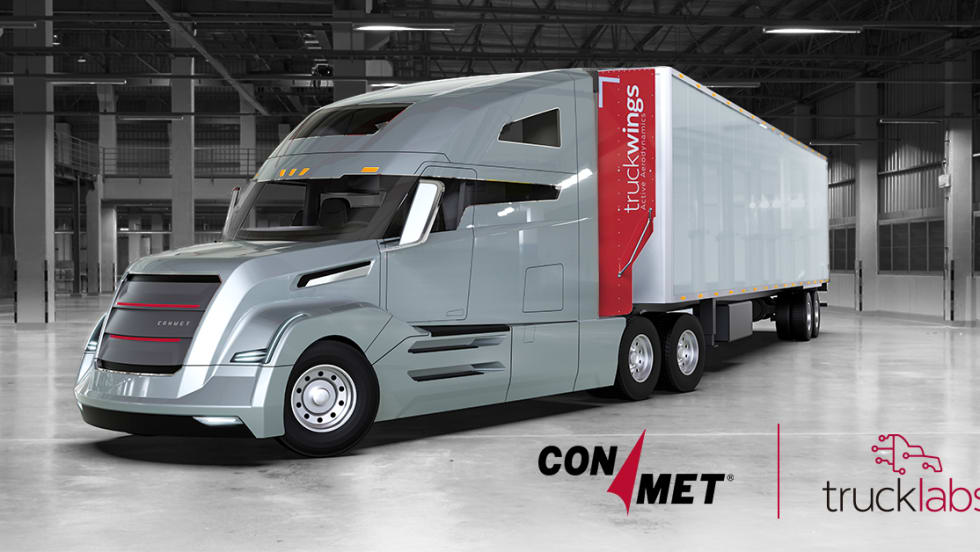
ConMet Acquires TruckLabs, the Creator of TruckWings
Commercial truck and trailer parts provider ConMet acquired TruckLabs, the company that created TruckWings, an aerodynamic device that attaches to truck cabs and deploys to close the gap between truck and trailer. TruckLabs now operates as a subsidiary of ConMet.
Read More →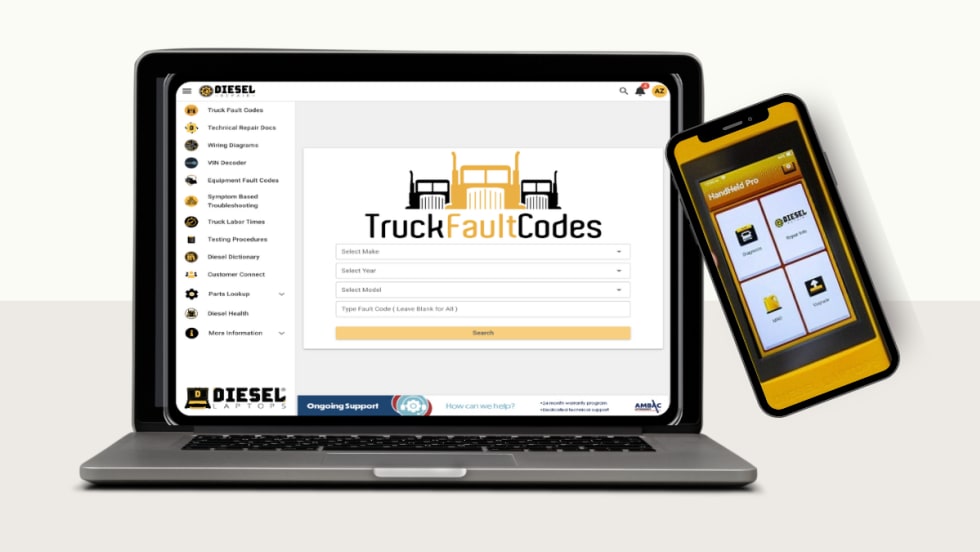
Diesel Laptops Releases Fault-Code-to-Part-Number Tool
Diesel Laptops said its Truck Fault Codes allows users to input a fault code and immediately identify and order the parts needed to complete repair work.
Read More →