





Related: How One Fleet Faces Maintenance Tech Shortages Head-On
Commentary: Talking About the Need for Trained Technicians… Again
There is a lot of talk in the industry about the need for more technicians, but we continue to have a problem finding qualified techs and attracting new people to the industry, so we will have to continue to talk about it.
May 13, 2019
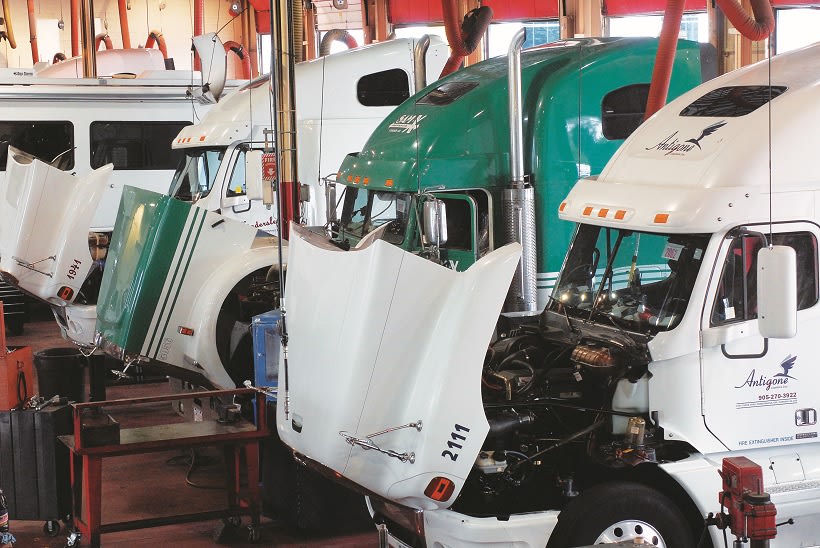
We continue to have a problem finding qualified techs and attracting new people to the industry, so we will have to continue to talk about it.
Photo: Jim Park
3 min to read
There is a lot of talk in the industry about the need for more technicians. I’ve even talked about it in this space before. But we continue to have a problem finding qualified techs and attracting new people to the industry, so we will have to continue to talk about it.
At Heavy Duty Aftermarket Week earlier this year, I had the chance to speak with Tim Spurlock, founder of American Diesel Training Center. Spurlock has developed a program that gets techs up and running in 12 weeks. To be sure, these are not technicians who can repair engines the first day they are on the job, but he says they come out of his program with some basic skills.
His program uses something called an adaptive learning platform for the “book learning” part of the training, which the students must complete before beginning the hands-on portion of the training.
The five-hour sessions run five days a week for 12 weeks. At each step of the process students have to prove their ability to perform certain procedures they have been taught.
Spurlock says he views his company as a “matriculator of talent into the trucking industry,” and he says he tries to ensure students have realistic expectations when they complete the program. “I tell them, ‘You are probably going to work second shift, you probably are going to be greasing trucks until you prove yourself.’”
The cost of the program is one of the things Spurlock thinks makes it attractive. Tuition is $7,500, and 25% of the students get scholarships from companies they will go to work for. Retention of technicians whose tuition was covered by service locations is 85%.
He says eliminating time and cost is the solution to the technician shortage.
“There are a lot of people out there working at what we call low-skill, low-wage, high-effort jobs. With our program we move them into a high-skill, higher-wage job.”
Interestingly, Spurlock does not thinking targeting 17- to 18-year-olds will solve the problem. “The true pipeline for the technician shortage is your 23- to 25-year-olds who have some life experience, some responsibilities, and are looking to get moving on a career.”
Spurlock believes businesses need to step up to the plate and provide scholarships to get more people trained.
Dan Sullivan, owner of Sullivan Systems and an electrical system educator, also feels the industry is not doing its part to fix the technician problem. “We have a gross lack of representation from industry in the training process,” he says.
In addition, he says people from the industry go to schools and tell them what they need but then do nothing to support the programs. Many schools and teachers will say they need equipment, and industry responds by “giving them two used engines that no one wants,” Sullivan says. “Basically they give them junk, when what they need is high-technology and high-quality equipment in order to train students to the proper standards.”
Throughout his 20+ years in the business, Sullivan says he has talked to thousands of technicians, and they are not encouraging their children to follow in their footsteps. “CEOs need to ask technicians why they don’t want them to work as technicians. What is it about the job or the occupation that is so offensive that you don’t want your children to do it?”
Sullivan says there is no instantaneous solution to the problem, but “industry has got to understand that they have got to pay the bill, and they have to solve the problem head-on by getting involved.”
Subscribe to Our Newsletter
More Aftermarket
What Three Fleets Are Doing Differently When Buying Truck Parts in 2026
With freight improving but costs still climbing, fleet maintenance executives explain how they're balancing price, quality, and supplier relationships.
Read More →
ConMet Expands Aftermarket Brake Drum Lineup With TruCast
A new heavy-duty truck brake drum option in the aftermarket gives customers more flexibility within the ConMet product family.
Read More →
Phillips Opens High-Tech Distribution Center for Faster Parts Delivery
Phillips Industries’ new Cincinnati-area distribution center is now shipping aftermarket trucking parts nationwide, aiming to speed up delivery times for customers.
Read More →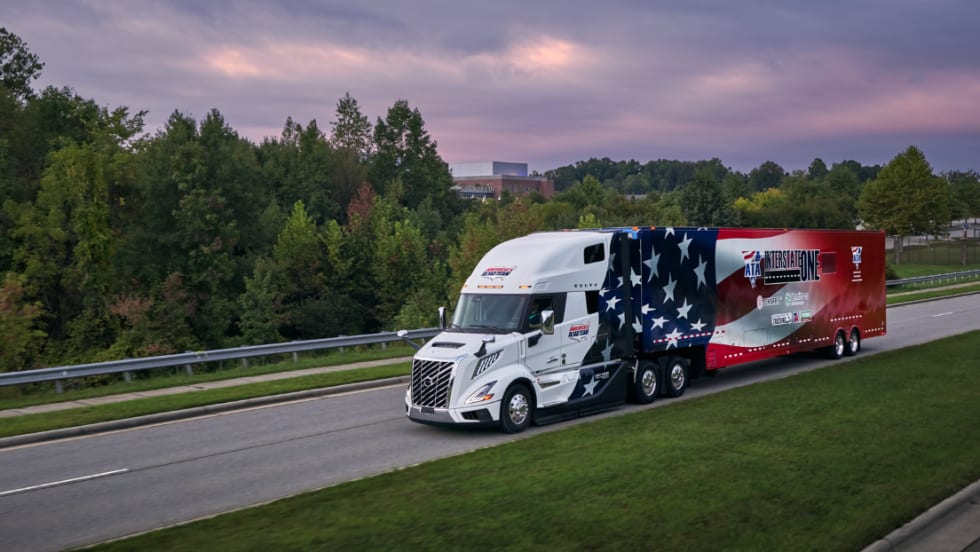
Volvo to Sponsor America’s Road Team for 2025
Volvo Trucks announced that it is extending its exclusive sponsorship of America’s Road Team for 2025.
Read More →
Webb to Start Taking Orders for UltraSet Pre-Adjusted Wheel Hubs
Webb, which recently acquired the Stemco Trifecta pre-adjusted hub program, will soon start taking orders for its replacement pre-assembled hub, the UltraSet.
Read More →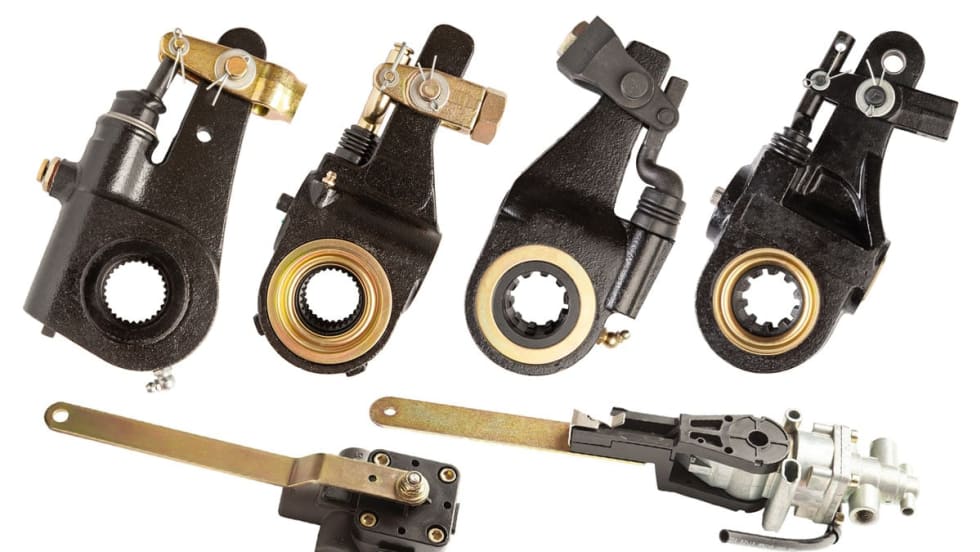
All-Makes Automatic Brake Adjusters, Ride Height Control Valves from Midland
SAF-Holland has added automatic brake adjusters and ride height control valves to its Midland All-Makes Program.
Read More →
ZF Aftermarket Expands [pro]Academy Training
ZF Aftermarket said it is expanding its ZF [pro]Academy training and will be adding 40 new modules this year.
Read More →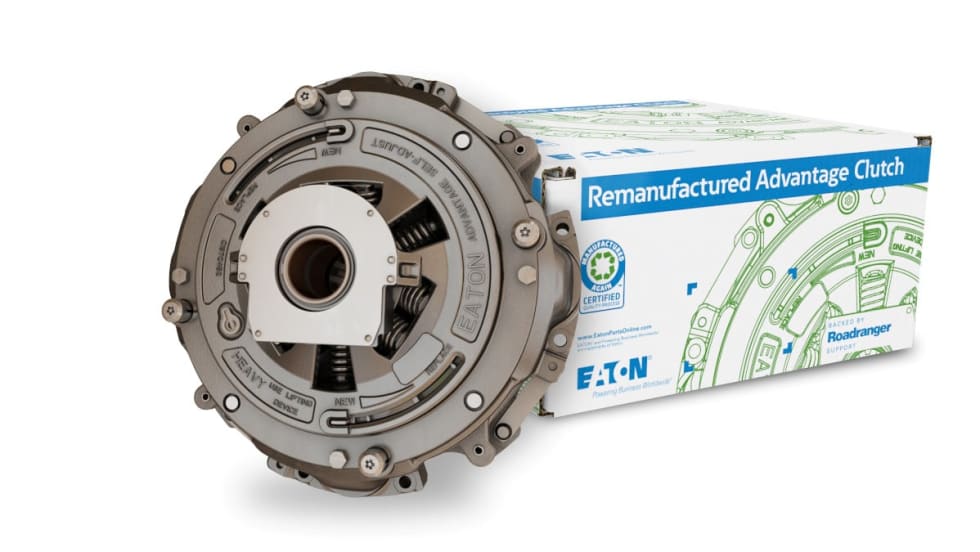
Eaton Adds Remanufactured Advantage Line of Clutches
Eaton has added its Advantage clutches to its remanufactured product line. The clutches feature a unique strap drive intermediate plate designed to allow customers to choose the latest OE specification
Read More →
ConMet Acquires TruckLabs, the Creator of TruckWings
Commercial truck and trailer parts provider ConMet acquired TruckLabs, the company that created TruckWings, an aerodynamic device that attaches to truck cabs and deploys to close the gap between truck and trailer. TruckLabs now operates as a subsidiary of ConMet.
Read More →
Diesel Laptops Releases Fault-Code-to-Part-Number Tool
Diesel Laptops said its Truck Fault Codes allows users to input a fault code and immediately identify and order the parts needed to complete repair work.
Read More →