




Commentary: It's Time to Think About Hourly Pay
Seriously evaluating how we pay drivers is something trucking needs to do as the industry faces a worsening shortage, suggests Editor in Chief Deborah Lockridge in her November editorial.


Deborah Lockridge

Deborah Lockridge
When Charles “Shorty” Whittington was chairman of the American Trucking Associations a decade ago, the founder of Grammar Industries called for the industry to look at paying drivers by the hour, he recalled last month during a panel discussion at the ATA’s annual Management Conference & Exhibition. “And I was about tarred and feathered.” Trucking companies told him to do so would be “business suicide.”
But things are changing.
Seriously evaluating how we pay drivers is something trucking needs to do as the industry faces its worst shortage of drivers since ATA first started keeping numbers. The shortage is projected to hit 50,000 by the end of the year. One Northeast fleet manager I talked to said he’s 15-18% short of where he needs to be on drivers.
Grammer Industries is one of a number of fleets — many in the tanker and bulk business — who have been quietly experimenting with hourly pay. Some of Whittington’s friends in the industry who have done so, he says, have seen their driver turnover drop to 20%.
Admitting that getting customers to accept the rates they’ll need to pay in order to make that happen is just one challenge in making this transition, he said, “but I think this industry has done a terrible job in communicating with the shippers.”
With the upcoming electronic logging device mandate, however, many in the industry have agreed that this kind of communication is going to be vital. And it also could mean that moving to hourly pay would make sense, at least in some situations.
It’s understandable how the mileage rate became the standard and accepted pay structure for the industry. With drivers out on the road for days and even weeks at a time, with no way to know much of anything about what they were doing other than the miles you could be reasonably sure they were traveling from origin to destination, mileage was the one number you could use to make calculations.
But with ELDs, that’s all changed. Used properly, you’ll know how many hours they’re driving, how many hours they’re sitting at the dock waiting to load or unload, and how many hours they’re off duty.
And for drivers who are leery of electronic logs, wouldn’t that be a lot easier to swallow if it meant they were actually going to get paid for every hour they worked?
Whittington said his company enjoys low turnover and spends very little on advertising for drivers. While he said the company culture values drivers, and that’s part of it, the hourly pay is a definite draw.
Louisiana-based Dupre Logistics has been paying drivers by the hour for years, and notes that it positively affects driver safety — when drivers are paid based on mileage or a percentage, it can push them to work when tired.
Not that such a move is easy. As Whittington said, “it puts a lot of strain on dispatch when you start down that path.” During the recent hurricanes in Texas, Louisiana, and Florida, “we paid out over $200,000 to truck drivers who didn’t move during those storms,” he said. “Was that tough? It was damn tough. But we’ve got people coming to work for us because we treat them right.”
More Drivers
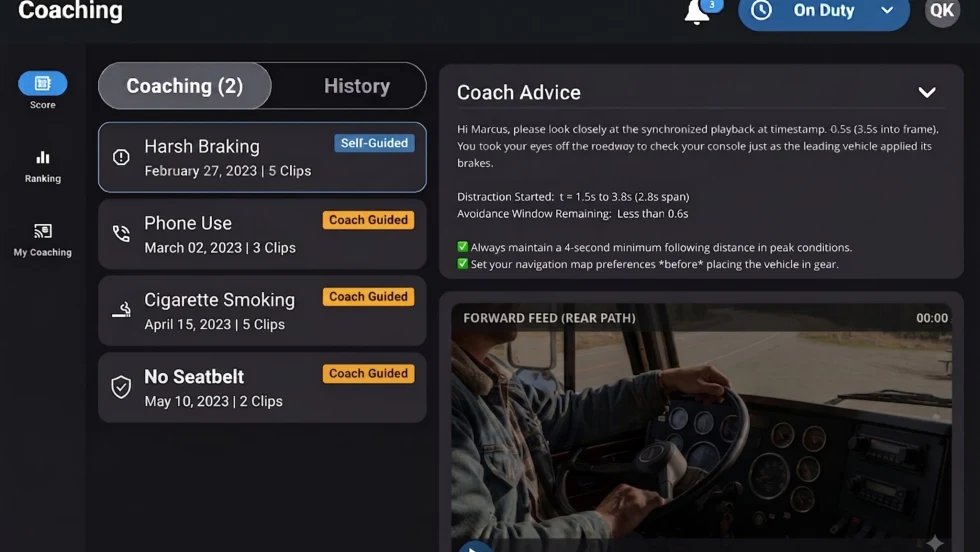
Platform Science Adds Dispatch and Safety Tools
Four additions to PS Fleet help fleets monitor loads, manage driver coaching, share truck locations and adjust video system settings.
Read More →
When Language Stops the Truck: The Return of ELP Out-of-Service Orders
English language proficiency rules for commercial drivers aren’t new, but renewed out-of-service enforcement has raised the stakes. Here’s what carriers need to know before a driver reaches a roadside inspection.
Read More →
Samsara Launches Custom AI Agent Builder
Agent Studio lets fleets create AI tools for hours-of-service monitoring, reporting and driver support, including agents that communicate by phone.
Read More →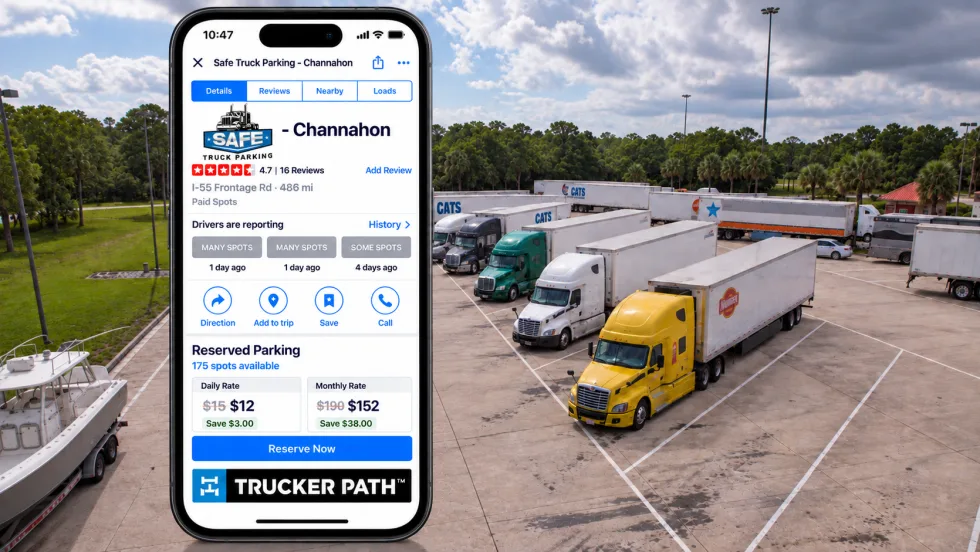
Trucker Path Expands Reserved Parking Network
Trucker Path has added close to 6,000 more truck parking spaces to its Trucker Path Reserved Parking Network with the addition of Safe Truck Parking.
Read More →
EEOC Sues Texas Trucking Company Over Driver Age Limits
The agency says Trancasa USA rejected applicants over 65 and applied tougher driving-record standards to those over 60.
Read More →
Nussbaum, Roehl Announce Second Driver Pay Increase This Year
This year has seen a swath of major truck driver pay increases as freight capacity has tightened.
Read More →
From One Generation to the Next: How Mentorship Builds Safer Truck Drivers
After three decades in trucking, Harold Perry shares what he's learned about driver safety, mentorship, and helping the next generation build confidence behind the wheel.
Read More →
Truck Drivers Need More Than Another Alert
Fleets have more visibility into truck health, safety events, and driver activity than ever. The next challenge is turning all that information into useful guidance for the person who has to decide what to do next.
Read More →
FMCSA Removes 110 Truck Driver Training Schools from Certified ELDT List
Federal regulators also are targeting more than 160 additional training providers and launching a nationwide audit of third-party CDL skills testers as part of a broader crackdown on trucking fraud.
Read More →
Hours of Service Pilot Programs: FMCSA Readies for 2027 Rollout
Two pilot programs could eventually reshape hours-of-service rules, giving truck drivers options to pause their 14-hour clock or use longer split sleeper rest periods.
Read More →