




Commentary: Complacency Is a Killer
Downtime, unhappy drivers, bitching customers... they all contribute to an ugly bottom line, writes Executive Contributing Editor Rolf Lockwood.

Rolf Lockwood

Rolf Lockwood
Every time I write about wheel security, I get e-mails from technicians complaining about the complacency they see in their own shops when it comes to wheel care. So I know it’s an ongoing issue. Informal chats here and there always confirm it, and people are forever telling me to keep on pushing. So I do.
There will be those of you who say, “Not again,” but I make no apologies for harping on this. I wrote about wheel-offs in this space just over a year ago, and previously in 2014. Fact is, I’ve been addressing it since the 1990s when wheels seemed to be falling off trucks all the time — and killing people in the process. They still are, though maybe not so often because we understand more these days. But we all know they happen, and I don’t need iffy statistics to prove it.
I’m writing now because of a disturbing e-mail I had not long ago from a veteran technician at a large fleet, which he described as “so-called leaders in preventive maintenance.”
Not so, apparently.
“I can assure you complacent thinking is the norm around here,” he wrote, requesting anonymity.
“Sure we had the new procedures and some training thrown at us when wheel-offs were in the news, but that is not the case now. Of the 12 technicians working in my shop, there is only one installing wheels correctly, one comes close, and the others aren’t even in the ball park. Management does nothing and will do nothing until a wheel-off occurs. And when that does happen they will review the procedures taken, and when they find the tech who didn’t do it right they will fire him and remind those that are left of the proper procedures. A week or two later, things will be back to ‘normal’.
“Are we doing enough? In the time I have been with this company, I have been on only nine training sessions, each being one to three days in length. That’s a maximum of 27 days for the 15-plus years I have been here. If it wasn’t for my own initiative, I would know how to grease a truck and change oil and that’s it. With all the systems on a vehicle today, I hardly think 27 days of training covers it. We have senior technicians who can’t adjust clutches, who can’t inspect brakes properly, who know little about fifth wheels or the electronics on a vehicle. Our company is adding to the problem by hiring unskilled labor to perform vehicle inspections. These same guys are mounting and dismounting tires without knowledge of what they are doing. Training doesn’t exist.”
Is that typical? I hope not. Is it rare? I fear the answer to that one, but you tell me.
This is not just a safety concern, even though the calamity quotient of poorly attached wheels is mighty high. It’s also a business matter in an archly competitive marketplace. Whether we’re talking about wheel integrity or brake adjustment or any other such matter, haphazard maintenance is a cost multiplier. Downtime, unhappy drivers, bitching customers... you name it, they’ll all contribute to an ugly bottom line.
Complacency in the shop can be a killer in more ways than one.
More Maintenance

Mack Expands Extended Coverage With Four Chassis System Plans
Mack Trucks' new system-specific coverage options allow heavy-duty fleets to select protection for driveline, cab, HVAC, electronics, and advanced safety components.
Read More →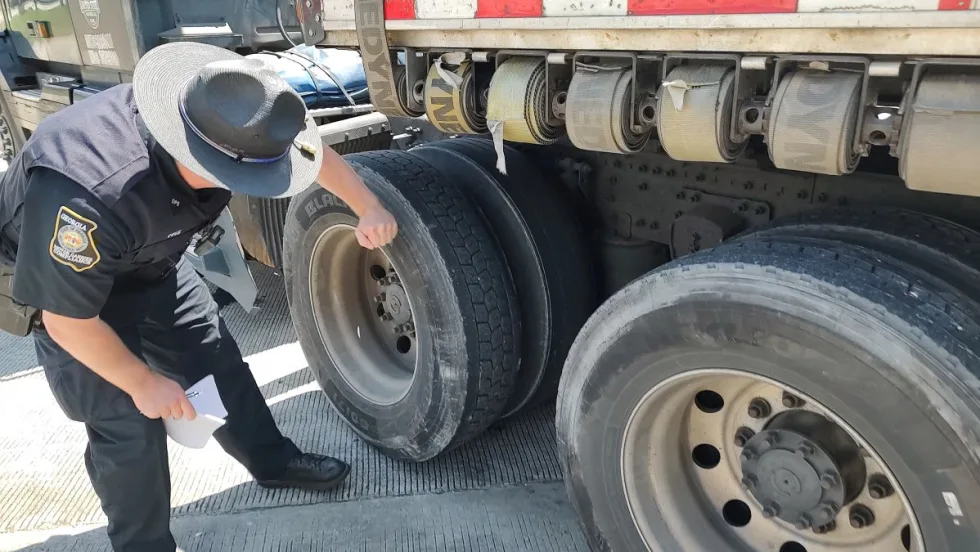
What an Out-of-Service Order Really Costs, and How to Plan for One
The repair invoice is the first number you see — and often one of the smallest. Here’s what else an out-of-service order can cost a fleet, and how planning can reduce the damage.
Read More →
International Launches Online Truck Parts Store
Fleetrite.com lets fleets and repair shops find OEM and all-makes parts, check prices and availability, and order without calling a parts counter.
Read More →

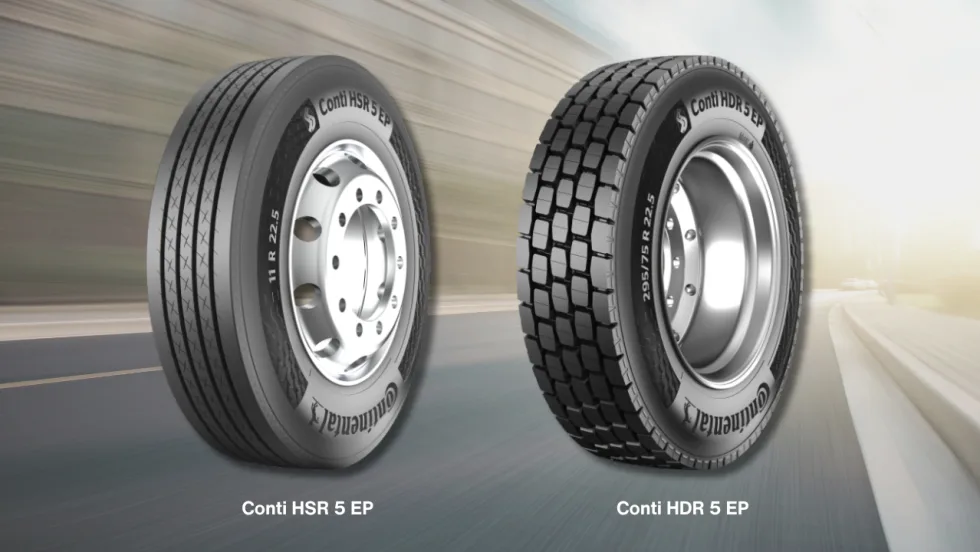
Continental Introduces New Regional Truck Tires
Continental says its new Generation 5 steer and drive tires for regional operations offer longer tread life, with estimated mileage gains of 22% and 19%, respectively.
Read More →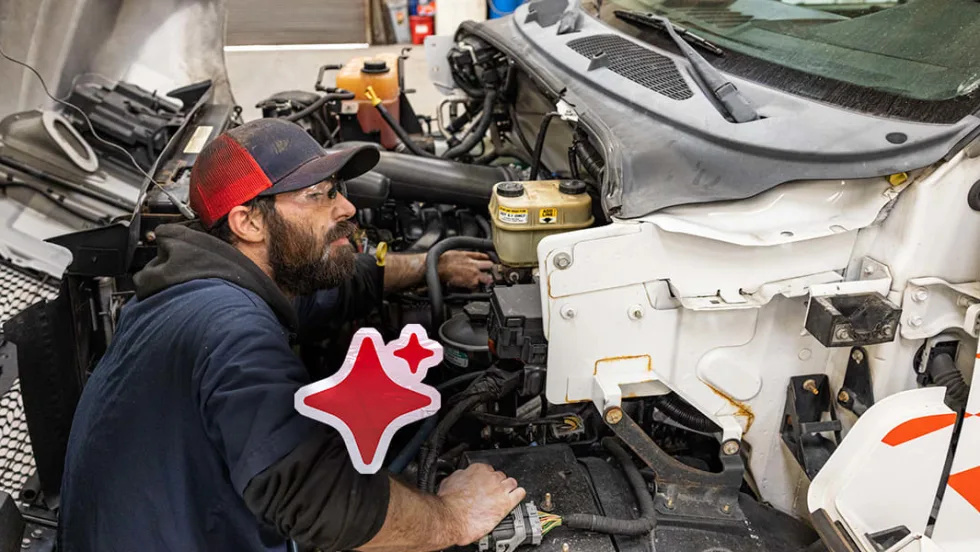
How AI Can Help Your Techs’ Efficiency
The technician shortage isn't going away, and no single fix can close the gap on its own. Trent Broberg makes the case that AI's real job in the shop is protecting the billable hours and job satisfaction of the techs you already have, not asking them to work faster.
Read More →
Color Match Smarter: Tools That Restore & Perform
For fleet managers and collision repair professionals keeping heavy-duty trucks on the road, getting the color right the first time isn't just about appearance — it's about efficiency, turnaround time, and bottom-line results. Discover how today's digital color tools are transforming the repair process from guesswork to precision.
Read More →
Wrong Repair Prompts Recall of Freightliner, Western Star 4x2 Trucks
DTNA is recalling more than 2,400 trucks that received an incompatible software fix instead of the hardware repair required to address brake valve corrosion.
Read More →
Truck Drivers Need More Than Another Alert
Fleets have more visibility into truck health, safety events, and driver activity than ever. The next challenge is turning all that information into useful guidance for the person who has to decide what to do next.
Read More →
The Maintenance Checks Trucking Fleets Should Prioritize Before Fall Freight Picks Up
Making it through August isn’t the same as being ready for the next several months of operation. Find out what systems may have suffered from summer heat and need to be checked out before fall.
Read More →
What Three Fleets Are Doing Differently When Buying Truck Parts in 2026
With freight improving but costs still climbing, fleet maintenance executives explain how they're balancing price, quality, and supplier relationships.
Read More →